
If you’re an aspiring backyard chicken keeper or simply a curious poultry enthusiast, chances are you’ve heard about the stunning Silver Laced Wyandotte breed. But did you know that these beautiful birds lay eggs with equally impressive characteristics? The egg color spectrum of Silver Laced Wyandottes has sparked curiosity and debate among enthusiasts. Are their eggs really pink, white, or a mix of both? And what’s behind this fascinating phenomenon? In this article, we’ll delve into the world of Silver Laced Wyandotte egg colors, separating fact from fiction, and exploring the nutritional benefits and myths surrounding these remarkable eggs. Whether you’re a seasoned chicken keeper or just starting your flock, get ready to crack open the secrets of these incredible birds’ egg-laying abilities.
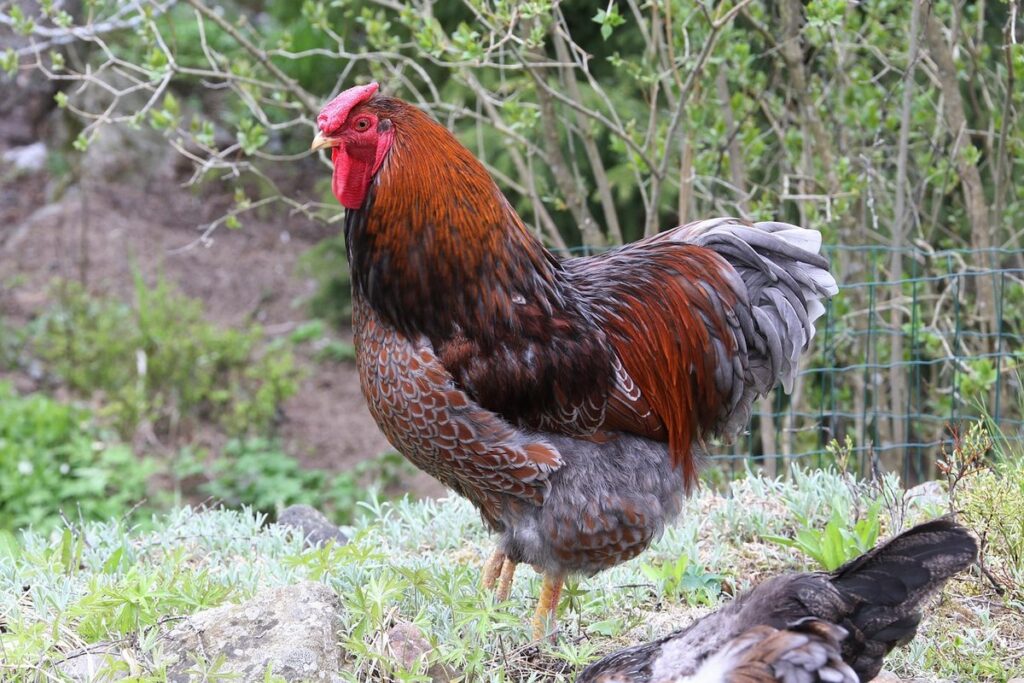
Introduction to Silver Laced Wyandottes
Let’s dive into the fascinating world of Silver Laced Wyandottes and explore their unique characteristics that make their eggs so special. These stunning birds have a rich history and distinct traits worth discovering.
Brief History and Origin of the Breed
The Silver Laced Wyandotte breed has a rich history that dates back to the late 19th century in North America. Developed from the esteemed American Game fowl and the Black Java, this breed was specifically designed for its stunning appearance and exceptional egg-laying capabilities. The Wyandotte’s ancestors were highly prized by farmers and poultry enthusiasts alike for their impressive plumage patterns and robust build.
As a result of their origins, the Silver Laced Wyandotte has become a beloved breed among chicken enthusiasts. Its unique appearance, combined with its friendly and docile nature, has made it a popular choice for backyard flocks. With its rich history and heritage, it’s no wonder that this breed continues to captivate those interested in raising exceptional chickens. Whether you’re a seasoned poultry breeder or just starting out, the Silver Laced Wyandotte is sure to impress with its stunning egg color characteristics – which we’ll explore further throughout this post.
Understanding the Breed Standard
When it comes to understanding the Silver Laced Wyandotte breed, it’s essential to delve into the American Poultry Association (APA) breed standard. This document outlines the distinct characteristics that define this magnificent breed. According to the APA, Silver Laced Wyandottes are a large fowl breed, with males weighing between 8 and 10 pounds and females weighing between 6 and 8 pounds.
One of the most striking features of this breed is their lustrous plumage, which features a silvery-gray sheen on their hackles, shoulders, back, and tail. Their wings are also adorned with a beautiful silver pattern. However, it’s not just their appearance that sets them apart – Silver Laced Wyandottes are also known for their friendly, docile nature, making them an excellent choice for backyard chicken keepers.
It’s worth noting that the APA breed standard emphasizes the importance of maintaining the Silver Laced Wyandotte’s unique characteristics through selective breeding. This means that only chicks and hens that meet the breed standard in terms of plumage, size, and temperament should be used to perpetuate the breed. By understanding and adhering to this breed standard, chicken enthusiasts can help preserve the integrity of this beloved breed.
Egg Color Variations: What to Expect
You’ll find that Silver Laced Wyandotte chickens are known for their striking egg color variations, but what exactly can you expect from their shells? Let’s dive into the different hues and patterns.
Eggshell Color Spectrum
Silver Laced Wyandottes are known for their unique egg color spectrum, which can range from a pale cream to a rich brown. The exact shade of the eggs is influenced by several factors, including diet, genetics, and age of the hen. Some Silver Laced Wyandotte owners have reported finding eggs with a beautiful rose-pink tint, while others have noted a more muted beige color.
It’s worth noting that eggshell color can be an indicator of a chicken’s overall health and well-being. For example, pale or washed-out eggs may suggest a lack of certain nutrients in the hen’s diet. On the other hand, richly colored eggs can indicate a balanced diet and optimal nutrition.
To encourage your Silver Laced Wyandotte hens to lay eggs with vibrant colors, make sure they have access to a diverse range of fruits, vegetables, and whole grains. A supplement-rich feed or layer pellets can also help support their egg-laying abilities. By providing your flock with a nutrient-dense diet, you may find that the colors of their eggs become more intense over time.
Factors Influencing Egg Color
The color of an eggshell is not just determined by genetics; it’s also influenced by external factors that can impact the Silver Laced Wyandotte chicken‘s diet and environment. One significant factor affecting egg color is nutrition. A balanced diet rich in essential nutrients like calcium, vitamin D3, and omega-3 fatty acids supports strong shell production and influences its pigmentation.
For instance, a chicken receiving adequate calcium will deposit it into the eggshell, potentially resulting in deeper-colored eggs. Conversely, a deficiency can lead to lighter colors or even pale pastel shades. Age is another key factor; as hens mature, their egg yolks and whites may change composition, causing shifts in shell color.
Environmental conditions also play a crucial role in determining egg color. Exposure to direct sunlight can enhance pigmentation by triggering the production of melanin. This results in more vibrant colors or deeper shades. However, extreme temperatures or humidity fluctuations can negatively impact eggshell quality and appearance.
Why Silver Laced Wyandottes Are Valued for Their Eggs
One of the main reasons backyard chicken keepers and egg enthusiasts love Silver Laced Wyandottes is their exceptional egg-laying abilities. They produce an abundance of large, brown eggs that are a prized addition to any breakfast plate.
Unique Nutritional Content
Eggs from Silver Laced Wyandottes are prized not only for their striking appearance but also for their exceptional nutritional value. Research has shown that these eggs contain higher levels of certain nutrients and antioxidants compared to eggs from other breeds. For instance, a study published in the Journal of Food Science found that Silver Laced Wyandotte eggs had significantly higher concentrations of omega-3 fatty acids and vitamin E than eggs from commercial layers.
These enhanced nutritional profiles are attributed to the breed’s unique genetic makeup and diet. As a result, incorporating Silver Laced Wyandotte eggs into your diet can provide a range of health benefits. The high levels of omega-3s, for example, can help support heart health and reduce inflammation. Meanwhile, the abundance of vitamin E acts as an antioxidant, protecting cells from damage and promoting overall well-being.
If you’re looking to incorporate more nutrient-dense eggs into your diet, consider seeking out Silver Laced Wyandotte farmers or purchasing from a local farm that raises this breed. By making this simple switch, you can enjoy the added health benefits of these exceptional eggs.
Taste and Texture Differences
When it comes to egg taste and texture, many chicken enthusiasts will tell you that it’s not just about the color – but also about the flavor. The truth is, different breeds can produce eggs with distinct characteristics, and Silver Laced Wyandottes are no exception.
One key difference lies in the richness of the yolk. Silver Laced Wyandotte eggs tend to have a deeper, more vibrant orange hue, which some say translates to a richer, more buttery flavor. This is because the breed’s diet influences the egg’s nutritional profile, resulting in a more intense yolk taste.
The texture of the white and yolk can also vary between breeds. Silver Laced Wyandottes are known for producing eggs with a firmer, creamier white and a slightly larger yolk-to-white ratio, making them ideal for recipes where the egg is the star. This might be why many bakers swear by using Silver Laced Wyandotte eggs in their baked goods – they provide a silky smooth texture that’s hard to replicate with other breeds.
If you’re looking to try your hand at collecting Silver Laced Wyandotte eggs, don’t be surprised if your taste buds do the happy dance. While it may take some experimentation to find your perfect egg recipe, one thing is certain: these birds are prized for their unique offerings – and not just because of their stunning egg color!
Tips for Raising Healthy Silver Laced Wyandottes
Raising healthy silver laced wyandotte chickens requires attention to their specific needs, including a balanced diet and plenty of space to roam. By following these tips, you’ll be well on your way to enjoying happy and thriving birds.
Nutrition and Health Considerations
When it comes to raising healthy Silver Laced Wyandottes, their nutritional needs and health considerations are crucial to ensure they produce those stunning eggs. As a responsible owner, you’ll want to provide a balanced diet that meets their specific requirements.
These birds are high-energy breeders, which means they need more protein and calcium-rich foods to support egg production and overall health. Include a mix of layer feed, fresh fruits, vegetables, and grains in their diet. You can also supplement with crushed oyster shells or dark leafy greens like kale and spinach to boost calcium levels.
However, Silver Laced Wyandottes are prone to obesity, which can lead to various health issues. Monitor your flock’s weight closely and adjust their feed accordingly. Also, be aware of other breed-specific health concerns, such as feather pecking and prolapse.
To keep your Silver Laced Wyandottes healthy, make sure they have access to clean water, fresh air, and regular exercise. Consider free-ranging them for at least a few hours daily to ensure physical activity and mental stimulation. By providing optimal nutrition and addressing potential health issues, you’ll be well on your way to raising happy, healthy Silver Laced Wyandottes that produce those beautiful eggs.
Managing Stress and Keeping Your Flock Happy
When raising Silver Laced Wyandottes, it’s essential to create an environment that minimizes stress and promotes healthy egg-laying. Chickens are social creatures, and their happiness directly impacts the quality of eggs they produce. To achieve this balance, provide a safe and spacious living area where your flock can roam freely.
Aim for at least 2-4 square feet per chicken inside the coop, and double that in the run. This will allow them to move around comfortably, exercise, and engage in natural behaviors like pecking and scratching. Ensure proper ventilation, adequate lighting, and a comfortable temperature range (around 50-70°F) within the coop.
Provide enrichment activities, such as food puzzles or hidden treats, to stimulate their minds and reduce stress caused by boredom. Also, ensure access to fresh water and nutritious feed that meets your flock’s specific needs. With these simple yet effective strategies in place, you’ll create a harmonious environment where your Silver Laced Wyandottes thrive, resulting in higher-quality eggs with vibrant, silver-laced shells.
Common Misconceptions About Silver Laced Wyandotte Eggs
One common misconception is that Silver Laced Wyandottes lay eggs with a pure white shell, but this couldn’t be further from the truth. Let’s debunk these myths and explore their unique egg color characteristics.
Debunking Myths Surrounding Egg Color
One common myth surrounding egg color is that darker eggs are always lower in nutritional value than lighter ones. However, research has shown that this is not the case. Egg color is determined by pigments such as protoporphyrin and biliverdin, but these pigments do not affect the nutritional content of the egg.
In fact, a study found no correlation between eggshell color and nutrient levels like protein, calcium, or fat content. This means that Silver Laced Wyandottes’ dark-brown eggs are just as nutritious as their lighter counterparts from other breeds.
Another myth is that egg color can be an indicator of a chicken’s health. But, the truth is that a chicken’s eggshell color is determined by its genetics and not by its diet or overall well-being. So, if you’re noticing changes in your Silver Laced Wyandotte’s egg color, it’s likely due to changes in breed-specific characteristics rather than any underlying health issue.
To put this myth-busting into practice, look for reputable sources when researching the nutritional content of eggs. Check the data from organizations like the US Department of Agriculture or peer-reviewed studies published in scientific journals.
Separating Fact from Fiction: Breeding for Specific Traits
When it comes to breeding chickens specifically for their egg-laying abilities or other traits, there’s often confusion about what’s fact and what’s fiction. While some breeders swear by selective breeding techniques, others warn against the ethics of prioritizing a single trait over the chicken’s overall health and well-being.
The reality is that breeding for specific traits can be a complex issue. On one hand, careful selection and breeding have improved egg production in many breeds, including the Silver Laced Wyandotte. However, this comes with a trade-off: some breeds may become so focused on laying large numbers of eggs that they neglect other crucial aspects like health, fertility, or temperament.
To avoid falling into the trap of prioritizing one trait over others, consider the following: always prioritize genetics and breeding stock that are known for their robustness and overall quality. This might mean sacrificing some initial egg production in favor of a more balanced bird that will thrive in the long term. Remember, it’s not just about laying eggs – it’s about creating healthy, resilient chickens that will continue to perform well over generations. By taking a holistic approach to breeding, you can enjoy the best of both worlds: impressive egg-laying abilities and a robust, thriving flock.
Conclusion
As we’ve explored the fascinating world of Silver Laced Wyandotte chickens, it’s time to summarize key takeaways and recap what you’ve learned about their unique egg color characteristics.
Recap of Key Takeaways
In this article, we’ve explored the fascinating world of Silver Laced Wyandotte chicken eggs. If you’re a poultry enthusiast or an aspiring chicken keeper, it’s essential to remember these key takeaways about their unique egg color characteristics.
First and foremost, Silver Laced Wyandottes are known for laying pale brown eggs with a subtle sheen. This distinctive coloration is not only visually appealing but also indicates the quality of the eggs themselves. With proper care and nutrition, these hens can produce an impressive 280-300 large eggs per year.
Another crucial aspect to consider is the genetic influence on eggshell color. As we’ve discussed earlier, the silver lacing pattern is the result of a specific genetic combination that affects not only the feathers but also the eggshell. This unique characteristic makes Silver Laced Wyandottes stand out among other breeds and has contributed to their popularity among backyard chicken keepers.
It’s worth noting that the egg color may vary slightly from one hen to another, depending on individual factors such as diet, health, and living conditions. However, the pale brown hue is a consistent trait of Silver Laced Wyandotte eggs.
To sum it up, if you’re considering adding these beautiful birds to your flock, be prepared for an abundance of large, high-quality eggs with their signature silver lacing pattern. With proper care and attention to nutrition, you can expect a bountiful harvest from your Silver Laced Wyandottes.
By understanding the unique characteristics of these hens, you’ll be better equipped to provide them with the best possible environment to thrive. This includes providing a balanced diet rich in calcium, ensuring access to fresh water, and maintaining a clean living space. By doing so, you can enjoy the many rewards that come with raising Silver Laced Wyandotte chickens.
Frequently Asked Questions
Can Silver Laced Wyandottes lay eggs year-round, regardless of climate or season?
Yes, Silver Laced Wyandottes are known for their consistent egg-laying abilities throughout the year, making them an excellent choice for backyard chicken keepers. However, it’s essential to provide your flock with adequate nutrition and ensure they have access to a balanced diet that meets their nutritional needs during different seasons.
How can I tell if my Silver Laced Wyandotte is laying eggs with good nutritional content?
Pay attention to the eggshell color, as white or light brown eggs often indicate better nutrition. You can also check for any cracks or damage to the eggshell, which may be a sign of stress or poor health in your flock. Keep an eye on their overall behavior and adjust their diet accordingly to ensure they’re laying healthy eggs.
Are Silver Laced Wyandottes more prone to certain health issues due to their unique characteristics?
While Silver Laced Wyandottes are generally a hardy breed, they may be susceptible to specific health concerns related to their genetics. Keep an eye out for respiratory problems and take proactive measures to maintain a clean living environment and provide regular vaccinations.
Can I keep multiple breeds together with my Silver Laced Wyandottes without affecting egg color?
When introducing multiple breeds to your flock, it’s essential to ensure compatibility and monitor any potential effects on egg color. While some breed combinations won’t affect egg color, others may. Research the specific needs of each breed and take steps to create a harmonious and stress-free environment for all birds.
Will Silver Laced Wyandottes continue to lay eggs with unique characteristics in backyard settings?
Yes, Silver Laced Wyandottes will maintain their exceptional egg-laying abilities, including their distinctive color variations, when raised in a backyard setting. However, ensure your flock receives proper care and attention to keep them happy and healthy.