
The Silver Laced Wyandotte rooster is one of the most distinctive and sought-after breeds in the world of chickens. For backyard farmers and experienced breeders alike, this majestic bird offers a unique combination of stunning good looks, impressive temperament, and exceptional egg-laying abilities. But if you’re new to raising poultry or just starting to explore the wonderful world of Silver Laced Wyandottes, it can be tough to know where to start.
In this article, we’ll delve into the rich history and captivating characteristics of the Silver Laced Wyandotte rooster breed. We’ll discuss breeding and health considerations, as well as expert tips for showing these magnificent birds. Whether you’re a seasoned poultry enthusiast or just starting out on your backyard chicken-keeping journey, we’ll cover everything you need to know about the Silver Laced Wyandotte rooster.
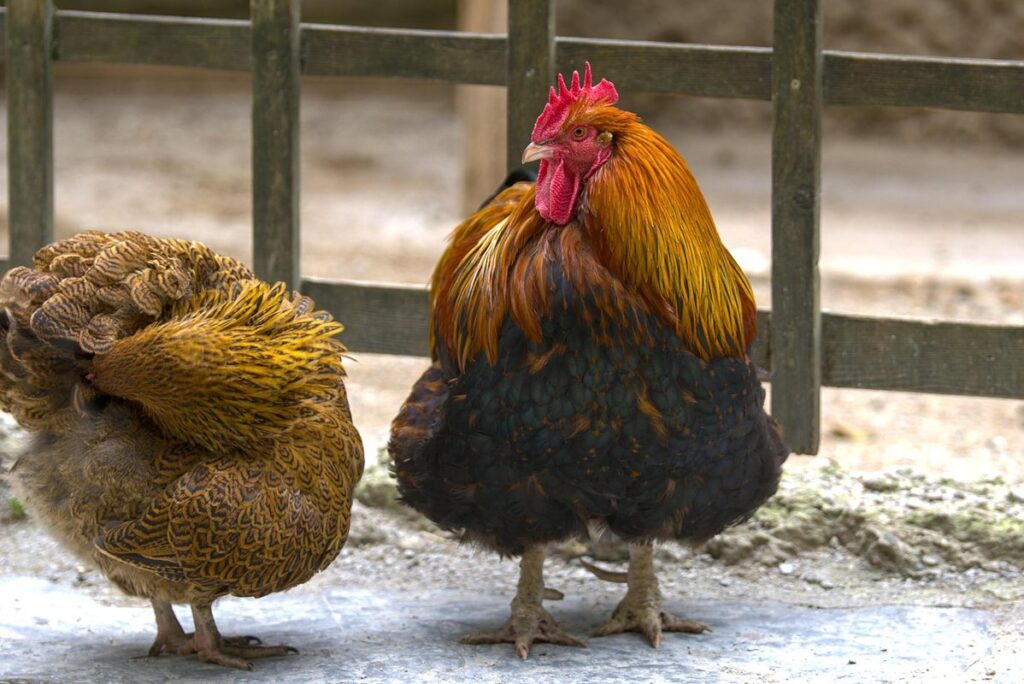
Introduction to the Breed
Let’s dive into the fascinating world of Silver Laced Wyandotte roosters, a breed known for their striking appearance and impressive characteristics. In this section, we’ll explore what makes them so unique.
History and Origins of the Silver Laced Wyandotte
The Silver Laced Wyandotte breed has its roots in 19th-century America. Developed by William E. Lingco in the 1860s, this bird was initially known for its stunning appearance and desirable temperament. The breed’s origin story is closely tied to the creation of other popular breeds, such as the Cochin and the Java.
In terms of physical characteristics, the Silver Laced Wyandotte owes a debt to the Cochins, which were brought over from England in the 1850s. These birds were known for their large size and striking plumage patterns. Over time, breeders crossed these birds with other European breeds to create a more robust and attractive bird.
One of the defining features of the Silver Laced Wyandotte is its distinctive lacing pattern on the feathers. This unique marking was achieved through careful selection of individual birds that exhibited particularly dramatic feathering. By breeding these birds together, breeders were able to accentuate this characteristic and create a truly show-stopping bird.
It’s worth noting that the development of the Silver Laced Wyandotte was not without its challenges. Early breeders faced significant hurdles in creating a consistent and reliable strain, including disease outbreaks and other setbacks. However, their perseverance paid off in the end, resulting in one of the most beloved breeds among backyard chicken enthusiasts today.
Characteristics and Traits of the Silver Laced Wyandotte Rooster
The Silver Laced Wyandotte rooster is a majestic and impressive bird with distinct physical characteristics that set it apart from other breeds. One of the most notable features of this rooster is its striking silver-laced plumage, which gives it an elegant and refined appearance. Its hackle feathers are long and flowing, while its saddle and back feathers have a beautiful luster.
In terms of temperament, the Silver Laced Wyandotte rooster is known for being friendly and docile. They are generally easy-going and will get along well with other birds in the flock. However, it’s essential to remember that they can be quite territorial and may exhibit aggressive behavior if they feel their space or family is threatened.
When it comes to behavior, Silver Laced Wyandotte roosters are known for being alert and watchful. They have a strong instinct to protect their territory and will often take on a leadership role within the flock. To manage their natural instincts, it’s crucial to provide them with plenty of space to roam and engage in activities that stimulate their minds.
As a breed owner, you’ll want to make sure your Silver Laced Wyandotte rooster has access to a spacious coop and run, as well as regular opportunities for exercise and socialization. With proper care and attention, this remarkable bird will thrive and become a cherished member of your flock.
Breeding and Raising Silver Laced Wyandotte Roosters
When breeding silver laced wyandotte roosters, it’s essential to understand their unique characteristics and needs to produce high-quality offspring that excel in show and on the farm. Let’s dive into the specifics of raising these magnificent birds.
Choosing the Right Breeders and Stock
When it comes to breeding and raising Silver Laced Wyandotte roosters, choosing the right breeders and stock is crucial for ensuring you’re getting healthy, high-quality birds. But with so many options available, how do you know which breeder to choose?
First and foremost, research potential breeders thoroughly. Look for reviews, ask for referrals from other poultry enthusiasts, and check their website or social media for information on breeding practices, health testing, and customer service. A reputable breeder will be transparent about the health and ancestry of their birds, and will be happy to answer any questions you have.
When purchasing chicks, look for breeders who provide documentation on the health status of their flock, including test results for diseases such as Marek’s and Newcastle. It’s also essential to ensure that the breeder is selling chicks from parents that have been health tested and cleared for breeding. This will give you confidence that your new chicks are healthy and less likely to succumb to disease.
Some key questions to ask a potential breeder include: What health testing do they perform on their birds? Can they provide documentation of test results? Are the parents of the chicks being sold healthy and free from genetic disorders? By asking these questions, you can make an informed decision about which breeders to trust with your poultry purchases.
Essential Care and Management for Roosters
Providing optimal nutrition for your silver laced wyandotte rooster is crucial to ensure he stays healthy and thrives. A balanced diet should consist of high-quality feed that includes a mix of grains, proteins, and vitamins. You can supplement his regular feed with fruits, vegetables, and insects to provide essential nutrients. For example, offering dark leafy greens like kale or spinach can boost his iron levels.
A clean and spacious shelter is also vital for your rooster’s well-being. Ensure that his coop is draft-free, dry, and free from predators. The roosting bar should be sturdy enough to support his weight, and the nesting box should be easy to access for cleaning purposes. Aim to provide at least 5-6 square feet of space per bird inside the coop.
Regular health checks are also essential in maintaining your rooster’s overall health. Monitor his behavior, appetite, and stool quality regularly. Consult a veterinarian if you notice any signs of illness or stress. Provide fresh water daily, and change the bedding material frequently to keep his living area clean and hygienic.
Tips for Integrating a New Rooster into Your Flock
Introducing a new rooster to an existing flock can be a challenging process. To minimize stress and conflict, it’s essential to do it gradually and carefully. Start by keeping the new rooster separate from the rest of the flock for a few days to allow him to get used to his new surroundings.
Once you’ve introduced the new rooster to its individual enclosure, let the existing birds become familiar with his scent and sounds. This can be done by placing their feeders or water containers near each other. As they grow comfortable with each other’s presence, it’s time for a visual introduction.
This should take place under close supervision in a neutral area where neither group feels territorial. Begin with the new rooster on a leash or in a separate enclosure to give him a sense of security. Let them see and sniff each other without the risk of immediate interaction.
Monitor their behavior closely, and if you notice any signs of aggression, intervene promptly by separating them again. Gradual integration can take several days or even weeks, but with patience and attention to detail, you can minimize conflict and ensure a harmonious flock dynamic.
Health Considerations for Silver Laced Wyandotte Roosters
When it comes to caring for your silver laced wyandotte rooster, understanding its specific health needs is crucial. This section covers common health concerns and tips for keeping your bird healthy and thriving.
Common Health Issues Affecting the Breed
As a Silver Laced Wyandotte rooster owner, it’s essential to be aware of the potential health issues that can affect this breed. One common issue is feather pecking, where birds excessively pick at and eat their own feathers, leading to stress, discomfort, and even infection. This behavior can be caused by boredom, lack of stimulation, or inadequate foraging opportunities.
Respiratory problems are another concern in Silver Laced Wyandottes. Their large size and deep chest can lead to breathing difficulties, especially during hot weather or exercise. Regular veterinary check-ups, proper ventilation in the coop, and providing plenty of dust-free space for your birds to roam can help mitigate this issue.
It’s also crucial to monitor your rooster’s weight, as obesity is a common problem in this breed. A well-balanced diet and regular exercise can help prevent weight gain. Providing a varied diet with high-quality feed, fresh fruits, and vegetables will ensure that your Silver Laced Wyandotte stays healthy and happy.
In addition, keep an eye out for signs of vitamin deficiencies, such as soft or brittle feathers, weak wings, or poor egg production in females. A balanced multivitamin supplement can help prevent these issues.
Preventative Measures and Nutrition Strategies
Maintaining a healthy Silver Laced Wyandotte rooster requires attention to both preventative measures and nutrition strategies. A well-balanced diet is essential for overall health, so provide high-quality commercial pellets as the main staple, supplemented with fresh fruits, vegetables, and grains. Calcium-rich foods like dark leafy greens, crushed oyster shells, or cuttlebone are vital for maintaining strong beak and skeletal growth.
In terms of preventative measures, ensure your rooster has a clean living space by removing waste daily and providing regular dust baths to reduce stress. Regular health checks can help identify potential issues early on; check for signs of illness such as droopy wings, lethargy, or changes in appetite. Additionally, maintain a diverse flock with multiple breeds to promote genetic diversity and reduce the risk of disease transmission.
It’s also essential to provide access to clean water at all times and ensure it is changed frequently to prevent bacterial growth. Regularly trim your rooster’s nails to prevent overgrowth, which can cause discomfort and injury.
Showing and Exhibiting Silver Laced Wyandotte Roosters
When showing your silver laced wyandotte rooster, it’s essential to understand the judging process and what breeders look for in a champion bird. This section will walk you through the exhibiting basics.
Understanding Show Standards and Rules
When it comes to showing and exhibiting Silver Laced Wyandotte roosters, understanding the show standards and rules is crucial. The American Poultry Association (APA) is the governing body that sets the standard for all poultry shows, including the Silver Laced Wyandotte breed.
To get started, familiarize yourself with the APA’s Standard of Perfection, which outlines the breed standard for Silver Laced Wyandottes. Pay particular attention to the rooster’s plumage, comb, and wattle characteristics. A good show-quality rooster should have a rich, even lacing on his hackle feathers, saddle, and tail.
When preparing your bird for the show ring, make sure he meets all the breed standard requirements. This includes having clean, dry feet, a properly trimmed beak, and a well-groomed appearance overall. Practice handling and showing techniques with your rooster to help him become comfortable in the show ring. With experience and practice, you’ll become more confident and familiar with the show standards and rules, increasing your chances of success at poultry shows.
Tips for Preparing Your Rooster for Competition
Before entering your silver laced wyandotte rooster into the show ring, it’s essential to prepare him for competition. Start by focusing on grooming, as a well-groomed bird can make all the difference in impressing judges.
Begin by cleaning your rooster’s living area and ensuring he has access to clean water, food, and bedding. Regularly brush his feathers to prevent matting and tangling, paying extra attention to areas prone to feather issues such as the hackle and saddle.
In addition to grooming, conditioning is also crucial for a competitive show bird. Increase your rooster’s feed allowance 2-3 weeks prior to the competition to promote weight gain and muscle development. However, be cautious not to overfeed, as this can lead to poor feather quality and overall health issues.
When it comes to handling techniques, practice regularly with your rooster to help him become accustomed to being handled and examined. This will make the experience less stressful for both of you come competition time.
Conclusion and Final Thoughts
As you’ve learned about the magnificent silver laced wyandotte rooster, it’s essential to consider whether this breed is right for your flock. If you’re looking for a majestic bird with stunning plumage, this breed might be an excellent choice. But if you’re seeking a high-maintenance bird that requires frequent grooming, the silver laced wyandotte may not be the best fit. Remember, every rooster has its unique personality, so it’s crucial to spend time with potential additions to your flock before making a final decision.
In conclusion, owning a silver laced wyandotte rooster can be a rewarding experience for the right owner. With proper care and attention, these birds can thrive in your backyard. If you’re new to raising chickens, consider starting with a smaller breed or researching more low-maintenance options. By doing so, you’ll be better equipped to provide the best life possible for your feathered friends.
Frequently Asked Questions
Can I raise a Silver Laced Wyandotte rooster as my first chicken breed?
Yes, the Silver Laced Wyandotte is an excellent choice for beginners due to its gentle nature and relatively easy care requirements. However, it’s essential to research their specific needs and ensure you can provide the necessary space, nutrition, and attention.
How do I prevent common health issues affecting Silver Laced Wyandottes?
Common health concerns in this breed include Marek’s disease, bronchitis, and respiratory infections. To minimize these risks, maintain a clean coop, provide a balanced diet rich in nutrients, and ensure your flock has access to fresh air and adequate ventilation.
What are the key differences between Silver Laced Wyandotte roosters and hens?
While both males and females exhibit stunning silver lacing patterns, roosters typically have longer tails and more vibrant plumage. Hens tend to be slightly smaller, with a slightly shorter tail and less intense coloration.
Can I keep multiple roosters together in the same flock?
It’s generally recommended to keep only one rooster per flock due to potential aggression and dominance issues among males. However, if you’re experienced and have adequate space, you can introduce two or more roosters under close supervision and with careful planning.
How do I prepare my Silver Laced Wyandotte rooster for showing at a poultry exhibition?
To showcase your rooster’s best features, ensure it’s well-groomed and free of any imperfections. Familiarize yourself with the show standards and rules specific to the breed, and practice posing your bird in front of a mirror or with a show expert before entering a competition.