
Are you the proud owner of a silver laced wyandotte rooster, or perhaps considering bringing one into your backyard flock? These stunning birds are known for their striking appearance and friendly demeanor, but proper care is crucial to ensure they thrive. As a rooster, your silver laced wyandotte will require special attention to his breeding habits, nutrition, and health considerations. From learning how to balance his diet to understanding the importance of space and socialization in maintaining a happy flock, we’ve got you covered. In this article, we’ll share expert advice on caring for your silver laced wyandotte rooster, including essential tips on management and breeding practices that will help you raise a thriving and healthy flock.
Introduction to the Breed
Let’s start by getting to know one of the most majestic breeds of chickens: the Silver Laced Wyandotte rooster, known for its striking plumage and impressive personality. In this section, we’ll delve into their origins and characteristics.
History and Origin of the Silver Laced Wyandotte
The Silver Laced Wyandotte breed has its roots in the United States, specifically in New York, where it was developed in the late 19th century. This stunning breed was created by crossing the Black Java with the Golden Spangled Houdan, resulting in a bird that boasts a striking silver laced pattern on its feathers. The Wyandotte’s origins are steeped in history and tradition, making it a beloved addition to many backyard flocks.
One of the key characteristics that set the Silver Laced Wyandotte apart is its incredible egg-laying ability – hens can produce up to 200 large brown eggs per year! But beyond its impressive production, this breed’s unique appearance has captivated chicken enthusiasts for generations. Its rich, iridescent sheen and lacy patterns are simply breathtaking.
As you consider adding a Silver Laced Wyandotte rooster to your flock, remember that these birds are known for their friendly, docile nature – making them an excellent choice for families or backyard flocks with children.
Key Characteristics of the Silver Laced Wyandotte Rooster
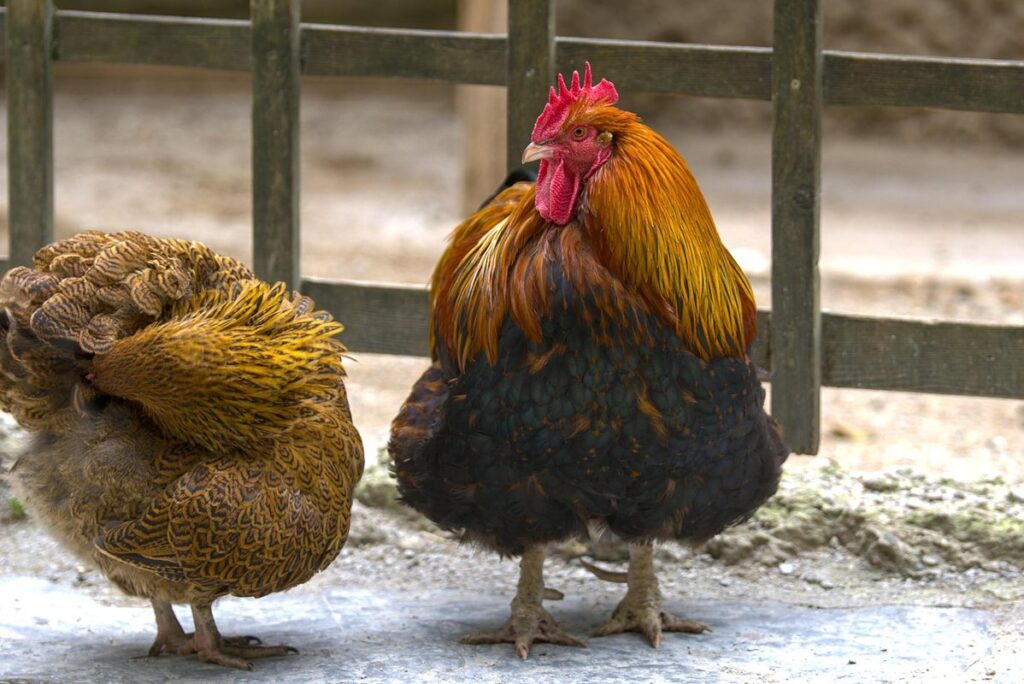
The silver laced wyandotte rooster is a majestic sight to behold, with its striking plumage and bold personality. One of the first things you’ll notice about this breed is their size – they typically weigh between 8-12 pounds, making them a medium-sized rooster that’s perfect for backyard flocks.
Their plumage is truly one of a kind, featuring a beautiful silver lacing pattern on a white background. The feathers are long and flowing, with a subtle sheen that catches the light. But it’s not just their looks that make them stand out – silver laced wyandotte roosters are also known for their confident and friendly temperament.
They’re naturally curious birds who love to explore their surroundings, but they can also be a bit mischievous at times. With proper socialization and training, however, they make wonderful additions to any flock. In fact, one of the best ways to keep them happy and healthy is to provide plenty of space to roam and exercise – whether it’s in a large backyard or a spacious coop.
When choosing a silver laced wyandotte rooster for your flock, look for birds with bright, alert eyes and a bold strut. Avoid those that appear skittish or aggressive, as they may be more prone to behavioral issues. With patience, proper care, and attention to their needs, you’ll have a loyal companion in no time.
Some other notable features of the silver laced wyandotte rooster include their:
* Rich, melodious crowing that’s sure to wake up the neighborhood
* Impressive comb and wattles, which are a deep red color
* Long, pointed tail feathers that add to their overall striking appearance
Overall, the silver laced wyandotte rooster is a stunning and charismatic breed that’s sure to capture your heart. With proper care and attention, they’ll thrive in any backyard flock – but be prepared for plenty of personality and charm!
Breeding and Raising the Silver Laced Wyandotte
If you’re planning to breed silver laced wyandottes, it’s essential to understand their unique characteristics and needs when raising them from chicks. This section covers the specifics of breeding and raising these beautiful birds.
Choosing the Right Hens for a Flock
When selecting hens for mating with your Silver Laced Wyandotte rooster, breeders should prioritize genetic diversity to maintain a healthy and thriving flock. This is particularly important in breeding programs where the goal is to produce high-quality offspring.
Genetic diversity ensures that the bloodline remains robust and resilient against diseases and environmental stressors. Aiming for a minimum of 20-30% genetic diversity is recommended, although some breeders may choose to aim higher. To achieve this, look for hens with distinct physical characteristics or traits not present in your existing flock.
Consider sourcing hens from reputable breeders who prioritize genetic integrity. You can also explore cross-breeding with other breeds to introduce new genes and expand your gene pool. When introducing new birds to your flock, be sure to quarantine them for a minimum of 30 days to prevent disease transmission.
Ultimately, maintaining genetic diversity is crucial for the long-term success of your breeding program and the overall health of your flock. By making informed choices when selecting hens, you can create a balanced and thriving gene pool that will benefit future generations of Silver Laced Wyandotte chickens.
Nutrition and Health Considerations for Young Chicks
When it comes to raising young Silver Laced Wyandotte chicks, their nutritional needs are of utmost importance. During the first few weeks of life, these little ones need a specialized starter feed that’s high in protein and energy to support their rapid growth and development. You can find starter feeds specifically formulated for young chickens at most poultry suppliers or online retailers.
It’s also crucial to ensure your chicks have access to fresh water at all times. Dehydration can be a major issue, especially during the first few weeks when they’re still adjusting to their new surroundings. A good rule of thumb is to provide one waterer per 10-15 chicks, and make sure it’s easily accessible.
Some common health issues that may arise during this period include brooder pneumonia, coccidiosis, and pasty butt (a condition where droppings stick to the chick’s vent). To prevent these issues, keep the brooder clean and dry, provide adequate ventilation, and make sure your chicks are getting enough fresh air. Regularly check for signs of illness or stress, such as labored breathing, loss of appetite, or lethargy.
Care and Management of Silver Laced Wyandotte Roosters
When it comes to caring for your silver laced wyandotte rooster, proper management is crucial to maintain their health and well-being, as they can be quite energetic. This section will cover essential tips on feeding, grooming, and providing adequate space.
Housing and Environmental Requirements
When it comes to housing and environmental requirements for Silver Laced Wyandotte roosters, you’ll want to prioritize space, lighting, and ventilation. A good rule of thumb is to provide at least 3-4 square feet of floor space per bird inside the coop, with an additional 2-3 square feet of outdoor enclosure or run.
When designing your coop, consider a layout that allows for easy cleaning and access to nesting boxes (if you’re keeping hens). A recommended coop size is around 2×4 feet for a small flock. Ensure the coop has adequate ventilation through windows, vents, or mesh panels to prevent ammonia buildup from droppings.
Proper lighting is also crucial, providing natural light during the day and artificial lighting at night to simulate daylight hours. You can use LED lights or traditional bulbs, but be mindful of energy consumption and heat generation. To keep your Silver Laced Wyandotte roosters happy and healthy, prioritize a balanced environment with adequate space, ventilation, and lighting.
Some chicken owners also swear by adding features like perches, dust baths, and scratching posts to provide mental stimulation and exercise for their birds. Don’t forget to consider the local climate when planning your coop design – in warmer regions, you may want to incorporate more shading or insulation to keep your flock cool.
Feeding and Supplementing Your Flock
When it comes to feeding and supplementing your Silver Laced Wyandotte rooster flock, providing a balanced diet is crucial for their overall health and well-being. A high-quality commercial layer feed should be the main staple of their diet, supplemented with fresh fruits and vegetables to ensure they receive essential vitamins and minerals. For example, adding leafy greens like kale or spinach can provide a boost of iron and calcium.
As your roosters age, their dietary needs change. Younger birds require more protein to support growth and development, while older birds may benefit from a lower-protein diet to reduce the risk of kidney stones. It’s also essential to consider health conditions such as feather pecking or egg-laying disorders when selecting supplements.
Some popular supplement options for Silver Laced Wyandottes include probiotics to support digestive health and omega-3 fatty acids to promote skin and feather health. Always introduce new supplements gradually to avoid upsetting the flock’s delicate balance, and consult with a veterinarian if you’re unsure about the best course of action. By providing a balanced diet and supplementing accordingly, you can help keep your roosters healthy and thriving.
Health Issues Specific to Silver Laced Wyandotte Roosters
Silver Laced Wyandotte roosters can be prone to certain health issues due to their genetic makeup and breeding history, so it’s essential to understand these potential problems. Knowing what to watch out for will help you provide the best care possible for your bird.
Common Health Concerns in this Breed
One of the most pressing concerns for Silver Laced Wyandotte rooster owners is their predisposition to respiratory problems. These can range from mild conditions such as snoring and coughing to more severe issues like chronic bronchitis and pneumonia. Factors contributing to this issue include genetics, environmental factors, and poor air quality within the coop.
Another common concern in Silver Laced Wyandottes are feather pecking behaviors. This self-destructive habit can be caused by stress, boredom, or a lack of stimulation within the flock’s environment. Feather pecking is not only aesthetically displeasing but also poses health risks as birds may develop infections from picking at their own feathers.
To mitigate these issues, it is essential for Silver Laced Wyandotte owners to maintain a clean and spacious coop with adequate ventilation. This can be achieved through regular cleaning of litter, proper airflow, and ensuring sufficient space per bird. Providing enriching activities and maintaining a balanced social structure within the flock are also crucial steps in preventing feather pecking behaviors.
Regular health checks by a veterinarian will help identify any potential problems early on, allowing for timely intervention to prevent these conditions from escalating into more serious issues. By prioritizing your Silver Laced Wyandotte rooster’s environment and providing adequate care, you can significantly reduce the risk of developing respiratory problems and feather pecking behaviors.
Managing Parasites and Pests in the Flock
As a silver laced wyandotte rooster owner, it’s essential to monitor your flock for signs of parasites and pests. These unwanted visitors can cause significant stress and discomfort for your birds, leading to decreased egg production, poor feather condition, and even health issues. So, how do you identify the culprits?
Check for mites on the roosters’ legs, vents, and under their wings. Look for tiny, moving dots or a fine dusting of debris in these areas. Lice are another common issue, often seen as small, white eggs attached to the rooster’s feathers near the vent area.
To manage infestations, start by providing a clean and dry environment. Remove soiled bedding, disinfect feeders and waterers, and ensure adequate ventilation. Treat affected birds with medicated powders or sprays specifically designed for poultry parasites.
Regular health checks can also help you catch issues early on. Inspect your roosters daily for signs of discomfort, such as excessive scratching, feather loss, or changes in behavior. With prompt action and proper management, you can keep your silver laced wyandotte rooster flock healthy and thriving.
Breeding Programs and Egg Production
If you’re planning to breed your Silver Laced Wyandotte rooster, understanding breeding programs is crucial for maintaining healthy genetics. This section will explore the key aspects of egg production and breeding programs relevant to this magnificent breed.
Understanding Rooster Selection in a Breeding Program
When it comes to breeding programs, selecting the right roosters is crucial for maintaining a healthy and productive flock. In fact, a good rooster can make all the difference between success and failure in a breeding program.
Breeders look for specific characteristics when choosing roosters for their breeding stock. First and foremost, they want roosters that are true to type – meaning they exhibit the desired breed characteristics. For Silver Laced Wyandottes, this means selecting roosters with exceptional plumage quality, including a beautiful silver-gray lacing pattern on their feathers.
Other key characteristics include excellent fertility, vigor, and temperament. A rooster should be able to mate multiple hens successfully and have good overall health. Breeders also consider the rooster’s ability to lead the flock confidently and gently. In terms of genetics, breeders often look for diversity in their breeding stock to avoid genetic drift and maintain a robust gene pool.
When selecting a Silver Laced Wyandotte rooster for your breeding program, prioritize these characteristics and look for individuals that excel in multiple areas. This will help ensure the health, productivity, and overall quality of your flock.
Silver Laced Wyandotte Rooster Temperament and Performance
When it comes to breeding programs, silver laced Wyandotte roosters are highly regarded for their exceptional performance as sires. Their fertility rates are among the highest in heritage breeds, with some reports showing up to 90% hatchability rates when paired with quality hens. This is largely due to their robust constitution and excellent health.
In terms of offspring quality, silver laced Wyandotte roosters sire chicks that consistently exhibit the breed’s characteristic traits, including vibrant plumage and impressive comb development. Their progeny often demonstrate exceptional feathering, which makes them popular in backyard flocks where appearance is a priority.
One key consideration when using silver laced Wyandotte roosters as sires is their tendency to produce a high percentage of females. This can be beneficial for breeders looking to expand their flock’s female population or increase egg production. However, it may also lead to an imbalance in sex ratios if not managed carefully.
To maximize the potential of silver laced Wyandotte roosters as sires, breeders should focus on selecting hens with desirable traits and maintaining a healthy, stress-free environment during breeding season.
Frequently Asked Questions
How do I introduce a new Silver Laced Wyandotte rooster to my existing flock?
When introducing a new rooster, it’s essential to ensure a smooth transition for all birds. Start by keeping the new rooster isolated for a few days before integrating him into the main coop. Monitor his behavior and adjust the introduction process accordingly. Gradually introduce them under close supervision, watching for signs of aggression or stress.
What are some common health issues specific to Silver Laced Wyandotte roosters?
Silver Laced Wyandottes can be prone to certain health issues like respiratory problems, frostbite, and feather pecking. Regularly inspect their feathers and beak to prevent such issues. Provide adequate ventilation, dust-free bedding, and a balanced diet rich in essential nutrients.
How do I balance the diet of my Silver Laced Wyandotte rooster?
To ensure optimal health, provide your rooster with a high-quality commercial layer feed supplemented with fresh fruits and vegetables. Avoid overfeeding, as this can lead to obesity. A good starting point is 1/4 cup of mixed grains per day for each bird.
Can I keep Silver Laced Wyandotte roosters in small backyards?
While it’s technically possible, consider the space requirements for these birds. Roosters need room to move around and exercise regularly. Ensure your backyard provides at least 10 square feet per bird for a happy and healthy flock.
How often should I collect eggs from my Silver Laced Wyandotte hens?
Collecting eggs daily is essential for maintaining a clean coop and promoting egg production. Remove any broken or infertile eggs to encourage the hens to continue laying fertile eggs.