
Are you fascinated by the unique charm of Silver Laced Wyandottes? These stunning birds have captured the hearts of many poultry enthusiasts with their striking appearance, gentle nature, and impressive egg-laying abilities. But beyond their good looks, Silver Laced Wyandottes offer a wealth of knowledge for anyone interested in backyard chicken-keeping or competitive breeding. In this article, we’ll delve into the origins and history of this beloved breed, exploring its physical characteristics, temperament, and specific needs when it comes to breeding and health considerations. We’ll also provide expert tips on preparing your Silver Laced Wyandotte for showtime and offer practical advice on how to raise and care for these amazing birds in a home environment.
Origins and History of the Silver Laced Wyandotte
The Silver Laced Wyandotte breed has a rich history that spans over 100 years, with its origins rooted in the late 19th-century poultry shows. Let’s take a journey back to discover where it all began.
Early Development and Purpose
The silver laced wyandotte‘s origins date back to the late 19th century when poultry enthusiasts began experimenting with various breeds to create a high-producing, stunning bird. One of their primary goals was to develop an egg-laying champion that could thrive in small farms and backyards. To achieve this, they crossed the Silver Penciled Wyandotte with other breeds, resulting in the silver laced wyandotte we know today.
Initially designed for egg production, these birds were bred to be prolific layers, capable of producing around 200 large brown eggs per year. Their eggs are not only abundant but also prized for their rich brown color and firm texture. Over time, breeders began selecting for additional traits such as their striking silver lacing pattern on a background of white or light gray feathers.
Through careful selection and breeding, the silver laced wyandotte’s egg-laying prowess was refined, making them an ideal choice for small-scale farmers and backyard enthusiasts seeking to supplement their family’s diet with fresh, locally produced eggs. Their adaptability and charming appearance have only added to their popularity, solidifying their place among the most beloved heritage breeds today.
Key Characteristics of the Breed in Its Formative Years
In its formative years, the Silver Laced Wyandotte breed was defined by several key characteristics that set it apart from other poultry breeds. One of the most notable traits was its exceptional egg-laying capacity. These birds were bred to produce a high volume of large, brown eggs with excellent quality, making them an attractive choice for commercial farmers and backyard enthusiasts alike.
As a result of their hardiness and adaptability, Silver Laced Wyandottes were able to thrive in a variety of environments and conditions. They were originally developed on the American Great Lakes region’s rugged terrain, where they had to withstand harsh winters, heatwaves, and limited access to food and water. This resilience has been passed down through generations, making them one of the most hardy breeds available today.
Their robust build and feathering also made them resistant to diseases and parasites, reducing the need for extensive veterinary care. With proper care and management, Silver Laced Wyandottes can live up to 10-12 years in some cases, producing a steady supply of eggs throughout their lifespan.
Physical Characteristics of the Silver Laced Wyandotte
When it comes to the Silver Laced Wyandotte’s physical characteristics, you’ll be struck by their stunning appearance, from their gleaming silver lacing to their elegant plumage. Let’s take a closer look at what makes them so breathtakingly beautiful.
Plumage and Color Variations
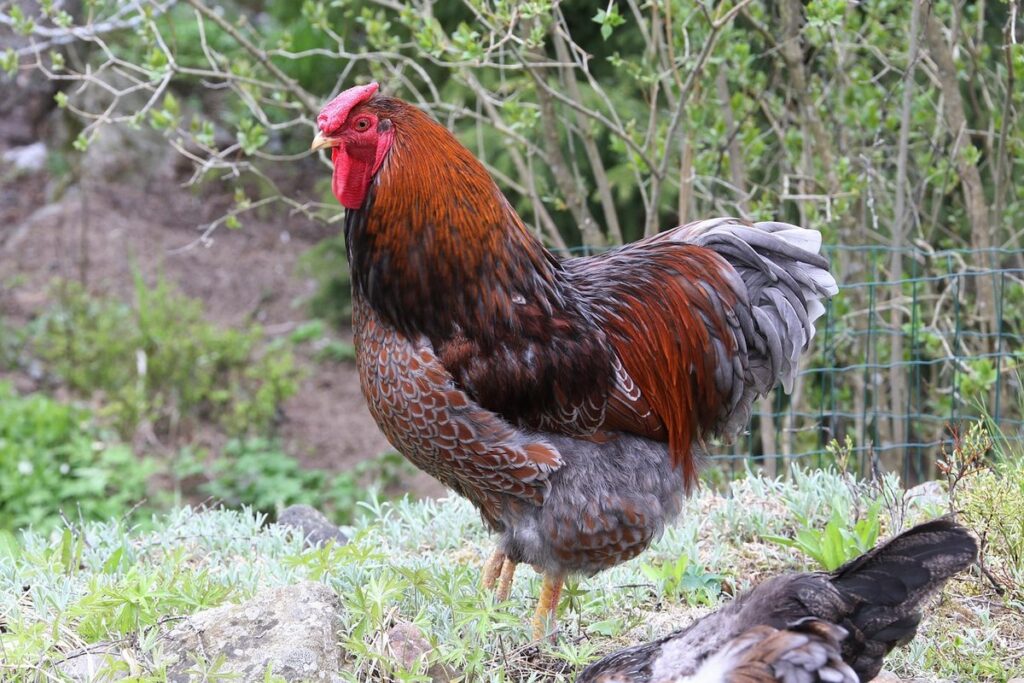
When it comes to their stunning plumage, Silver Laced Wyandottes truly stand out from other breeds. One of the most distinctive features of this breed is the silver lacing pattern that adorns their black or blue-black feathers. This intricate design gives them an air of elegance and sophistication, making them a popular choice among backyard chicken keepers.
The silver lacing pattern can vary in intensity and distribution across the bird’s body, but it’s typically most pronounced on the wings, tail, and neck. Some birds may have a more subtle lacework effect, while others may display a bold, irregular pattern. As you get to know your Silver Laced Wyandotte, you’ll likely notice that their plumage can change with the seasons – with the lacing becoming even more vibrant during the spring and summer months.
In terms of color variations, some breeders have developed a range of shades within the Silver Laced Wyandotte family. For example, the Blue Laced Red is a variation that features a deeper blue undertone to their feathers, while others may exhibit a more intense red or golden tint. Whether you’re interested in breeding for specific colors or simply want to add some visual interest to your flock, understanding the nuances of plumage and color variations can be a fascinating hobby – and a great way to get up close and personal with these beautiful birds!
Size and Build
The Silver Laced Wyandotte is a medium-sized breed, known for its sturdy build and balanced proportions. On average, they stand between 19 and 20 inches tall at the shoulder, with some males reaching up to 21 inches in height. When it comes to weight, roosters typically weigh between 6-7 pounds, while hens tip the scales at around 5-6 pounds.
In terms of body structure, the Silver Laced Wyandotte has a broad chest and well-sprung ribs, providing ample space for their lungs to expand during breathing. Their strong legs are supported by sturdy feet with four toes, making them well-suited for scratching and perching. The breed’s compact, muscular build allows them to move easily around the coop or out in the yard.
When selecting a Silver Laced Wyandotte, look for birds with a balanced body structure and good bone density. This can be done by checking the bird’s overall shape, including the width of their chest and the length of their wings. A well-proportioned bird will have a strong, athletic appearance that suggests they’ll be able to thrive in your backyard flock.
Other Recognizable Features
In addition to their striking silver laced feathers, there are several other physical characteristics that set the Silver Laced Wyandotte apart from other breeds. One of the most noticeable features is their large and well-rounded bodies, which make them a majestic sight to behold. They typically weigh between 7-10 pounds and stand around 16-18 inches tall, giving them a sturdy yet compact appearance.
Another distinctive feature of the Silver Laced Wyandotte is their single comb, which is medium-sized and neatly placed on top of their heads. Their beak is short and straight, adding to their overall dapper look. When it comes to egg-laying, hens of this breed are known for producing around 200-220 brown eggs per year, making them a popular choice among backyard farmers.
Their feathers are another area where the Silver Laced Wyandotte truly shines. Not only do they have that beautiful silver lacing on their bodies, but they also have clean and well-defined edges on their wings and tail. Overall, these birds exude a sense of elegance and refinement that’s hard to find in other breeds.
Personality Traits and Temperament
As you get to know the Silver Laced Wyandotte, their unique personality traits and temperament will become just as striking as their stunning plumage. Let’s dive into what makes this breed so charming and endearing.
Friendliness and Affection Level
When it comes to personality traits and temperament, the Silver Laced Wyandotte truly shines. One of its most notable characteristics is its incredible ability to form strong bonds with humans. These birds are known for their friendly and affectionate nature, making them a perfect fit for families or individuals looking for a feathered companion.
In fact, many Silver Laced Wyandotte owners report that their birds will often follow them around the house, seeking attention and interaction. They’re also highly social and enjoy being part of a flock, but they can easily adapt to life as a solo pet with proper attention and care.
While some breeds may have aggression issues, the Silver Laced Wyandotte is generally a gentle and even-tempered bird. However, it’s essential for potential owners to understand that these birds do require regular socialization and training from an early age to ensure they remain friendly and well-adjusted as adults.
By providing your Silver Laced Wyandotte with plenty of attention, exercise, and mental stimulation, you’ll be rewarded with a loyal and loving companion that will bring joy and beauty into your life for years to come.
Docility and Handling Ease
When it comes to handling Silver Laced Wyandottes, you’ll find that they are generally docile and easy-going birds. This temperament makes them an excellent choice for families with children or for experienced chicken keepers who want a low-maintenance flock member.
One of the key characteristics of Silver Laced Wyandottes is their gentle nature. They are not known to be aggressive, even in defense of their territory, which means they can get along well with other birds and even pets like dogs and cats. However, as with any bird breed, it’s essential to introduce them to new environments and animals gradually to prevent stress.
In terms of handling requirements, Silver Laced Wyandottes are relatively lightweight, weighing between 6-8 pounds on average. This makes them easy to lift and handle, even for smaller or less experienced chicken keepers. To ensure you’re handling your Silver Laced Wyandotte safely and humanely:
* Support their body and wings when lifting
* Hold them securely but gently in your arms
* Be patient with them if they appear stressed or resistant to being handled
By following these simple guidelines, you can build a trusting relationship with your Silver Laced Wyandotte and enjoy the benefits of having this wonderful breed as part of your flock.
Social Structure within Flocks
Silver laced wyandottes are known for their charming personalities, and when it comes to social structure within flocks, they tend to adapt well to different settings. In a flock setting, silver laced wyandottes often take on leadership roles due to their assertive nature, but this doesn’t mean they’re aggressive – quite the opposite.
They’re natural peacemakers, and their calm demeanor helps maintain harmony among other birds. However, it’s essential to introduce them slowly into an existing flock to avoid any territorial conflicts or dominance issues.
One way to ensure a smooth transition is by introducing young silver laced wyandottes alongside established birds, allowing them to learn from each other and develop a sense of hierarchy naturally. This approach helps prevent any potential stress or aggression that can arise when integrating new members into the flock.
By recognizing their leadership traits and giving them space to lead, you’ll find your flock becomes more cohesive and dynamic under the silver laced wyandotte’s guidance.
Breeding and Raising Silver Laced Wyandottes
When it comes to bringing up your own silver laced wyandotte chicks, understanding the ins and outs of breeding and raising them is crucial. We’ll walk you through the key considerations for success in this process.
Establishing Healthy Breeding Stock
When it comes to establishing healthy breeding stock for Silver Laced Wyandottes, selecting the right birds is crucial. This involves not only choosing individuals with desirable characteristics but also ensuring their health and genetic diversity. Start by looking for birds that have been well-cared for, are free from signs of illness or stress, and have a robust immune system.
Conducting regular health checks on your breeding stock can help identify any potential issues early on. This should include monitoring their behavior, diet, and environmental conditions. You should also keep detailed records of their lineage, including pedigree information and genetic testing results. This will help you make informed decisions when selecting birds for breeding and ensure the overall quality of your flock.
Genetic diversity is just as important as individual health. A diverse gene pool can help prevent the spread of diseases within your flock and improve overall fertility rates. To achieve this, consider introducing new bloodlines or working with other breeders to exchange genetic material. This will not only enhance the health and vigor of your birds but also preserve the unique characteristics that make Silver Laced Wyandottes so appealing.
When selecting breeding stock, prioritize individuals that exhibit desirable traits such as strong egg-laying ability, gentle temperament, and striking plumage. Avoid inbreeding or linebreeding, which can lead to reduced fertility and increased susceptibility to disease. Instead, focus on choosing birds with a balanced genetic makeup and a healthy, robust appearance.
To ensure the health of your offspring, maintain strict biosecurity protocols within your coop, including proper cleaning and disinfection practices. This will help prevent the spread of diseases and minimize the risk of infection. Regularly monitoring the overall health and well-being of your flock will also enable you to make informed decisions about breeding pairs and identify any potential issues early on.
In addition to selecting healthy birds, maintaining a clean and well-ventilated coop is crucial for promoting the health and well-being of your breeding stock. This includes providing adequate space, fresh food and water, and regular exercise opportunities. By prioritizing the health and genetic diversity of your Silver Laced Wyandottes, you can enjoy strong egg-laying rates, robust fertility, and stunning plumage in your offspring.
When evaluating a potential breeding bird’s health, look for signs such as shiny feathers, bright eyes, and a strong, active demeanor. Avoid birds with dull or ruffled feathers, runny eyes, or lethargy. Regularly performing health checks on your flock will also enable you to identify any potential issues early on and take corrective action.
Prioritizing genetic diversity is essential for maintaining the long-term health of your Silver Laced Wyandotte flock. This can be achieved by introducing new bloodlines or working with other breeders to exchange genetic material. By doing so, you can enhance the health, vigor, and fertility of your birds while preserving the unique characteristics that make this stunning breed so appealing.
When selecting breeding stock, it’s essential to consider not only their individual traits but also their overall contribution to the gene pool. Focus on choosing birds with a balanced genetic makeup and a healthy appearance, rather than those with specific desirable characteristics.
To minimize the risk of disease transmission within your coop, maintain strict biosecurity protocols, including proper cleaning and disinfection practices. This will help prevent the spread of diseases and promote a healthy environment for your breeding stock.
Housing and Environmental Considerations
When it comes to housing and environmental considerations for silver laced wyandottes during their rearing period, there are several key factors to keep in mind. First and foremost, these birds require ample space to move around and exercise, which is essential for their overall health and well-being.
A good rule of thumb is to provide at least 2-3 square feet of floor space per bird, with adequate ventilation and lighting. You’ll also want to ensure that the coop has easy access to fresh air, water, and food. Consider using a coop design that allows for natural light and airflow, such as a slanted roof or windows.
In terms of specific features, silver laced wyandottes appreciate having perches and roosting bars at different heights to mimic their natural environment. They also require adequate nesting boxes, with one box provided for every 3-4 hens. Make sure the nesting boxes are easy to clean and maintain, as this will help keep your birds healthy and happy.
When it comes to temperature control, silver laced wyandottes can tolerate a range of temperatures but prefer a warm and draft-free environment during the rearing period. A temperature range of 60-80°F (15-27°C) is ideal, with adequate insulation to maintain a stable climate.
Nutrition and Care Requirements
When it comes to feeding and caring for your Silver Laced Wyandottes, understanding their specific needs is crucial. A balanced diet is essential, and you should provide a high-quality layer feed that’s rich in protein and calcium. The ideal feed for Wyandottes is 16-18% protein and 3.5-4% calcium. A good rule of thumb is to offer free-choice access to oyster shells, which will help them meet their calcium needs.
You should also consider supplementing with treats like mealworms, sunflower seeds, or fresh fruits and vegetables. However, avoid overfeeding, as this can lead to obesity and related health issues. A good starting point for feeding is 1/4 pound of feed per bird per day, adjusted according to their age and egg production.
In addition to nutrition, ensure your Wyandottes have access to clean, fresh water at all times. Change the water frequently to prevent bacterial growth, and consider using a waterer with an ant-moisture system to keep it clean.
It’s also essential to provide enough space for your birds to move around and engage in natural behaviors like scratching and dust bathing. This will help maintain their overall health and happiness.
Health Considerations and Common Issues
As you consider adding a silver laced Wyandotte to your flock, it’s essential to understand some potential health considerations and common issues that can affect these birds.
Inherited Tendencies or Susceptibilities
As you delve into the world of Silver Laced Wyandottes, it’s essential to consider their inherited tendencies and susceptibilities that may impact their longevity. This breed is prone to certain health issues due to its genetic makeup. For instance, they can be susceptible to obesity, which can lead to various secondary health problems such as diabetes and heart disease. Regular exercise and a balanced diet are crucial in maintaining your Silver Laced Wyandotte’s weight.
Another concern is their susceptibility to Marek’s disease, a viral condition that affects young birds. To minimize this risk, it’s vital to maintain a clean and healthy environment for your flock, ensuring they have access to fresh air, water, and nutritious feed. Additionally, regular vaccinations can provide an added layer of protection. Monitor your bird’s overall health closely and consult with a veterinarian if you notice any signs of illness or stress.
It’s also worth noting that Silver Laced Wyandottes can be prone to inherited conditions such as spinal muscular atrophy (SMA) and hypothyroidism. Responsible breeding practices, combined with regular health checks, can help mitigate these risks.
Recognized Diseases within the Breed Group
As with many breeds, silver laced wyandottes can be prone to certain health issues. One of the most recognized diseases within this breed group is Marek’s disease, a viral infection that affects the immune system and can lead to symptoms such as paralysis, tremors, and loss of vision.
Another common issue affecting silver laced wyandottes is respiratory problems, often caused by their large size and feathered bodies. This can make it difficult for them to breathe, especially during hot weather or strenuous activities.
In managing these conditions, it’s essential for breeders and owners to prioritize good husbandry practices, such as providing a clean and spacious environment, regular exercise, and proper ventilation. Additionally, maintaining a healthy weight through balanced nutrition is crucial in reducing the risk of respiratory issues.
Regular check-ups with a veterinarian can also help identify potential health problems early on, allowing for prompt treatment and management. By being aware of these potential risks and taking proactive steps, silver laced wyandotte owners can help ensure their birds live long and healthy lives.
Preventive Measures for Maintaining Health
As a responsible breeder and owner of Silver Laced Wyandottes, it’s essential to prioritize their health and well-being. This stunning breed is prone to certain health issues, such as obesity, respiratory problems, and reproductive health concerns. To prevent these issues, maintain a regular exercise routine that includes daily walks, playtime in the coop, and foraging activities. A balanced diet with high-quality feed, supplemented with fresh fruits and vegetables, will also help keep your Silver Laced Wyandotte healthy.
Consider the following tips to promote overall health:
• Monitor their weight regularly and adjust feeding habits accordingly.
• Provide a clean and well-ventilated living space to prevent respiratory issues.
• Practice good hygiene, including regular cleaning of the coop and equipment.
• Schedule annual check-ups with a veterinarian experienced in poultry care.
• Keep records of vaccinations, medical treatments, and breeding history.
By taking proactive steps to maintain your Silver Laced Wyandotte’s health, you can enjoy many happy years together.
Show Preparation and Care
To ensure your silver laced wyandottes look their absolute best at any show, proper preparation and care are essential, from grooming to health checks. We’ll cover these crucial steps in detail here.
Grooming and Preparing Birds for Shows
When it’s time for your silver laced wyandottes to strut their stuff on the show circuit, proper grooming and preparation are crucial. To get your birds looking their absolute best, start by paying attention to their overall cleanliness. This includes keeping their coop clean and well-ventilated, as well as regularly cleaning their food and water dishes.
A bird’s plumage is its crowning glory, so make sure to give it the TLC it deserves. Use a soft-bristled brush or a grooming glove to gently remove any tangles or mats from your silver laced wyandotte’s feathers. Pay particular attention to areas around the vent, wings, and tail, as these can be prone to matting.
For competitive shows, it’s essential to have your birds looking their absolute best. This means paying close attention to their weight, size, and feather quality. Make sure they’re at an ideal weight for their age and sex, and that their feathers are well-maintained and evenly distributed.
In the days leading up to a show, focus on keeping your silver laced wyandottes calm and relaxed. Provide plenty of fresh water, healthy food, and regular exercise to help reduce stress levels. With proper care and attention, your silver laced wyandottes will be looking like champions in no time!
Tips for Success in Breeding and Raising Competition-Ready Stock
Developing birds that excel in show settings requires careful attention to their breeding and upbringing. When it comes to silver laced wyandottes, selecting the right parents is crucial for producing high-quality offspring. Look for birds with excellent temperament, strong build, and striking plumage. A well-balanced pairing will increase the chances of producing chicks with desirable traits.
In addition to genetic selection, proper care and management play a significant role in raising competition-ready stock. Ensure that your birds receive a nutritious diet, plenty of fresh water, and regular exercise. Provide a safe and stimulating environment, including adequate space for flight and socialization.
Regular grooming is also essential for showcasing the silver laced wyandotte’s unique characteristics. Practice feather care by gently brushing their feathers to maintain their natural shine and prevent matting. This attention to detail will not only enhance their appearance but also contribute to their overall health and well-being.
Frequently Asked Questions
What is the ideal flock size for raising Silver Laced Wyandottes?
For optimal health, socialization, and egg production, it’s recommended to start with a minimum of three Silver Laced Wyandotte birds, ensuring each has a companion. As your flock grows, consider maintaining a ratio of no more than 1 bird per 2-3 square feet of space. This will help prevent overcrowding and stress on the birds.
How often should I collect eggs from my Silver Laced Wyandottes?
Silver Laced Wyandottes are prolific layers, producing around 200 large to extra-large brown eggs per year. To encourage continued egg production and maintain cleanliness, collect eggs at least twice a day, ideally in the morning and late afternoon when they’re most active.
Can I keep Silver Laced Wyandottes with other breeds, or do they require exclusive space?
While Silver Laced Wyandottes can thrive in mixed flocks, it’s essential to introduce them gradually and under close supervision. Introducing birds from different breeds can lead to conflicts, especially if you’re raising chickens for competition. Ensure compatibility by starting with similar-aged birds and monitoring behavior closely.
What are the most common health issues affecting Silver Laced Wyandottes?
As a breed prone to certain genetic conditions, regular veterinary check-ups and maintaining good flock hygiene are crucial. Look out for signs of respiratory problems, tumors, and reproductive issues. Regular vaccinations, parasite control, and nutritional management can significantly reduce the risk of these complications.
How do I determine if my Silver Laced Wyandotte is a true breed or not?
To ensure you’re breeding or raising pure-bred Silver Laced Wyandottes, verify your birds’ lineage through reputable breed associations. Check for registration papers and ask questions about the breeder’s experience with the specific bloodlines. Consult with experienced breeders or poultry experts if you’re unsure about identifying genuine Silver Laced Wyandottes.