
Are you considering adding some elegant charm to your backyard with Silver Wyandotte hens? These stunning birds are not only visually striking but also known for their friendly and docile nature. Originating from England in the late 19th century, the Silver Wyandotte has become a popular choice among chicken enthusiasts due to its impressive egg-laying abilities and low maintenance requirements.
If you’re new to raising chickens or looking to expand your flock with these gorgeous birds, this article is for you. We’ll dive into the essential care and breeding tips to help you raise thriving Silver Wyandotte hens. From providing optimal housing and nutrition to understanding their behavior and egg production, we’ll cover everything you need to know to successfully keep these beautiful birds in your backyard.
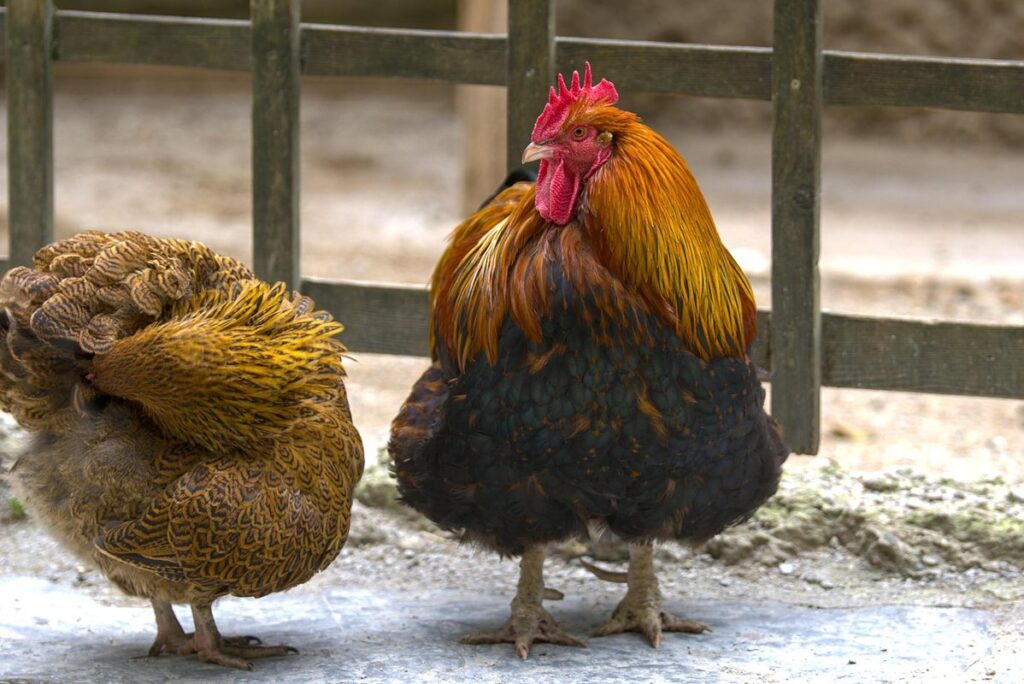
Introduction to the Silver Wyandotte Hen
Let’s dive right into the fascinating world of the silver wyandotte hen, and get started with understanding the breed’s unique characteristics and traits. We’ll explore what makes them special.
Origin and History of the Breed
The Silver Wyandotte hen has its roots in the 19th century, specifically during the Industrial Revolution. This was a time of great change and innovation, not just for humans but also for animals. Breeders began experimenting with different fowl to create new varieties that could thrive in smaller spaces.
One such breeder was William Cook, an Englishman who created the Wyandotte breed in 1885. The Silver Wyandotte hen is a variation of this original breed, developed by crossing Wyandottes with other birds like the Silver Spangled Hamburg. This mixing and matching of genes resulted in a bird that’s both beautiful to look at and capable of producing an impressive amount of eggs.
In terms of its evolution into a popular backyard chicken breed, the Silver Wyandotte hen gained recognition for its stunning appearance, friendly demeanor, and good egg-laying abilities. By the early 20th century, it had become a favorite among many poultry enthusiasts, who prized its unique silver feathers and affectionate nature.
Characteristics of the Silver Wyandotte Hen
When it comes to the physical appearance and temperament of the Silver Wyandotte Hen, there are several characteristics that set them apart from other breeds. One of the most distinctive features of this breed is their beautiful plumage, which consists of a striking silver-gray coat with a subtle sheen. Hens typically weigh between 5-6 pounds and stand about 20 inches tall, making them a medium-sized breed.
In terms of temperament, Silver Wyandotte Hens are known for being friendly, docile, and easy-going. They’re often described as gentle giants, and they tend to get along well with other chickens in the flock. However, it’s worth noting that some individuals can be a bit more assertive than others, so it’s essential to introduce them to your existing flock slowly and under close supervision.
Overall, Silver Wyandotte Hens make an excellent choice for backyard chicken keepers who want a low-maintenance but visually stunning bird. With their striking appearance and calm demeanor, they’re sure to be a beloved addition to any flock.
Housing and Care for Silver Wyandotte Hens
When it comes to caring for your Silver Wyandotte hen, providing a suitable living space is crucial. Here’s what you need to know about creating a happy and healthy environment for your feathered friend.
Providing Suitable Enclosures
When it comes to housing and caring for Silver Wyandotte hens, providing suitable enclosures is crucial. These beautiful birds require ample space to roam and exercise, which can be challenging to achieve without sufficient coop design and layout planning.
A good rule of thumb is to provide at least 3-4 square feet of space per hen inside the coop, with additional room for nesting boxes and perches. For Silver Wyandotte hens, it’s also essential to consider their love of scratching and dust bathing, so a spacious run or enclosed area is vital.
When designing your coop, prioritize ventilation, natural light, and easy cleaning access. A well-placed window or skylight can make a significant difference in the hens’ overall health and happiness. Consider incorporating nesting boxes with soft bedding, such as straw or wood shavings, to provide comfort during egg-laying.
In terms of layout, think about creating separate areas for feeding, drinking, and roosting to keep your flock organized and stress-free. By providing a suitable enclosure that meets the Silver Wyandotte hen’s specific needs, you’ll be rewarded with happy, healthy birds and an abundance of fresh eggs.
Nutrition and Health Considerations
When it comes to ensuring the health and well-being of your Silver Wyandotte hens, nutrition plays a crucial role. These birds are known for their robust build and high energy levels, but they still require a balanced diet that meets their specific needs.
A healthy adult Silver Wyandotte hen should be fed 1/4 to 1/2 pound of layer pellets per day, supplemented with fresh fruits and vegetables daily. You can also offer them whole grains like oats or barley as treats in moderation. It’s essential to provide a calcium-rich diet to support strong eggshell production and bone health.
Some common health issues affecting Silver Wyandottes include feather pecking and cannibalism, which can be managed by providing adequate nesting boxes and perches. Respiratory problems are also a concern, especially during extreme weather conditions, so ensure good ventilation in their coop.
Regular check-ups with your veterinarian will help identify any potential issues early on, allowing you to make necessary adjustments to your hen’s diet or environment as needed. By paying attention to these nutritional needs and health concerns, you’ll be able to keep your Silver Wyandottes happy, healthy, and thriving.
Breeding and Raising Silver Wyandotte Hens
When it comes to raising a flock of silver wyandottes, understanding how to breed and raise these stunning hens is crucial for success. This section will guide you through the process step by step.
Understanding Sexing and Genetics
When it comes to breeding and raising Silver Wyandotte hens, understanding sexing techniques and genetics is crucial. Sexing chicks can be a challenge, but with the right knowledge, you’ll be able to identify males from females accurately. For Silver Wyandotte chicks, sexing typically involves checking for combs: males have larger, more pronounced combs than females. However, this method isn’t foolproof and requires some experience.
Genetics play a significant role in breeding programs, and selecting for desirable traits is essential. When breeding Silver Wyandottes, you’ll want to focus on characteristics like egg-laying capacity, temperament, and feather quality. To achieve these goals, you should prioritize genetics by identifying strong, consistent performers and pairing them with birds that exhibit the desired traits.
Consider implementing a breed plan or genetic record-keeping system to track your flock’s progress. This will help you identify patterns and make informed decisions when making selections for future breeding programs.
Tips for Successful Brooding and Chicks Management
When bringing home new Silver Wyandotte chicks, it’s crucial to create an environment that fosters their health and well-being. Temperature control is essential for the first few weeks of life, as young chickens can’t regulate their body heat as efficiently. A good rule of thumb is to maintain a temperature around 90-95°F (32-35°C) in the first week, gradually decreasing it by 5-10°F (3-6°C) every subsequent day.
Ensure adequate ventilation and lighting in your brooder, as chicks need UV light for calcium metabolism and vitamin D3 production. A heat lamp or ceramic heat emitter can be used, but make sure to provide a hiding place for the chicks to escape from direct heat when needed. As for feeding, start with a starter feed (18-20% protein) for the first 4-6 weeks, gradually switching to a grower feed (16-18% protein) after that.
Some other considerations include providing fresh water at all times and having a clean brooder area. Remember to monitor your chicks closely during this critical period, watching for signs of overheating or underheating, such as panting or lethargy.
Behavior and Temperament of the Silver Wyandotte Hen
When it comes to personality, silver wyandotte hens are known for being friendly, outgoing, and relatively low-maintenance companions in the backyard flock. But how do they behave when left alone or with other birds?
Understanding Their Social Nature
When it comes to their social nature, Silver Wyandottes are often described as friendly and outgoing birds. They thrive in the company of other hens and roosters, making them an excellent choice for backyard flocks.
In terms of their behavior with other hens, Silver Wyandottes tend to be gentle and non-aggressive, which makes them a great addition to existing groups. However, as with any flock dynamic, it’s essential to introduce new birds slowly and under close supervision to ensure a smooth transition. Some owners have reported that Silver Wyandottes are particularly fond of having a “best friend” within the flock, often forming strong bonds with one or two other hens.
Interacting with roosters is also an important aspect of their social nature. While some Silver Wyandotte hens may be intimidated by dominant males, many owners have found that their birds will tolerate and even engage in playful behavior with roosters. In fact, introducing a young rooster to your flock can help to establish a sense of order and hierarchy.
When it comes to humans, Silver Wyandottes are often described as ” Velcro chickens” – they love attention and affection from their owners. They’ll happily follow you around the yard, pecking at food scraps and accepting treats with ease. With proper handling and socialization from an early age, these birds can become incredibly tame and even enjoy being cuddled or perched on your lap.
Managing Aggression and Dominance Issues
When it comes to managing aggression and dominance issues within a flock of Silver Wyandotte hens, it’s essential to address these problems early on. Aggression can stem from various factors, including pecking order disputes, resource competition, or even past trauma. To mitigate these issues, establish a clear hierarchy by introducing young birds gradually, allowing them to learn social norms and develop a gentle pecking order.
When integrating new birds into an existing flock, do it slowly and under close supervision. Start with visual introductions, allowing the birds to become familiar with each other’s presence without direct contact. Once they seem comfortable, introduce the new birds in small groups, beginning with individuals that are lower in the pecking order.
Monitor their behavior closely, separating any aggressive birds immediately. Provide a safe and secure environment by offering plenty of space, enrichment activities, and ensuring adequate food and water resources. By prioritizing flock harmony and addressing aggression promptly, you can create a peaceful and thriving coop community for your Silver Wyandotte hens.
Egg Production and Fertility in Silver Wyandotte Hens
Silver Wyandotte hens are known for their exceptional egg-laying abilities, but what makes them so productive? Let’s take a closer look at their fertility and egg production habits.
Egg Characteristics and Yields
When it comes to egg production and fertility, Silver Wyandotte hens are known for their impressive performance. On average, a mature Silver Wyandotte hen will lay around 280-300 large brown eggs per year, making them an excellent choice for small-scale backyard flocks or commercial producers.
One of the notable characteristics of Silver Wyandottes’ eggs is their size – they typically weigh between 50-60 grams and measure about 55-60 mm in length. The shells are strong and relatively thick, with a smooth texture that’s free from visible cracks.
In terms of shell quality, Silver Wyandottes tend to produce eggs with a moderate to high calcium content, which translates to stronger shells that can withstand handling and storage without breaking easily. This is particularly beneficial for producers who rely on hand-collecting eggs or have limited storage facilities.
If you’re considering keeping Silver Wyandottes for their egg-laying abilities, it’s worth noting that they tend to start laying eggs at around 20-22 weeks of age and will reach peak production by the time they’re about a year old. With proper care, nutrition, and management, your Silver Wyandotte hens should provide you with an abundance of delicious and nutritious eggs throughout their productive lives.
Factors Affecting Fertility and Breeding Success
When it comes to achieving optimal fertility rates and breeding success with Silver Wyandotte hens, several environmental and health factors come into play. One of the most significant factors is nutrition. A balanced diet that includes a mix of high-quality grains, proteins, and vitamins is essential for maintaining reproductive health in these birds.
For example, a study found that hens fed a diet rich in omega-3 fatty acids showed improved fertility rates compared to those on a standard diet. On the other hand, deficiencies in certain nutrients can lead to reduced fertility. For instance, inadequate calcium intake can cause weak eggshells and reproductive problems.
Other environmental factors such as stress, temperature, and humidity can also impact fertility. Hens exposed to high levels of stress may experience reduced fertility rates or even complete cessation of laying eggs. Providing a comfortable and stimulating environment with adequate space, ventilation, and social interaction is crucial for maintaining the overall health and well-being of Silver Wyandotte hens.
Regular veterinary check-ups are essential to identify any potential health issues that could be affecting fertility. By addressing these underlying factors and providing optimal care, you can significantly improve your chances of success when breeding Silver Wyandotte hens.
Frequently Asked Questions
Can I keep Silver Wyandotte hens with other breeds, or do they prefer to be alone?
While Silver Wyandotte hens are known for their friendly nature, it’s essential to introduce them slowly and under close supervision when mixing with other breeds. Their social hierarchy can sometimes lead to aggression if not managed properly. Ensure you provide a spacious enclosure and monitor their behavior closely.
What’s the best way to sex Silver Wyandotte chicks, as I’m new to raising chickens?
Sexing young chicks can be challenging, but look for differences in comb shape and size, along with plumage characteristics. For Silver Wyandottes, males tend to develop larger combs and wattles than females. Consider consulting a veterinarian or experienced breeder if you’re unsure.
How do I maintain the silver sheen on my Silver Wyandotte hens’ feathers?
To keep their stunning coat shining, provide regular dust baths and clean water. A balanced diet rich in protein and essential vitamins will also help maintain their plumage health. Regular grooming can prevent matting and tangling of feathers.
Can I raise Silver Wyandotte hens for meat production, or are they primarily egg layers?
While Silver Wyandottes are primarily known as excellent egg layers, some breeders do raise them for meat production. If you’re interested in raising them for meat, focus on providing a high-protein diet and ensure proper growth rates to avoid stress-related issues.
What’s the average lifespan of a Silver Wyandotte hen, and how can I encourage longevity?
With proper care and management, Silver Wyandottes can live up to 10-12 years or more. To promote longevity, focus on providing nutritious feed, regular veterinary check-ups, and ensuring they receive adequate rest and exercise.