
If you’re raising young hens, also known as pullets, you’ve probably noticed that their eggs are smaller than those from mature hens. Small egg size in pullets can be a concern for backyard chicken keepers and commercial farmers alike. But don’t worry – it’s completely normal! In fact, most young birds will take several months to reach full egg-laying potential. So what contributes to small egg size in pullets? Is it genetics, nutrition, or care? And how can you improve egg production while ensuring the health and well-being of your birds? In this article, we’ll explore the factors that influence small egg size in pullets and provide expert advice on best practices for raising healthy young birds.
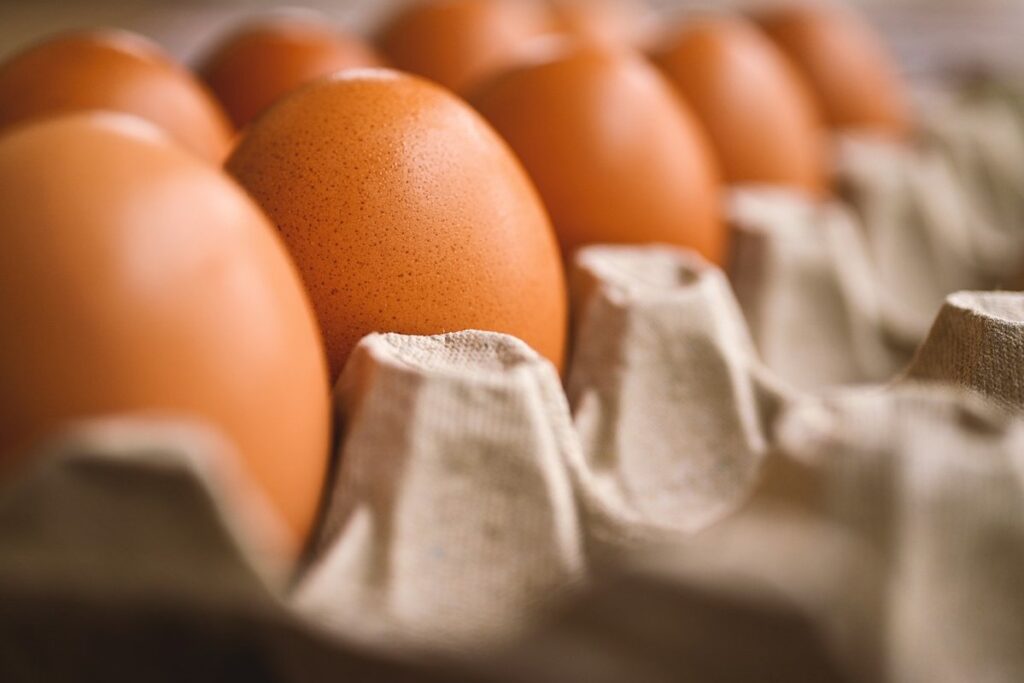
What are Pullet Eggs?
Pullet eggs are a type of egg that comes from young hens, but what exactly makes them different from regular chicken eggs. Let’s dive into the details and find out!
Definition of Pullet Eggs
So you’re curious about pullet eggs and want to know what they’re all about? Well, let me tell you – pullet eggs are essentially the first batch of eggs laid by young hens, specifically those that are under a year old. These eggs are smaller in size compared to regular chicken eggs, with an average weight of around 20-30 grams (0.7-1 oz).
In terms of characteristics, pullet eggs tend to have a thicker shell and a slightly different shape than larger chicken eggs. This is because the young hens’ reproductive system isn’t yet fully developed, resulting in smaller egg yolks and less albumen (the clear liquid surrounding the yolk).
One key thing to note about pullet eggs is that they can vary significantly in size depending on factors such as breed, age, and nutrition. Some breeds of chickens, like Leghorns or Orpingtons, tend to produce larger pullet eggs than others.
If you’re raising your own backyard chickens, it’s worth keeping an eye on the size of their eggs – it can be a good indicator of overall health and fertility.
Differences between Pullet and Laying Hens
When it comes to pullet eggs, many people wonder if they’ll produce smaller eggs than mature laying hens. The answer lies in the bird’s age and development stage. Pullet eggs are typically laid by young chickens that have not yet reached full maturity.
While both pullets and mature laying hens can produce high-quality eggs, there are significant differences in their egg-laying abilities. Mature laying hens tend to produce larger eggs, with an average weight of 50-60 grams. In contrast, pullet eggs typically weigh between 35-45 grams. This is because pullets have smaller ovaries and less developed reproductive systems.
However, don’t be fooled into thinking that pullet eggs are inferior in quality. Many backyard chicken keepers swear by the flavor and nutritional value of pullet eggs, which are often described as more delicate and tender than those from mature hens. If you’re looking to produce smaller, higher-quality eggs, consider keeping a flock of pullets or introducing younger birds into your existing coop. With proper care and nutrition, these young birds will thrive and reward you with a steady supply of delicious, small eggs.
Factors Contributing to Small Egg Size in Pullets
When it comes to pullet egg size, several factors can contribute to smaller than average eggs. Let’s explore some of these contributing elements together!
Genetics and Breed Selection
When it comes to egg size in pullets, genetics play a significant role. Different breeds of chickens are naturally inclined to lay eggs of varying sizes, and selecting the right breed can greatly impact the size of eggs produced by your flock.
Some popular small-egg breeds include Leghorns, Cornish, and Orpingtons. These birds are bred specifically for their ability to produce smaller eggs, making them an excellent choice for backyard flocks or those with limited storage space. For example, Leghorns are known for laying small to medium-sized eggs (average weight: 1.5-2 ounces), while Cornish chickens lay even smaller eggs (average weight: 1.2-1.5 ounces).
If you’re looking to raise a flock that produces small eggs, it’s essential to research and select breeds that fit your needs. Consider factors such as egg size, temperament, and climate adaptability when choosing the perfect breed for your pullets. By selecting the right breed from the start, you can set yourself up for success in raising a healthy and productive flock with consistently smaller eggs.
Nutrition and Diet Quality
The relationship between nutrition and diet quality is crucial when it comes to egg size. Young pullets require a balanced diet that meets their nutritional needs during the rapid growth phase. A deficiency in essential nutrients such as calcium, protein, or phosphorus can lead to smaller egg yolks and a decrease in overall egg size.
Inadequate nutrient intake can be attributed to several factors including poor-quality feed, inadequate supplementation, or insufficient feed allowance. For instance, if your pullets are not receiving sufficient calcium from their diet, they may start breaking down the existing calcium in their bones to use for eggshell production, potentially affecting egg size.
To promote optimal nutrition and healthy growth in young pullets, it is essential to provide them with a high-quality starter feed that includes adequate levels of protein, calcium, and phosphorus. Consider offering oyster shells or crushed eggs as supplements to ensure they get enough calcium. Aim for a feed allowance that meets the recommended guidelines for your flock size.
Health and Stress Factors
When it comes to small egg size in pullets, health issues and stress factors can play a significant role. One of the most common causes is nutritional deficiencies, particularly in protein and calcium intake. A lack of essential vitamins and minerals can lead to stunted growth, resulting in smaller eggs.
Stress is another major contributor to small egg size. Pullets under stress may stop laying or produce smaller eggs as their bodies focus on survival over reproduction. This can be caused by a variety of factors, including changes in environment, poor living conditions, or inadequate care.
Other health issues that can impact egg size include respiratory problems, parasites, and diseases like Marek’s disease and coccidiosis. These conditions can weaken the pullet’s immune system, making it difficult for them to produce normal-sized eggs.
To address these issues, it’s essential to provide your pullets with a balanced diet rich in protein, calcium, and other essential nutrients. Ensure they have access to clean water, a healthy living environment, and adequate space to roam. Regular health checks can also help identify potential problems early on, allowing you to take corrective action before it affects egg size.
Effects of Small Egg Size on Farmers and Consumers
As you consider small pullet egg size, it’s essential to think beyond the birds themselves and examine how this trait affects farmers and consumers in practical ways. This can have a significant impact on your farm’s efficiency and your family’s grocery budget.
Economic Impact for Farmers
Raising young pullets for smaller eggs can have significant economic implications for farmers. One of the primary concerns is the increased costs associated with caring for these birds. Smaller pullets require more food and water to sustain their growth, which can lead to higher feed bills. According to a study by the American Egg Board, small egg-producing farms may spend up to 70% of their total production costs on feed alone.
Farmers must also consider the increased labor required to care for smaller birds. Pullets that produce smaller eggs often require more frequent vaccinations and health checks, which can add to the farm’s operational expenses. To mitigate these costs, farmers can implement efficient feeding systems and adopt best practices in poultry management. For instance, they can use precision feeding technology to optimize feed allocation and minimize waste.
Furthermore, the market demand for small eggs may not be sufficient to offset the increased costs associated with raising smaller pullets. Farmers must carefully consider their target market and pricing strategy to ensure that they can remain profitable while meeting consumer demands.
Consumer Preferences and Expectations
Consumers are increasingly looking for eggs with unique characteristics and stories behind them. Small eggs from young pullets can tap into this trend by offering a product that is not only niche but also perceived as more humane and sustainable. Studies have shown that consumers are willing to pay a premium for products with clear values and benefits, making small eggs an attractive opportunity for farmers looking to differentiate themselves in the market.
When marketing small eggs from young pullets, it’s essential to highlight their distinct advantages over traditional larger eggs. For instance, they may have stronger yolks and more vibrant colors due to the birds’ younger age. Emphasize these differences through packaging, labeling, or point-of-sale materials to appeal to consumers seeking unique experiences.
Another potential marketing angle is to emphasize the environmental benefits of raising young pullets for egg production. Consumers are becoming increasingly aware of the importance of animal welfare and sustainable farming practices, making this a valuable selling point for small egg producers.
Improving Egg Size through Care and Management Practices
To achieve larger egg size from your pullets, it’s essential to focus on optimizing their care and management. This section will dive into practical tips for getting bigger eggs.
Providing Adequate Nutrition and Supplements
Providing adequate nutrition and supplements is crucial for promoting healthy growth and egg production in young pullets. A well-balanced diet should consist of a mix of protein, carbohydrates, and fats to support their rapid growth rate.
Pullets require more calcium and phosphorus than adult hens due to their developing bone structure. Include crushed oyster shells or grit in their feed to ensure they’re getting enough calcium. You can also offer dark leafy greens like kale or spinach as a nutritious treat.
Supplements such as probiotics, vitamins, and minerals can help maintain gut health and boost immunity. However, it’s essential to introduce them gradually and at the right time to prevent digestive issues.
To optimize nutrition for your pullets, consider the following:
* Provide a starter feed that’s formulated specifically for young birds (18-24% protein)
* Gradually transition to layer feed around 16-20 weeks of age
* Ensure access to clean water and a balanced mineral block
Monitor your flock’s growth and adjust their diet accordingly. Keep in mind that every pullet is different, so it may take some trial and error to find the right balance for your birds.
Managing Stress and Environmental Factors
Stress and environmental factors can significantly impact egg size in pullets. To support optimal growth and egg production, it’s essential to implement stress-reducing strategies and make environmental improvements. One effective way to reduce stress is through regular handling and socialization of the birds. Start by gently picking up your pullets daily, getting them accustomed to human touch, which can help ease anxiety when they start laying eggs.
In terms of environment, consider factors such as lighting, ventilation, and space. Pullets need adequate light for growth and egg production. Ensure that the coop is well-ventilated to prevent ammonia buildup from droppings, which can be detrimental to pullet health and egg size. Provide sufficient space in the coop or run by ensuring there’s at least 3-4 square feet of floor space per bird. This will help reduce stress caused by overcrowding.
Regular cleaning and maintaining a hygienic environment is also crucial for reducing stress. Make sure to remove soiled bedding, disinfect feeding and watering areas, and provide fresh water daily.
Small Egg Size vs. Large Egg Size: Pros and Cons
When it comes to pullet egg size, understanding the differences between small and large eggs is crucial for backyard chicken keepers like you who want to optimize your flock’s performance. In this section, we’ll weigh the pros and cons of each option.
Advantages of Small Egg Laying
When it comes to small egg laying pullets, one of the most significant advantages is the reduced costs associated with feed and energy. Since smaller hens require less food to produce eggs, you’ll save money on feed bills each month. A study by the University of California found that smaller hens (under 3 lbs) need approximately 20% less feed than their larger counterparts.
This reduction in feed consumption also translates to lower energy costs. Smaller birds use less power for ventilation and lighting in your coop, which can add up over time. For example, if you have a flock of 10 pullets producing small eggs, switching from large hens could save around $20-$30 per month on energy bills.
To maximize the cost savings associated with small egg laying, consider incorporating these tips into your flock management:
* Monitor feed consumption closely to ensure you’re not overfeeding your birds.
* Use a layer ration specifically designed for smaller breeds to optimize nutrition and minimize waste.
* Adjust coop size and ventilation systems accordingly to accommodate smaller hens.
By implementing these strategies, you can enjoy the benefits of small egg laying while keeping costs under control.
Disadvantages of Small Egg Laying
Raising young pullets can have its advantages, but there are also some potential drawbacks to consider. One of the main disadvantages of small egg laying is decreased egg production. Pullet hens typically take around 18-24 weeks to reach full production, and even then, they may not produce as many eggs as larger breeds.
For example, a pullet hen might lay around 280-300 eggs per year, compared to 300-320 eggs per year for a Leghorn or Rhode Island Red. This can be a problem if you’re planning to sell eggs from your flock, as smaller egg production means fewer eggs to sell. Additionally, small egg laying hens may require more feed and nutrients to reach their full potential, which can increase costs.
It’s worth noting that some breeders are working on developing pullet strains that produce larger eggs, but these are still relatively rare. If you’re considering raising young pullets for egg production, it’s essential to do your research and understand the potential drawbacks before making a decision. With careful planning and management, however, small egg laying hens can still be a profitable choice.
Best Practices for Raising Young Pullets for Small Eggs
When raising young pullets, it’s essential to focus on a balanced diet and regular feeding schedules to encourage healthy growth and development of their reproductive system. A well-planned approach can result in consistently smaller eggs.
Tips for Starting a Small-Scale Pullet Operation
Starting a small-scale pullet operation can be an exciting venture for backyard chicken enthusiasts and farmers alike. To establish a successful and sustainable business, you’ll need to consider several factors beyond just raising healthy birds.
Firstly, it’s essential to research local regulations and zoning laws regarding poultry farming in your area. Ensure that you have the necessary permits and licenses before investing time and resources into your operation. Next, develop a comprehensive plan outlining your goals, target market, and production costs. This will help you stay organized and make informed decisions throughout the process.
When selecting pullets for your small-scale operation, prioritize breeds known for their high egg-laying capacity and suitable climate adaptability. For example, Leghorns and Rhode Island Reds are popular choices among backyard chicken keepers due to their exceptional egg production and hardiness.
In terms of infrastructure, consider investing in a quality coop and run design that allows for efficient feeding and cleaning practices. This will not only save you time but also minimize the risk of disease transmission and stress-related issues among your flock.
Ongoing Care and Maintenance Recommendations
As your young pullets continue to grow and mature, it’s essential to maintain a close eye on their health and well-being. Regular monitoring of their growth and health will help you identify any potential issues early on, ensuring they stay healthy and productive.
To monitor growth, check the girls’ weight regularly, ideally once a week. Use a poultry scale or even a kitchen scale to track progress. Aim for an average gain of 2-3% body weight per day. For example, if your pullet weighs 1 pound at 16 weeks, she should weigh around 1.04 pounds by the next week.
In addition to monitoring growth, also keep an eye out for any signs of illness or stress, such as changes in droppings, loss of appetite, or lethargy. Be sure to provide a clean and safe living environment, including adequate ventilation and dust control. Regular cleaning of feeders, waterers, and litter will help prevent health issues.
Always maintain accurate records of feeding, vaccinations, and any medical treatments administered. This information will come in handy during breeding season or when preparing for market.
Conclusion: Nurturing Healthy Pullets for Optimal Egg Production
As you’ve learned about pullet egg size small, it’s essential to remember that these birds require proper care and nutrition to reach their full potential. By providing a balanced diet and optimal living conditions, you’ll be able to nurture healthy pullets that lay high-quality eggs. This involves ensuring adequate space for exercise, fresh water at all times, and a nutritious feed specifically formulated for young hens.
In addition to these basic needs, it’s crucial to provide a stress-free environment. Pullets can become stressed if they’re over-crowded or exposed to harsh weather conditions. To mitigate this, consider providing shelter from the elements and giving your birds plenty of space to roam.
By following these guidelines and prioritizing your pullets’ well-being, you’ll be rewarded with optimal egg production. Happy flock management!
Frequently Asked Questions
How do I know when my pullets are transitioning to larger egg size?
As your young hens mature, you’ll notice their eggs gradually increase in size over time. Typically, this transition occurs around 6-8 months of age. However, the exact timing depends on factors like breed, nutrition, and overall health. Regularly monitoring egg size and weighing them can help you determine when your pullets are reaching their full potential.
What’s the ideal diet for young hens to promote healthy growth and optimal egg production?
Providing a balanced and nutritious diet is crucial for your young hens’ development. A high-quality layer feed or a mix of grains, fruits, and vegetables can support their growth and egg-laying capabilities. Ensure they have access to fresh water at all times, and consider supplementing with calcium and other essential minerals to promote strong bone growth.
Can stress factors significantly impact small egg size in pullets?
Yes, stress can negatively affect your young hens’ reproductive health, leading to smaller eggs or even egg cessation. Minimize stress by providing a safe and comfortable environment, ensuring adequate space per bird, and maintaining a consistent routine. Monitor their behavior and adjust your care strategies as needed.
How do I manage the economic impact of small egg size on my farm?
Small egg size may affect your revenue, but it’s essential to weigh this against the potential benefits of raising healthy pullets. Consider the long-term advantages of nurturing young hens, such as increased egg production and improved overall health. Explore strategies like diversifying your product offerings or creating value-added products to offset any losses.
Can I use supplements to boost my pullets’ egg size?
While supplements can be beneficial for promoting overall health, there’s limited evidence supporting their direct impact on increasing egg size in young hens. Focus on providing a well-balanced diet and ensuring optimal care practices instead of relying solely on supplements. This will help you achieve more consistent and sustainable results.