
If you’re thinking about revamping your backyard chicken run, you might have considered using sod to create a more natural environment for your flock. Sod in chicken runs can offer aesthetic appeal and help with erosion control, but it’s not without its drawbacks. As you weigh the pros and cons of incorporating sod into your chicken coop design, you’ll want to think about how it will impact the biodiversity of your backyard ecosystem.
In this article, we’ll take a closer look at the benefits and limitations of using sod in chicken runs, from its visual appeal to its potential for erosion control. We’ll also discuss some practical tips on how to make sod work for your flock, including choosing the right type of grass and maintaining a healthy balance between your chickens’ needs and the environment. Whether you’re a seasoned backyard chicken keeper or just starting out, this article will provide valuable insights to help you decide if sod is right for your flock.
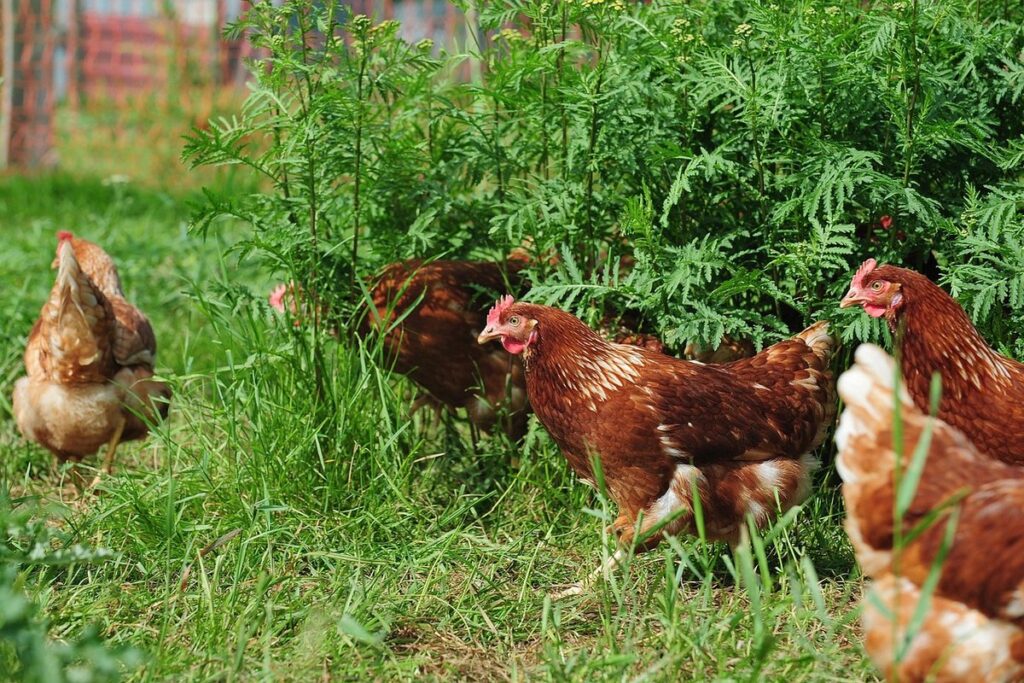
Understanding the Basics of Chicken Runs
When it comes to incorporating sod into your chicken run, understanding its fundamental concepts is crucial. Let’s break down what you need to know to get started effectively.
What is a Chicken Run?
A chicken run is an essential component of a backyard flock’s living space. It provides a safe and secure area for chickens to exercise, roam, and engage in natural behaviors like foraging and scratching. The primary purpose of a chicken run is to protect the health and safety of your birds by preventing predators from reaching them.
When designing a chicken run, it’s crucial to consider factors such as size, fencing material, and escape-proofing measures. A general rule of thumb is to provide at least 2-4 square feet of outdoor space per bird, depending on breed and age. This allows for adequate movement and exercise while preventing overcrowding.
A well-designed chicken run also helps maintain a clean environment by allowing chickens to scratch and dig, which aids in waste removal and composting. Furthermore, outdoor access can help reduce stress and improve overall health by providing natural light, fresh air, and a change of scenery.
Types of Fencing for Chicken Runs
When it comes to creating a secure and predator-proof chicken run, choosing the right type of fencing is crucial. As you’re considering using sod in your chicken run, it’s essential to pair it with a durable and effective fencing system.
There are several types of fencing materials that can be used for chicken runs, each with its own set of advantages and disadvantages. Wire mesh fencing is a popular choice due to its affordability and ease of installation. However, it may not provide adequate protection against larger predators like foxes or coyotes. On the other hand, hardware cloth fencing offers greater security but can be more expensive.
Consider using chicken wire with openings of 1 inch or smaller to prevent escape attempts by your birds. You can also opt for wooden picket fencing or PVC coated metal fencing for a more aesthetically pleasing design. When selecting a fencing material, make sure it extends at least 3 feet below ground level to prevent burrowing animals from digging under the fence.
Regardless of which type you choose, ensure that all gaps are sealed and there are no weak points in the fencing system. This will not only protect your chickens but also give you peace of mind knowing they’re safe.
Importance of Ventilation in Chicken Runs
Proper ventilation is often overlooked when it comes to chicken runs, but it plays a crucial role in maintaining air quality and promoting healthy poultry behavior. Imagine a confined space with no airflow – it’s not ideal for humans, let alone chickens! A well-ventilated chicken run ensures that stale air is removed and fresh air is introduced, reducing the risk of ammonia buildup from droppings.
Inadequate ventilation can lead to respiratory issues in your flock, making them more susceptible to diseases. It’s estimated that poor air quality costs the poultry industry millions annually due to reduced egg production and increased mortality rates. On the other hand, a chicken run with proper ventilation can see improved bird health, productivity, and overall well-being.
To achieve optimal ventilation, ensure your chicken run has at least 1 square foot of space per bird, adequate windows or vents for airflow, and regular cleaning schedules to prevent ammonia buildup. By prioritizing ventilation in your chicken run design, you’ll not only promote healthy birds but also contribute to a more sustainable and efficient poultry operation.
Benefits of Using Sod in Chicken Runs
If you’re considering using sod in your chicken run, one of the biggest advantages is the ease and speed at which it can be installed. This can save you time and energy upfront.
Aesthetic Appeal and Landscaping Opportunities
When you’re designing a chicken run, it’s easy to focus on functionality and forget about aesthetics. However, using sod can help you create a visually appealing and natural-looking enclosure that complements the surrounding landscape.
Firstly, sod can be used to create a seamless transition between the chicken run and the rest of your yard. By extending the same type of grass from your lawn into the run, you can create a cohesive look that’s both pleasing to the eye and beneficial for your chickens’ well-being. For instance, if you’re using a mix of grasses and wildflowers in your lawn, consider incorporating these same plants into your chicken run design.
Not only does sod provide a natural appearance, but it also offers benefits like reduced erosion and improved drainage. To ensure that your sod installation is successful, choose high-quality sod from a reputable supplier, prepare the soil properly before laying down the sod, and maintain regular watering and mowing schedules. With proper care, your chicken run will blend in seamlessly with the rest of your yard, creating a beautiful and functional space for your flock to thrive.
Improved Erosion Control and Drainage
When you install sod in your chicken run, it not only provides a safe and comfortable environment for your chickens but also offers several benefits that can improve the overall health and well-being of your flock. One of the most significant advantages is improved erosion control and drainage.
Chickens love to dig and scratch, which can lead to soil compaction and erosion if left unchecked. Without adequate drainage, water can accumulate in low-lying areas, causing mud puddles that can be hazardous for your chickens’ health. Sod helps to prevent this by establishing a stable root system that holds the soil in place, reducing the risk of erosion.
In addition, sod allows rainwater to percolate through the soil more efficiently, preventing waterlogging and ensuring that the area drains properly. This is especially important during heavy rainfall events or when you’re planning to raise broilers on your property. To maximize these benefits, be sure to install a slight slope in your chicken run to ensure proper drainage and prevent water from pooling in low-lying areas.
By incorporating sod into your chicken run design, you can create a safe, healthy environment for your chickens that also reduces maintenance requirements and protects the soil from erosion.
Enhanced Biodiversity and Wildlife Habitat Creation
When incorporating sod into your chicken run design, you’re not just creating a safe and healthy space for your chickens to roam – you’re also setting the stage for enhanced biodiversity and wildlife habitat creation. This may seem like an unusual benefit of using sod in chicken runs, but hear us out.
By introducing native plant species through sod, you’re providing a haven for local pollinators, beneficial insects, and other small animals. For instance, a layer of grasses and wildflowers can support the growth of monarch butterfly caterpillars or attract bees to collect nectar from nearby flowers. This is especially important in urban areas where natural habitats are scarce.
To make the most of this feature, choose native plant species that thrive in your region’s climate and soil type. Research local experts’ recommendations for low-maintenance, wildlife-friendly plants that will bloom at different times of the year to provide a constant source of food and shelter.
Challenges and Considerations When Using Sod in Chicken Runs
When using sod in your chicken run, there are several challenges to consider before making a decision that’s right for you and your flock. Let’s explore these considerations up close.
Initial Cost and Installation Requirements
When considering sod for your chicken run, it’s essential to think about the initial investment required for installation. The cost of sod can vary depending on several factors, including the type and quality of sod, the size of the area, and the location where you live.
On average, a square foot of sod can range from $0.50 to $5 or more, depending on the quality. For a typical chicken run with an area of around 100-200 square feet, you’re looking at a material cost of between $50 to $1,000. However, labor costs should also be factored into your budget, as installing sod can be a time-consuming process.
It’s recommended to hire a professional landscaper or contractor who has experience with lawn installation to ensure the job is done correctly and safely. Labor costs can range from $2 to $5 per square foot, depending on the complexity of the project and local labor rates.
To give you a better idea, let’s consider an example: If you’re installing sod in a 150-square-foot chicken run with high-quality sod and hiring a professional contractor, your total cost could be around $750-$1,250.
Maintenance and Upkeep Responsibilities
When you choose to use sod in your chicken run, it’s essential to consider the ongoing maintenance needs to keep both your flock and the surrounding environment healthy. Mowing is a crucial part of this upkeep, as overgrown grass can provide a haven for pests and create an ideal breeding ground for mosquitoes. To maintain a manageable height, plan to mow the sod every 7-10 days during peak growth seasons.
In addition to regular mowing, ensure your chickens have access to fresh water at all times by installing a drip irrigation system or soaker hose that delivers water directly to the roots of the grass. This will also help reduce evaporation and runoff. Fertilization is another vital aspect of sod maintenance in chicken runs. Apply a balanced fertilizer (e.g., 10-10-10 N-P-K) every two weeks during the growing season, taking care not to over-fertilize, which can harm your flock’s health.
To maintain optimal conditions for both humans and chickens, regularly inspect the area for signs of wear and tear. Fix any broken fencing or loose boards promptly to prevent escape attempts by curious chickens.
Potential for Weed Growth and Invasive Species Introduction
When introducing sod to a chicken run, it’s essential to consider the potential risks associated with weed growth and invasive species introduction. New plants can quickly take over an area, potentially harming your chickens’ health and well-being.
Weed growth is a common issue when using sod in chicken runs. Without proper maintenance, weeds can sprout up through the soil, making it difficult for your birds to navigate and increasing the risk of injury. For example, thorny weeds like bursage or goathead can cause harm if ingested by your chickens. To minimize this risk, ensure that you’re using weed-free sod and regularly inspect the area for any signs of new growth.
Invasive species can also be a concern when introducing non-native plants to an area. These species can quickly outcompete native vegetation, potentially altering the local ecosystem. Some common invasive species found in North America include Japanese knotweed and autumn olive. To avoid introducing these types of plants to your chicken run, choose sod species that are suitable for your region’s climate and soil type. Regularly monitoring the area and removing any unwanted growth can also help prevent the spread of invasive species.
Case Studies and Examples of Sod Use in Chicken Runs
Let’s take a look at real-life scenarios where farmers and backyard chicken keepers have successfully used sod to line their chicken runs, highlighting its effectiveness. You’ll see firsthand how sod can meet your flock’s needs.
Successful Implementations and Best Practices
In reality, many chicken keepers have successfully implemented sod in their chicken runs with impressive results. Take, for instance, a small-scale farm that incorporated sod into its run design. By doing so, they noticed a significant decrease in dust and odors, creating a healthier environment for both the chickens and the farmers.
One of the key takeaways from this example is the importance of proper drainage. The sod implemented in the run had to be carefully chosen to ensure it could handle the high water levels generated by rain or cleaning. This attention to detail paid off, as the farm reported reduced mud and subsequent health issues for their flock.
When implementing sod into a chicken run, consider incorporating shallow planting beds around the perimeter. These can help with moisture retention and create an attractive environment for beneficial insects. Furthermore, avoid over-mulching, as this can lead to waterlogging and exacerbate pest problems. By carefully planning and executing the integration of sod, you can reap its many benefits while minimizing potential drawbacks.
Lessons from Failure: Common Mistakes to Avoid
When using sod in chicken runs, it’s not uncommon for beginners to make mistakes that can lead to costly failures. To avoid these common pitfalls, let’s examine some of the most critical errors to watch out for.
One of the most significant mistakes is inadequate drainage planning. Without proper drainage, water can accumulate under the sod, causing roots to rot and creating an ideal breeding ground for disease-carrying bacteria. This can be particularly problematic in areas with heavy rainfall or high humidity.
Poor soil preparation is another common mistake. Sod requires a well-draining, loose soil base to thrive. If the existing soil isn’t suitable, it’s essential to create a new layer of topsoil before laying sod. Failure to do so can lead to root growth issues and reduce the lifespan of your sod installation.
Inadequate maintenance is also a significant concern. Regular mowing, fertilization, and pest control are crucial for maintaining healthy sod in your chicken run. Neglecting these tasks can result in weakened roots, reduced grass density, and increased susceptibility to disease.
By being aware of these common mistakes and taking proactive steps to address them, you can ensure the success of your sod installation and provide a safe, healthy environment for your chickens.
Conclusion
Now that we’ve weighed the pros and cons, it’s time to summarize the key takeaways from our exploration of using sod in chicken runs. Let’s recap the main points.
Recap of Benefits and Challenges
In conclusion, using sod in chicken runs offers several benefits and poses some challenges that are essential to consider. On the one hand, incorporating sod into your chickens’ living space can provide a natural and comfortable environment for them. This is achieved through improved insulation, which helps maintain an optimal temperature range for the birds, thus enhancing their overall health and well-being.
Another significant advantage of using sod in chicken runs is its ability to absorb moisture, thereby reducing the likelihood of wet and muddy areas that can lead to health problems for your chickens. Furthermore, a sod-covered run can reduce the need for frequent cleaning and maintenance, as it allows for natural drainage and minimizes the accumulation of debris.
However, there are also some challenges associated with using sod in chicken runs. For instance, it can be difficult to establish and maintain healthy grass growth due to factors such as shading from the coop or neighboring trees. Moreover, excessive moisture and heavy foot traffic can cause the sod to deteriorate quickly.
To mitigate these risks, it’s crucial to choose the right type of grass for your climate and soil conditions, provide adequate sunlight, and implement efficient drainage systems. Regular maintenance is also necessary to ensure the health and longevity of the sod. By considering these factors and taking the necessary precautions, you can create a thriving ecosystem that benefits both your chickens and the environment.
Incorporating sod into your chicken run requires careful planning and attention to detail. But with the right approach, it can provide numerous advantages for your flock’s well-being while also promoting sustainable and environmentally friendly practices on your farm or homestead.
Frequently Asked Questions
Can I use sod in chicken runs with sloping or uneven terrain?
Yes, you can use sod in chicken runs on sloping or uneven terrain, but it’s crucial to choose a grass type that is specifically designed for slopes and erosion control. This will help prevent soil erosion and ensure the stability of your chicken run.
How often should I mow and maintain the sod in my chicken run?
The frequency of mowing and maintenance depends on the growth rate of your chosen grass type, climate conditions, and intended use of the area. As a general rule, aim to mow every 7-10 days during peak growing seasons, and ensure adequate watering and fertilization.
What are some common mistakes to avoid when introducing sod to my chicken run?
Some common mistakes include choosing an unsuitable grass type for your climate or soil conditions, neglecting proper drainage and erosion control measures, and failing to maintain a balance between the chickens’ needs and environmental impact. Regularly inspect and monitor your chicken run’s ecosystem to prevent potential issues.
Can I mix sod with other materials like gravel or wood chips in my chicken run?
Yes, you can mix sod with other materials to create a more diverse and functional environment for your chickens. Combining grass with permeable surfaces like gravel or wood chips can improve drainage, reduce the risk of mud buildup, and provide additional benefits such as temperature regulation and dust reduction.
Will using sod in my chicken run attract pests or rodents?
Using sod in your chicken run may potentially attract pests or rodents if not properly managed. Implement measures like regular cleaning, sanitizing, and monitoring for signs of infestation to minimize the risk of attracting unwanted visitors and protect both your flock’s health and the environment.