
If you’re looking for a charming addition to your small farm or backyard flock, you might want to consider the Speckled Sussex chicken breed. This delightful bird has been winning hearts with its unique appearance and wonderful temperament for centuries. But what makes it so special? In this article, we’ll delve into the history of the Speckled Sussex, taking a closer look at their physical characteristics, from their striking speckles to their sturdy build. We’ll also explore their friendly and docile nature, making them an ideal choice for families or first-time chicken keepers. And, of course, no discussion would be complete without talking about their impressive egg-laying abilities – perfect for those looking to supplement their fresh produce with a regular supply of homegrown eggs.
History and Origins
The Speckled Sussex chicken breed has a rich history that dates back to 19th-century England, where it was first developed as a utility bird. Let’s take a closer look at its origins and evolution over time.
Early Development and Purpose
The Speckled Sussex breed has its roots in England, where it was developed in the 19th century. The exact origin of this breed is unclear, but it’s believed to have descended from a combination of breeds such as the Old English Game and the Sussex Fowl.
Early records show that the Speckled Sussex was primarily raised for egg production, with hens producing an average of 200-220 large brown eggs per year. However, they were also valued for their size and temperament, making them a popular choice for smallholdings and homesteads.
In its early development, the breed was known for its striking appearance, with males sporting a distinctive crest and females displaying a speckled pattern on their feathers. This unique look not only made them attractive to backyard chicken keepers but also helped them stand out in the market.
The Speckled Sussex’s purpose went beyond just egg production; it was also prized for its ability to thrive in poor soil conditions, making it an ideal choice for farmers with limited resources. With proper care and management, this hardy breed can provide a reliable source of fresh eggs while adding charm and character to any backyard flock.
Introduction to the Old English Poultry Society
The Old English Poultry Society has played a pivotal role in preserving the unique characteristics of the Speckled Sussex chicken breed. Established in 1837, this organization has been dedicated to promoting and conserving traditional British poultry breeds, including our beloved Speckled Sussex.
One of their notable contributions is the development of breed standards, which ensured that the birds remained true to their heritage. This means that when you raise a Speckled Sussex from one of these registered lines, you’re getting a bird that’s been bred and selected for generations with specific characteristics in mind – such as its distinctive speckled plumage, gentle nature, and robust constitution.
By working closely with breeders and fanciers, the Old English Poultry Society has helped maintain the integrity of this breed. Their efforts have resulted in the creation of a robust breed association that promotes best practices for breeding, shows, and sales – all aimed at preserving the Speckled Sussex’s authentic appearance, temperament, and performance.
Today, the Old English Poultry Society continues to provide valuable guidance and resources for those interested in raising or showing Speckled Sussex chickens.
Physical Characteristics
When it comes to the Speckled Sussex breed, you’re probably wondering what they look like. Let’s take a closer look at their distinctive physical characteristics that set them apart from other chicken breeds.
Size and Weight
When it comes to the physical characteristics of the Speckled Sussex chicken breed, one key aspect is their average size and weight. Males, known as cocks, typically weigh between 8-10 pounds (3.6-4.5 kg), while females, or hens, usually tip the scales at around 7-9 pounds (3.2-4 kg). These weights are not only a testament to their robust health but also reflect their impressive egg-laying capabilities.
In terms of length, Speckled Sussex chickens can grow quite long, with males reaching up to 20 inches (50 cm) and females up to 18 inches (45 cm) in height. Their sturdy build allows them to forage efficiently and navigate varied terrain with ease. Whether you’re looking to introduce a few Speckled Sussexx to your backyard flock or need advice on caring for these birds, understanding their size and weight is crucial.
To give you a better idea of what to expect from this breed, consider the following: Speckled Sussex chickens are well-suited for smaller backyards due to their moderate size. They require about 2-4 square feet (0.18-0.36 square meters) per bird, making them an excellent choice for urban or suburban flocks.
Plumage and Feathering
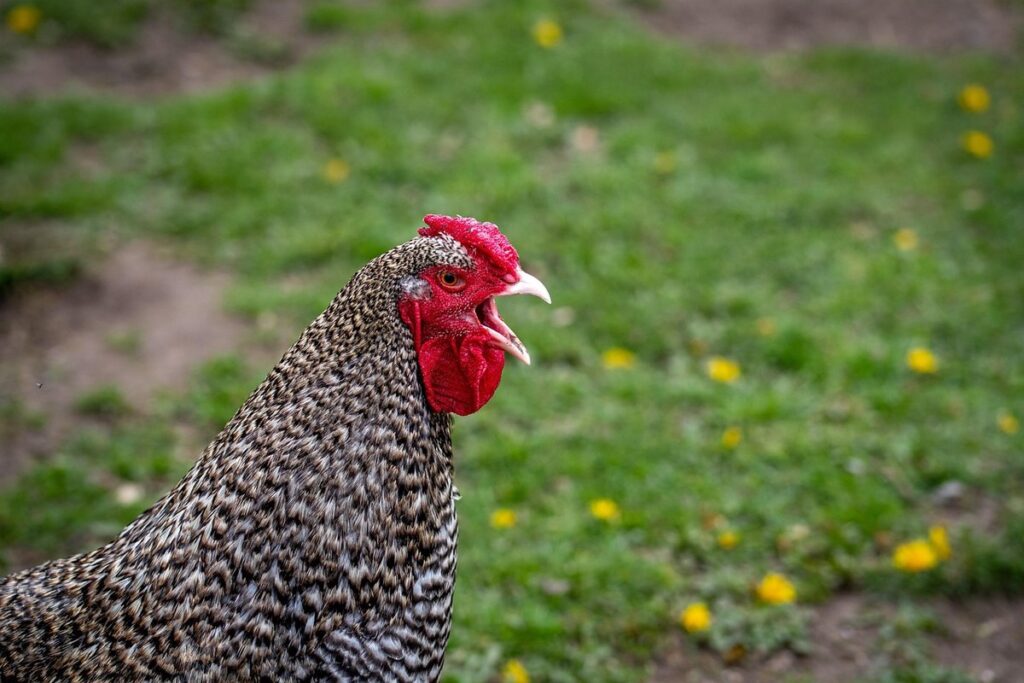
One of the most distinctive features of the Speckled Sussex chicken breed is its unique speckling pattern on the plumage. The speckles can vary in size and intensity, but they are typically darker and more pronounced on the neck and shoulders, gradually fading into a lighter, speckled pattern on the breast and belly.
The speckling pattern serves as a distinguishing characteristic that sets the Speckled Sussex apart from other breeds. While some breeds may have subtle striping or flecks of color, the Speckled Sussex’s pattern is more pronounced and evenly distributed. This unique feature not only adds to the breed’s visual appeal but also makes it easily identifiable.
If you’re considering adding a Speckled Sussex to your flock, take note that their speckling pattern can be affected by factors such as diet, health, and genetics. A well-cared-for Speckled Sussex will display its characteristic plumage with vibrant colors and clear definition. By providing the right environment and care, you’ll be able to appreciate this breed’s unique beauty for years to come.
In terms of feathering, the Speckled Sussex has a medium-length coat that is well-suited for most climates. Their feathers are soft and easy to clean, making them a low-maintenance choice for many backyard flocks.
Eye Color and Comb Shape
When it comes to the physical characteristics of the Speckled Sussex breed, two distinctive features stand out: eye color and comb shape. The ideal Speckled Sussex chicken has a reddish-brown eye, which complements its striking speckled plumage. However, it’s not uncommon for some individuals within this breed to exhibit darker or lighter eye colors, ranging from golden brown to deep maroon.
As for the comb shape, the Speckled Sussex typically boasts a single comb that is medium-sized and slightly rounded at the tips. This type of comb is well-suited for the breed’s temperamental nature, as it allows for efficient heat dissipation on hot days. When selecting or breeding Speckled Sussex chickens, look for combs with sturdy bases and even spacing between the individual spines. Avoid combs that are too large, thin, or crooked, as these can be indicative of underlying health issues or genetic weaknesses.
In terms of practical advice, when evaluating the eye color and comb shape of a potential Speckled Sussex addition to your flock, remember to prioritize individuals with robust physical characteristics. By doing so, you’ll increase the chances of maintaining a healthy and productive breeding program.
Temperament and Behavior
Speckled Sussex chickens are known for their friendly, docile nature, making them a great choice for families and backyard flocks. Understanding their temperament is key to creating a harmonious coop environment.
Friendly and Docile Nature
One of the most endearing characteristics of the Speckled Sussex chicken breed is their exceptionally friendly and docile nature. This makes them an ideal choice for families with children, as they are gentle and patient, ensuring a safe and enjoyable experience for all.
Speckled Sussex chickens are highly social birds that thrive on interaction and attention from their human caregivers. They love to roam around freely in their enclosures and will often come running when called by name. In fact, these birds have been known to form close bonds with their owners, often becoming part of the family.
Their calm demeanor makes them an excellent choice for backyard flocks or small farms where space is limited. With proper care and attention, Speckled Sussex chickens are happy to adapt to a variety of living situations, from urban backyards to rural settings. Their friendly nature also makes them a great breed for beginners, as they are relatively easy to handle and manage.
In terms of integrating your Speckled Sussex flock into family life, here are some practical tips: ensure you have enough space to accommodate all birds comfortably; establish a regular feeding schedule to encourage predictability; and engage with your birds regularly through playtime, treats, or simply sitting together.
Foraging Ability and Curiosity
Speckled Sussex chickens are known for their strong foraging ability and innate curiosity. As such, they require adequate space to roam and explore their surroundings. If not provided with sufficient room to forage, Speckled Sussexes may become restless and exhibit undesirable behaviors like feather pecking or egg eating.
To satisfy their natural instinct, it’s essential to provide your flock with a secure, escape-proof area where they can free-range. This could be as simple as setting up a fenced garden or converting an existing enclosure into a foraging paradise. Incorporate a variety of plants, shrubs, and trees that offer fresh greens, fruits, and insects.
Aim to allocate at least 8-10 square feet per chicken inside the coop and 12-15 square feet outside in a secure run. Consider using techniques like strip grazing or rotational grazing to ensure your flock has access to fresh foraging areas daily. This will not only keep them engaged but also stimulate their natural hunting instincts, making them healthier and more fulfilled birds.
Productivity and Egg-Laying Abilities
When it comes to productivity, Speckled Sussex chickens have a reputation for being reliable egg layers, producing an average of 200-220 eggs per year. Let’s take a closer look at their egg-laying abilities and more!
Average Egg Production
A healthy Speckled Sussex hen is capable of laying around 200-220 brown eggs per year. This translates to approximately 4-5 eggs per week. It’s worth noting that individual hens can vary significantly, with some producing more than others.
Factors such as diet, living conditions, and overall health play a significant role in determining egg production. For example, a hen that receives an adequate amount of calcium through its diet is more likely to lay healthy eggs.
In terms of management practices, providing adequate light exposure can also impact egg production. Speckled Sussex hens require around 14 hours of daylight per day to maintain optimal productivity. This can be achieved by extending the coop’s opening and closing times or investing in supplemental lighting.
To maximize egg production, it’s essential to create a comfortable and stress-free environment for your hens. Ensure they have access to fresh water, nutritious food, and regular veterinary check-ups. By doing so, you can expect a steady supply of eggs from your Speckled Sussex flock.
Broodiness and Mothering Instincts
Speckled Sussex chickens are known for their strong mothering instincts and broody nature. This means they have a tendency to sit on eggs constantly, often at the expense of their own well-being and egg production. A typical Speckled Sussex hen will go broody every 18-20 days, which can be both an advantage and a disadvantage.
To manage your Speckled Sussex’s broodiness for optimal egg production, it’s essential to recognize the signs. Hens often become more withdrawn, stop laying eggs altogether, and start pacing back and forth in their coop. If you’re not prepared to incubate or hatch chicks immediately, it’s best to separate her from the rest of the flock as soon as you notice these changes.
One successful strategy is to provide a separate “broody box” for your hen, where she can sit on eggs without disturbing the rest of the flock. Make sure this area is draft-free and has adequate ventilation to keep her safe and comfortable.
Health Considerations and Common Issues
When keeping speckled Sussex chickens as pets, it’s essential to be aware of common health issues that can arise, such as respiratory problems. Regular monitoring and preventative care can help mitigate these risks.
Susceptibility to Certain Diseases
As with many breeds, the Speckled Sussex is not immune to certain health issues. Research suggests that they may be more susceptible to Marek’s disease, a viral condition caused by a herpesvirus that affects chickens worldwide. As responsible breeders and owners, it’s essential to take proactive measures to minimize this risk.
Speckled Sussex are also genetically predisposed to obesity, which can lead to a range of problems including heart disease and diabetes. Feeding them a balanced diet and ensuring they have ample opportunities for exercise can help mitigate these risks. For example, providing regular access to free-range areas or creating engaging foraging activities can encourage physical activity.
Other potential health concerns include parasites such as mites, lice, and fleas, which can be managed with routine cleaning, sanitation, and use of approved treatments. Additionally, Speckled Sussex may be prone to respiratory issues due to their compact, close-airway structure, making it crucial to maintain a clean environment and provide adequate ventilation.
Regular health checks with a veterinarian will help identify any potential issues early on, allowing for prompt treatment and prevention of long-term complications.
Importance of Regular Grooming and Check-Ups
Regular grooming and check-ups are essential for maintaining the overall health of your Speckled Sussex chicken. Just like humans, chickens require regular attention to stay clean, prevent health issues, and detect potential problems early on.
Grooming involves checking your bird’s plumage, beak, nails, and eyes daily. Clean any dirt or debris from their feathers, making sure not to pull too hard, as this can cause discomfort or even injury. Trim the beak and nails regularly with a nail clipper specifically designed for chickens, being careful not to cut the quick. Also, inspect their eyes for signs of redness, discharge, or squinting.
Schedule regular check-ups with an avian veterinarian to detect potential health issues early on. A thorough examination will include weighing your chicken, checking vital signs, and examining its overall condition. Your vet can also provide guidance on vaccinations, parasite control, and nutritional recommendations tailored to the Speckled Sussex breed. By prioritizing regular grooming and check-ups, you’ll be well-equipped to address any health concerns that may arise and ensure your bird lives a long, happy life.
Raising Speckled Sussex Chickens: Tips and Best Practices
When raising speckled sussex chickens, it’s essential to consider their unique needs and characteristics to ensure a happy and healthy flock. This section provides expert tips on how to raise these charming birds successfully.
Choosing Healthy Chicks or Pullets
When it comes to selecting healthy chicks or pullets from reputable breeders or hatcheries, there are several factors to consider. Firstly, look for breeders who prioritize the health and well-being of their birds. A good breeder will be transparent about the health status of their flock and provide documentation to support this.
When choosing chicks or pullets, inspect them carefully for signs of illness or injury. Check for bright eyes, clean nostrils, and active behavior. Healthy birds should have a full crop (the part of the digestive system just after the esophagus) and firm, plump feathers. Look out for any unusual droppings, as these can be indicative of health issues.
To ensure you’re getting healthy chicks or pullets, research the breeder or hatchery thoroughly before making a purchase. Check online reviews, ask for referrals from other chicken keepers, and look for certifications such as Certified Poultry Breeder (CPB) or American Poultry Association (APA). By doing your due diligence, you can increase the chances of bringing home healthy, thriving birds that will bring joy to your backyard flock.
Providing Adequate Space and Nutrition
When it comes to raising Speckled Sussex chickens, providing adequate space and nutrition is crucial for their health and well-being. These birds are known for their energetic personalities, so they need room to roam and exercise.
Ideally, you should provide at least 8-10 square feet of space per bird inside the coop, with additional outdoor space for foraging and exercise. A good rule of thumb is to create a “chicken zone” where your birds can move around freely without feeling confined. Consider adding some vertical elements like shelves or perches to make the most of available space.
Nutrition-wise, Speckled Sussex chickens are omnivores and need a balanced diet that includes a mix of grains, proteins, and vegetables. A high-quality layer feed should form the foundation of their diet, supplemented with fresh fruits and vegetables daily. Avoid overfeeding, as this can lead to obesity and other health issues. Consider adding some treats like mealworms or sunflower seeds to keep your birds engaged and stimulated.
Remember, a happy and healthy chicken is one that gets regular exercise, mental stimulation, and a balanced diet. By providing adequate space and nutrition, you’ll be well on your way to raising thriving Speckled Sussex chickens.
Frequently Asked Questions
Can I raise Speckled Sussex chickens in a small backyard?
Yes, these birds are an excellent choice for small farm or backyard flocks due to their docile nature and moderate space requirements. However, it’s essential to provide them with enough room to roam and exercise, as they can become stressed if cooped up for too long.
How do I know if a Speckled Sussex hen is healthy?
When selecting chicks or pullets, look for active, alert birds with bright eyes and clean feathers. Check their beaks, legs, and feet for signs of injury or disease. Also, observe their behavior to ensure they are socializing well and showing no signs of aggression.
Can Speckled Sussex chickens adapt to cold climates?
Yes, these birds have a relatively hardy constitution and can tolerate cooler temperatures compared to some other breeds. However, they still require proper shelter and protection from extreme cold snaps or wind chill.
How long do Speckled Sussex chickens take to mature?
Speckled Sussex hens typically reach maturity at around 20-24 weeks of age, while roosters may take a bit longer to fully develop their plumage. Keep in mind that their egg-laying abilities won’t peak until they’re around 1 year old.
Can I use Speckled Sussex chickens for breeding purposes?
While these birds are known for their excellent egg-laying abilities, they can also be used for breeding if you have experience with chicken genetics and follow proper selection criteria. It’s crucial to prioritize maintaining the breed’s integrity by selecting birds with desirable characteristics.