
Are you fascinated by the unique characteristics of Speckled Sussex chickens? If so, then you’re probably wondering about the beautiful colors of their eggs. The genetic coloration of Speckled Sussex eggs is a topic of interest for many backyard chicken enthusiasts and farmers alike. Not only are these eggs visually stunning, but they also offer a range of health benefits due to their rich nutritional content.
In this article, we’ll delve into the fascinating world of Speckled Sussex eggs, exploring the genetic factors that influence their color, as well as their nutritional value. We’ll also provide tips and advice on how to raise healthy chickens for optimal egg production. Whether you’re a seasoned farmer or just starting out with backyard chickens, this guide will help you understand what makes Speckled Sussex eggs so special.
Introduction to Speckled Sussex Chickens and Their Eggs
Let’s dive into what makes Speckled Sussex eggs truly unique, from their distinctive appearance to the characteristics that set them apart from other egg varieties. We’ll explore all about these fascinating eggs!
Origin and History of Speckled Sussex Breed
The Speckled Sussex breed has its roots in England, where it was first developed in the 19th century. This heritage breed was specifically created for its ability to thrive in a variety of conditions, making it an excellent choice for backyard chicken keepers and small-scale farmers.
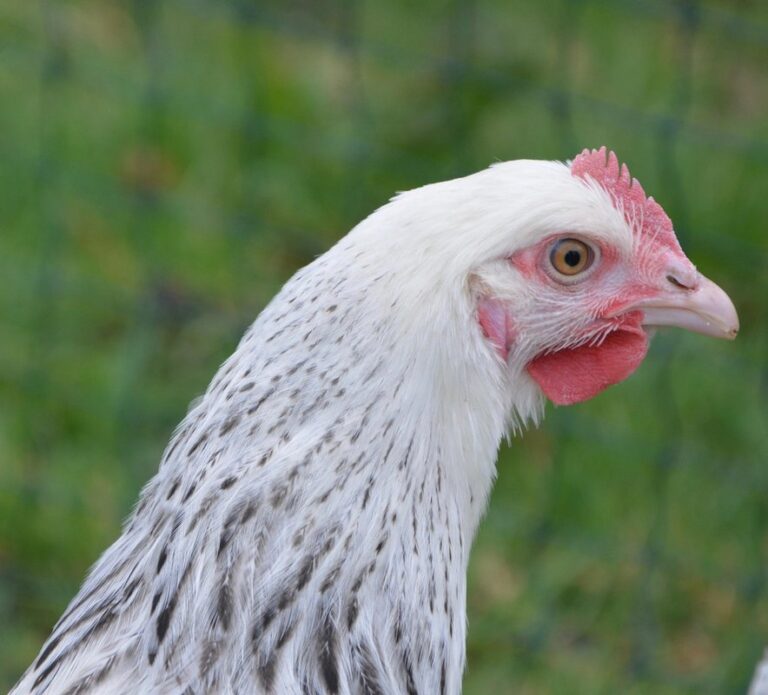
One of the key characteristics that set the Speckled Sussex apart from other breeds is its unique appearance. The birds have a distinctive speckled plumage, which features a mix of white and dark feathers giving them a mottled look. This stunning coat pattern not only adds to their charm but also helps to camouflage them in their surroundings.
In terms of temperament, the Speckled Sussex is known for being friendly, docile, and easy-going. They are highly social birds that get along well with humans and other animals, making them an excellent choice for families or those who want a low-maintenance flock. With proper care and attention, these chickens can live up to 8-10 years, providing years of entertainment and fresh eggs.
Their ability to adapt to different environments has made the Speckled Sussex a popular breed among chicken enthusiasts. Whether you’re raising them for their meat or eggs, you’ll find that they are hardy, robust birds that can thrive in a variety of conditions.
Brief Overview of Egg-Laying Habits
Speckled Sussex chickens are known for their unique egg-laying habits, which set them apart from other breeds. On average, a healthy Speckled Sussex hen will lay around 200-220 eggs per year, with an average size of approximately 60-65 grams. This frequency is relatively consistent throughout the year, although some hens may produce more or fewer eggs based on factors such as nutrition, health, and management.
It’s worth noting that egg production can slow down significantly during the winter months when daylight hours are shorter. To encourage healthy laying habits, it’s essential to provide your Speckled Sussex flock with adequate lighting, particularly during this time of year. This may involve installing artificial lighting in the coop or providing supplemental lighting through LED lights.
When caring for your Speckled Sussex hens, keep an eye on their individual egg-laying patterns and adjust feeding and management strategies accordingly. With proper care and attention to their needs, these lovely birds will reward you with a steady supply of beautiful eggs all year round.
The Unique Coloration of Speckled Sussex Eggs
Let’s take a closer look at what makes Speckled Sussex eggs truly special, and that’s their unique and beautiful coloration. You’ll notice distinctive markings on these eggs that set them apart from others in the poultry world.
Genetic Factors Contributing to Egg Color
When it comes to the striking coloration of Speckled Sussex eggs, genetics play a significant role. The distinctive speckles and overall appearance are influenced by the interaction of multiple genetic factors. One key player is melanin, a pigment responsible for producing color in birds’ feathers and eggshells.
Melanin levels and distribution determine the intensity and pattern of eggshell pigmentation. In Speckled Sussex hens, the production of eumelanin (black and dark brown pigment) and phaeomelanin (red and yellow pigment) is balanced to create the unique speckled effect. Variations in melanin expression among individuals result in a range of eggshell colors and patterns.
Understanding the genetic basis of Speckled Sussex eggs’ coloration can be fascinating for breeders and enthusiasts alike. By recognizing how genetics influence eggshell color, you can take steps to optimize breeding programs or choose hens that will lay eggs with the desired characteristics. This knowledge can also help you better appreciate the natural diversity present in these remarkable birds.
Comparison with Other Chicken Breeds’ Egg Colors
When it comes to egg color, the Speckled Sussex breed stands out from the crowd. Let’s take a look at how their eggs compare to those of other popular chicken breeds.
Australorp eggs, for instance, are typically light brown or cream-colored, while Leghorn eggs can range from white to pale blue-green. Orpingtons and Plymouth Rock chickens lay eggs with shades of pinkish-brown or light tan. In contrast, Speckled Sussex eggs boast a rich, dark brown color with distinctive speckles – a unique characteristic that sets them apart.
But what makes the Speckled Sussex egg color so distinct? It’s all about genetics. The breed’s ancestry and genetic makeup have resulted in this distinctive coloration, making their eggs recognizable at first glance. If you’re looking to add some visual interest to your backyard chicken coop, consider introducing a few Speckled Sussex hens into the mix. Their striking egg colors will surely be a conversation starter!
Characteristics and Variations in Speckled Sussex Eggs
Speckled Sussex eggs are a true marvel, boasting an array of colors that can vary from pale to deep brown, each with its unique characteristics. Let’s take a closer look at what makes these eggs so stunning.
Color Patterns: Solid, Mottled, or Pheasant-Style
When it comes to the color patterns of Speckled Sussex eggs, you’ll find that they can vary significantly. One of the most common patterns is solid brown, but did you know that these eggs can also feature mottled or pheasant-style markings? Mottled eggs have a predominantly brown background with patches of lighter and darker shades scattered throughout, while pheasant-style eggs showcase intricate patterns resembling those found on pheasants’ feathers.
Solid-colored eggs are usually a medium to dark brown hue. Some may be almost black, but they’re all still brown at heart! On the other hand, mottled eggs can feature lighter and darker shades in various combinations – some might have more prominent patches, while others will have smaller flecks dispersed throughout. Pheasant-style eggs are truly unique, with swirling patterns that resemble the bird’s plumage.
In terms of determining which type of egg you’re looking at, look for distinctive markings on the shell. If it has a solid background color, that’s an easy way to identify it as a solid-colored Speckled Sussex egg. For mottled eggs, take note of how prominent the patches are – if they’re large and scattered, it might be a mottled egg. Pheasant-style eggs will feature more intricate patterns with an almost “whirly” appearance.
It’s worth noting that individual hens may produce eggs in different color patterns as well, so you’ll notice variations within your own flock. Keep in mind that even if you’re not raising these birds yourself, you can still appreciate their unique characteristics and the diversity they bring to your egg collection!
Eggshell Texture and Quality
One of the most distinctive and fascinating aspects of Speckled Sussex eggs is their eggshell texture and quality. The texture of a speckled sussex eggshell can vary depending on several factors, including the hen’s age, nutrition, and overall health. On average, Speckled Sussex eggshells are considered to be relatively thin, measuring around 0.6-0.8 mm in thickness. This thinness contributes to their delicate nature, making them prone to cracking when handled roughly.
Factors such as humidity levels, calcium intake, and genetics can also impact the quality of the eggshell. For instance, if a hen is not receiving enough calcium through her diet, it may affect the shell’s thickness and overall quality. On the other hand, hens that have access to high-quality feed tend to lay eggs with stronger, more robust shells.
If you’re an aspiring chicken keeper, paying attention to your flock’s nutrition can make all the difference in ensuring their eggshell quality. Providing a balanced diet rich in calcium, vitamins, and minerals will not only promote strong, healthy bones but also contribute to better eggshell production. Regular monitoring of your hens’ living conditions and overall health is essential for maintaining optimal eggshell texture and quality.
Nutrition and Health Implications of Speckled Sussex Eggs
When it comes to speckled Sussex eggs, nutrition is a top concern for many chicken enthusiasts. Let’s take a closer look at how these colorful eggs affect our health and wellbeing.
Nutritional Content: Protein, Fat, and Vitamins
When it comes to nutritional content, Speckled Sussex eggs are an excellent choice for those looking to boost their diet with high-quality protein and essential vitamins. One large egg from a Speckled Sussex chicken provides approximately 6-7 grams of protein, making them an ideal option for athletes or individuals seeking to increase their muscle mass.
In terms of fat content, Speckled Sussex eggs are relatively low in saturated fats, with only about 5% of the daily recommended intake. This makes them a great choice for those watching their cholesterol levels. Vitamin-wise, Speckled Sussex eggs are an excellent source of vitamin D and B12, two essential nutrients often lacking in modern diets.
Notably, the speckles on the eggshells do not affect the nutritional content inside. Whether you choose brown or blue-green speckled eggs, the protein, fat, and vitamins will remain the same. To maximize the nutritional benefits of Speckled Sussex eggs, consider incorporating them into your diet 2-3 times a week as part of a balanced meal plan. Pairing them with whole grains or vegetables can further enhance their nutrient-dense profile.
Potential Health Benefits and Risks
Consuming Speckled Sussex eggs can offer several potential health benefits due to their rich nutritional profile. These eggs are an excellent source of high-quality protein, containing all nine essential amino acids that the human body cannot produce on its own. They also provide a good amount of omega-3 fatty acids, particularly alpha-linolenic acid (ALA), which has been linked to improved heart health and may help reduce inflammation.
However, it’s essential to consider potential risks associated with consuming Speckled Sussex eggs, especially for individuals with certain health conditions or dietary restrictions. For instance, some people may be concerned about the risk of salmonella contamination, as is the case with any raw or undercooked egg product. To minimize this risk, it’s crucial to handle and store eggs properly.
Furthermore, some individuals may need to limit their intake of cholesterol-rich foods like Speckled Sussex eggs due to high blood cholesterol levels. In such cases, it’s recommended to consume eggs in moderation as part of a balanced diet that emphasizes whole, nutrient-dense foods.
Raising Speckled Sussex Chickens for Egg-Laying
If you’re raising Speckled Sussex chickens for their eggs, you’ll want to know what to expect from their laying habits and how to encourage a steady supply. Here’s some essential information on egg-laying patterns.
Tips for Maintaining a Healthy Flock
Maintaining a healthy flock is crucial to ensure the Speckled Sussex chickens continue to thrive and produce those beautiful eggs you love. A balanced diet is essential, so make sure they have access to high-quality layer feed that’s rich in protein and calcium. Supplement their diet with fruits and vegetables like leafy greens, carrots, and berries to keep them happy and healthy.
Exercise is also vital for your flock’s well-being. Ensure they have ample space to roam and stretch their wings. You can set up a coop run or let them free-range under close supervision. Exercise will help keep them active, reduce stress, and prevent obesity.
Parasite control is another critical aspect of maintaining a healthy flock. Regularly inspect your chickens for signs of mites, lice, and fleas. Use natural remedies like diatomaceous earth or apple cider vinegar to keep these pests at bay. Clean their living quarters regularly, changing bedding and disinfecting surfaces to prevent the spread of disease.
Lastly, don’t forget to provide fresh water at all times. A clean, reliable source of water is essential for your chickens’ health and egg production.
Managing Stress to Optimize Egg Production
Managing stress in chickens is crucial for optimal egg production. When speckled Sussex hens feel anxious or overwhelmed, their bodies redirect energy away from laying eggs towards coping with the stress. To mitigate this, provide a calm and comfortable environment for your flock.
Start by ensuring adequate space and light. Overcrowding can lead to aggression and stress among chickens. Allocate enough room for each bird to move freely, about 4-5 square feet per hen indoors or 2-3 square feet in an enclosed outdoor run. Maintain cleanliness by regularly changing bedding and providing fresh water and feed.
Regular exercise also helps reduce stress in chickens. Encourage physical activity through free-ranging during the day when possible. If not feasible due to predators, consider installing a secure outdoor area where hens can roam. You can also try playing calming music for your flock or using pheromone diffusers specifically designed to calm chickens.
Lastly, consider providing enrichment activities like foraging toys filled with treats or scratching posts made from natural materials. These diversions help redirect attention away from stressors and towards enjoyable experiences. By implementing these strategies, you’ll be well on your way to creating a peaceful environment where your speckled Sussex hens can thrive.
Conclusion: Celebrating the Beauty of Speckled Sussex Eggs
Now that we’ve explored the unique characteristics of Speckled Sussex eggs, let’s take a moment to appreciate their beauty in all its colorful glory. Let’s celebrate what makes these eggs truly special.
Recap of Key Points
As we conclude our exploration of the captivating world of Speckled Sussex eggs, let’s take a moment to recap the key points that make these eggs truly unique.
We began by discussing the striking color patterns found on Speckled Sussex eggs, which range from subtle speckles to vibrant splatters. These markings are not only visually appealing but also serve as an identifying characteristic of this breed. We also touched upon the genetic factors that contribute to the egg’s coloration, highlighting the importance of genetics in determining the final appearance.
Moreover, we examined the various shades and combinations of colors that can be found on Speckled Sussex eggs, including the rare and coveted “solid blue” variant. Our discussion included practical tips for identifying and distinguishing between different egg colors, making it easier for you to recognize these beautiful eggs when they come your way. By understanding the complexities behind the coloration of Speckled Sussex eggs, we can truly appreciate their unique beauty and value.
Final Thoughts on Raising Speckled Sussex Chickens
Raising Speckled Sussex chickens for their eggs is a rewarding experience that comes with its own set of joys and challenges. If you’re considering adding these beautiful birds to your backyard flock, here are some final thoughts to keep in mind.
On the one hand, Speckled Sussex chickens are known for their friendly and docile nature, making them an excellent choice for families or beginners. They are relatively easy to care for and require minimal maintenance, which can be a blessing for those new to chicken-keeping. However, they do have high egg-laying potential, producing around 200 brown eggs per year, so you’ll need to factor in extra feed and space requirements.
It’s also essential to note that Speckled Sussex chickens are cold-hardy, but they still require adequate shelter and protection from extreme weather conditions. With proper care and attention, these lovely birds will provide you with an abundance of delicious and colorful eggs for years to come.
Frequently Asked Questions
What are the ideal living conditions for Speckled Sussex chickens to produce eggs with their unique coloration?
To encourage optimal egg production, provide a safe, spacious environment with adequate ventilation, shelter from extreme weather, and access to fresh water and nutritious feed. A balanced diet rich in calcium will also support strong, healthy bones and contribute to vibrant eggshell colors.
Can I expect the same health benefits from Speckled Sussex eggs regardless of their color pattern?
While the unique genetic factors contributing to Speckled Sussex eggs’ coloration do provide a range of health benefits, research indicates that the solid-colored eggs tend to have slightly higher nutritional content than those with mottled or pheasant-style patterns.
How can I prevent stress in my flock and optimize egg production for Speckled Sussex chickens?
To minimize stress and promote healthy egg-laying habits, prioritize providing a stable environment, maintain social bonds within the flock, ensure adequate nutrition, and monitor health regularly. Managing stress will help your hens thrive and produce high-quality eggs.
What’s the difference in nutritional content between Speckled Sussex eggs with different color patterns?
Research suggests that while all Speckled Sussex eggs offer an impressive range of nutrients, those with mottled or pheasant-style patterns tend to have slightly lower levels of certain vitamins compared to their solid-colored counterparts. However, this variation does not significantly impact the overall nutritional value.
Can I cross-breed Speckled Sussex chickens with other breeds to enhance egg production?
While it’s technically possible to cross-breed Speckled Sussex chickens with other breeds, doing so may compromise the genetic factors responsible for their unique egg coloration. To preserve the integrity of this breed and its distinctive eggs, consider raising pure-bred Speckled Sussex hens or exploring selective breeding within the breed itself.