
Are you an avid chicken keeper or thinking of adding some Speckled Sussex birds to your flock? One of the most fascinating aspects of these lovely hens is their unique egg-laying abilities. But have you ever wondered about the color and pattern of their eggs? If so, you’re in the right place! In this article, we’ll delve into the world of Speckled Sussex egg colors, including a handy chart to help you identify their distinctive markings. We’ll also cover the essential breeding traits that contribute to these characteristics, as well as valuable tips for maintaining a healthy and thriving flock. Whether you’re an experienced chicken enthusiast or just starting out, this article will provide you with the insights you need to appreciate these special eggs.
Understanding Speckled Sussex Breed Characteristics
When it comes to identifying eggshell colors, understanding the characteristics of a specific breed is crucial. Let’s break down the essential traits that define the Speckled Sussex breed.
Origin and History of the Speckled Sussex Breed
The Speckled Sussex breed has its roots in England, specifically in the South Downs region. Originating in the 19th century, this breed was developed for its exceptional egg-laying abilities and friendly temperament. As a dual-purpose bird, the Speckled Sussex was bred to provide both meat and eggs for families and small farms.
One of the unique traits that make the Speckled Sussex stand out is its distinctive speckling on the face, legs, and wings. This breed’s feathers have a beautiful mottled pattern, which gives them their name. The Speckled Sussex was a popular choice among backyard chicken keepers due to its hardiness, docility, and prolific egg-laying.
In fact, the Speckled Sussex is known for producing around 200 brown eggs per year, making it an excellent choice for those looking for a reliable and consistent egg supplier. Its friendly nature also makes them a great addition to family farms or small backyard coops. As you plan your flock, keep in mind that the Speckled Sussex breed has been a popular choice among chicken enthusiasts for over a century, and its unique characteristics make it an excellent addition to any coop.
Key Characteristics of Speckled Sussex Eggs
Speckled Sussex eggs are highly prized among chicken enthusiasts for their unique characteristics. When it comes to physical appearance, these eggs are quite distinctive. In terms of shape, Speckled Sussex eggs tend to be medium to large in size, with a slightly rounded shape and smooth texture.
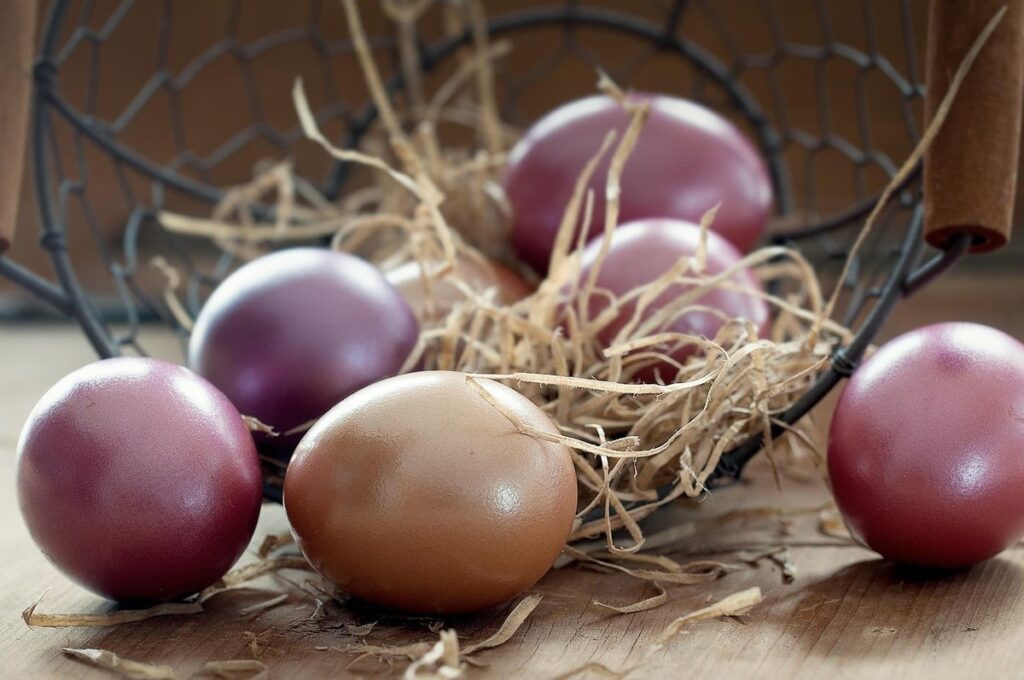
One of the most notable features of Speckled Sussex eggs is their coloration. They typically exhibit a warm brown or dark brown base color, overlaid with speckles or freckles that can range from light tan to darker brown. The speckling pattern can vary in intensity and distribution across the eggshell, making each egg unique.
In addition to their attractive coloration, Speckled Sussex eggs often feature a subtle sheen or luster on the surface. This is due to the presence of tiny ridges or imperfections that catch the light. Collectors and breeders often prize these eggs for their natural beauty and individuality.
When selecting Speckled Sussex chicks or purchasing eggs from this breed, it’s essential to note these distinctive characteristics. By understanding what to look for in terms of egg shape, size, color, and markings, you can make informed decisions about your flock or egg collection.
Identifying Egg Colors in Speckled Sussex Hens
When it comes to identifying egg colors from your Speckled Sussex hens, knowing what to look for is key. Let’s take a closer look at the various color combinations you might encounter.
Factors Influencing Egg Color
When it comes to identifying egg colors in Speckled Sussex hens, understanding the underlying biological processes is crucial. The color of an eggshell is determined by a combination of pigmentation, genetics, and environmental factors.
Pigmentation plays a significant role in determining egg color. Melanin, a protein produced by cells called melanocytes, is responsible for giving eggs their color. There are two types of melanin: eumelanin, which produces black and dark brown colors, and pheomelanin, which produces red and yellow colors. The interaction between these two types of melanin determines the final eggshell color.
Genetics also play a crucial role in determining egg color. Breeds with specific genetic traits can produce eggs with unique colorations. For example, Speckled Sussex hens have a genetic predisposition to lay speckled or mottled eggs due to their mixed-breed ancestry.
Environmental factors such as diet and age can also affect egg color. A hen’s diet rich in carotenoids, such as beta-carotene found in leafy greens, can impart a yellow or orange tint to the eggshell. As hens mature, their eggshells may darken or become more intensely colored due to increased melanin production.
By understanding these factors, you can better identify and predict the egg colors produced by your Speckled Sussex hens.
Understanding the Color Palette of Speckled Sussex Eggs
When it comes to the color palette of Speckled Sussex eggs, you’ll notice that they display an impressive range of shades and hues. One of the most distinctive features is the brown eggshell, which can vary in intensity from a light golden brown to a rich dark chocolate brown.
In addition to brown, many Speckled Sussex hens will also lay blue-green eggs, which are often described as having a turquoise or teal appearance. These eggs may exhibit subtle flecks of pink or red undertones, giving them an extra layer of visual interest.
You’ll also encounter eggs with a more pronounced pink tint, which can range from a soft pastel to a deeper magenta hue. Some hens may even lay eggs with both blue-green and pink hues present simultaneously, creating truly one-of-a-kind color combinations.
When observing the colors in your Speckled Sussex eggs, keep in mind that individual birds may display varying shades depending on factors such as diet, age, and breeding history. This means that even within a single flock, you may notice subtle differences in eggshell coloration.
To develop a deeper appreciation for the unique characteristics of your Speckled Sussex hens’ eggs, try collecting and displaying them in a safe, dry place where you can observe their natural beauty.
Creating a Comprehensive Egg Color Chart
Let’s dive into creating a detailed egg color chart for your Speckled Sussex flock, covering various shades and factors that affect their shell colors. This guide will walk you through each step of development.
Charting the Colors: A Step-by-Step Guide
Creating an accurate egg color chart for your Speckled Sussex flock requires attention to detail and a systematic approach. To start, observe the eggshell patterns closely, noting the size, shape, and distribution of speckles or other markings. Take note of any variations in color intensity, pattern uniformity, or unusual characteristics.
When recording data, consider using a standardized system for categorizing egg colors. This could involve dividing eggs into primary categories based on dominant color (e.g., blue, brown, green) and secondary categories based on secondary features (e.g., speckles, streaks). You can also use a rating system to quantify the intensity of specific traits.
For instance, you might rate the size of speckles from 1-5 or describe their shape as ’round’ or ‘irregular.’ This structured approach ensures consistency and enables accurate comparisons between eggs. When documenting your findings, include images or descriptions of each egg’s unique characteristics to facilitate identification and analysis. By following this step-by-step guide, you’ll be able to chart the colors of your Speckled Sussex flock with precision and confidence.
Interpreting Eggshell Patterns and Color Variations
Interpreting eggshell patterns and color variations is a fascinating aspect of understanding the genetics behind Speckled Sussex chickens. When you’re collecting eggs from your flock, pay attention to the unique patterns and colors that appear on each shell. The most common patterns are speckles, swirls, and blotches, but did you know that these markings can also provide clues about a hen’s health and genetic makeup?
Some eggshell color variations may be linked to nutritional deficiencies or underlying health issues in the bird. For example, pale or washed-out colors might indicate a lack of calcium in the diet. Conversely, dark brown or black markings could suggest a high level of melanin production, which may be influenced by genetics.
To decipher these patterns and colors, start by observing your flock’s overall health and well-being. Consult with experts or online resources to learn more about potential connections between eggshell color and hen health. Keep in mind that some variations are simply the result of genetic diversity and shouldn’t raise concerns about a bird’s health. By paying attention to these subtle differences, you’ll gain a deeper understanding of your flock’s individual characteristics.
Caring for Your Speckled Sussex Flock: Tips and Best Practices
To ensure your Speckled Sussex flock thrives, it’s essential to understand their specific needs, including nutrition, health checks, and coop maintenance. This section shares expert advice on how to care for your birds effectively.
Nutritional Requirements for Healthy Egg Laying
To ensure your Speckled Sussex hens produce high-quality eggs and maintain their health, it’s essential to provide them with a well-balanced diet that meets their nutritional requirements. For optimal egg production, these birds need a mix of vitamins, minerals, and protein sources.
Vitamins A and E are crucial for reproductive health and eggshell quality. Vitamin A also plays a key role in maintaining the hen’s overall health. Include foods rich in vitamin A like dark leafy greens (kale, spinach), sweet potatoes, and carrots in their diet. Vitamin E is found in abundance in nuts and seeds (sunflower seeds, flaxseeds) as well as vegetable oils.
Minerals such as calcium, phosphorus, and potassium are also vital for egg production. Laying hens require a lot of calcium to maintain strong bones and produce quality eggs. Ensure your flock has access to oyster shells or crushed eggshells which are rich in calcium. Phosphorus is essential for bone health, while potassium helps with nerve function.
A protein-rich diet is also necessary for healthy egg laying. Include high-quality protein sources like mealworms, crickets, and grains (oats, barley) in their feed. Aim to provide at least 16-18% protein content in their feed daily.
Environmental Factors Affecting Egg Color and Health
When it comes to raising a healthy and thriving Speckled Sussex flock, environmental factors play a significant role in determining eggshell color and overall well-being. Light exposure is one of the most critical environmental factors affecting egg production and quality.
Eggs laid by Speckled Sussex hens will be more vibrant in color when exposed to natural light, especially during the spring and summer months when sunlight is abundant. However, excessive direct sunlight can cause eggs to become overcooked on the outside while remaining raw on the inside, which can lead to an increased risk of contamination.
Maintaining a consistent temperature between 50°F to 80°F (10°C to 27°C) will also help regulate egg production and color. Extreme temperatures can stress the hens, leading to duller or irregularly colored eggs. Additionally, air quality is essential; dust, ammonia from manure, and other pollutants in the air can weaken the immune system of your flock.
To optimize light exposure for optimal eggshell color, provide shade during peak sun hours (usually between 11 am and 3 pm) to prevent overheating. Regular cleaning and ventilation of the coop will help maintain a healthy environment for your birds.
Troubleshooting Common Issues with Egg Color and Laying Habits
Don’t worry if your Speckled Sussex eggs aren’t laying as expected, we’ve got you covered in common issues like inconsistent coloration and irregular egg patterns.
Addressing Abnormal Eggshell Colors and Textures
If you notice an unusual eggshell color or texture from your Speckled Sussex flock, it’s essential to identify and address the issue promptly. Abnormal eggshells can be a sign of stress, dietary problems, or health issues within the flock.
Firstly, inspect the eggs carefully for any visible cracks, bruises, or stains. Check the size, shape, and texture of the eggs as well. If you notice any irregularities, it could indicate a problem with the hen’s reproductive system or overall health.
Some common abnormal eggshell colors include blue-green, pinkish-brown, or dark brown eggs. These can be caused by genetic factors, nutritional deficiencies, or exposure to certain environmental toxins. For instance, if your flock is laying blue-green eggs, it might be due to an excess of iron in their diet.
To address the issue, ensure that your hens are receiving a balanced and nutritious feed. Provide them with clean water, adequate space, and proper ventilation. If you suspect a health problem, consult with a veterinarian or poultry expert to rule out any underlying issues.
Regularly monitoring your flock’s egg-laying habits will help you catch any problems early on. By addressing abnormal eggshell colors and textures promptly, you can prevent potential health risks for your hens and maintain their overall well-being.
Strategies for Encouraging Healthy Laying Habits
When it comes to encouraging healthy laying habits in your Speckled Sussex hens, creating an optimal environment is crucial. Stress can significantly impact egg production and quality, so it’s essential to minimize their stress levels. You can do this by providing a calm and peaceful space for them to lay eggs. Ensure that the nesting box is clean, dry, and draft-free. Add some soft bedding like straw or wood shavings to make it comfortable for your hens.
Adequate space is also vital for healthy laying habits. Give each hen about 3-4 square feet of space per bird inside the coop and at least 8-10 hours of fresh air daily. Proper ventilation will not only keep them cool but also prevent ammonia buildup from their droppings. As for their diet, ensure it’s balanced and includes a mix of protein-rich foods like mealworms or crickets, as well as calcium sources like crushed eggshells.
Some practical tips to promote healthy laying habits include:
* Providing fresh water at all times
* Offering a variety of fruits and vegetables daily
* Avoiding overcrowding in the coop
* Rotating nesting boxes regularly
* Monitoring your hens’ behavior for signs of stress or discomfort
Frequently Asked Questions
Can I use a similar egg color chart for other chicken breeds?
While the Speckled Sussex breed has distinct egg-laying characteristics, understanding the fundamental principles of eggshell formation can be applied to other breeds as well. By recognizing the genetic and environmental factors that influence egg color, you can create a customized chart for your own flock or explore egg color patterns in various breeds.
How do I ensure consistency in my Speckled Sussex hens’ egg colors?
Consistency in egg color can depend on several factors, including genetics, nutrition, and living conditions. To promote consistent egg-laying habits, focus on providing a balanced diet rich in essential nutrients, maintaining a stress-free environment, and ensuring your birds receive adequate exercise and attention.
Can I crossbreed the Speckled Sussex with other breeds to change their egg colors?
While some breeds can exhibit desirable traits when crossed with others, altering the natural characteristics of a breed like the Speckled Sussex can be challenging. Genetic diversity is crucial for breeding programs; however, introducing new genes may not guarantee consistent results or the desired changes in egg color.
How do I identify eggshell abnormalities and what actions should I take?
Abnormalities such as cracks, soft spots, or unusual textures on the eggshell can be a sign of health issues within your flock. Regularly inspecting eggs for any deviations from normal patterns is crucial for monitoring your birds’ well-being. If you notice persistent problems, consult with a veterinarian to identify potential causes and implement corrective measures.
Can I use artificial lighting to influence my Speckled Sussex hens’ egg colors?
While artificial lighting can have an impact on laying habits and overall health, its direct effect on egg color is limited. A balanced diet and optimal living conditions are more critical in determining the natural pigmentation of your birds’ eggs. Consider supplementing with nutritional additives or adjusting their environment if you notice any variations in eggshell color or quality.