
If you’re a backyard chicken enthusiast or a seasoned breeder looking to add some unique charm to your flock, then the Speckled Sussex is an excellent choice. These stunning hens not only lay beautiful speckled eggs but also bring a touch of elegance and history to your coop. As a popular breed among enthusiasts, raising happy, healthy Speckled Sussex hens requires attention to their specific nutritional needs, health concerns, and breeding requirements. In this article, we’ll dive into the world of Speckled Sussex egg-laying potential and share expert tips on how to maximize their productivity while maintaining their well-being. Whether you’re a beginner or an experienced breeder, you’ll learn everything you need to know about raising successful Speckled Sussex hens for top-notch eggs and enjoyment.
Introduction to Speckled Sussex Chickens
Welcome to our journey into the world of Speckled Sussex chickens, where we’ll introduce you to their unique characteristics and traits that make them a popular choice for backyard farmers.
Origin and History of the Breed
Speckled Sussex chickens have a rich history that dates back to the 19th century in England. This breed was first developed in the county of Sussex, hence its name. Initially, they were known for their exceptional egg-laying abilities and hardiness. As time passed, they gained popularity among backyard chicken keepers due to their friendly nature, adaptability, and impressive production capabilities.
One of the key factors that contributed to their widespread adoption was their ability to thrive in a variety of climates and living conditions. Speckled Sussex chickens are known to be highly resilient, which made them an attractive choice for farmers who needed a reliable source of eggs. Their unique appearance, with distinctive speckles on their feathers, also added to their charm.
Today, Speckled Sussex chickens remain a beloved breed among backyard chicken enthusiasts. They continue to impress with their impressive egg-laying abilities and friendly disposition, making them an ideal choice for those new to keeping chickens or looking to expand their flock.
Characteristics of Speckled Sussex Hens
Speckled Sussex hens are known for their distinctive appearance and gentle nature. One of the most notable characteristics is their egg-laying ability – on average, a Speckled Sussex hen will lay around 200 large brown eggs per year. This makes them an excellent choice for backyard chicken keepers who want a reliable source of fresh eggs.
In terms of temperament, Speckled Sussex hens are friendly and docile, making them a great fit for families with children or for those new to raising chickens. They are also relatively quiet compared to some other breeds, which can be a bonus for those living in close proximity to neighbors.
However, like all breeds, Speckled Sussex hens can be prone to certain health issues. Some common problems include obesity and joint issues due to their sturdy build. Regular exercise and a balanced diet can help mitigate these risks. Additionally, keep an eye out for any signs of stress or anxiety, as this can impact egg production and overall health.
When choosing a Speckled Sussex hen, look for one that is active and alert, with a glossy plumage and bright eyes. With proper care and attention, your Speckled Sussex hen should thrive and provide you with an abundance of delicious eggs for years to come.
Understanding Speckled Sussex Egg Laying
When it comes to speckled sussex egg laying, there are a few key factors that affect how many eggs you can expect from your flock each year. Let’s break down what influences their production.
Factors Affecting Egg Laying in Speckled Sussex Chickens
When it comes to maintaining healthy egg production in your Speckled Sussex flock, several factors come into play. A well-balanced diet is essential for optimal egg laying. Ensure they’re fed a high-quality layer feed that meets their nutritional needs, supplemented with fresh fruits and vegetables as treats.
Nutritional deficiencies can significantly impact egg production. For example, a lack of calcium can lead to weaker shells, while inadequate protein can affect yolk quality. Regularly check your flock’s diet and consult with a veterinarian if you notice any issues.
Age is another crucial factor in determining egg laying capacity. Speckled Sussex hens typically begin laying eggs at around 18-20 weeks of age, with peak production occurring between 1-2 years old. After this period, egg production may gradually decline.
Environmental factors such as light exposure, temperature, and stress also play a significant role in maintaining healthy egg production. Ensure your flock has adequate access to natural light and maintain a comfortable living environment to reduce stress levels. By taking these factors into consideration, you can help promote optimal egg laying in your Speckled Sussex chickens.
Average Egg Production and Size
When it comes to egg production, Speckled Sussex hens are known for their reliability and consistency. On average, a healthy Speckled Sussex hen will lay around 200-220 eggs per year, which translates to about 4-5 eggs per week. This is slightly higher than some other heritage breeds, making them a great choice for backyard flock owners who want a steady supply of fresh eggs.
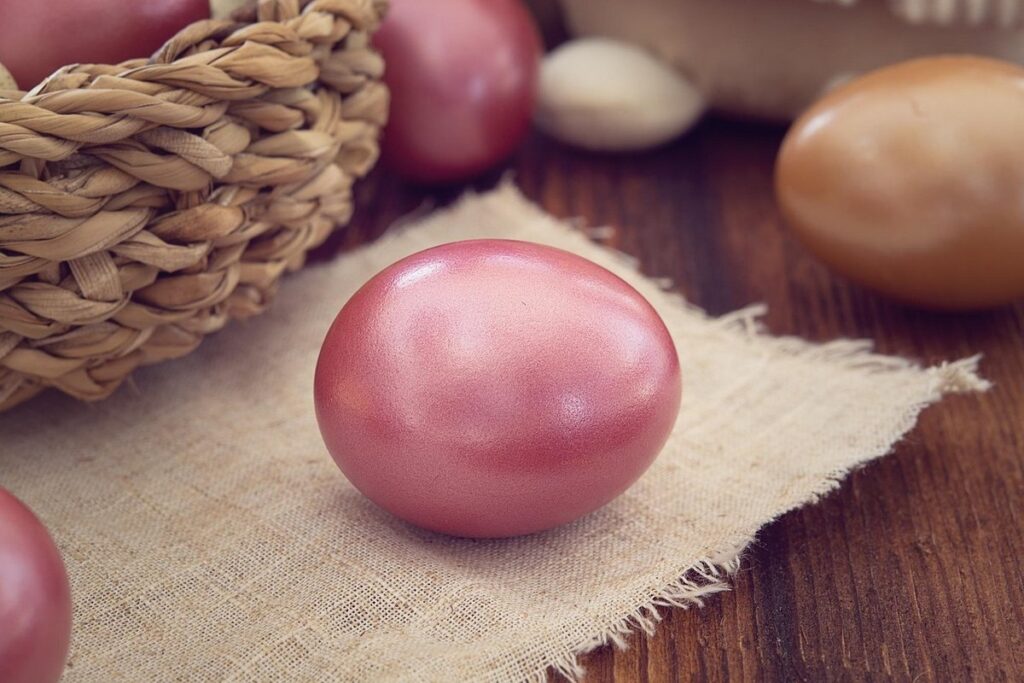
In terms of size and shape, Speckled Sussex eggs are medium-sized, with an average weight of around 50-55 grams. They have a smooth, clean surface and a moderate to strong brown color. The egg shape is typically oval, with a slightly pointed end. While egg size can vary from hen to hen, the overall appearance of a Speckled Sussex egg will be distinctive and attractive.
It’s worth noting that factors such as nutrition, health, and living conditions can all impact a hen’s egg production and quality. By providing your Speckled Sussex hens with a balanced diet, regular care, and proper shelter, you can help maximize their egg-laying potential and enjoy an abundance of fresh eggs from your backyard flock.
Caring for Your Speckled Sussex Hens
When it comes to raising your very own Speckled Sussex hens, you’ll want to know how to give them the best care possible. This section will cover essential tips for keeping your girls happy and healthy.
Nutritional Requirements and Diet
To ensure your Speckled Sussex hens lay healthy and nutritious eggs, it’s essential to provide them with a balanced diet that meets their nutritional requirements. These birds are lightweight breeds and require less feed than heavier breeds, but still need the right mix of nutrients to maintain optimal health.
A crucial aspect of their diet is protein, which should make up about 15-18% of their daily intake. This can come from high-quality layer pellets or a combination of grains, fruits, and vegetables. Calcium is also vital for building strong eggshells, so include calcium-rich foods like crushed oyster shells or dark leafy greens in their diet.
Other essential nutrients include vitamins A, D3, E, K, and B12, as well as minerals like phosphorus and potassium. You can supplement their feed with mealworms or flaxseeds to provide a boost of omega-3 fatty acids. Consider providing fresh water and a balanced feed mix specifically formulated for light breeds to ensure your Speckled Sussex hens get all the necessary nutrients for optimal health and egg production.
Health Considerations and Preventative Measures
As a proud owner of Speckled Sussex hens, it’s essential to be aware of common health issues that can affect them. One of the most prevalent health concerns is respiratory problems, which can be caused by dust and bacteria in the coop. To prevent this, ensure good ventilation in your henhouse by installing windows or using a fan to circulate air.
Another crucial aspect of maintaining their health is keeping their living space clean. Regularly remove droppings and debris from the coop, and disinfect any surfaces with a pet-safe cleaner. You can also take preventative measures by providing a balanced diet rich in nutrients and ensuring access to fresh water at all times.
Parasites like mites and lice are another common issue that Speckled Sussex hens may face. To prevent infestations, inspect your flock regularly for signs of parasites and use natural remedies such as diatomaceous earth or apple cider vinegar to keep them under control.
By taking these simple steps, you can help maintain the health and well-being of your beloved hens, ensuring they continue to produce delicious eggs for years to come. Remember to also monitor their behavior and consult with a veterinarian if you notice any unusual signs or symptoms.
Raising Speckled Sussex Chicks
Congratulations on bringing home your adorable Speckled Sussex chicks! This section will guide you through their first few weeks, covering essential care and development milestones.
Brooding and Starting Pointers for New Owners
Brooding and starting speckled Sussex chicks requires attention to detail and a gentle touch. As a new owner, it’s essential to provide a safe and nurturing environment for these fragile little creatures.
When introducing the chicks to their brooder, ensure the temperature is around 90-95°F (32-35°C) during the first week. Gradually decrease the heat by 5°F (3°C) every few days until you reach a comfortable temperature of around 70-75°F (21-24°C). Use a thermometer to monitor the temperature and make adjustments as needed.
Provide a shallow dish for water and a separate feeder for starter feed, placed just above the chicks’ beaks. Keep the brooder draft-free and ensure adequate ventilation to prevent respiratory issues.
Chick care also involves maintaining a clean environment. Remove any soiled bedding, disinfect the brooder regularly, and provide fresh food and water daily. Handle the chicks gently, supporting their bodies rather than holding them by their legs.
Monitor for signs of stress or illness, such as lethargy, loss of appetite, or labored breathing. Consult a veterinarian if you notice any unusual behavior or symptoms.
Integrating Chickens into Your Flock
When you’re ready to expand your flock with Speckled Sussex chicks, it’s essential to integrate them smoothly to avoid stressing out your existing hens. A sudden introduction can lead to pecking orders and territorial disputes, which may affect egg production.
To prevent this, start by setting up a separate area for the new arrivals. This “chick zone” should have its own food and water sources, as well as adequate shelter from the elements. Once your chicks are around 4-6 weeks old, you can begin to introduce them to the rest of the flock.
To do this, place the chick enclosure near the established hens’ coop for a few days, allowing them to get accustomed to each other’s presence and sounds without direct contact. Then, under close supervision, swap out some of the existing birds with the chicks in the shared enclosure, gradually increasing their interaction time over several hours.
Monitor your flock’s behavior closely during this process, as every bird is unique. With patience and careful planning, you can create a harmonious environment where all your hens feel secure and welcome each other into the fold.
Breeding and Hatching Speckled Sussex Eggs
To successfully breed and hatch your own speckled sussex eggs, you’ll need to understand the specific needs of these birds and how to replicate their breeding habits. This section will walk you through those essential details.
Understanding the Breeding Process
When it comes to breeding Speckled Sussex eggs, understanding the process is crucial for producing healthy and robust chicks. The first step is selecting suitable parents. Look for birds that exhibit excellent temperament, egg-laying abilities, and conformation. It’s essential to choose a male and female with complementary characteristics to ensure genetic diversity.
The ideal incubation period for Speckled Sussex eggs is 21 days. However, this can vary depending on temperature, humidity, and individual factors. A consistent temperature range between 99°F and 100°F (37°C-38°C) is essential for proper development.
During the 21-day incubation period, you’ll witness remarkable growth and development in the embryos. After day 18, chicks begin to move into position for hatching, and by day 21, they’re fully developed and ready to pip out of their shells.
To increase your chances of success, make sure to monitor temperature fluctuations closely and maintain a consistent environment within the incubator. By doing so, you’ll be rewarded with healthy, thriving Speckled Sussex chicks that will grow into magnificent birds.
Tips on Raising Healthy Chicks from Hatch
Raising healthy chicks from hatch requires attention to detail and a commitment to providing optimal conditions for growth. When you bring home those precious eggs from the incubator, it’s essential to create an environment that mimics their natural setting.
First and foremost, temperature control is crucial. You’ll want to maintain a consistent temperature of around 90-95°F (32-35°C) for the first 48 hours after hatch, gradually reducing it by 5-10°F (3-6°C) every day until it reaches ambient temperatures. This will help regulate their metabolism and prevent overheating.
Proper feeding is also vital. Offer a starter feed specifically designed for chicks within the first few days of hatching. Provide fresh water at all times, and make sure the chick’s container or brooder has adequate ventilation to prevent ammonia buildup.
Monitor your chicks’ health closely, watching out for signs of stress, illness, or injury. Check their droppings daily, and ensure they’re eating and drinking normally. By providing a nurturing environment and attentive care, you’ll be well on your way to raising healthy Speckled Sussex chicks that will grow into robust adults.
Conclusion: Celebrating the Joy of Speckled Sussex Eggs
As we conclude our journey through the wonderful world of Speckled Sussex eggs, let’s take a moment to appreciate the joy they bring to our plates and lives. Here are some final thoughts on why these eggs truly stand out.
Recap of Key Points Covered in the Guide
As we conclude our comprehensive guide to Speckled Sussex eggs, let’s recap the essential points covered throughout this journey. To ensure optimal egg production, it’s crucial to provide proper care for your hens. This includes providing a balanced diet rich in nutrients, access to clean and fresh water, and adequate space to roam.
Proper nutrition was also emphasized as a vital component of healthy egg-laying. A well-formulated layer feed should be supplemented with fruits, vegetables, and omega-3 fatty acids to support the hens’ overall health. For instance, adding dark leafy greens like kale or spinach to their diet can provide essential vitamins and minerals.
Furthermore, a suitable environment was highlighted as critical for egg production. This encompasses providing adequate shelter from extreme weather conditions, ensuring good ventilation, and maintaining a clean coop. By prioritizing these factors, you’ll be well on your way to raising healthy, happy hens that will reward you with an abundance of delicious Speckled Sussex eggs. Remember, every small step counts in creating the perfect environment for your girls.
Encouraging Sustainable Backyard Chicken Keeping
When it comes to enjoying the benefits of speckled Sussex eggs, many enthusiasts are discovering the joy of sustainable backyard chicken keeping. Not only does this practice contribute to a reduced carbon footprint by reducing reliance on industrial farming and transportation, but it also provides an abundance of fresh, nutritious eggs right in your own yard.
One of the most significant advantages of raising chickens is the involvement it brings to families. Children can learn about responsibility, where their food comes from, and the importance of caring for another living creature. With a few simple steps, you can start your own backyard flock and reap these rewards. First, consider building or purchasing a coop that meets local regulations and provides protection from predators.
When selecting breeds, look for those suitable for small spaces, such as the Speckled Sussex itself. Next, obtain eggs-laying chickens that are friendly, hardy, and easy to care for. Introduce your flock slowly and under close supervision to ensure they get along peacefully. Finally, commit to regular egg collection, coop cleaning, and providing fresh food and water daily.
By incorporating these practices into your backyard chicken keeping routine, you’ll not only enjoy the satisfaction of collecting eggs from your own yard but also contribute to a more sustainable lifestyle for years to come.
Frequently Asked Questions
How do I ensure my Speckled Sussex hens get enough protein for optimal egg production?
Speckled Sussex chickens require a balanced diet rich in protein, especially during peak laying seasons. Consider supplementing their feed with high-protein ingredients like mealworms or crickets. You can also offer them access to fresh fruits and vegetables as treats. Aim for 16-18% protein content in their feed to support egg production.
Can I keep Speckled Sussex chickens in small backyard flocks, or do they require a larger space?
Yes, Speckled Sussex chickens are suitable for smaller backyard flocks. They are relatively quiet, gentle, and easy-going, making them an excellent choice for urban or suburban settings. However, ensure you provide enough space (about 2-4 square feet per bird) and shelter to accommodate their needs.
How often should I collect eggs from my Speckled Sussex hens, and what’s the ideal storage method?
Collect eggs daily, if possible, to prevent damage and maintain cleanliness. Store them in a cool, dry place with good ventilation, away from direct sunlight. Keep them pointed end down to prevent moisture accumulation. For longer-term storage, consider refrigerating eggs at 40°F (4°C) or below.
Can I breed my Speckled Sussex hens with other breeds, and what are the benefits of crossbreeding?
Yes, you can breed your Speckled Sussex hens with other breeds to create unique characteristics. Crossbreeding can introduce new traits like increased egg size, improved fertility, or enhanced hardiness. However, be cautious when introducing new bloodlines to ensure compatibility and minimize the risk of genetic disorders.
How do I recognize signs of heat stress in my Speckled Sussex hens, especially during hot summer months?
Watch for symptoms like panting, lethargy, and loss of appetite. Provide shade, cool water, and a balanced diet to prevent heat-related issues. Consider adding electrolyte supplements or giving them access to shaded areas with circulating air. Monitor temperature fluctuations and adjust their living conditions accordingly to maintain their comfort and well-being.