
As the weather warms up and spring arrives, many backyard chicken keepers are eager to get their flocks thriving. But did you know that this season brings unique challenges for your feathered friends? Spring is a critical time for chicken care, from adjusting their nutrition and health routines to managing behavior and breeding cycles. As a responsible and dedicated poultry owner, it’s essential to understand how to give your hens the best chance at a happy and healthy life during this pivotal period. In this ultimate guide, we’ll dive into expert tips on spring chicken care, covering everything from providing optimal nutrition and health support to recognizing behavior changes and breeding considerations. Whether you’re an experienced breeder or just starting out, our comprehensive guide will help you raise resilient and productive hens all season long.
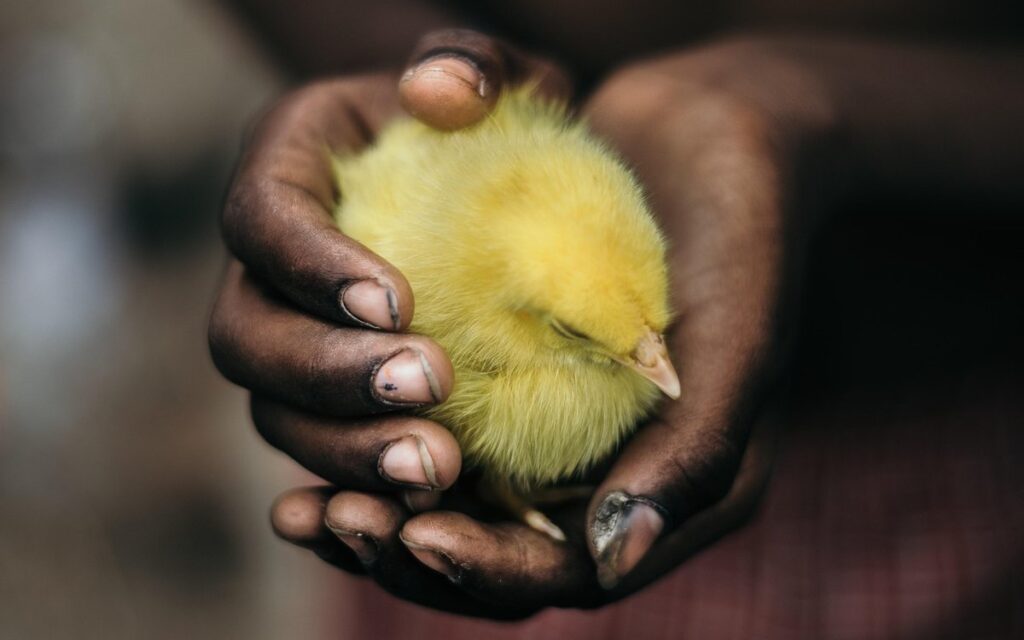
Understanding the Basics of Spring Chickens
Understanding the Basics of Spring Chickens is essential for new owners, so let’s start with the fundamentals of these adorable birds and their unique needs. Let’s dive into what makes them tick!
Importance of Proper Nutrition
Proper nutrition is vital for spring chickens to stay healthy and thrive. As these young birds grow rapidly during their first few weeks of life, they require a nutrient-rich diet to support their development. A well-balanced feed should contain the essential nutrients that spring chickens need to stay healthy.
At the top of the list are proteins, which help build muscles, feathers, and other body tissues. Spring chickens need about 18-20% protein in their diet to support growth and maintenance. You can also supplement with mealworms or crickets for a boost of protein-rich nutrients.
Calcium is another critical nutrient that spring chickens require, particularly during the laying stage when they’re producing eggs. A calcium-deficient diet can lead to weakened eggshells, brittle bones, and other health issues. Include crushed oyster shells or dark leafy greens like kale in their feed to ensure adequate calcium intake.
Vitamins A, D3, and E are also essential for overall health, immune function, and eye health. You can add a vitamin supplement specifically formulated for chickens to their diet or increase their exposure to natural light to boost vitamin D3 production.
Housing and Environment Considerations
When it comes to raising spring chickens, providing a safe and comfortable environment is crucial for their health and well-being. This includes ensuring they have adequate space to roam, stretch their wings, and engage in natural behaviors.
A minimum of 2-4 square feet of space per bird inside the coop is recommended, with additional outdoor areas for exercise and foraging. The coop itself should be well-ventilated to prevent ammonia buildup from droppings and moisture accumulation. Consider installing windows or vents that allow fresh air to circulate while keeping out predators.
Predator protection is also essential, as spring chickens are more vulnerable due to their age and size. Secure the coop with strong doors and hardware cloth around any openings, extending at least 12 inches below ground level to prevent digging. Use a secure latch system that’s easy to open but difficult for predators to breach.
Introduction to Spring Chicken Health
As we welcome warmer weather, it’s essential to consider your flock’s health and well-being during the spring season. This section covers the basics of maintaining healthy chickens in the new environment.
Common Health Issues in Spring Chickens
As spring chicken season approaches, it’s essential to be aware of the common health issues that can affect these young birds. Respiratory problems are a major concern, especially during periods of rapid growth and development. Bacterial infections such as Mycoplasma gallisepticum (MG) and Erysipelothrix rhusiopathiae (ER) can cause serious health issues if left untreated.
Parasites like mites, lice, and fleas can also infest spring chickens, leading to anemia, stress, and discomfort. These external parasites can be difficult to detect, but regular inspections of the coop and flock are crucial in preventing their spread.
Bacterial infections can often be prevented through good hygiene practices such as cleaning feeders, waterers, and coops regularly. Vaccination programs may also be necessary for some flocks, especially those at high risk. Regular check-ups with a veterinarian will help identify any potential issues early on, allowing for prompt treatment and minimizing the risk of further complications.
By being proactive in monitoring your spring chickens’ health, you can prevent many common problems from arising and ensure they remain healthy throughout their lives.
Recognizing Early Warning Signs of Illness
Recognizing early warning signs of illness is crucial to prevent health issues from escalating into severe problems. As a chicken owner, you must be attentive to subtle changes in your spring chickens’ behavior, appetite, and droppings.
Pay attention to their appetite – if they show less interest in food or eat only occasionally, it could indicate an underlying issue. Changes in eating habits can be early warning signs of diseases like respiratory problems or nutritional deficiencies. Similarly, a noticeable increase or decrease in the number of droppings can signal health issues such as kidney problems or gastrointestinal infections.
Monitor your chickens’ behavior closely for any changes. For example, if they become lethargic, depressed, or show aggression towards others, it may be a sign of illness or stress. Regularly observing their behavior and body language will help you catch potential health problems early on.
Caring for Spring Chickens During Molt
As spring molting approaches, your chickens will need extra care and attention to stay healthy and happy. This section will walk you through the specific needs of your flock during this critical period.
Understanding the Molting Process
As spring arrives, you may notice that your chickens are undergoing a significant transformation. This is known as molting, a natural process where they shed their old feathers to make way for new ones. But what exactly happens during this time, and how can you support your flock’s health and well-being?
Molting can be stressful for spring chickens, especially if it coincides with other changes in their environment or diet. A drop in daylight hours, temperature fluctuations, or a sudden change in feed can cause them to feel anxious and stressed, leading to behavioral issues like pacing, feather pecking, or even egg production cessation.
To mitigate this stress, ensure that your chickens’ nutritional needs are met during molting. Provide a balanced diet rich in protein, calcium, and vitamins A and D3 to support feather regrowth. Offer treats like leafy greens, fruits, and mealworms to keep them occupied and satisfied. Additionally, maintain a clean and comfortable coop with adequate ventilation to reduce stress.
During this period, it’s essential to be patient and understanding as your chickens focus on growing new feathers. Monitor their progress closely, and be prepared for potential feather loss or uneven growth. With proper care and attention, your spring chickens will emerge from molting stronger, healthier, and more resilient than ever before.
Tips for Supporting Healthy Molt
When it’s time for your spring chickens to molt, their feathers will fall out and new ones will grow in. This natural process can be stressful on the birds, but with a little extra care, you can support healthy molt and ensure they come out looking and feeling their best.
A balanced diet is essential during molting. Make sure your flock has access to high-quality layer feed that’s rich in protein and calcium. You can also supplement with fresh fruits and vegetables like leafy greens, carrots, and sweet potatoes. Some owners even offer a special molting mix that’s formulated to promote healthy feather growth.
Maintaining good hygiene is crucial during molt. Remove any soiled bedding, clean the coop regularly, and make sure your flock has access to plenty of water. Stress reduction is also key – try providing some extra hiding places or enrichment activities like foraging toys or puzzles.
By following these simple tips, you can help support healthy molt in your spring chickens and ensure they stay happy and healthy throughout the molting process.
Spring Chicken Behavior and Socialization
As you introduce new spring chickens to your flock, understanding their behavior and social dynamics is crucial for a harmonious coop environment. In this next part of our comprehensive guide, we’ll explore these essential elements.
Understanding Spring Chicken Temperament
When it comes to understanding the temperament of spring chickens, one thing is clear: they are not your average backyard chicken. Spring chickens have a unique personality that’s shaped by their breed, age, and life experiences.
One key aspect of spring chicken temperament is their social needs. While some breeds are naturally flock-oriented, others may be more independent or even aggressive. For example, Orpingtons and Plymouth Rocks tend to be gentle and easy-going, making them perfect for families with children. On the other hand, Leghorns can be a bit more feisty and require more attention and social interaction.
In terms of behavior around humans, spring chickens are known to be intelligent and curious creatures. They thrive on routine and enjoy interacting with their owners, whether it’s through feeding time or simply being petted. To build trust and strengthen the bond between you and your spring chicken, try offering treats by hand and engaging in playtime activities like hide-and-seek or foraging games.
It’s also essential to recognize that each spring chicken has its own personality quirks, just like humans do. By observing their behavior and responding to their individual needs, you can create a harmonious and happy home for your feathered friends.
Building Trust with Your Spring Chickens
Building trust with your spring chickens is crucial for their well-being and safety. Since they’re young, it’s essential to establish a strong bond from an early age. Start by letting them get accustomed to your presence in their enclosure. Begin by sitting near them, then gradually increase interaction time while providing treats.
When handling your chicks, move slowly and calmly to avoid startling them. Support their body, rather than lifting them, to prevent injury. Gently pick up each chick individually, making sure not to grasp them too tightly. This will help them become comfortable with being handled. During feeding, use a shallow dish to allow them to eat comfortably while also giving you an opportunity to interact.
Be mindful of your body language and tone when interacting with the chicks. Speak softly and avoid sudden movements, as these can be intimidating. Regular handling, feeding, and interaction will help establish trust between you and your spring chickens. By doing so, they’ll become more confident and docile, making them easier to care for and handle as adults.
Breeding and Raising Spring Chicks
When it comes to breeding and raising spring chicks, understanding their unique needs is crucial for success. This section will cover the essential care and requirements for these young birds during their critical early stages.
Choosing a Breed for Your Needs
When it comes to choosing the perfect breed for your spring chicks, there are several factors to consider. First and foremost, think about what you want from your flock: eggs, meat, or a combination of both. Some breeds are prolific egg-layers, such as Leghorns and Rhode Island Reds, which can produce up to 300 large eggs per year. Others, like Orpingtons and Plymouth Rock, are better suited for their rich, tender meat.
Consider the temperament of your chicks too – some breeds are more docile and friendly, while others can be quite feisty. For example, Silkies are known for their gentle nature, making them a great choice for families with children. On the other hand, Ameraucanas are often described as bold and assertive.
Ultimately, it’s essential to research different breeds and consider your lifestyle, climate, and resources before making a decision. You may also want to consult with experienced breeders or farmers to get a better understanding of each breed’s unique characteristics.
Raising Healthy Spring Chicks
Raising healthy spring chicks requires careful attention to detail from incubation to vaccination. Before hatching, make sure you’ve chosen a reputable hatchery and followed proper incubation techniques to ensure optimal chick development. This includes maintaining the right temperature, humidity, and turning the eggs regularly.
Once the chicks arrive, create a warm and draft-free brooder with adequate ventilation. Provide a starter feed that’s rich in protein to support growth and development. Keep the brooder clean by removing soiled bedding daily and disinfecting all surfaces. Monitor chick health closely, looking for signs of illness or stress such as lethargy, labored breathing, or droopy wings.
Vaccination is also crucial in protecting your chicks from common diseases like Marek’s disease and Newcastle disease. Consult with a veterinarian to determine the best vaccination schedule for your flock. Typically, this involves vaccinating chicks at 1-2 days old followed by booster shots at 4-6 weeks old. Follow all vaccination guidelines carefully to ensure the health and safety of your spring chicks.
Advanced Topics in Spring Chicken Care
As you progress with spring chicken care, you’ll need to tackle more complex issues that ensure your flock’s health and well-being, from disease prevention to coop maintenance. These advanced topics require careful attention to avoid common pitfalls.
Managing Pests and Diseases
As your flock grows and thrives during the spring season, it’s essential to implement advanced strategies for managing pests and diseases. Integrated Pest Management (IPM) techniques are a proactive approach that combines physical, cultural, biological, and chemical controls to minimize harm to both humans and animals.
Start by identifying potential entry points and sources of contamination in your coop and run. Regularly clean and disinfect these areas with a 10% bleach solution, paying particular attention to nesting boxes, roosts, and feeding troughs. Implement biosecurity measures such as foot baths for visitors, and ensure all new birds are quarantined before introduction to the main flock.
Consider introducing beneficial insects like ladybugs or lacewings to control external parasites. For internal parasites, use medications specifically labeled for chickens and always follow the recommended dosages. Monitor your flock’s health closely, watching for signs of illness or stress. Keep accurate records of vaccinations, treatments, and any notable health issues to ensure you can make informed decisions about future management strategies.
Record Keeping and Health Monitoring
Keeping accurate records of your spring chicken’s health, behavior, and productivity is crucial for making informed decisions about their care. This not only helps you identify potential issues early on but also allows you to track progress over time. Start by creating a spreadsheet or using a dedicated app to record important information such as feed intake, egg production, and any notable behaviors or health changes.
Regularly monitoring your spring chicken’s health is equally important. This includes checking for signs of illness, injury, or stress on a daily basis, such as unusual droppings, feather loss, or lethargy. Adjustments may need to be made to their diet, living conditions, or parasite control measures based on what you observe.
Remember that even small changes can have a significant impact on your spring chicken’s overall well-being. By staying vigilant and making adjustments as needed, you’ll be able to provide the best possible care for them.
Frequently Asked Questions
What are some common signs of nutritional deficiencies in spring chickens, and how can I address them?
Nutritional deficiencies can manifest as lethargy, feather loss, or reproductive issues. To prevent this, ensure you’re providing a balanced feed that meets your flock’s specific needs. You can also supplement with calcium for strong eggshell production and vitamin D3 to support immune function.
How often should I collect eggs from my spring chickens during molting, and what are the implications of not collecting them regularly?
Collecting eggs daily is crucial during molting as it prevents breakage and allows you to monitor egg quality. Failure to do so may lead to broken eggs, which can attract pests and create health hazards.
Can I introduce new chickens to my existing flock in spring, or will this disrupt their breeding cycles?
Yes, introducing new chickens in spring won’t significantly impact breeding cycles if done correctly. However, ensure a smooth transition by quarantining new birds for 30 days before integrating them into your main flock.
What are some essential record-keeping habits I should maintain to monitor my spring chicken’s health and productivity?
Keep detailed records of feeding schedules, egg production, molting patterns, and any health issues. This will enable you to identify trends, make data-driven decisions, and adjust your care routine accordingly.
Are there specific precautions I should take when breeding for certain traits in spring chickens, and how can I ensure genetic diversity within my flock?
Yes, consider factors like linebreeding, inbreeding, and outbreeding when selecting parents. To maintain genetic diversity, introduce new breeds or bloodlines every 5-10 generations to avoid inbreeding depression and promote robust offspring.