
If you’re looking to give your feathered friends a healthy boost, you’re in luck. Squash is a nutritious treat that can have a significant impact on your chickens’ overall well-being. Not only does it provide essential vitamins and minerals, but it also supports improved egg production, immune function, and digestive health – all of which are crucial for happy, healthy hens. However, introducing squash into their diet requires some planning to ensure they get the benefits without upsetting their tummies. In this article, we’ll show you how to safely incorporate squash into your chickens’ menu and create a balanced, nutritious diet that meets all their needs.
Section 1: Why Feed Your Chickens Squash?
If you’re considering adding squash to your chicken’s diet, you might be wondering what makes it so beneficial for them. Let’s explore why feeding squash is a great idea.
The Nutritional Value of Squash
Squash is an excellent addition to your chicken’s diet due to its impressive nutritional profile. Not only does it provide a good source of fiber and water content, but it also contains essential vitamins, minerals, and antioxidants that promote overall health.
One of the standout features of squash is its high water content, which can be especially beneficial during hot summer months when chickens may need an extra boost to stay hydrated. In addition to water, squash is rich in vitamins A and C, potassium, magnesium, and manganese – all of which are crucial for maintaining healthy skin, feathers, and muscles.
Squash also contains a variety of antioxidants that help protect your flock from oxidative stress and inflammation. These antioxidants can aid in reducing the risk of chronic diseases such as cancer and heart disease. To incorporate squash into your chicken’s diet, try adding cooked or raw pieces to their feed 1-2 times per week. You can also use it as a treat by cutting it into bite-sized chunks and serving it fresh.
Types of Squash Suitable for Chickens
When it comes to incorporating squash into your chickens’ diet, you’ll want to explore various types that cater to their nutritional needs and palatability. Acorn squash is an excellent choice, as its sweet and nutty flavor makes it a hit with hens. Rich in vitamins A and C, potassium, and fiber, acorn squash provides essential nutrients for your flock’s overall health.
Butternut squash is another popular option, boasting high levels of vitamin A and beta-carotene. Its smooth, creamy texture also makes it an appealing addition to mealtime. Simply chop or cook the squash before serving it to your chickens – they’ll appreciate the novel flavor and texture.
Crookneck squash, with its curved neck and bright yellow color, is a great source of vitamin C and potassium. Hens will enjoy munching on its tender flesh, and you can even use it in soups and stews as a nutritious additive for your flock’s diet. Be sure to cut the squash into manageable pieces or cook it thoroughly before serving – chickens can choke on large chunks.
Consider mixing different types of squash to keep mealtime interesting and varied for your hens.
Introducing Squash into Your Chicken’s Diet
Introducing squash to your chicken’s diet can be a thrilling experience for both you and your feathered friends. However, it’s essential to do so gradually to prevent digestive issues that may arise from sudden changes. Start by offering a small amount of cooked or raw squash as a treat, mixed with their regular feed. This allows their digestive system to adjust slowly.
As they become accustomed to the new flavor and texture, you can gradually increase the proportion of squash in their diet. A good rule of thumb is to introduce it 10-15% at first, then increase it to 25-30% over a period of days or weeks. Observe your chickens’ behavior and adjust accordingly – if they show signs of discomfort or lethargy, slow down the transition.
Some chicken owners have reported excellent results by offering their flock a variety of squash types, such as butternut, acorn, or spaghetti squash. Experiment with different varieties to determine which one your birds prefer. Keep in mind that some chickens might be more sensitive than others, so it’s crucial to monitor their health and adjust the introduction process as needed.
Section 2: Benefits of Feeding Squash to Chickens
Feeding squash to your chickens can bring a host of benefits, from improved egg production to enhanced overall health and well-being. Let’s explore the advantages of adding squash to their diet.
Boosting Egg Production and Quality
Feeding squash to chickens can have a significant impact on their egg production and quality. Many backyard chicken keepers have reported an increase in egg quantity and quality after incorporating squash into their flock’s diet.
One of the primary reasons for this boost is the high water content of squash, which helps to keep hens hydrated and satisfied. This is particularly important during hot summer months when chickens may struggle to access sufficient drinking water. Additionally, the fiber-rich nutrients found in squash support healthy digestion, reducing the likelihood of issues like coccidiosis.
In terms of egg quality, squash has been shown to have a positive effect on yolk coloration and size. The high levels of beta-carotene and other carotenoids present in squash contribute to richer, more vibrant yolks, making them highly sought after by many consumers. To reap these benefits, try feeding your hens cooked or raw squash (about 1-2 cups per week) as a treat or mixed into their regular feed. Some popular varieties for chicken-friendly use include acorn, butternut, and yellow crookneck.
Supporting Immune Function
When it comes to raising healthy chickens, supporting their immune function is crucial. A robust immune system helps your flock fight off diseases and infections, reducing the need for antibiotics and other medications. Squash plays a vital role in boosting immune function in several ways.
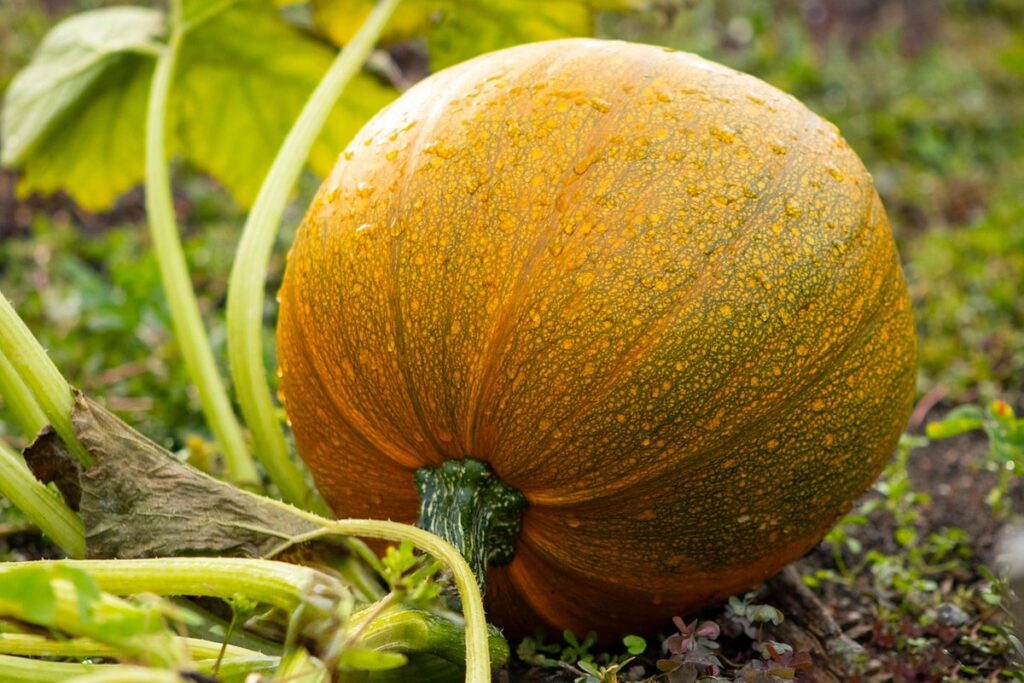
Firstly, squash is rich in vitamin C, which acts as a natural antiviral and antibacterial agent, helping to prevent illnesses from taking hold. Pumpkins, in particular, are an excellent source of vitamin C, with one cup providing nearly 50% of the daily recommended intake for chickens. Vitamin C also supports the production of white blood cells, which fight off infections.
Another way squash supports immune function is by reducing stress levels in your flock. When chickens experience stress, their immune system becomes compromised, making them more susceptible to illness. Squash’s high water content and fiber help keep your chickens hydrated and regular, reducing the risk of stress-related health issues.
Enhancing Digestive Health
When it comes to feeding squash to chickens, one of the most significant benefits is its impact on digestive health. Squash contains prebiotic fibers that serve as food for beneficial gut bacteria, supporting a healthy balance of microorganisms in the chicken’s gut microbiome.
The gut microbiome plays a crucial role in maintaining overall health, and research suggests that imbalances can lead to issues such as diarrhea, respiratory problems, and even reduced egg production. By incorporating squash into your flock’s diet, you’re providing them with essential nutrients that promote a thriving gut ecosystem.
A simple way to incorporate squash is by adding it to their regular feed in moderation. Start with small amounts (about 10-15% of their daily ration) and gradually increase the proportion as they acclimate to the new food source. Some farmers also report success with mashing cooked squash into their feed or offering it as a treat on its own.
By prioritizing digestive health, you’ll not only improve your flock’s overall well-being but also reduce reliance on antibiotics and other medications that can have negative side effects.
Section 3: Preparing Squash for Your Chickens
To ensure your chickens stay healthy and safe, we’ll cover how to properly prepare squash by cleaning, cutting, and drying it before serving as a nutritious treat. This is crucial for optimal digestibility.
Cooking vs. Raw Squash
When it comes to preparing squash for your chickens, one of the main considerations is whether to feed them cooked or raw squash. Both options have their benefits and drawbacks, which we’ll explore below.
Cooking squash can be beneficial because it breaks down some of the cell walls, making it easier for your chickens to digest. It also helps to kill off any bacteria that may be present on the surface of the squash. However, cooking can also destroy some of the natural nutrients found in raw squash, such as vitamin C and B vitamins.
To cook squash, you can try steaming or boiling it for 10-15 minutes, then let it cool before serving to your chickens. Roasting is another option, but be careful not to overcook the squash, as this can cause it to become mushy and unpalatable to your birds.
Raw squash, on the other hand, provides a more natural source of nutrients for your chickens. It’s also lower in calories compared to cooked squash, which can be beneficial if you’re trying to manage your flock’s weight. However, raw squash may be harder for your chickens to digest, especially if they’re not used to eating it.
If you do choose to feed raw squash, make sure to cut it into small pieces or chop it up finely to prevent any choking hazards. A good rule of thumb is to start with small amounts and gradually increase the amount as your flock becomes accustomed to the new food source.
Chopping and Serving Suggestions
When it comes to serving squash to your chickens, chopping and presenting it in an appealing way is just as important as providing fresh water and a clean living space. Chickens have unique personalities, so what works for one flock may not work for another, but there are some general guidelines you can follow.
To start with, choose the right size of squash pieces for your flock. Chickens love to scratch and peck at food, so smaller pieces make it easier for them to access and eat. Aim for about 1-inch cubes or even smaller if possible. You can also try cutting the squash into strips or wedges for a change of pace.
When serving squash, place it in a safe location where your chickens can easily access it without creating a mess. A feeding tray or dish specifically designed for outdoor use is perfect for this purpose. Make sure to wash your hands before and after handling food to avoid transferring any bacteria to the squash.
Some tips to keep in mind: serve squash at room temperature, not straight from the refrigerator, as chickens can be sensitive to cold temperatures. Also, make sure the squash pieces are not too large or dense for your flock to eat comfortably.
Tips for Storage and Handling
When storing and handling squash for your flock, it’s essential to take steps that prevent spoilage and ensure freshness. Squash is a nutrient-rich treat that can go bad quickly if not stored properly. Begin by washing the squash thoroughly before storage to remove dirt and bacteria.
Store whole or cut squash in a cool, dry place away from direct sunlight. You can store them in paper bags, breathable containers, or mesh bags to allow air circulation. Avoid storing squash near heat sources or in humid environments, as this can lead to mold and spoilage.
When handling squash, make sure to wash your hands before and after touching the fruit. If you’re cutting squash for your chickens, use a clean knife and cutting board to prevent cross-contamination. Also, ensure that the cut squash is served fresh to your flock within a day or two of preparation. Remember, a healthy and happy flock starts with nutritious and fresh food – including squash!
Section 4: Potential Risks and Considerations
While providing squash for your chickens can be a great way to supplement their diet, there are some potential risks and considerations you should be aware of before offering it to them regularly. Let’s take a closer look at these important factors.
Overfeeding and Obesity
When it comes to feeding squash to your chickens, it’s easy to get carried away with the abundance of this nutritious treat. However, overfeeding squash can have serious consequences for your flock’s health. Obesity is a major risk, especially if your chickens are already prone to weight gain.
A study found that chickens fed high amounts of squash and other starchy vegetables had a 50% higher risk of becoming obese compared to those on a balanced diet. This isn’t surprising given the high sugar content in squash, which can quickly add up when fed in excess. To put this into perspective, a medium-sized butternut squash contains about 15 grams of sugar – that’s almost as much as a human-sized serving of ice cream!
To avoid overfeeding and keep your chickens healthy, stick to moderation. Offer small amounts of squash (about 1-2 tablespoons per chicken) mixed with other vegetables or grains. You can also try freezing the squash to make it last longer and control portion sizes. By being mindful of how much squash you’re feeding, you’ll help prevent obesity and ensure your flock stays happy and healthy.
Allergies and Intolerances
If you’re considering adding squash to your flock’s diet, it’s essential to be aware of potential allergies and intolerances. Squash is a common ingredient in many homemade chicken feeds, but some birds may react negatively.
The symptoms of an allergy or intolerance can manifest differently in each bird, but look out for changes in behavior, droppings, or overall health. Common signs include lethargy, diarrhea, or excessive scratching. If you notice any unusual behavior, monitor your flock closely and consult with a veterinarian if necessary.
To minimize the risk of allergic reactions, start by introducing small amounts of squash into their diet gradually. This allows you to gauge their tolerance and identify any adverse effects early on. Some chickens may be more sensitive than others due to breed, age, or individual health conditions.
When choosing squash for your flock, opt for varieties that are high in beta-carotene and other essential nutrients, like acorn or butternut squash. Be sure to wash the squash thoroughly before feeding it to your birds to prevent contamination.
Interactions with Medication or Health Issues
When it comes to feeding squash to chickens, especially for those with pre-existing health conditions or taking medication, it’s essential to be aware of potential interactions. For instance, if your flock is prone to kidney stones, a high-water content food like squash can exacerbate the issue. On the other hand, squash is rich in antioxidants and fiber, which can help alleviate symptoms of digestive issues such as constipation.
However, certain medications might interact with squash consumption. For example, some antibiotics can be reduced by the high water content in squash, making them less effective. In contrast, if your chickens are taking a medication that’s sensitive to sugar levels, feeding them squash could affect its efficacy.
To minimize risks, it’s crucial to monitor your flock closely and adjust their diet accordingly. If you’re unsure about introducing squash or any new food item, consult with a veterinarian or poultry expert. It’s also essential to provide fresh water at all times, as this can help counterbalance the effects of squash consumption on certain health conditions. By being vigilant and making informed decisions, you can ensure your chickens enjoy the benefits of squash while maintaining their overall well-being.
Section 5: Adding Squash to Your Flock’s Menu
Now that you’ve got your flock enjoying their favorite squash dishes, it’s time to think about adding new recipes to the menu – and we’re here to help!
Recipe Ideas for Squash-based Treats
When it comes to incorporating squash into your flock’s diet, getting creative with recipe ideas is a great way to keep things interesting. Not only do chickens love trying new foods, but adding variety to their menu can also provide essential nutrients and vitamins.
For treats, you can try roasting small amounts of pumpkin or butternut squash in the oven until tender. Then, mash it up and mix with oats or barley for a tasty and nutritious treat. Another idea is to puree cooked squash and add it to their regular feed as an extra boost.
Incorporating squash into meals is also easy. Consider making a “squash stew” by sautéing chopped onion and garlic, then adding diced butternut or acorn squash to simmer until tender. You can serve this as a warm meal on chilly days or let it cool for a refreshing summer treat.
Remember to introduce new foods gradually to prevent digestive upset. Start with small amounts (about 1/4 cup per bird) and observe your flock’s response before adjusting the quantities. With a little creativity, you can turn squash into delicious and healthy additions to their menu!
Creating a Balanced Diet with Squash
When introducing squash to your flock’s menu, it’s essential to maintain balance. This means not relying solely on squash for their nutrition. Squash is rich in vitamins A and C, potassium, and fiber, but it lacks certain essential amino acids found in protein-rich foods like grains or insects.
To create a well-rounded diet, include a variety of foods that provide a balanced mix of nutrients. For example, you can offer a base layer of oats or barley, followed by a mix of squash and other vegetables like kale or carrots. Consider adding a source of protein like mealworms or crickets to ensure your flock gets all the necessary amino acids.
Aim to allocate 10-20% of their diet to squash, with the remaining 80-90% consisting of more nutrient-dense foods. This will help prevent an over-reliance on squash and minimize the risk of nutritional deficiencies. Monitor your flock’s health and adjust their diet accordingly, always seeking advice from a veterinarian if you notice any adverse effects.
Remember, every flock is different, so be prepared to experiment and find the perfect balance for your birds.
Conclusion and Next Steps
Now that you’ve learned about the benefits of adding squash to your flock’s menu and how to incorporate it into their diet, it’s time to put this knowledge into action. Remember, introducing new foods gradually is essential to prevent digestive issues. Start by offering small amounts of cooked or raw squash alongside their regular feed, and monitor their behavior and health.
Key takeaways include the importance of choosing the right type of squash for your flock, such as butternut, acorn, or spaghetti squash. These varieties are rich in nutrients, easy to digest, and can be fed in a variety of ways – raw, cooked, or even as a treat. Don’t forget that squash is not a replacement for their regular feed, but rather a supplement to provide essential vitamins and minerals.
As you begin this new chapter in your flock’s menu, consider the following tips: store fresh squash in a cool, dry place to maintain its nutritional value; wash and chop it thoroughly before serving; and rotate different types of squash to ensure variety and prevent boredom. By incorporating squash into their diet, you’ll be providing your chickens with a delicious, healthy treat that will boost their overall well-being.
Frequently Asked Questions
Can I give squash to chickens of all ages, or are there any specific guidelines for different age groups?
While squash is a nutritious treat for chickens, it’s essential to consider their age and nutritional needs when introducing it into their diet. Chickens under 4 weeks old should not have squash due to its high fiber content, which can cause digestive issues. For older chickens, start with small amounts (about 1-2% of their daily feed) to ensure they can tolerate it.
How long does it take for my chickens to show signs of improved health and egg production after eating squash regularly?
The impact of squash on your flock’s health will vary depending on several factors, including the quality and quantity of squash provided. However, with consistent feeding, you can expect noticeable improvements in overall health within 2-4 weeks. Egg production may increase by 5-10% over time as your chickens benefit from squash’s nutrients.
Can I mix cooked and raw squash to create a varied diet for my chickens?
Yes! Mixing cooked and raw squash offers numerous benefits. Cooked squash provides essential vitamins and minerals, while raw squash retains its water content and fiber. Combine both types in moderation (about 50/50 ratio) to provide a balanced and interesting meal for your flock.
How do I prevent overfeeding and ensure my chickens receive the right amount of squash?
To avoid overfeeding, monitor your chickens’ overall diet and adjust the proportion of squash accordingly. A good rule of thumb is to limit squash to about 5-7% of their daily feed intake. Additionally, consider offering squash as a supplement rather than replacing regular feed.
Can I give squash to my flock during extreme weather conditions, such as heatwaves or cold snaps?
Yes! Squash can be particularly beneficial during hot summer months when chickens need extra water and nutrients to stay hydrated. However, ensure your chickens have access to plenty of fresh water and a balanced diet that meets their specific needs for the season.