
If you’re a cat owner who also loves birds, you’re likely familiar with the conundrum: how to protect those feathered friends from your feline friend’s hunting instincts. It’s not just about setting aside guilt and blame – it’s about creating a harmonious coexistence between two creatures that share our homes and outdoor spaces.
The truth is, cats are natural predators, and their hunting instinct can be difficult to manage, especially when they’re outdoors or near windows where birds can easily access. But don’t worry – we’ve got you covered. This article will explore effective training methods, environmental modifications, and safety measures to prevent your cat from harming birds. We’ll also delve into understanding feline behavior, securing outdoor spaces, and managing your cat’s hunting instinct long-term.
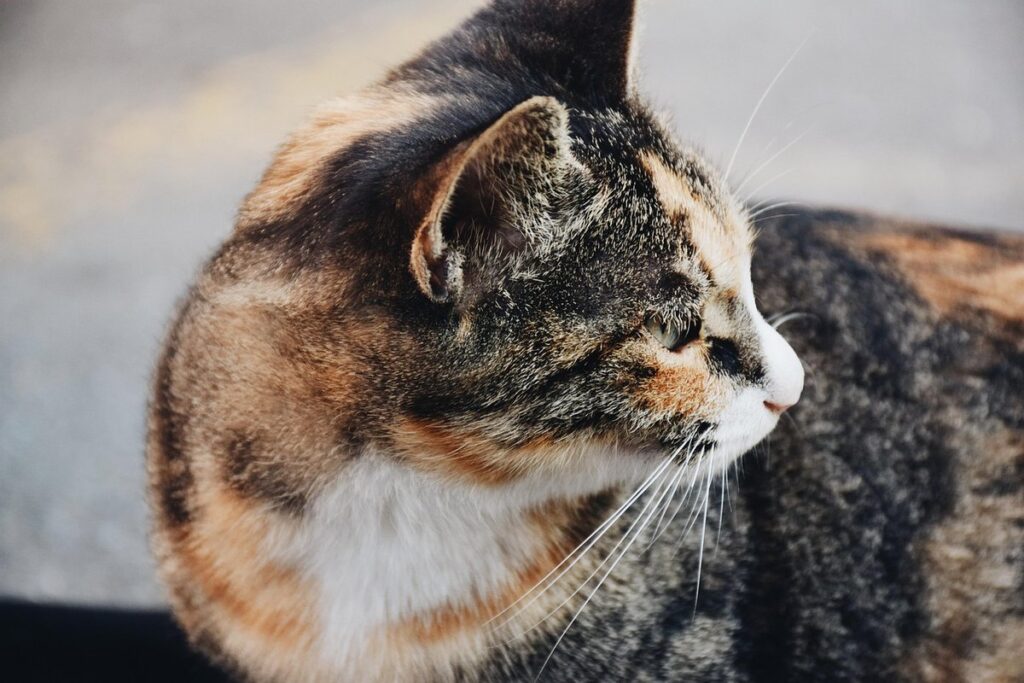
Understanding Your Cat’s Hunting Instinct
Your cat’s hunting instinct is a natural behavior that’s deeply ingrained, but understanding its triggers can help you prevent bird-killing incidents. Let’s explore why your cat can’t resist the urge to hunt.
The Science Behind Feline Behavior
Cats have an innate desire to hunt and kill small animals, including birds, due to their evolutionary history as predators. Felines descended from wild cats that roamed the savannas and forests of Africa and Asia, where they had to hunt to survive. Their ancestors were skilled stalkers and killers, using stealth and speed to catch prey.
This predatory instinct is still present in domesticated cats today. They have a strong drive to chase and catch small animals, including birds, due to their natural instincts. In modern times, this behavior can be triggered by various stimuli, such as seeing or smelling prey, even if it’s just a bird outside the window.
To understand your cat’s hunting instinct, observe its behavior when it encounters birds. Does it stalk them quietly, or does it charge at them with speed? Knowing how your cat exhibits its predatory instincts will help you develop an effective plan to redirect this behavior and prevent harm to birds. By understanding the science behind feline behavior, you can take steps to manage your cat’s hunting instinct and protect wildlife.
Recognizing the Signs of Prey Drive
Recognizing the signs of prey drive is crucial to preventing your cat from becoming a bird hunter. Cats often exhibit distinct physical and behavioral cues before pouncing on their quarry. Watch for body language changes such as stiffening, freezing in place, or tucking their tail between their legs – these are all signs that your cat has locked onto a potential meal.
Listen for unusual vocalizations like chirping, chattering, or growling, which often indicate excitement and anticipation of the hunt. Stalking behaviors can also be telling, as cats will often creep quietly towards their prey before making the final pounce. Be aware of your cat’s surroundings, too – if they’re fixated on a specific area or seem to be tracking something outside, it could be a bird.
If you notice these signs in your cat, intervene promptly and redirect their attention with toys or treats. Consistency is key when teaching your cat that birds are off-limits.
The Role of Instinct vs. Training
When it comes to stopping a cat from killing birds, many owners turn to training and socialization as a solution. And while these methods can indeed shape feline behavior, they also have their limitations when it comes to eliminating the hunting instinct entirely.
Training and socialization can help redirect your cat’s focus away from bird-hunting, but they won’t completely erase its natural instincts. For instance, if you train your cat to chase laser pointers instead of birds, it may seem like a successful strategy – but what happens when that laser pointer runs out of batteries? Your cat will likely revert back to hunting real prey.
Moreover, some cats are simply more prone to hunting due to their genetics and breeding history. For example, Bengal cats, known for their wild ancestry, have an innate inclination towards hunting. In such cases, training and socialization may only go so far in curbing this behavior.
Environmental Modifications to Prevent Bird Deaths
To effectively prevent bird deaths, consider making some simple environmental modifications around your home that’ll discourage your cat from hunting.
These changes might involve blocking access points, rearranging furniture, and even creating a bird-friendly zone in your backyard.
Securing Your Home’s Outdoor Spaces
Securing Your Home’s Outdoor Spaces is crucial to prevent cat-bird conflicts. Cats are natural predators and can easily access areas where birds congregate, such as gardens, yards, and balconies. To cat-proof these spaces, consider installing physical barriers that restrict access.
For example, installing a fence around your garden or yard can be an effective deterrent. Choose from various materials like wood, metal, or vinyl, and ensure the height is at least 6 feet to prevent jumping. Consider adding a top section of chicken wire or netting to block climbing attempts. If you have a balcony, consider installing a screen door or mesh barrier that allows air circulation while keeping cats out.
Other deterrents include plant-based barriers like prickly plants or thorny shrubs, which can discourage cats from entering areas where birds are present. Consider using motion-activated sprinklers or ultrasonic repellent devices to scare cats away. Remember, it’s essential to be consistent and persistent in implementing these measures to prevent cat-bird conflicts.
Removing Attractants and Food Sources
When it comes to preventing cat-bird encounters, one crucial aspect is removing attractants and food sources that draw both birds and cats. Bird feeders, for instance, are a magnet for our feathered friends, but they also attract our feline companions. A single spill of seed can create a mini feast for both cats and birds.
To minimize the risk of cat-bird encounters, it’s essential to manage these attractants effectively. Start by relocating bird feeders at least 10 feet away from your home’s exterior, ideally in a covered area that protects them from the elements. Also, consider using weight-activated or camera-enabled feeders that can detect when a large animal is approaching and shut off the feeding mechanism.
Another simple yet effective solution is to use bird seed that’s less appealing to cats but still nutritious for birds. Some examples include safflower seeds, nyjer seeds, or hot pepper-coated seeds that deter felines without harming our feathered friends.
Utilizing Deterrent Plants and Features
When it comes to preventing bird deaths caused by our feline friends, one of the most effective and humane approaches is through environmental modifications. One such approach is utilizing deterrent plants with natural properties that cats find unappealing. Incorporating these plants into your outdoor space design can discourage cats from exploring areas where birds frequent.
Some excellent examples of deterrent plants include lavender, mint, lemongrass, and chamomile. These fragrant herbs are naturally repellent to cats due to their strong scents. Planting them in the vicinity of bird feeders or birdhouses can create a barrier that deters cats from approaching the area. Consider creating a cat-deterrent garden by planting these herbs alongside other cat-repellent plants like rosemary and thyme.
To maximize the effectiveness of your deterrent plant garden, consider the following tips:
• Plant a variety of fragrant herbs to create a layered scent barrier.
• Choose locations with good air circulation to enhance the potency of the scents.
• Combine deterrent plants with other environmental modifications, such as covered bird feeders or netted enclosures.
Training Your Cat to Coexist with Birds
To train your cat to coexist peacefully with birds, you’ll need to establish a safe environment and teach your kitty basic rules of etiquette around feathered friends. This involves patience and consistent reinforcement.
Positive Reinforcement Techniques
Positive reinforcement techniques can be an incredibly effective way to train your cat to coexist with birds. By using clicker training or reward-based learning, you can teach your cat to associate the presence of birds with positive outcomes, rather than chasing and killing them.
The key is to start by introducing small steps that help your cat get used to seeing and interacting with birds safely. For example, begin by having a bird in a nearby room while giving your cat treats and praise for remaining calm. Gradually increase the proximity of the bird over time, always rewarding good behavior with treats and affection.
You can also use this method to teach your cat to ignore birds altogether. By consistently reinforcing desired behaviors, such as sitting calmly or looking away from the bird, you can create a new pattern of association in your cat’s mind. This approach requires patience and consistency, but it can lead to remarkable results when done correctly.
Desensitization and Counterconditioning
Desensitization and counterconditioning are powerful techniques to help your cat learn to coexist with birds. The goal is to gradually expose your cat to bird stimuli while associating these encounters with pleasant experiences. This process helps your cat develop a positive association with birds, reducing the likelihood of hunting.
To begin desensitization, start by exposing your cat to images or videos of birds at a safe distance. Reward your cat with treats and praise for calm behavior. Gradually increase the proximity of bird-related stimuli over time, always maintaining a calm atmosphere. For example, you can place a bird video on TV while your cat is eating, allowing them to associate the presence of birds with positive experiences.
Next, progress to real-life exposure by introducing your cat to caged or enclosed birds in a controlled environment. Keep the initial interactions brief and rewarding, ensuring your cat remains calm and relaxed. As your cat becomes desensitized to bird presence, you can gradually increase interaction time and proximity.
Using Redirected Attention Techniques
When you’re trying to train your cat to coexist with birds, it’s essential to understand that cats have a natural hunting instinct. Redirected attention techniques can help shift their focus away from the great outdoors and onto more engaging activities. One effective way to do this is by providing alternative toys or stimulation. Fillable treat-dispensing toys, feather wands, and laser pointers are excellent options. Engage your cat in play during periods when birds are present, such as early morning or late afternoon when they’re most active. This will help your cat associate these times with fun and excitement rather than hunting.
For example, try setting up a bird-watching station near a window where your cat can observe the birds while you engage them with a toy. Reward their calm behavior with treats to reinforce positive associations. By redirecting your cat’s attention away from birds and onto more engaging activities, you’ll be taking a significant step towards training them to coexist peacefully. Remember, consistency is key, so make this a regular part of your daily routine to see noticeable results.
Safety Measures for Birds and Cats
When it comes to protecting our feathered friends, implementing safety measures is crucial. In this next part of our guide, we’ll cover essential steps to safeguard both birds and cats in your yard.
Birdhouses and Nest Boxes as Safe Havens
Creating a safe haven for birds is an essential part of preventing cat-bird conflicts. Installing birdhouses or nest boxes can provide a secure refuge for birds to escape from curious cats. When designing and placing these structures, consider the type of materials used. Plastic and metal birdhouses can be noisy and attract attention, whereas wooden ones are generally quieter and blend in better with their surroundings.
Optimal placement is also crucial. Birdhouses should be positioned in areas with minimal human activity, such as a quiet corner of your backyard or along a tree line. Avoid placing them near windows or other potential hazards. Ensure the birdhouse is at least 10 feet off the ground to prevent curious cats from jumping onto it.
Regular maintenance is essential to keep birds safe and healthy. Clean out any debris or nesting material regularly, ideally once a year in spring. Also, check for signs of cat damage, such as claw marks or shredded materials. By following these guidelines, you can provide a secure sanctuary for local bird populations, reducing the likelihood of cat-bird conflicts.
Visual Barriers and Netting
Visual barriers and netting can be an effective way to prevent your cat from killing birds while still allowing them to enjoy outdoor spaces. These obstacles work by blocking the cat’s line of sight on birds, reducing their instinctual hunting behavior.
You can use various types of netting or mesh materials, such as nylon, polyester, or polypropylene, depending on the level of durability and visibility you need. Consider installing a bird-safe net around your garden beds or patio areas to keep birds within reach but out of harm’s way.
One popular installation method is using a freestanding net enclosure that can be easily moved to different locations. These enclosures usually have a sturdy frame and are covered with a breathable mesh material that allows for airflow and visibility.
When choosing the right visual barrier, consider the size of your outdoor space, the type of birds you’re trying to attract, and your cat’s level of curiosity and hunting ability. By blocking their line of sight, you can create a safe haven for both your cat and local wildlife, allowing them to coexist peacefully in the great outdoors.
Humane Deterrents and Repellents
If you’re looking for humane deterrents to keep your cat from killing birds, there are several options worth exploring. One popular choice is ultrasonic devices that emit a high-frequency sound undetectable to humans but unpleasant for cats. These devices can be placed near bird feeders or areas where cats tend to congregate.
Another option is motion-activated sprinklers, which use water to deter cats from approaching the area. When triggered by movement, these sprinklers will startle your cat and associate the area with a negative experience. This can effectively teach your cat to avoid the zone altogether.
Some cat owners have also found success with predator urine repellents, such as coyote or fox urine sprays. By spraying this around bird areas, you create a scent that alerts your cat to potential danger and deters them from approaching. Remember, these deterrents should be used in conjunction with other measures outlined in this guide for maximum effectiveness.
It’s essential to experiment with different humane deterrent options to find what works best for you and your feline companion.
Managing Your Cat’s Hunting Instinct Long-Term
Now that you’ve got your cat under control for a little while, it’s time to think long-term: how can you manage their hunting instinct in a way that keeps both your cat and local wildlife safe? This section explores strategies.
Monitoring Progress and Adjusting Strategies
As you continue down the path of managing your cat’s hunting instinct, it’s essential to monitor their progress and adjust your strategies as needed. Just like any other training program, you’ll need to assess whether your efforts are having a positive impact on your cat’s behavior.
One effective tool for tracking progress is a behavior journal. By keeping a record of your cat’s interactions with birds, including the types of stimuli that trigger their hunting response and the frequency of successful kills, you can identify patterns and areas where your strategies may need tweaking. For instance, if you notice that your cat tends to hunt more frequently during peak bird migration seasons, you may want to implement additional deterrents or distractions during these times.
Another useful tool is a camera system that allows you to monitor your cat’s activities from afar. This can be particularly helpful in identifying problem areas and providing valuable insights into your cat’s behavior patterns. With the right tools and ongoing monitoring, you’ll be able to adjust your strategies and make targeted changes to minimize harm to local bird populations.
Maintaining a Balance Between Safety and Feline Happiness
When it comes to managing your cat’s hunting instinct, it’s natural to worry about balancing safety with feline happiness. After all, we want our pets to thrive and enjoy life without harming others. However, implementing measures to prevent bird deaths can sometimes be at odds with providing a stimulating environment for your cat.
One way to strike a balance is by incorporating puzzle toys filled with treats or kibble into your cat’s play routine. This provides mental stimulation and challenges their hunting instinct without putting birds in harm’s way. You can also try using laser pointers or feather wands to mimic prey, allowing your cat to engage in natural hunting behavior without targeting real birds.
Another option is to create a “bird-friendly” zone in your yard by installing birdhouses or bird feeders that attract songbirds and other species. This can help satisfy your cat’s instinct to hunt while also promoting coexistence with local wildlife. Be sure to supervise interactions between your cat and the new environment, as even well-intentioned measures can sometimes backfire if not properly monitored.
The Role of Spay/Neuter Status in Hunting Behavior
Spaying or neutering your cat can have a significant impact on its hunting behavior. While it’s often assumed that these procedures will eliminate your cat’s predatory drive altogether, the reality is more nuanced. Hormonal fluctuations caused by spaying or neutering can sometimes lead to increased aggression in cats, which may actually exacerbate their hunting instincts.
Research suggests that intact male cats are more likely to exhibit aggressive behavior towards small animals like birds, while spayed or neutered males tend to be less aggressive. However, this doesn’t necessarily mean that your cat will lose interest in hunting altogether. In fact, some studies have found that neutered cats may become more focused on other types of prey, such as toys or even household pets.
If you’re considering spaying or neutering your cat specifically to reduce its hunting behavior, it’s essential to understand the potential outcomes. While these procedures can be effective in reducing aggression and roaming instincts, they may not completely eliminate your cat’s natural predatory drive. As a result, it’s crucial to combine spaying or neutering with other training methods, such as providing alternative stimulation and reinforcing desired behaviors.
Frequently Asked Questions
Can I still keep my cat indoors if it’s been exposed to birds outside?
Yes, with proper introduction and gradual exposure to bird sounds and visuals, your cat can learn to coexist peacefully indoors.
What if my cat is still hunting birds after implementing all the safety measures outlined in the article?
This could be a sign that your cat has a high prey drive or is not receiving adequate mental stimulation. Consider consulting with a professional animal behaviorist for personalized guidance on managing your cat’s hunting instinct long-term.
Are deterrent plants and features effective for all types of birds, or are there some species I should prioritize protecting?
While deterrent plants and features can be effective in reducing bird deaths, they may not deter all bird species. Research specific bird species that frequent your area to determine which deterrents will be most effective.
How do I know if my cat is getting enough physical activity to manage its hunting instinct, or if more training is needed?
Monitor your cat’s behavior and adjust their exercise routine accordingly. If you notice a decrease in hunting incidents, it may indicate that your cat has reached an optimal level of physical activity. Conversely, if incidents persist, consider adding more training exercises to address this issue.
What about birds that nest near my home – can I still use humane deterrents without disturbing the nesting birds?
When using humane deterrents around bird nests, choose devices that are specifically designed to avoid startling or disturbing parent birds and their young. Always follow manufacturer instructions for placement and use to minimize disruption to nesting birds.