
Feeding ducks bread may seem like a harmless act of kindness, but the reality is that it can have devastating effects on these beautiful birds. Not only does it harm their health, but it also disrupts the delicate balance of local ecosystems. As we enjoy watching our feathered friends at the park or by the pond, many of us unknowingly contribute to their suffering by feeding them bread instead of nutritious alternatives.
In this article, we’ll explore why feeding ducks bread is a bad habit that needs to be broken, and what you can feed them safely instead. We’ll also discuss how to educate others about responsible duck-feeding practices, so we can all do our part in protecting these amazing creatures and their habitats. By the end of this post, you’ll have the knowledge you need to make a positive impact on the lives of ducks everywhere.
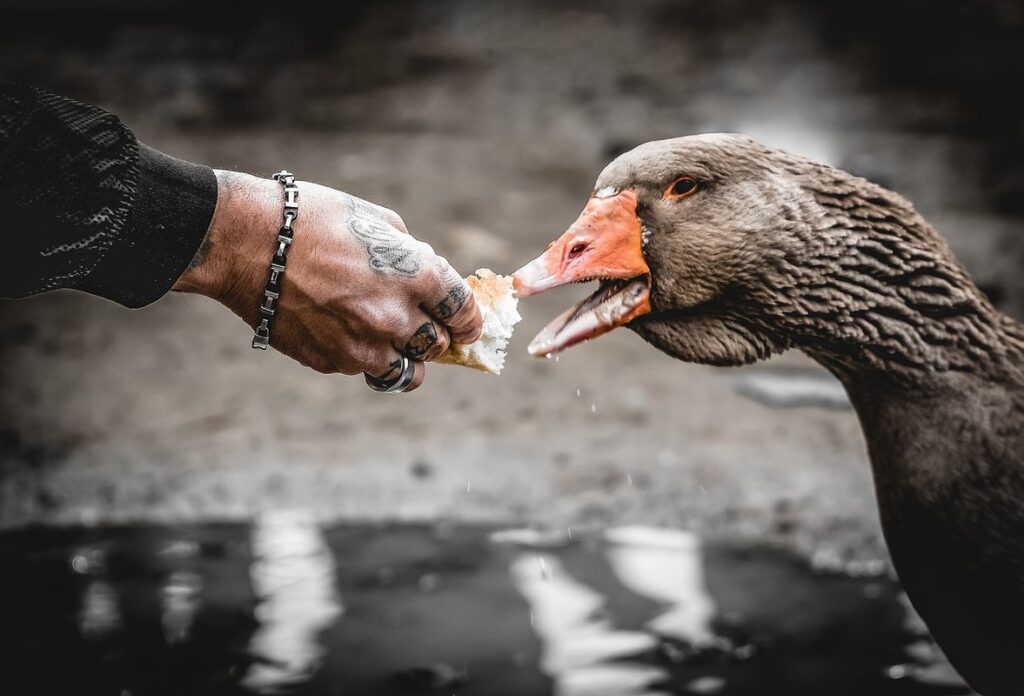
The Hazards of Feeding Bread to Ducks
Feeding bread to ducks might seem harmless, but it can have devastating effects on their health and the environment. We’re taking a closer look at these hazards in more detail.
Why Bread is Bad for Ducks’ Health
Feeding bread to ducks may seem harmless, but it can have serious consequences for their health. One of the primary concerns is digestive problems. Ducks have a unique digestive system that’s designed to break down plant-based foods like grasses and aquatic plants. However, bread is high in carbohydrates and low in fiber, which can cause an imbalance in their gut bacteria.
This imbalance can lead to malnutrition, as ducks may not be able to absorb essential nutrients from the bread. In fact, a study found that ducklings fed a diet of bread experienced stunted growth and weakened immune systems compared to those fed a balanced diet. Furthermore, consuming large amounts of bread can also cause gastrointestinal issues like bloating, gas, and diarrhea in ducks.
If you’re planning to feed ducks, it’s essential to opt for healthier alternatives like leafy greens, fruits, or specially formulated duck food. These options provide the necessary nutrients and fiber for a balanced diet, ensuring your feathered friends stay healthy and happy. By making this simple switch, you can enjoy watching ducks without compromising their well-being.
The Impact on Local Ecosystems
Feeding bread to ducks may seem like a harmless act of kindness, but it can have far-reaching consequences for local ecosystems. When we feed bread to ducks, we’re creating an artificial food source that disrupts the natural balance of their diet. As a result, duck populations can explode, leading to overgrazing and degradation of habitats.
This overpopulation can also lead to competition for resources among duck species, forcing some individuals to scrounge for food in nearby areas, such as parks, gardens, or even your backyard. This can have devastating effects on the local ecosystem, including soil erosion, water pollution, and loss of native plant and animal species.
In urban areas, this issue is particularly pronounced, where small ponds and lakes are often overwhelmed by large numbers of ducks, leading to a decline in water quality and an increase in invasive species. By avoiding bread feeding, we can help maintain the delicate balance of our local ecosystems and preserve these valuable habitats for future generations.
Alternatives to Bread: What Can You Feed Ducks Instead?
If you’re concerned about feeding bread to ducks, but still want to offer them a treat, there are many healthy alternatives you can try instead. Let’s explore some options!
Fresh Fruits and Vegetables
When it comes to feeding ducks, fresh fruits and vegetables are an excellent alternative to bread. Not only do they provide essential nutrients, but they’re also a great way to encourage healthy eating habits for these waterfowl. Consider offering duck favorites like carrots, sweet potatoes, and leafy greens such as kale or spinach.
Berries like blueberries, strawberries, and raspberries are also a hit with ducks. You can even try offering sliced apples or pears, which provide important fiber and antioxidants. However, be sure to introduce new foods gradually to prevent digestive upset.
Some other healthy options include chopped bell peppers, zucchini, and cucumber slices. These fruits and vegetables not only satisfy the ducks’ nutritional needs but also add variety to their diet. To ensure freshness, choose seasonal produce from local farmers’ markets or your own garden whenever possible.
When preparing fresh fruits and veggies for your feathered friends, remember to remove any seeds, pits, or stems that may cause harm. Also, keep in mind that a balanced diet should include a mix of foods rather than relying on just one type.
Grains and Seeds
When it comes to feeding ducks, bread has been the traditional go-to option for many years. However, as we’ve discussed earlier, bread can be detrimental to their health and well-being. Fortunately, there are plenty of alternative options that you can offer your feathered friends. Let’s explore other types of grains and seeds that can be safely given to ducks.
Some great alternatives include oats, barley, and wheat berries. These whole grains provide essential fiber, vitamins, and minerals for a balanced diet. You can also try offering sunflower seeds or millet, which are rich in protein and energy. Another option is cracked corn, but make sure to offer it in moderation due to its high calorie content.
When introducing new foods, remember to do so gradually to prevent digestive upset. A good rule of thumb is to start with small amounts (about 1/4 cup per duck) and observe their response before increasing the quantity or adding more variety to their diet. By offering a mix of these alternatives, you can create a nutritious and engaging feeding experience for your local ducks, while also promoting sustainable practices that benefit both humans and wildlife.
Why Do People Continue to Feed Bread to Ducks?
You might wonder why people still insist on feeding bread to ducks, despite being told it’s not good for them. Let’s explore some possible reasons behind this enduring habit.
Misconceptions About Feeding Ducks
Feeding bread to ducks is often viewed as a harmless activity, but it has severe consequences for these waterfowl. One common misconception is that bread is a nutritious food source for ducks. However, this couldn’t be further from the truth. Bread lacks essential nutrients and can even lead to malnutrition in ducks. In fact, studies have shown that a diet high in carbohydrates like bread can cause digestive problems and weaken their immune systems.
Another myth is that feeding bread helps support duck populations. While it may seem like you’re helping by providing food, the reality is that relying on humans for sustenance can make ducks dependent and lazy. This can lead to a loss of natural foraging skills, making them vulnerable in areas where food is scarce. Additionally, overfeeding bread can also attract other animals, such as seagulls and rats, which can compete with ducks for resources and even attack them.
To avoid contributing to these problems, it’s essential to provide ducks with alternative food sources, like leafy greens, fruits, and insects, which are rich in nutrients. When feeding ducks, it’s also crucial to do so responsibly, using duck-specific feed or plants that are safe for consumption. By making informed choices and being mindful of our actions, we can help protect these magnificent creatures and their habitats.
The Role of Tourism and Local Economies
Tourism and local economies often play a significant role in perpetuating the tradition of feeding bread to ducks. In many popular tourist destinations, such as city parks and lakeshores, visitors are drawn to areas with large duck populations. To cater to these tourists, vendors and cafes may sell bread specifically for feeding ducks, inadvertently encouraging the behavior.
This can create a self-sustaining cycle: tourists feed bread to ducks because they’re attracted by the sight of them, and local businesses capitalize on this attraction by selling bread and other duck-related goods. As a result, the tradition of feeding bread to ducks becomes deeply ingrained in the local culture.
In some cases, local authorities may even actively promote feeding bread to ducks as a way to draw visitors and stimulate economic growth. However, this can have unintended consequences for the health and well-being of both humans and ducks. To break this cycle, tourists can take a more responsible approach by supporting local businesses that offer alternative activities or encouraging vendors to switch to duck-friendly snacks.
How to Educate Others About Feeding Ducks Correctly
Once you’ve learned the truth about feeding ducks bread, it’s time to share your newfound knowledge with others and help them make informed choices. We’ll show you how to educate friends and family effectively.
Developing Effective Communication Strategies
When educating visitors about responsible duck-feeding practices, it’s essential to approach the conversation with sensitivity and clarity. Start by placing clear signage around water features that feed ducks, such as ponds, lakes, or rivers. These signs should explicitly state what types of food are acceptable and which ones to avoid.
Consider incorporating interactive exhibits that showcase the negative impacts of feeding bread to ducks. For instance, you could create a display highlighting how excessive bread consumption can lead to malnutrition, obesity, and even death in these waterfowl. This visual representation will help visitors understand the severity of the issue and take it more seriously.
Another effective way to engage visitors is by offering educational materials, such as brochures or flyers, that provide detailed information on responsible duck-feeding practices. You can also train park rangers or volunteers to approach visitors who are feeding bread to ducks and gently educate them about the harm caused by this behavior. By taking a collaborative and informative approach, you can significantly reduce the likelihood of visitors inadvertently harming these beautiful creatures.
Collaborating with Local Authorities and Stakeholders
When it comes to educating others about feeding ducks correctly, collaboration with local authorities and stakeholders is crucial. By working together, you can promote environmentally friendly feeding practices and help protect the well-being of these beloved waterfowl.
Start by reaching out to park rangers or wildlife experts at your local park or nature reserve. They often have valuable insights into the duck population’s needs and preferences. For instance, some parks may have specific guidelines on what types of food are safe for ducks to eat, while others might offer alternative feeding options that reduce waste.
To take it a step further, consider organizing a community event or workshop with local schools, businesses, and residents. Invite park rangers and wildlife experts to share their expertise, and provide hands-on activities that demonstrate proper feeding techniques. This not only educates but also fosters a sense of ownership and responsibility within the community.
Remember, every small step counts, and collective efforts can lead to significant positive change. By collaborating with local authorities and stakeholders, you’ll be helping to create a more sustainable and compassionate environment for both humans and ducks alike.
The Benefits of Responsible Feeding Practices
When it comes to feeding ducks bread, it may seem harmless but actually has serious consequences for their health and well-being. In this section, we’ll explore the benefits of adopting more responsible feeding practices.
Supporting Biodiversity and Conservation Efforts
When we feed ducks bread, it may seem like a harmless act of kindness, but the consequences can be far-reaching and detrimental to these lovely creatures. By choosing responsible feeding practices, however, we can contribute significantly to maintaining healthy ecosystems and supporting conservation efforts.
For instance, over-reliance on human-provided food can lead to malnutrition in ducks, as their diet lacks essential nutrients and fiber. This problem is exacerbated when bread becomes a staple in their diet, replacing natural forage and aquatic plants that are rich in nutrients. To support biodiversity and conservation efforts, consider the following:
* Provide food sources that mimic their natural diet, such as leafy greens, fruits, or specialized duck pellets.
* Choose foods that don’t pollute waterways, like bread, which can lead to excessive algae growth, harming aquatic life.
* Support local conservation initiatives by purchasing native plant species for your garden or participating in community clean-up events.
By adopting responsible feeding practices and respecting the natural balance of ecosystems, we can play a vital role in safeguarding the well-being of ducks and other wildlife.
Enhancing Visitor Experience and Education
When you visit a local park or pond and see ducks waddling around, it’s natural to want to feed them. However, as we’ve discussed earlier, feeding bread to ducks can be detrimental to their health and the environment. But did you know that promoting responsible feeding practices can have a positive impact on both visitors and local wildlife? By educating ourselves and others about what to feed (and not to feed) these waterfowl, we can create a more enjoyable experience for everyone.
For instance, consider replacing bread with healthier alternatives like duck pellets or leafy greens. These options provide essential nutrients without contributing to the ducks’ obesity and health problems. Moreover, incorporating interactive educational programs or self-guided learning materials can foster appreciation and respect for these magnificent creatures. This approach not only enhances visitor experience but also encourages people of all ages to learn about local wildlife and their habitats.
Some practical ways to promote responsible feeding practices include partnering with park rangers or local organizations to develop informative signage, workshops, or guided tours. By working together, we can ensure that our actions support the well-being of these amazing birds and contribute to a more sustainable environment for future generations to enjoy.
Conclusion: Making a Difference Through Responsible Feeding Practices
Now that you’ve learned why feeding ducks bread is problematic, let’s talk about how you can make a positive impact by changing your habits and adopting responsible feeding practices.
Recap of Key Points and Recommendations
When it comes to feeding ducks bread, we’ve covered some crucial points that can make a significant difference in their health and well-being. To recap, the main reasons why bread should be avoided are its high carbohydrate content, which leads to malnutrition, and its potential to cause digestive issues. Additionally, bread can disrupt the natural balance of aquatic ecosystems.
So, what’s a better option? Instead of feeding ducks bread, consider offering them their favorite foods like lettuce, kale, or spinach. You can also provide duck pellets or specially formulated duck food that meets their nutritional needs. When introducing new foods, do it in moderation and make sure to observe the ducks’ behavior and reactions.
Some other safe alternatives include:
• Fresh fruits like berries, apples, or grapes
• Leafy greens like collard greens or mustard greens
• Oats or barley
Remember, it’s essential to choose fresh and healthy options that won’t harm the ducks. By making these simple changes, you can contribute to a healthier environment for our feathered friends and help them thrive.
Encouraging Community Involvement and Action
As you’ve learned about the dangers of feeding ducks bread and have made a conscious effort to adopt responsible feeding practices, it’s time to take it to the next level. Encouraging community involvement is crucial for creating lasting change and protecting local wildlife.
Start by sharing what you’ve learned with friends and family, and encourage them to make informed decisions when interacting with ducks in their area. You can also reach out to your local park rangers or conservation groups to express your concerns and offer assistance. Many organizations have volunteer programs that allow individuals to help with habitat restoration, wildlife monitoring, and education initiatives.
Consider starting a community initiative, such as a “No Bread” campaign or a duck-friendly garden project. This not only raises awareness but also fosters a sense of community responsibility. You can also use social media platforms to spread the word and connect with like-minded individuals who share your passion for wildlife conservation. By working together, you can create a ripple effect that inspires others to join the movement towards responsible feeding practices.
Frequently Asked Questions
What if I forget to bring healthy alternatives when visiting a park with ducks?
If you forget to bring healthy options, try to purchase them from a nearby shop or vending machine. You can also ask the park rangers or staff for suggestions on where to find suitable food for the ducks.
Can I still visit parks and interact with ducks if I’m on a tight budget?
Yes, many parks offer free or low-cost resources, such as community gardens or locally-sourced produce stands. Look for these options to make responsible feeding practices accessible to everyone.
How can I address someone who insists on feeding bread to ducks despite my efforts to educate them?
Try using “I” statements to express your concerns and focus on the benefits of responsible feeding practices. For example, “I’m worried about the health effects of bread on the ducks; have you considered trying some fresh fruits or vegetables instead?”
What if I notice duck-feeding is causing problems in my local community, but no one seems to be taking action?
Consider reaching out to local authorities, park rangers, or environmental organizations to report your concerns and collaborate on finding solutions. You can also use social media or community forums to raise awareness and build a coalition of like-minded individuals.
Can I involve children in responsible duck-feeding practices, or is it too complex for them?
Yes, educating children about responsible feeding practices can be an excellent way to teach them about the importance of conservation and sustainability. Use this opportunity to discuss the benefits of healthy eating and the impact of human actions on local ecosystems.