
Are you tired of coming home to find your cat covered in feathers? Or worrying about the welfare of the local bird population because of your feline friend’s hunting habits? Killing birds is a common behavior in cats, but it can be distressing for both humans and wildlife. The good news is that there are ways to prevent this from happening, and we’re here to guide you through them.
In this comprehensive guide, we’ll explore the reasons behind your cat’s bird-killing behavior – whether it’s due to feline instincts, environmental factors, or underlying medical issues. We’ll also share humane deterrents and practical tips on how to redirect their hunting skills to more suitable toys. By the end of this article, you’ll have a better understanding of why your cat is killing birds and how to stop them from doing so.
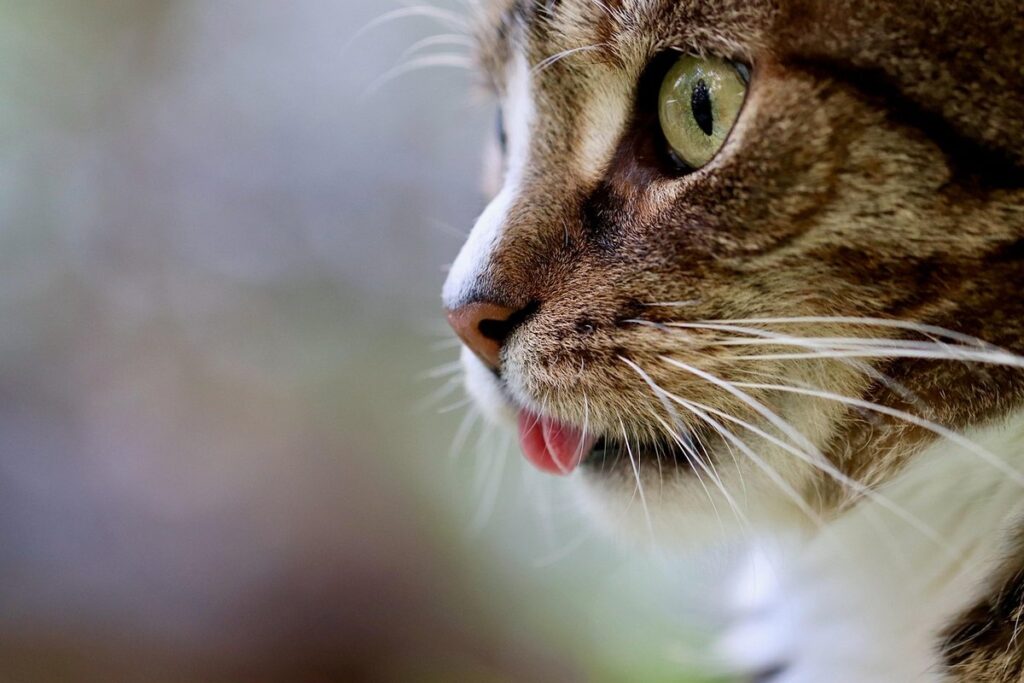
Understanding Feline Behavior and Bird Predation
Cats are natural predators, but that doesn’t mean your pet needs to kill birds. Let’s explore why they exhibit this behavior in the first place.
The Science Behind Cats’ Hunting Instincts
Cats have an innate hunting instinct that’s deeply rooted in their evolution as predators. Their natural prey drive is a result of centuries of adaptation to the wild, where they relied on their cunning and agility to catch small game like birds, rodents, and insects. This primal urge is still present today, even in domesticated cats.
When a cat spots potential prey, it enters a state known as “stalk mode,” characterized by heightened senses and stealthy movements. They use their acute hearing, vision, and whiskers to track and close in on their target. Their powerful legs propel them forward with lightning speed, allowing them to catch unsuspecting birds off guard.
Understanding these hunting instincts is crucial to addressing bird predation. By recognizing the drives behind your cat’s behavior, you can develop strategies to redirect their energy and satisfy their natural prey drive through alternative means, such as interactive toys or playtime exercises. This will help mitigate the likelihood of your cat targeting birds in the future.
Recognizing Signs of Stress or Boredom in Your Cat
Recognizing the underlying reasons for your cat’s bird-killing behavior is crucial to finding a solution. Cats often kill birds due to stress, boredom, or excess energy. If you suspect that your cat is killing birds for one of these reasons, look out for the following signs:
* Excessive vocalization or meowing, especially when left alone
* Destructive behavior such as scratching furniture or shredding curtains
* Overeating or obesity due to boredom and lack of physical activity
* Increased pacing or restlessness, often accompanied by staring out windows or doors
* Changes in sleep patterns, such as insomnia or excessive sleeping
If you’ve observed any of these signs, it’s likely that your cat is killing birds due to stress or boredom. To address this issue, try providing more stimulation and exercise for your cat through playtime with feather toys or laser pointers. You can also try creating a catio or screened-in porch where your cat can safely observe the outdoors without posing a threat to birds.
Identifying Triggers for Bird-Killing Behavior
To effectively stop your cat from killing birds, it’s essential to identify what triggers this behavior in your pet. Let’s examine some common causes that may be contributing to this destructive habit.
Outdoor Access and Prey Availability
Providing outdoor access can be a double-edged sword when it comes to managing your cat’s bird-killing behavior. On one hand, giving your feline friend the freedom to explore the great outdoors can be beneficial for their physical and mental well-being. However, if not managed properly, this access can also trigger predatory instincts that lead to bird killing.
It’s essential to understand local bird populations and migration patterns before granting your cat outdoor access. For instance, if you live in an area with high bird activity during certain times of the year, it may be best to restrict your cat’s outdoor time during these periods. Research the types of birds present in your area and their migratory patterns to make informed decisions about when and how long your cat can spend outdoors.
Consider creating a “bird-free zone” in your yard by removing any bird-attracting plants or feeding sources, and installing netting or other deterrents around bird feeders. This will help minimize the likelihood of your cat encountering birds during their outdoor excursions. By being aware of local bird populations and taking proactive steps to manage your cat’s access, you can reduce the risk of bird-killing behavior while still allowing them to enjoy the outdoors.
Other Environmental Factors Contributing to Aggression
When it comes to identifying triggers for bird-killing behavior in cats, environmental factors often play a significant role. Besides their natural hunting instinct and lack of prey drive satisfaction, your cat’s surroundings can contribute to their aggression towards birds.
Noise levels are one factor to consider. Cats are highly sensitive to noise, and loud sounds such as traffic or construction work nearby can trigger stress and anxiety in them. This heightened state of alertness may cause them to become more aggressive when encountering birds outside the home.
Weather conditions also impact a cat’s behavior. Extreme temperatures, strong winds, or precipitation can make your cat feel uneasy, leading to increased aggression towards any perceived threats, including birds.
Another factor is nearby wildlife. If your neighborhood has an abundance of small mammals or other prey species, it may fuel your cat’s hunting drive and contribute to their aggression towards birds.
To mitigate these environmental factors, consider providing your cat with a peaceful and quiet space within the home where they can retreat from stressors. Keeping windows closed during loud weather events can also help reduce their exposure to disturbing sounds.
Humane Deterrents for Bird-Killing Behavior
When it comes to protecting local wildlife, humane deterrents can be a simple and effective solution to curb your cat’s bird-killing behavior. We’ll explore some of these non-violent alternatives next.
Positive Reinforcement Training for Alternative Behaviors
Positive reinforcement training is an effective way to redirect your cat’s hunting instinct towards more desirable behaviors. By associating enjoyable activities with rewards, you can encourage your cat to focus on playing with toys or interacting with you instead of birds.
To start, identify your cat’s preferred toys and engage them in play for short periods throughout the day. Reward their enthusiasm with treats or praise to reinforce the behavior. For example, if your cat loves laser pointers, try using one to create a “prey” that they can chase – this will stimulate their natural hunting instinct without putting birds at risk.
Gradually increase the duration of these play sessions and introduce new toys to keep things interesting. You can also encourage interactive play by engaging in activities like hide-and-seek or fetch. The goal is to exhaust your cat’s energy and redirect their focus away from bird-watching.
Remember, patience and consistency are key when implementing positive reinforcement training. By combining this approach with environmental modifications and other humane deterrents outlined in this guide, you’ll be well on your way to stopping your cat’s bird-killing behavior for good.
Using Physical Barriers and Deterrents
One effective way to prevent bird killings is by using physical barriers and deterrents. These can be particularly useful if you have a large garden or outdoor space where birds are likely to visit. Netting is a great option, as it creates a barrier that prevents birds from entering areas where your cat can access them.
For example, you can cover plants, trees, or entire sections of your garden with netting to keep birds safe. Make sure the mesh size is small enough to prevent birds from flying through the gaps, but large enough not to trap them. You can also use bird-repellent balloons, which are inflated with helium and feature reflective surfaces that scare away birds.
Another option is to create a cat-free zone by installing physical barriers such as fencing or screens around areas where you know your cat likes to hunt. This will prevent your cat from accessing these areas, even if it manages to escape from the house. Just be sure to check local building regulations before making any significant changes to your property.
It’s also worth considering creating a “bird sanctuary” in your garden by planting bird-friendly plants and features such as bird baths and feeders. This will attract birds to this area, rather than having them visit other parts of the garden where your cat may be lurking.
Addressing Underlying Medical Issues
Before we can teach your cat new habits, it’s essential to understand if underlying medical issues are driving their bird-killing behavior. Let’s explore common medical conditions that may be contributing factors.
Pain Management and Senior Cats
As your cat ages, it’s not uncommon for them to experience underlying medical issues that can affect their behavior. One of these issues is chronic pain, which can manifest in older cats due to age-related wear and tear on their joints, particularly in the hips, knees, and spine. This can lead to stiffness, limping, and difficulty jumping or climbing.
Arthritis is another common condition affecting senior cats, causing inflammation and pain in the joints. These discomforts can cause your cat to become anxious, irritable, and more likely to exhibit predatory behavior towards birds due to their natural hunting instinct. In fact, studies have shown that cats with chronic pain are three times more likely to engage in prey-like behaviors.
To address this issue, consult with your veterinarian to rule out any underlying medical conditions. They can recommend a comprehensive examination, including X-rays or other imaging tests, to determine the extent of your cat’s joint health.
Nutrition and Gastrointestinal Health
Providing your cat with a balanced diet is crucial to preventing bird-related aggression. Cats are natural predators, and their dietary needs are designed around hunting small prey. However, many commercial cat foods fail to replicate this nutritional profile accurately. Look for high-protein, grain-free options that mimic the nutrient composition of wild prey.
Regular veterinary check-ups can also help identify underlying health issues contributing to your cat’s behavior. For instance, a diet deficient in certain vitamins or minerals can lead to anxiety and aggression, which may be misinterpreted as hunting instinct. Your veterinarian can recommend supplements or dietary changes tailored to your cat’s specific needs.
It’s essential to ensure your cat is receiving the correct amount of moisture in their diet. Cats are designed to eat prey with high water content, but many commercial dry foods can lead to dehydration over time. Consider adding a small amount of low-sodium chicken broth or wet food to their meals to provide adequate hydration and satisfy their natural hunting instincts.
Creating a Bird-Friendly Home Environment
To minimize bird encounters, we’ll explore simple ways to make your home more bird-friendly by providing safe havens and deterrents for birds. This starts with creating a cat-proof outdoor space.
Safe Zones for Birds and Wildlife
Creating safe zones for birds and wildlife can significantly reduce the likelihood of encounters between your cat and feathered friends. These zones, such as bird sanctuaries or wildlife-friendly gardens, provide a haven for birds to feed, nest, and escape from predators like your cat. By incorporating these features into your outdoor space, you’re not only creating a haven for birds but also reducing the temptation for your cat to hunt them.
Consider transforming a corner of your yard into a bird-friendly garden by planting native vegetation that provides food, shelter, and nesting sites for local bird species. You can also set up a birdbath or a shallow dish filled with fresh water to attract birds. For example, a study found that gardens with just one birdbath saw a 55% increase in bird visits.
To take it a step further, you can create a cat-free zone by installing physical barriers like netting or mesh around plants and bird feeders. This will not only protect your garden but also give your cat something else to focus on – like a catio or a scratching post.
Reducing Stress through Enrichment Activities
When it comes to creating a bird-friendly home environment that also keeps your cat’s killing instincts at bay, it’s essential to address another crucial aspect of feline behavior: stress and boredom. Cats are naturally curious and active animals, and without sufficient mental and physical stimulation, they can become bored or even stressed, leading them to seek out prey – including birds.
One effective way to reduce your cat’s stress levels is by providing enrichment activities that challenge their minds and keep them engaged. Puzzle toys filled with treats or kibble are an excellent example of this. They require problem-solving skills and concentration, distracting your cat from the outdoors and its bird population. Another idea is to offer a variety of scratching posts or pads, which not only maintain your cat’s nail health but also provide a healthy outlet for their natural hunting behavior.
In addition to these tools, make sure to spend quality time with your cat each day, engaging in play or simply cuddling. This attention and interaction can significantly reduce stress levels and promote a more relaxed atmosphere within your home.
Conclusion: Implementing a Multi-Faceted Solution
Now that you’ve learned how to prevent your cat from killing birds, it’s time to put these tips into action and create a comprehensive plan for a bird-friendly home. Implementing a multi-faceted solution is key to long-term success.
Combining Deterrents and Environmental Changes
When it comes to reducing bird-killing behavior in cats, combining deterrents with environmental changes can be a game-changer. This multi-faceted approach not only makes your home a safer haven for local birds but also minimizes the likelihood of your cat engaging in this unwanted behavior.
Here’s how you can implement this strategy: begin by making some simple adjustments to your yard or garden. For instance, install birdhouses and feeders that are strategically positioned to minimize visibility from your windows or neighboring areas where your cat likes to roam. Consider planting bird-friendly plants like sunflowers or coneflowers that provide shelter and food for local birds.
Next, incorporate deterrents into your cat’s environment. Spray or diffuse citrus sprays around areas where birds frequent, as cats detest the smell of these fruits. You can also try using ultrasonic repellent devices specifically designed to deter bird-killing behavior in cats. Make sure to place them in areas where your cat spends most of its time.
By combining environmental changes with deterrents, you’ll be creating an effective solution that addresses both your cat’s prey drive and the presence of birds in your yard.
Monitoring Progress and Adjusting Strategies
Monitoring progress and adjusting strategies is an essential aspect of implementing a multi-faceted solution to prevent your cat from killing birds. As you embark on this journey, it’s crucial to remain vigilant and make adjustments as needed to ensure long-term success.
You’ve likely already begun to notice some positive changes since implementing the various humane deterrents and environmental modifications discussed earlier in this guide. However, it’s essential to continue monitoring your cat’s behavior and the effectiveness of these strategies. Keep a journal or log to track any instances where your cat attempts to hunt birds, as well as any successes you experience.
Consider setting aside dedicated time each week to observe your cat’s activities and note any changes in their behavior. This can help you identify patterns or triggers that may be contributing to their bird-hunting tendencies. Are they more likely to hunt during certain times of the day? Do specific situations or environments seem to trigger this behavior?
By regularly monitoring progress and adjusting strategies as needed, you’ll be better equipped to tackle any challenges that arise and make targeted improvements to your approach. This might involve tweaking the placement or type of deterrents, modifying environmental factors such as garden layout or window configurations, or even seeking professional advice on addressing underlying medical issues.
Some key indicators to watch for during this process include:
* Reduced frequency or intensity of bird-hunting attempts
* Increased engagement with toys or other enrichment activities
* Improved overall mood and behavior
* Successful adaptation to new environmental modifications
When making adjustments to your strategy, consider the following tips:
* Start small: Introduce incremental changes to avoid overwhelming your cat.
* Be patient: Behavioral changes take time, so be prepared for a gradual process.
* Seek feedback: Consult with friends or family members who have also attempted to modify their cat’s behavior.
By combining regular monitoring and targeted adjustments, you’ll be well on your way to creating a comprehensive solution that addresses the complex factors contributing to your cat’s bird-hunting habits. With persistence and flexibility, it’s possible to create a harmonious coexistence between your feline companion and the feathered visitors to your garden.
Frequently Asked Questions
What if I’ve already tried all the humane deterrents mentioned in the article, but my cat still kills birds?
It’s possible that your cat may have underlying medical issues or pain that’s driving their behavior. Consider consulting with a veterinarian to rule out any health concerns that could be contributing to their hunting instincts. They can also provide guidance on managing chronic pain and improving your cat’s overall well-being.
How long does it take for my cat to adjust to the new bird-deterrent strategies, and what are some common setbacks I might encounter?
Adjusting to a new environment or routine takes time for cats, so be patient. It may take several weeks or even months for them to fully adapt to the changes. Common setbacks include inconsistent application of deterrents or not providing enough enrichment activities to replace hunting behavior. Monitor your cat’s progress and adjust strategies as needed.
Can I use physical barriers like netting or fencing to protect birds in my backyard, and are there any DIY tips for creating a bird-friendly zone?
Yes, using physical barriers can be an effective way to prevent bird access to your yard. Consider installing netting around bird feeders or using fencing to create a bird sanctuary area. For a DIY approach, try planting native vegetation that provides shelter and food for birds, such as shrubs or trees with berries.
What if I have multiple cats in the household, and some of them seem more prone to killing birds than others?
This is not uncommon, as each cat has their unique personality and hunting style. It’s essential to tailor your approach to each cat’s individual needs and preferences. Consider separating the cats or creating a separate area for high-risk hunters.
How do I know if my senior cat’s bird-killing behavior is due to cognitive decline or pain, and what are some age-related considerations when implementing deterrents?
As cats age, they may experience cognitive decline or chronic pain, leading to increased hunting behavior. Consult with your veterinarian to determine the underlying cause of their behavior. Age-related considerations include providing extra enrichment activities, using gentle deterrents that don’t stress older cats, and adapting physical barriers to accommodate mobility issues.