
Storing backyard chicken eggs requires attention to detail to maintain their quality and prevent contamination. If you’re one of the many people who have recently started raising chickens in your own backyard, you know how exciting it is to collect fresh eggs from your very own flock every morning. But with that excitement comes a responsibility: ensuring those eggs stay safe to eat for as long as possible.
Proper storage techniques are crucial for keeping your eggs fresh and reducing the risk of foodborne illness. In this article, we’ll explore the best practices for storing backyard chicken eggs, including container options, refrigerator storage, and alternative methods that work well in various environments. We’ll also discuss important considerations for long-term egg storage to ensure your family can enjoy those delicious homegrown eggs throughout the year.
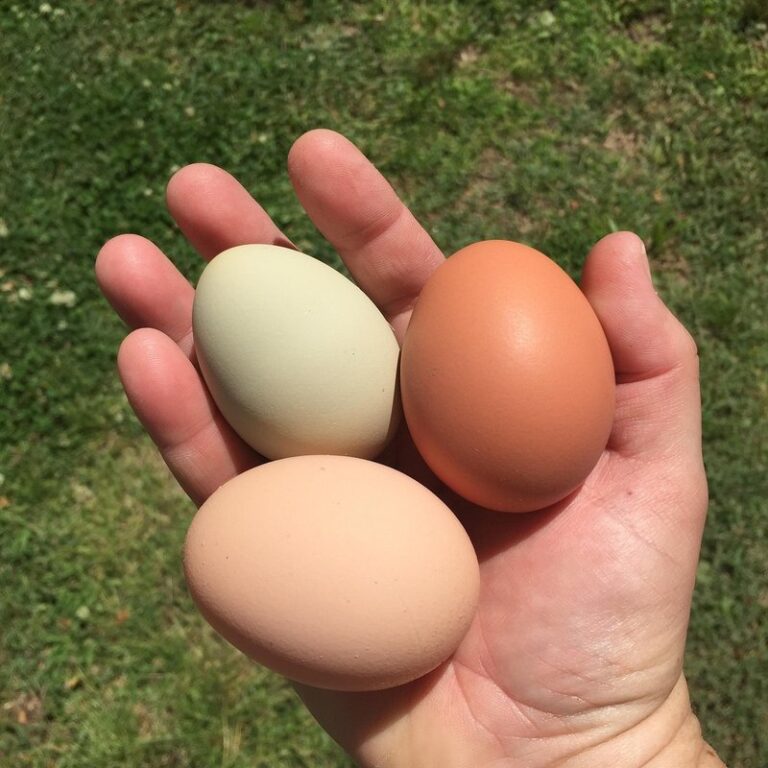
Choosing the Right Egg Storage Method
When storing your backyard chicken eggs, you’ll want to choose a method that keeps them clean, safe, and fresh for as long as possible. Let’s explore some popular options together.
Types of Egg Storage Containers
When it comes to storing backyard chicken eggs, choosing the right container is crucial for maintaining their freshness and quality. There are several types of containers suitable for this purpose, each with its pros and cons.
Plastic containers, such as large Tupperware or Glad containers, are a popular choice among backyard chicken enthusiasts. They are inexpensive, easy to clean, and can be reused multiple times. However, they may not provide the best insulation against temperature fluctuations, which could affect egg freshness. Additionally, some plastic containers may harbor bacteria, so it’s essential to sanitize them regularly.
Ceramic jugs or crocks are another option for storing eggs. They offer better insulation and a more natural environment for the eggs. However, they can be heavier and more expensive than plastic containers. Ceramic jugs also require regular cleaning and may need to be replaced every few years due to wear and tear.
Cartons, specifically designed egg cartons, are a great alternative to traditional storage containers. They provide individual compartments to keep eggs separate, which helps maintain their freshness and prevents breakage. Some cartons also come with built-in ventilation systems, ensuring airflow around the eggs.
Factors to Consider When Selecting a Container
When it comes to selecting a container for storing backyard chicken eggs, there are several key factors to consider. First and foremost, think about the size of the container. You’ll want one that can hold at least a dozen eggs, but also fits comfortably in your refrigerator or pantry. A good rule of thumb is to choose a container that’s around 6-8 quarts in size.
Next, consider the material of the container. Plastic containers are lightweight and easy to clean, but may not be as durable as glass or stainless steel options. Glass containers, on the other hand, are non-porous and resistant to bacteria growth, making them an excellent choice for storing eggs. Stainless steel containers are also a great option, as they’re easy to clean and sanitize.
Ease of cleaning is another important factor to consider. Look for containers with smooth surfaces that won’t harbor bacteria or odors. A container with a lid or cover will also make it easier to keep eggs fresh by preventing cross-contamination from other foods in your fridge.
In addition, think about the durability of the container. You’ll want one that can withstand regular use and cleaning. A good container should be able to hold up to 1-2 years without showing signs of wear and tear.
Egg Storage in the Refrigerator
When storing eggs from your backyard flock, it’s essential to keep them cool and dry to maintain freshness. In this next section, we’ll cover how to store eggs safely in the refrigerator.
Proper Temperature Control
Maintaining a consistent refrigerator temperature is crucial for storing backyard chicken eggs. A stable temperature range between 32°F and 40°F (0°C to 4°C) slows down bacterial growth, ensuring the eggs remain safe to eat. To ensure optimal storage conditions, check your refrigerator’s temperature regularly using an thermometer.
If your fridge runs colder than the ideal range, consider adjusting the temperature or placing a thermometer near the egg storage container to monitor the temperature. Conversely, if it’s warmer, you can store eggs in a cooler with ice packs or shift them to the coldest section of the fridge. Always keep eggs away from direct sunlight and heat sources.
Proper ventilation is also essential to maintain humidity levels within the optimal range (70-80%) for egg storage. Store eggs in a single layer on a shelf, not stacked, to prevent moisture accumulation between layers. By controlling temperature and humidity levels, you can ensure your backyard chicken eggs remain fresh and safe to consume for an extended period.
Egg Placement and Organization
When it comes to storing backyard chicken eggs in the refrigerator, proper placement and organization are crucial to maintain their quality and freshness. First, store them in a covered container or carton that is specifically designed for egg storage. This will help prevent moisture and contaminants from reaching the eggs.
For optimal organization, label each carton with the date it was collected, and place newer eggs towards the front of the storage area. This way, you’ll use the oldest eggs first and avoid confusion when selecting eggs for consumption. It’s also essential to keep your refrigerator at a consistent temperature below 40°F (4°C) to slow down bacterial growth.
Consider using dividers or small containers within the main carton to separate eggs by date or type. This will make it easier to identify which eggs are older and need to be consumed first. By following these simple steps, you’ll ensure your backyard chicken eggs remain fresh for a longer period, and you can enjoy them at their best quality.
Alternative Storage Methods: Coolers and Freezers
When it comes to storing backyard chicken eggs, using coolers and freezers can be a safe and convenient alternative to traditional storage methods, preserving egg freshness for longer. Let’s take a closer look at how this works.
Using a Cooler for Short-Term Storage
When you’re collecting eggs from your backyard flock, it’s essential to store them properly to maintain their quality and safety. If you don’t have access to a refrigerator immediately, a cooler can be an effective temporary storage solution.
To keep eggs cool without refrigeration, use a cooler with good insulation, such as foam or vacuum-insulated models. Pack the eggs in a single layer, pointing the pointed end down to prevent moisture from entering through the small opening. You can also add cold packs or even frozen gel packs to the cooler to keep it at a safe temperature below 40°F (4°C).
Keep the cooler away from direct sunlight and heat sources, such as radiators or heaters. Aim to store eggs in the cooler within two hours of collection to prevent bacterial growth. If you won’t be storing them for more than four hours, this method is effective. For longer periods, a refrigerator with consistent temperatures between 33°F (0.5°C) and 40°F (4°C) is still recommended.
Freezing Eggs for Long-Term Storage
Freezing eggs for long-term storage is an excellent option for backyard chicken owners who want to preserve their eggs beyond a few weeks. To freeze eggs, you’ll need to prepare them first by washing and drying the eggshells thoroughly, then cracking them into a bowl or container. Next, beat the eggs lightly with a fork to break down any large yolks or whites that could cause the eggs to become misshapen during freezing.
Once the eggs are prepared, transfer them to an airtight container or freezer bag and press out as much air as possible before sealing. Store the frozen eggs in the coldest part of your freezer at 0°F (-18°C) or below for up to 12 months. When you’re ready to use the frozen eggs, simply thaw them overnight in the refrigerator or thaw quickly by submerging the container in cold water.
It’s essential to label and date the containers or bags so you can easily identify which eggs were harvested when and how long they’ve been stored.
Maintaining Egg Quality: Handling and Cleaning
When it comes to storing your backyard chicken eggs, proper handling and cleaning are crucial for maintaining their quality. Learn how to safely collect and clean your fresh eggs here.
Proper Egg Handling Techniques
When collecting eggs from your backyard chicken coop, it’s essential to handle them gently to prevent damage and contamination. The first step is to pick up the egg carefully with one hand supporting the middle and the other hand cradling the top. This will help distribute the weight evenly and minimize breakage.
Next, inspect each egg for any visible cracks or weaknesses before placing them in a carton or container. Gently roll each egg on its side to check for any soft spots or irregularities. If you notice any damage, it’s best to discard that egg immediately to avoid contamination of the rest.
To prevent breakage when collecting multiple eggs, place them in a designated egg carton or tray with some cushioning material like paper towels or egg foam inserts. This will help absorb any shocks and reduce the risk of cracking. Always handle eggs in one direction – from large to small – to avoid applying pressure on the smaller ones.
By following these simple steps, you can minimize breakage and ensure your backyard chicken eggs remain clean and uncontaminated throughout the storage process.
Cleaning and Sanitizing Equipment
When collecting, washing, or storing eggs from your backyard flock, it’s essential to keep equipment clean and sanitized to maintain egg quality. Dirty equipment can lead to contamination, which may cause salmonella poisoning in humans and affect the overall health of your chickens.
Firstly, wash hands thoroughly before handling eggs or cleaning equipment. Use a mild detergent and warm water to scrub all surfaces, paying attention to crevices and areas where bacteria tend to accumulate. A solution of 1 part bleach to 10 parts water is effective for disinfecting but be sure to rinse thoroughly afterwards.
Equipment such as egg washers, collection baskets, and storage containers must be cleaned regularly to prevent the spread of disease. Regular cleaning will also help maintain a hygienic environment for your flock and protect you from potential health risks.
Some essential equipment items should be replaced periodically (e.g., every 6-12 months), especially if they’ve been used extensively or show signs of wear. Always check manufacturer instructions for specific guidance on maintenance and replacement schedules.
Long-Term Storage Considerations: Moisture Control
When it comes to storing backyard chicken eggs for long periods, moisture control is crucial to prevent cracking and contamination. Let’s explore the best methods for maintaining a dry storage environment.
Dehumidification Methods
When storing backyard chicken eggs, controlling moisture levels is crucial to prevent spoilage and maintain their quality. Moisture can lead to mold, bacterial growth, and a shorter shelf life, which defeats the purpose of collecting fresh eggs from your own flock.
To combat this issue, various dehumidification methods can be employed. One simple yet effective method is using silica gel packets. These packets absorb excess moisture from the air, creating an environment that’s less conducive to bacterial growth. Place a few packets in a sealed container or zip-top bag with your stored eggs to keep them dry and fresh.
Another option is to use a desiccant pack specifically designed for egg storage. These packs are usually more effective than silica gel packets but may be pricier. You can also experiment with natural dehumidifiers like activated charcoal, but ensure it doesn’t release chemicals that might contaminate your eggs.
For large-scale or long-term storage, consider investing in a dedicated dehumidifier designed for food storage. These units not only control humidity levels but also maintain a stable temperature, further extending the shelf life of your stored eggs.
Egg Storage in a Humidity-Controlled Environment
Creating a humidity-controlled environment is essential for long-term egg storage. This can be achieved by storing eggs in a container with a precise moisture level. You’ll need a plastic or metal bin with a lid, which you’ll place inside another container filled with desiccants like silica gel or activated alumina.
The ideal relative humidity (RH) for storing eggs is between 30-50%. This range prevents bacterial growth while keeping the eggs from drying out. To achieve this balance, you can use a humidistat to monitor and adjust the RH levels as needed. Some examples of humidity-controlled containers include Cambro or Rubbermaid bins with built-in humidity controls.
When choosing desiccants, ensure they are specifically designed for food storage. Silica gel is an excellent option, but it’s essential to replace it periodically to maintain its effectiveness. For a 12-egg capacity container, use about one cup of silica gel. To check if the RH level is within the desired range, use a hygrometer or digital thermometer with humidity display. This will help you fine-tune your storage setup for optimal egg preservation.
Common Issues and Troubleshooting
As you store backyard chicken eggs, you may encounter issues that can affect their quality. Let’s tackle common problems and find solutions to keep your eggs fresh for a longer period.
Preventing Mold and Contamination
When storing backyard chicken eggs, it’s essential to address common issues like mold and contamination. These problems can arise from poor storage conditions, inadequate handling, or a dirty environment. To prevent mold and contamination, make sure to store eggs in a cool, dry place away from direct sunlight.
Cleanliness is crucial when it comes to storing eggs. Regularly wash your hands before handling the eggs, and keep the storage area clean and dust-free. Use a breathable container like a mesh bag or a ventilated carton to allow air to circulate around the eggs. Avoid overcrowding, as this can cause moisture to build up and lead to mold.
Signs of contamination include visible mold, slime, or an off smell. If you notice any of these issues, immediately remove the affected egg from storage and dispose of it safely. To identify potential problems early on, check your eggs regularly for any signs of damage or spoilage. By following these tips, you can ensure your stored eggs remain fresh and safe to eat.
Troubleshooting Egg Storage Problems
If you notice that your stored backyard chicken eggs are cracking or breaking, it’s essential to troubleshoot the issue immediately. First, check the storage container for any signs of moisture, as eggs can absorb odors and humidity from their surroundings. Ensure the container is airtight and store it in a dry place.
Another common cause of cracked eggs is poor handling during collection or storage. Make sure to handle eggs gently, with the pointed end facing down, to prevent pressure on the air cell at the large end. Store them in a carton or container specifically designed for egg storage, as these types of containers are typically ventilated and won’t crush the eggs.
If your eggs are still cracking despite proper handling and storage, it might be due to their age. Check the average lifespan of your hens’ eggs – usually around 7-10 days – and ensure you’re consuming or freezing them within that timeframe. To extend shelf life, consider storing eggs in the refrigerator at a consistent temperature below 40°F (4°C). Regularly inspect your stored eggs for any signs of spoilage or damage to prevent foodborne illnesses.
Conclusion: Storing Backyard Chicken Eggs with Confidence
Now that you’ve learned how to collect, clean, and prepare your backyard chicken eggs, let’s talk about storing them safely. This is where confidence comes in – knowing your eggs are fresh for weeks to come!
Recap of Key Takeaways
As you prepare to store your backyard chicken eggs with confidence, let’s recap the key takeaways from this blog post. Choosing the right storage method is crucial to maintaining egg quality and safety. We discussed the importance of using a clean and dry environment, such as a designated egg room or a cool, well-ventilated area in your home.
It’s also essential to handle eggs gently and store them pointed end down to prevent moisture from entering the egg through the air cell. A refrigerator with a consistent temperature between 40°F and 45°F is ideal for storing eggs. Avoid direct sunlight, heat sources, and strong-smelling foods that can affect egg quality.
To maintain egg freshness, we recommend cleaning and sanitizing your storage containers regularly. Be sure to label each container with the date it was filled to ensure you use the oldest eggs first. By following these best practices, you’ll be able to store your backyard chicken eggs safely and enjoy them for weeks to come. Remember to always prioritize clean handling and storage methods to ensure the quality and safety of your fresh eggs.
Final Tips for Successful Egg Storage
Now that you’ve mastered the basics of storing backyard chicken eggs, it’s time to experiment and fine-tune your approach. Remember, what works for one person may not work for another, so be patient and try different methods until you find what suits your needs best.
Don’t be afraid to mix and match various storage techniques – for example, you might store some eggs in the refrigerator while others are kept at room temperature. Keep a close eye on their condition and adjust your approach as needed. If you notice any issues with spoilage or mold, it may be worth trying a different storage method.
Also, consider keeping a record of your egg storage experiments – note the techniques you’ve tried, how long they lasted, and any observations about the eggs’ quality. This will help you refine your approach over time and make informed decisions about what works best for your specific situation. With practice and patience, you’ll become an expert at storing backyard chicken eggs with confidence!
Frequently Asked Questions
Can I Store Backyard Chicken Eggs at Room Temperature?
Yes, you can store eggs at room temperature for a short period, but it’s essential to maintain proper handling and storage techniques to prevent contamination. Always wash your hands before and after handling eggs, and keep them in a clean container away from direct sunlight.
How Do I Know if My Egg Storage Container is Maintaining Proper Humidity Levels?
To ensure your egg storage container maintains the right humidity levels, you can use a hygrometer to measure the moisture content. Aim for a relative humidity between 50-60% to prevent moisture buildup and potential mold growth. You can also consider using dehumidification methods or storing eggs in a humidity-controlled environment.
What Happens if I Don’t Store My Eggs Properly, and How Can I Fix It?
If you’ve stored your eggs improperly and they show signs of contamination (e.g., mold, sliminess), it’s essential to discard them immediately. To prevent future issues, always follow proper egg storage techniques, including regular cleaning and sanitizing of containers and equipment. Consider investing in a thermometer or hygrometer for more accurate temperature and humidity control.
Can I Store Eggs in a Cooler with Ice Packs for Longer Storage?
While coolers can be an excellent option for short-term egg storage, using ice packs is not recommended for longer periods. The temperature fluctuations caused by melting ice packs can affect the eggs’ quality and safety. For long-term storage (beyond 1 week), consider freezing your eggs or using a freezer-safe container.
How Often Should I Clean and Sanitize My Egg Storage Containers?
It’s essential to clean and sanitize your egg storage containers regularly, ideally every 1-2 weeks, depending on usage. This will prevent the buildup of bacteria, mold, and other contaminants that can compromise egg quality and safety. Always follow proper cleaning and sanitizing techniques, including washing with soap and water, rinsing thoroughly, and allowing to air dry before storing eggs.