
Storing eggs from your backyard chicken flock can be a bit tricky, but don’t worry, we’ve got you covered. As an egg enthusiast, you want to ensure that your fresh eggs stay fresh for as long as possible and are safe to eat. After all, there’s nothing quite like cracking open a just-laid egg from your own chickens! But, storing eggs properly requires some knowledge of the right containers, temperatures, and food safety guidelines.
In this article, we’ll share expert tips on how to store eggs from your backyard chickens. We’ll cover everything from selecting the best container to maintaining optimal storage temperatures and following essential food safety guidelines. By the end of this post, you’ll know exactly how to keep your eggs fresh and safe for consumption. So, let’s dive in and explore the world of egg storage together!
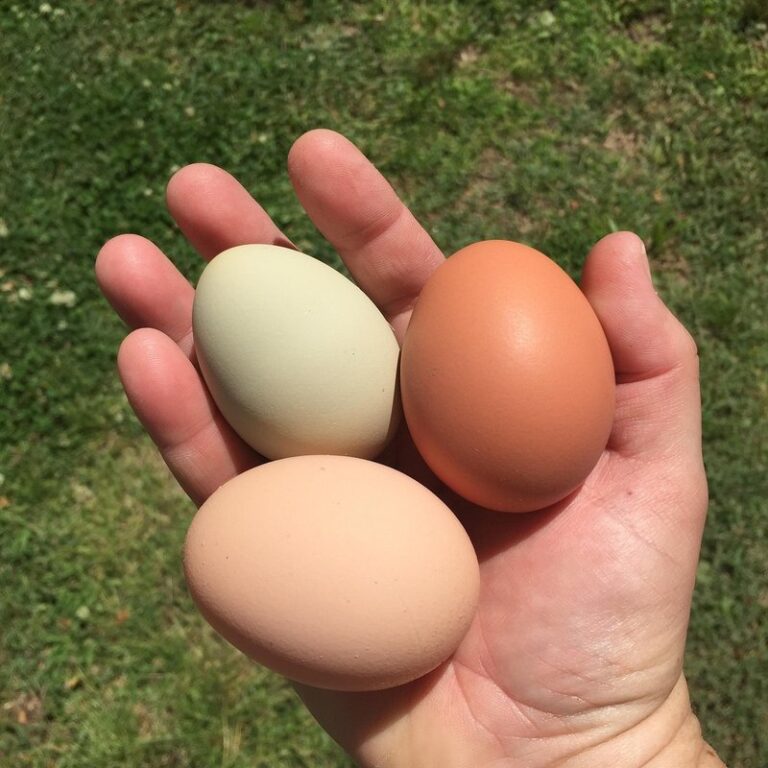
Choosing the Right Egg Storage Container
When it comes to storing eggs from your backyard flock, you’ll want a container that keeps them fresh and clean. In this next part of our guide, we’ll show you how to choose the perfect one.
Type of Containers to Use
When it comes to storing eggs from your backyard chickens, the type of container you choose is crucial for maintaining freshness and preventing contamination. You have several options to consider: plastic, ceramic, and wooden containers.
Plastic containers are a popular choice due to their affordability and ease of cleaning. Look for BPA-free options with tight-fitting lids to prevent moisture from entering. However, be aware that some plastics can transfer flavors or odors to your eggs, affecting taste and quality.
Ceramic containers are another excellent option, especially if you’re looking for a more natural storage solution. They’re non-porous, easy to clean, and won’t impart any unwanted flavors to your eggs. Plus, they’re often decorative, adding a touch of charm to your kitchen.
Wooden containers are also gaining popularity due to their eco-friendliness and rustic appeal. Opt for untreated wood or choose containers with natural finishes that won’t leach chemicals into your eggs. Make sure the wood is properly sealed to prevent moisture from seeping in.
When selecting a container, consider factors like size, durability, and ease of cleaning. You may also want to think about how you plan to transport your eggs – do you need a container with handles or a sturdy design? Ultimately, choose a container that suits your needs and preferences, ensuring the freshest possible storage for your backyard eggs.
Size and Material Considerations
When choosing an egg storage container, size and material considerations play a significant role in maintaining egg quality and hygiene. A container that’s too small can cause eggs to break or become damaged, while one that’s too large may lead to moisture accumulation, promoting bacterial growth.
Consider the number of eggs you collect daily from your backyard flock. Aim for a container with at least 1-2 inches of space between each egg for easy handling and storage. For a standard dozen eggs, look for containers with dimensions around 12″ x 8″ x 6″. If you have a larger flock or need to store eggs for an extended period, opt for a larger capacity container.
Material selection is also crucial. Stainless steel and glass containers are excellent choices due to their durability, ease of cleaning, and resistance to rust and bacterial growth. Avoid using plastic containers with sharp edges or crevices where bacteria can accumulate. You may also consider storing eggs in their cartons, as long as the carton itself is dry and clean.
Cleaning and Sanitizing Your Container
When it comes to storing eggs from your backyard chickens, cleaning and sanitizing your container is crucial to prevent contamination and spoilage. Regular washing helps remove dirt, bacteria, and other debris that can compromise the quality and safety of your eggs.
To start, wash your egg storage container with soap and warm water after every use. Use a mild detergent that’s free from harsh chemicals, as these can leave residues on your eggs. For tougher stains or buildup, mix equal parts white vinegar and water and soak the container for about an hour before rinsing thoroughly.
Daily sanitizing is also essential to keep your egg storage area clean. You can use a solution of 1 tablespoon unscented bleach per gallon of water to wipe down all surfaces. This will help kill bacteria and other microorganisms that may be present. After sanitizing, rinse everything with clean water to remove any remaining bleach residue.
By incorporating these simple cleaning and sanitizing steps into your egg storage routine, you’ll be able to keep your eggs fresh for a longer period while also preventing the risk of contamination and foodborne illnesses.
Understanding Egg Storage Requirements
When storing eggs from your backyard flock, it’s essential to follow proper guidelines to maintain their quality and safety for consumption. This section will break down those requirements in detail.
Factors Affecting Egg Freshness
When it comes to storing eggs from backyard chickens, several factors can impact their freshness and longevity. One of the most significant influencers is temperature. Eggs should be stored at a consistent refrigerator temperature of 40°F (4°C) or below. Exposure to warmer temperatures can cause bacteria to multiply rapidly, making the eggs susceptible to contamination.
Humidity levels also play a crucial role in maintaining egg freshness. Moisture can seep into the egg through the cuticle, causing it to become slimy and increasing the risk of bacterial growth. Store eggs in a well-ventilated area with moderate humidity levels (50-60%) to prevent moisture accumulation.
Proper handling is another essential factor. Eggs should be handled gently to avoid cracking or breaking, which can compromise their integrity. When collecting eggs from your coop, make sure to handle them carefully and store them upright in the refrigerator to prevent moisture from seeping into the egg through any cracks. By controlling these factors, you can ensure that your backyard chicken eggs remain fresh for an extended period.
Recommended Temperature Ranges for Storage
When storing eggs from your backyard chickens, it’s essential to maintain an optimal temperature range to keep them fresh and safe for consumption. The ideal storage temperature for eggs is between 39°F (4°C) and 45°F (7°C). This range helps slow down the ripening process, preventing moisture and bacteria from building up inside the egg.
Storing eggs at room temperature can lead to a significant decrease in quality within a week or two. For instance, if you store eggs at 70°F (21°C), they’ll typically last only 3-5 days before developing off-flavors and unpleasant textures. On the other hand, refrigerating eggs at temperatures above 45°F (7°C) can cause condensation to form inside the egg, leading to a shorter shelf life.
To maintain optimal storage conditions, consider placing your eggs in a cool, well-ventilated area or using an insulated container with frozen gel packs. This will help regulate the temperature and keep your eggs fresh for several weeks. Remember to store eggs pointy end down to prevent moisture from seeping inside through the air cell.
How Long Eggs Can Be Stored
When it comes to storing eggs from your backyard chickens, understanding the average storage times at different temperatures and conditions is crucial for maintaining their quality and safety. Generally, clean, dry eggs can be stored for several weeks without refrigeration, provided they are kept away from direct sunlight and heat sources.
At room temperature (around 70°F to 75°F or 21°C to 24°C), fresh eggs can last for about 7-10 days before their quality starts to degrade. However, this time frame can be extended to up to 5 weeks if the eggs are stored in a cool, dry place, such as a pantry or cupboard. If you plan to store eggs at room temperature, it’s essential to check on them regularly for any signs of spoilage.
In warmer temperatures (above 75°F or 24°C), eggs can spoil more quickly, typically within 3-5 days. In contrast, cooler temperatures (below 40°F or 4°C) allow eggs to be stored for several weeks without refrigeration, but this requires specialized storage facilities, such as a root cellar or cold room.
Keep in mind that these are general guidelines and the actual storage time may vary depending on various factors, including the initial quality of the eggs, storage conditions, and handling practices. To ensure optimal storage, it’s always best to follow proper egg handling and storage procedures.
Best Practices for Storing Eggs in the Fridge or Freezer
When it comes to storing eggs from your backyard chickens, proper handling and storage are crucial to maintaining their quality. In this section, we’ll cover essential best practices for fridge and freezer storage.
Refrigerated Storage Methods
When storing eggs in the refrigerator, it’s essential to follow proper handling and storage procedures to maintain their quality and safety. Always wash your hands before handling eggs, and gently collect them from the nesting box to prevent breakage.
For refrigeration, use a clean container with a tight-fitting lid, such as a plastic or glass egg carton specifically designed for refrigerator storage. Avoid using open containers or those that can allow moisture to accumulate, which can cause eggs to spoil faster.
Label the container with the date they were collected and store it in the coldest part of your refrigerator at a consistent temperature below 40°F (4°C). Store eggs pointy end down to prevent moisture from entering through the small opening. If you’re using a carton with separate compartments, make sure each egg has enough space to move around without touching others.
For longer storage, consider storing eggs in their original cartons or wax-coated cartons specifically designed for long-term refrigeration. This will help maintain humidity levels and prevent moisture buildup.
Frozen Egg Storage Techniques
When it comes to storing eggs from your backyard flock for an extended period, freezing is an excellent option. Freezing preserves the eggs’ nutritional value and prevents spoilage. To freeze eggs, start by washing them gently with cold water to remove any dirt or debris. Next, dry the eggs thoroughly using a clean towel or paper towels to prevent excess moisture from compromising their quality.
It’s essential to dry the eggs as quickly as possible to minimize bacterial growth. You can also use a food dehydrator on its lowest setting (135°F) for 6-8 hours to ensure the eggs are completely dry. Once dried, crack each egg into an airtight container or freezer bag, leaving about an inch of space between each egg. Label and date the containers, then store them in the coldest part of your freezer at 0°F (-18°C) or below.
Frozen eggs can be stored for up to a year without significant loss of quality. When you’re ready to use them, simply thaw the eggs overnight in the fridge or thaw quickly by submerging the container in cold water.
Tips for Labeling and Organizing Stored Eggs
Labeling and organizing your stored eggs is crucial for easy identification and rotation. This simple step ensures you use older eggs before they go bad and prevents confusion among family members. Start by labeling each carton with the date it was collected or stored, as well as its location within the fridge or freezer.
For multiple batches of eggs, color-code them using stickers or markers to distinguish between fresh and frozen stocks. You can also indicate whether a batch has been washed, graded, or pasteurized for added clarity. For instance, if you have three cartons with similar contents, label one “Fresh,” another “Frozen,” and the last “Not Recommended” – perfect for eggs approaching their expiration date.
Rotate your egg stock by placing older batches behind newer ones on a shelf. This way, you’ll use the oldest eggs first when cooking or baking, reducing waste and ensuring optimal flavor and texture.
Safety Precautions and Considerations
Before storing eggs from your backyard chickens, it’s essential to understand some crucial safety precautions to prevent contamination and ensure a healthy harvest. Let’s discuss these vital considerations together!
Preventing Cross-Contamination
When handling eggs from your backyard flock, it’s essential to prevent cross-contamination, which can lead to spoilage and potentially harm your family’s health. This is particularly crucial when you’re dealing with fresh produce and raw meat.
To minimize the risk of contamination, start by washing your hands thoroughly before and after handling eggs. Use warm water and soap for at least 20 seconds, paying attention to the areas between your fingers and under your nails. Dry your hands completely using a clean towel or air dryer.
Next, make sure any surfaces that come into contact with eggs are sanitized regularly. This includes egg cartons, storage containers, and countertops. Use a solution of one part white vinegar to nine parts water for effective cleaning. Always rinse surfaces thoroughly before storing eggs.
When transferring eggs from the coop to storage, use clean utensils or a dedicated egg transporter to prevent cross-contamination. For example, you can use a sanitized basket or a container with a smooth surface that’s easy to clean.
Food Safety Regulations and Guidelines
As a backyard chicken owner, it’s essential to follow food safety regulations and guidelines when storing eggs from your flock. The USDA recommends that eggs be stored at a consistent refrigerator temperature of 40°F (4°C) or below to prevent bacterial growth.
To ensure you’re meeting food safety standards, here are some key guidelines to keep in mind:
* Wash hands thoroughly before handling eggs
* Store eggs in their original carton or container to prevent cross-contamination
* Label the date you collected the eggs for easy tracking of storage time
* Keep eggs away from strong-smelling foods, as odors can transfer to eggs
When it comes to storing eggs at home, consider investing in a dedicated egg keeper or refrigerator compartment. This will help maintain a consistent temperature and prevent moisture accumulation.
Additionally, check your local health department’s regulations regarding backyard chicken-keeping and egg sales. Some areas may have specific guidelines for labeling, packaging, and distributing eggs from small-scale farms.
By following these guidelines and staying informed about food safety regulations in your area, you’ll be well on your way to safely storing and enjoying the delicious eggs from your backyard chickens.
Common Egg Storage Mistakes to Avoid
Storing eggs from your backyard chickens requires attention to detail to prevent contamination and spoilage. One common mistake is washing eggs before storing them, which can lead to moisture entering the egg and causing bacterial growth. Instead, gently brush off any dirt or debris with a dry cloth or soft-bristled brush.
Another error is storing eggs in direct sunlight or near heat sources, which can cause the temperature inside the storage container to rise. This can be detrimental to the quality of the eggs, especially if they’re not refrigerated properly. To avoid this, store eggs in a cool, well-ventilated area away from direct sunlight.
It’s also essential to keep eggs separate from strong-smelling foods and chemicals, as odors can penetrate the egg through the pores. Use clean containers or cartons specifically designed for storing eggs, and make sure they’re dry before adding the eggs. Regularly checking on stored eggs is crucial; discard any that show visible signs of spoilage or cracking to prevent contamination.
Monitoring and Maintaining Stored Eggs
To keep your stored eggs fresh and safe for consumption, it’s crucial to monitor their temperature and humidity levels regularly. This section will cover essential tips on maintaining optimal storage conditions.
Checking Egg Quality Regularly
Regular quality checks are essential to ensure stored eggs remain safe and edible. When you collect eggs from your backyard flock, it’s easy to assume they’re perfect, but the truth is that even with proper handling and storage, issues can still arise. Cracks, dirty or damaged areas, and bacterial contamination can compromise egg quality.
Inspect each egg regularly for signs of damage or spoilage. Hold the egg gently on its side and examine it carefully for any cracks, dents, or weak spots in the shell. Check the egg’s weight – a clean egg should feel heavy due to its high water content. Also, look for any visible mold or slime on the surface.
Take note of the eggs’ appearance, as well as their age. Eggs that are more than 7-10 days old are more susceptible to spoilage and bacterial growth. If you notice any off odors, unusual sounds, or unexplained changes in texture, it’s best to err on the side of caution and discard the egg.
Don’t rely solely on visual inspections; trust your instincts too. If something feels off or looks suspicious, trust your judgment and dispose of the egg to avoid foodborne illness risks.
Replacing Old or Spoiled Eggs
As you continue to store eggs from your backyard chickens, it’s essential to regularly inspect your stash for any signs of spoilage. Old or spoiled eggs can be a breeding ground for bacteria and other microorganisms that can contaminate the rest of your stored eggs. To identify and replace old or spoiled eggs in your storage container, follow these steps.
Start by gently rolling an egg on its side to check for any visible cracks or damage. If you notice even the slightest crack, it’s best to err on the side of caution and discard the egg immediately. Next, inspect the eggshell for any visible signs of mold, slime, or other contaminants.
If you’re still unsure whether an egg is good or bad, perform a water test. Fill a bowl with cold water, gently place the egg into it, and observe what happens next. A good egg will sink to the bottom, while a spoiled one will either stand on its end or float to the surface. If in doubt, always throw it out.
Tips for Storing Eggs During Different Seasons
When it comes to storing eggs from your backyard flock, seasonal considerations can greatly impact their quality and safety. Temperature fluctuations are a major concern during different times of the year.
In warmer months (April to September), egg storage requires special attention due to high temperatures. Store eggs in the coolest part of your home, ideally between 35°F and 45°F (2°C and 7°C). Avoid storing them near direct sunlight or heat sources like radiators or heaters. This temperature range slows down bacterial growth, ensuring eggs remain fresh for up to three weeks.
In contrast, during colder months (October to March), low temperatures can cause moisture buildup inside the egg carton or storage container, leading to condensation and spoilage. To combat this issue, store eggs in a dry area with consistent temperatures between 50°F and 60°F (10°C and 15°C). You can also consider using a dehumidifier to maintain optimal humidity levels.
Remember to always check on your stored eggs regularly for any signs of spoilage or damage, such as cracks or an off smell. By being aware of seasonal temperature fluctuations and taking the necessary precautions, you’ll be able to store your backyard eggs safely and effectively throughout the year.
Troubleshooting Common Egg Storage Issues
We’ve all been there: eggs don’t store well, become too old, or develop that dreaded greenish tint. Let’s tackle these common storage problems and find a solution together!
Addressing Odor and Moisture Problems
Odor and moisture buildup are two common problems that can occur when storing eggs from backyard chickens. These issues can be caused by a variety of factors, including high humidity levels, poor ventilation, and dirty egg storage containers.
To address these problems, it’s essential to maintain good hygiene practices. Start by regularly cleaning your egg storage containers with mild soap and warm water. This will help remove any dirt, bacteria, or debris that may be contributing to the odor buildup.
Another crucial step is to ensure proper ventilation in your egg storage area. This can be achieved by placing the containers on a wire rack or tray, allowing air to circulate around them. You should also check the humidity levels in your storage area and consider using a dehumidifier if necessary.
Additionally, it’s vital to store eggs at room temperature (around 70-75°F) and away from direct sunlight. This will help prevent moisture buildup and promote better egg quality. By following these simple tips, you can significantly reduce the risk of odor and moisture problems during egg storage.
Identifying and Resolving Contamination Issues
Identifying and resolving contamination issues is crucial to maintaining clean and healthy egg storage. Contamination can arise from various sources, including dirty equipment, bacteria-laden surfaces, and even the chicken’s own feces. To identify potential contamination risks, inspect your storage area regularly for signs of moisture, mold, or pest infestations.
Some common indicators of contamination include a strong, unpleasant odor, visible stains or discoloration on eggs, and an unusual growth pattern around the eggshell. If you notice any of these warning signs, it’s essential to take immediate action. Begin by thoroughly cleaning and sanitizing all equipment, including baskets, shelves, and storage containers.
Next, inspect each egg for visible damage or cracks, as these can be entry points for bacteria and other contaminants. Any damaged eggs should be safely discarded to prevent cross-contamination with healthy eggs. To maintain a clean environment, store eggs in a dry, well-ventilated area and keep the storage container covered at all times to prevent dust and debris from accumulating.
Frequently Asked Questions
Can I store eggs from my backyard chickens at room temperature?
No, it’s not recommended to store eggs at room temperature for an extended period. Eggs should be refrigerated as soon as possible after collection to prevent bacterial growth and maintain freshness. If you’re concerned about the impact of refrigerator storage on egg quality, follow the guidelines in this article for optimal storage temperatures.
How do I know if my eggs are still good after a power outage affects the fridge temperature?
If your eggs were stored at a consistent refrigerated temperature before the power outage, they should be safe to consume. However, it’s essential to inspect them for any visible signs of spoilage or damage. Check for cracks, unusual odors, or slimy textures. If you’re unsure, err on the side of caution and discard the egg.
What if I don’t have a dedicated egg storage container? Can I store eggs in regular containers?
Yes, but ensure that the containers are clean, dry, and covered to prevent contamination. You can also consider using paper bags or cartons specifically designed for storing eggs. However, remember that these alternatives may not provide the same level of protection against moisture and temperature fluctuations as a dedicated egg storage container.
How do I determine if my stored eggs have become contaminated?
Regularly inspect your stored eggs for any signs of spoilage or damage. Check for unusual odors, slimy textures, or visible cracks. If you notice any of these issues, discard the affected eggs to prevent cross-contamination with other stored eggs. It’s also a good idea to label and date your stored eggs so that you can easily identify old or spoiled ones.
Can I store eggs in the freezer for an extended period? What are the benefits?
Yes, freezing is an excellent method for long-term egg storage. Frozen eggs will retain their quality for several months when stored properly. When you’re ready to use them, simply thaw and cook as usual. Freezing helps preserve egg freshness by slowing down bacterial growth and enzyme activity, making it a convenient option for storing excess eggs or preserving them for later use.