
If you’re like most home cooks, you likely have a stash of eggs in your kitchen at all times. But did you know that storing eggs properly on your countertop can make a big difference in their freshness and safety? It’s true – the way you store your eggs can affect their quality, shelf life, and even food safety. Choosing the right container is just the beginning; you also need to consider factors like temperature, humidity, and air circulation. In this article, we’ll show you how to store eggs safely and effectively on your countertop, from selecting a suitable container to maintaining optimal conditions for maximum freshness and minimal risk of contamination. With these tips, you can enjoy perfectly fresh eggs every time!
Choosing the Right Container
When it comes to storing eggs on your countertop, selecting the right container is crucial for keeping them fresh and safe. Let’s explore some options to find the perfect fit.
Selecting the Correct Size and Material
When selecting a container for storing chicken eggs on your countertop, it’s essential to choose one that fits the eggs comfortably. Consider the size and shape of the eggs you’ll be storing. If you have large breed chickens, such as Leghorns or Orpingtons, you’ll need a larger container than if you’re storing eggs from smaller breeds like Bantams.
The material of your storage container is also crucial to consider. Plastic containers are lightweight, easy to clean, and often inexpensive. However, they can be prone to cracking and may not keep the eggs as cool as other materials. Glass containers are a popular choice for egg storage due to their ability to maintain a consistent temperature and prevent moisture buildup. They’re also dishwasher safe and can be used for years with proper care.
Wooden containers are another option, offering a natural, rustic look that many people prefer. However, they can be more expensive than plastic or glass options and may require periodic staining or sealing to prevent the wood from drying out. Ultimately, choose a material that fits your lifestyle and preferences, but ensure it provides adequate protection for your eggs.
When selecting a container size, aim for one with a capacity of at least 12-18 quarts. This will give you enough room to store multiple dozen eggs comfortably without overcrowding the space. Avoid containers that are too small, as this can cause the eggs to rub against each other and potentially damage them.
Considering Egg Wash and Sanitation
When it comes to storing eggs on your countertop, the cleanliness of both the eggs and the container they’re stored in is crucial. Egg wash can have a significant impact on this process. If you’ve washed your eggs before storage, make sure to dry them thoroughly with a clean towel or let them air-dry. This will prevent any moisture from accumulating and creating an environment conducive to bacterial growth.
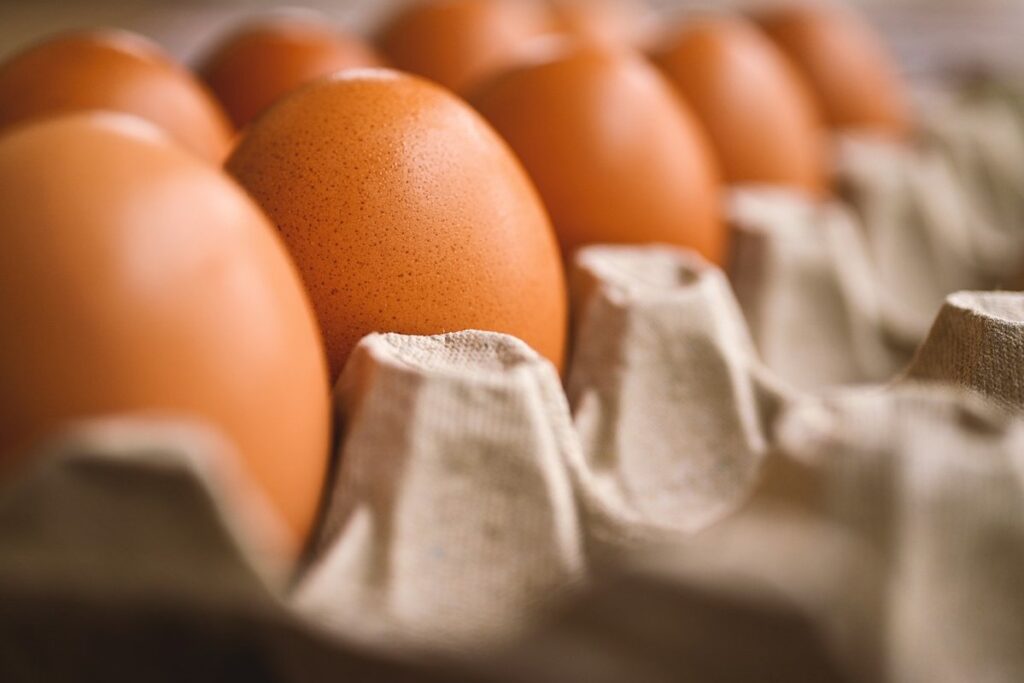
It’s also essential to choose an egg carton or container that allows for airflow around each egg. This can be achieved with paper or cardboard cartons, which are often the most breathable options. However, if you’re using a plastic or glass container, consider placing the eggs in a single layer, rather than stacking them on top of each other.
Sanitation is just as important as cleanliness when it comes to storing eggs on your countertop. Regularly clean and sanitize your egg storage container with soap and warm water. This will help prevent any lingering bacteria from contaminating your stored eggs. For added protection, consider implementing a routine where you change out the container every week or two to ensure maximum freshness.
Best Practices for Countertop Storage
To keep your countertop egg storage tidy and organized, follow these essential best practices that will make a big difference in maintaining a clean kitchen. This includes strategic placement and clever solutions to store eggs safely.
Storing Eggs at Room Temperature vs. Refrigeration
When it comes to storing eggs on your countertop, one of the most debated topics is whether to store them at room temperature or refrigerate them. The choice you make can affect the quality and safety of your eggs.
Storing eggs at room temperature can be a good option for some types of eggs. For example, if you have fresh eggs from a local farm, they are likely to be clean and free of bacteria. In this case, storing them at room temperature in a cool, dry place is perfectly fine. However, it’s essential to make sure the eggs are not exposed to direct sunlight or heat sources, which can cause the eggs to spoil faster.
On the other hand, if you have pasteurized or processed eggs, they should be refrigerated as soon as possible. Pasteurization doesn’t guarantee complete elimination of bacteria, and refrigeration will help prevent any potential contamination. Additionally, if you live in a hot and humid climate, it’s best to refrigerate all types of eggs to prevent bacterial growth.
When storing eggs at room temperature, make sure to check on them regularly for any signs of spoilage. If you notice any cracks or unusual odors, discard the egg immediately.
Placement and Orientation for Optimal Storage
When storing eggs on your countertop, it’s not just about finding a spot to set them down – it matters where you place them and how they’re oriented. A strategic placement can make all the difference in keeping your eggs fresh for longer.
Place eggs away from direct sunlight, heat sources, and moisture-rich areas like the kitchen sink or stove. A spot near a window might seem convenient, but eggs exposed to UV rays can lose their natural moisture barrier, making them more prone to spoilage. Similarly, avoid placing eggs near heating vents or radiators as the dry air can cause them to dehydrate.
For optimal storage, place eggs on a flat surface with the large end facing down and the pointed end up. This orientation helps prevent rolling off the counter and reduces the risk of breakage. To further minimize the chance of an egg cracking, store them in a single layer – don’t stack them.
Countertop Conditions Affecting Egg Storage
When storing eggs on your countertop, it’s essential to understand how different conditions can affect their freshness and quality. Temperature fluctuations, humidity levels, and direct sunlight are all factors to consider.
Temperature and Humidity Control
Maintaining the right temperature and humidity levels is crucial when storing eggs on your countertop. The ideal storage temperature for eggs is around 40°F (4°C), which is why you might want to store them in the refrigerator or a cooler with ice packs if possible. If you don’t have access to a fridge, you can also store eggs in the coldest part of your kitchen, away from direct sunlight and heat sources.
Maintaining optimal humidity levels can also impact egg freshness and safety. Eggs should be stored in a way that keeps them dry but not too humid, as excessive moisture can lead to mold growth and contamination. Store eggs pointy end down on a shelf or tray to prevent moisture from seeping into the air cell at the large end of the egg.
When storing eggs on your countertop for an extended period, consider investing in an egg keeper or a storage container that maintains a consistent temperature and humidity level.
Light Exposure and Air Circulation
When storing eggs on a countertop, it’s essential to consider the impact of light exposure and air circulation. Exposure to direct sunlight can cause eggs to degrade faster, leading to a higher risk of spoilage and contamination. While some indirect natural light may not cause significant harm, it’s still crucial to limit the amount of light that your eggs receive.
To minimize the effects of light exposure, store eggs in a shaded area or use an egg carton with built-in shading. Some egg storage containers also come equipped with UV-blocking materials to provide additional protection. If possible, consider storing eggs away from windows and direct sunlight altogether.
Air circulation is equally important for maintaining the quality of your stored eggs. Proper airflow helps prevent moisture buildup and reduces the risk of mold growth. Ensure that your countertop has adequate ventilation or use a fan to circulate air around the storage area. Keep in mind that a temperature range of 40°F to 70°F (4°C to 21°C) is ideal for egg storage, as it slows down bacterial growth while still allowing for some air circulation.
Egg Storage Duration and Monitoring
Proper storage duration is crucial for maintaining egg freshness, so let’s discuss how long you can store eggs on your countertop before they start to degrade.
Understanding Shelf Life for Different Types of Eggs
When it comes to storing eggs on your countertop, understanding their shelf life is crucial to prevent spoilage and foodborne illnesses. The type of egg you have will significantly impact its storage duration. Fresh eggs, which are typically marked with the “Sell By” or “Pack Date,” can be stored at room temperature for up to 3 weeks. However, it’s essential to check on them daily for any visible signs of spoilage.
Pasteurized eggs, on the other hand, have a longer shelf life and can be stored in the refrigerator after purchase. They can last up to 5-7 days beyond the “Sell By” date. If you’re unsure whether your eggs are pasteurized or not, it’s always best to err on the side of caution and store them in the fridge.
To monitor egg freshness, look for any visible cracks, slimy texture, or strong odors. You can also perform a water test by submerging the egg in cold water; if it sinks to the bottom and lies flat, it’s fresh. If it stands on its end or floats, it may be spoiled. By following these guidelines, you’ll be able to store your eggs safely and enjoy them for as long as possible.
Checking for Signs of Spoilage or Contamination
Regularly inspecting your stored eggs is crucial to prevent spoilage and contamination. Start by checking for cracks on the surface of each egg. Even tiny cracks can allow bacteria to enter the egg, so it’s essential to discard any eggs with visible damage. Unusual odors or slimy textures are also warning signs that an egg has gone bad.
Take a closer look at the egg white and yolk. If they appear cloudy, pinkish, or greenish, it may be a sign of spoilage. Check the expiration date on the carton or packaging to ensure you haven’t exceeded the recommended storage time.
If you’re unsure whether an egg is still good, perform a water test: submerge the egg in cold water. A fresh egg will sink to the bottom, while a spoiled one will float. Keep in mind that this method isn’t foolproof, but it can help identify eggs that are likely to be bad.
Remember, it’s always better to err on the side of caution when it comes to egg storage. If in doubt, throw it out!
Special Considerations for Large or Small Egg Sets
When it comes to storing large or small egg sets on your countertop, there are some crucial factors to consider that can affect egg safety and freshness. We’ll guide you through these key considerations.
Managing Bulk Storages for Prolonged Freshness
When it comes to managing bulk storages for prolonged freshness, you’ll want to consider several key strategies. First, ensure that your storage container is clean and dry, as any moisture can compromise the quality of the eggs. A cool, well-ventilated area with a consistent temperature between 40°F and 70°F (4°C and 21°C) is ideal for storing large quantities.
To maintain optimal conditions over extended periods, consider investing in an egg storage container or refrigerator specifically designed for egg preservation. These units often feature humidity control, temperature regulation, and ventilation to keep eggs fresh for weeks. When storing a small batch of eggs, minimize waste by using an airtight container and keeping them in the coldest part of your refrigerator at 40°F (4°C) or below.
For large numbers of eggs, consider grouping them into smaller batches and rotating stock every week or two to ensure that older eggs are consumed before they spoil. This simple technique will help maintain freshness and reduce waste over time.
Preparing Eggs for Long-Term Storage (e.g., Freezing)
Preparing eggs for long-term storage requires careful attention to detail and adherence to proper handling and processing techniques. This ensures that your frozen eggs remain safe to consume and maintain their nutritional quality.
Before freezing eggs, it’s essential to collect them from the refrigerator when they are still cold. Then, wash the eggs gently with cool water to remove any dirt or debris. Next, dry the eggs thoroughly with a clean towel to prevent bacterial growth.
To further prepare your eggs for long-term storage, you’ll need to separate the whites and yolks if you plan on freezing them individually. Crack the eggs into a bowl and let the whites sit at room temperature for about 30 minutes before refrigerating them again. This helps remove any remaining air pockets that could cause the eggs to become watery when thawed.
It’s also crucial to label and date your frozen egg containers, ensuring you can easily identify the contents and use the oldest ones first. With these steps in mind, you’ll be well-prepared to store your chicken eggs for long-term consumption.
Conclusion: Creating an Optimal Egg Storage Environment
In conclusion, creating an optimal egg storage environment on your countertop is crucial for maintaining the freshness and safety of your eggs. By following the guidelines outlined in this guide, you’ll be able to store your eggs properly and keep them fresh for a longer period. Remember to choose a clean and dry container that fits snugly over the eggs, and consider using egg cartons or trays with individual compartments to prevent breakage. Additionally, make sure to label the container with the date of storage so you can easily track how long they’ve been stored.
To reinforce good habits, try to store your eggs in a consistent location on your countertop, such as near the refrigerator or in a designated egg storage area. This will help create a routine and ensure that your eggs are always stored correctly. With these simple steps, you’ll be able to enjoy your homegrown or store-bought eggs for a longer time while maintaining their quality.
Frequently Asked Questions
What if I don’t have a specialized egg container, can I store eggs on the countertop using everyday items?
You can use everyday items like small bowls or containers with lids as temporary solutions for storing eggs on your countertop. However, keep in mind that these may not provide the optimal conditions for maintaining freshness and preventing contamination.
How often should I monitor the temperature of my egg storage area to ensure it’s within a safe range?
Yes, monitoring the temperature is crucial. Aim to check the temperature at least once a week, especially during extreme weather conditions or when using a space heater or air conditioner nearby. This will help you maintain an optimal temperature range between 39°F and 42°F (4°C and 6°C) for storing eggs safely.
What if I notice moisture accumulating inside my egg storage container? How can I prevent this?
Moisture buildup is a common issue when storing eggs on the countertop. To minimize condensation, ensure good air circulation around your storage area by placing it away from walls or windows. You can also use a small fan to circulate air and speed up evaporation of excess moisture.
Are there any specific guidelines for storing eggs in areas with high humidity?
In humid environments, it’s essential to maintain a balance between preventing drying out and controlling excessive moisture buildup. Store your egg container away from direct sunlight and heat sources to reduce temperature fluctuations. You may also consider using a desiccant or dehumidifier nearby to maintain an optimal relative humidity level.
Can I store eggs on the countertop at room temperature for extended periods without refrigeration?
No, it’s not recommended to store eggs at room temperature (above 40°F/4°C) for more than a day or two. Room temperature can lead to bacterial growth and contamination risks. If you don’t plan to consume your eggs within this timeframe, consider storing them in the refrigerator to prolong their shelf life.