
Are you planning to bring some feathered friends into your backyard, but not sure which type of chickens to choose? With so many options available, deciding between straight run and pullet chickens can be a daunting task. As a responsible chicken owner, it’s essential to consider the pros and cons of each option before making a decision. Straight run chickens are young birds that haven’t been sexed, while pullets are female chicks that have already been identified as such. In this article, we’ll delve into the world of straight run versus pullet chickens, exploring their space requirements, nutrition needs, behavior differences, and more. By the end of it, you’ll be well-equipped to make an informed decision for your backyard flock and ensure a happy and healthy home for your new feathered friends.
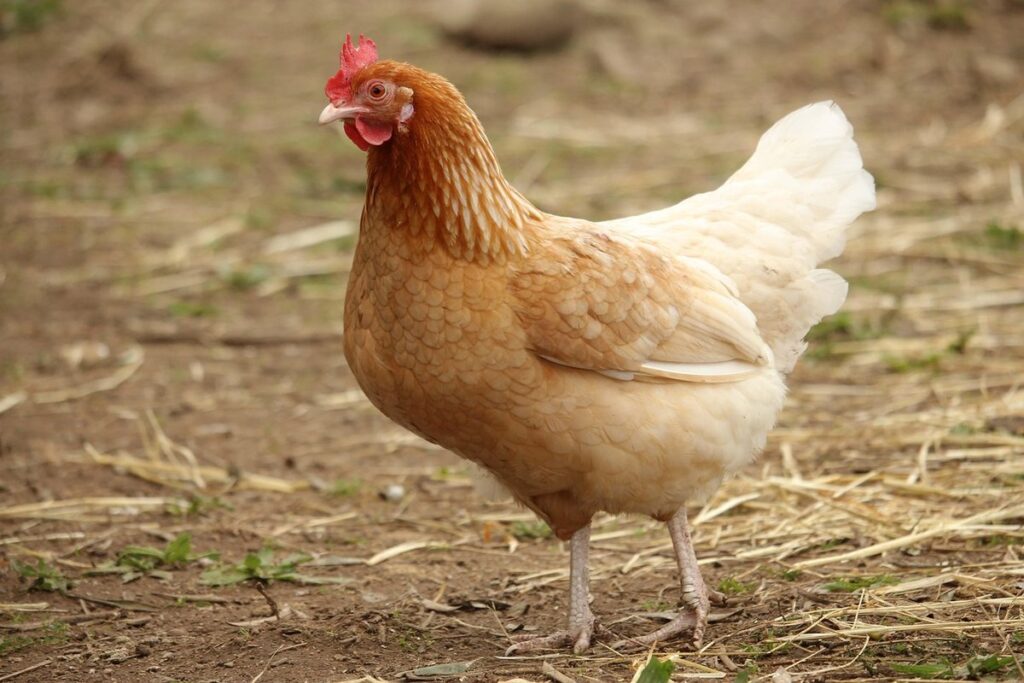
Introduction to Chicken Breeds
Let’s get started with understanding the amazing world of chicken breeds, from Leghorns to Plymouth Rock, each with its unique characteristics and benefits. We’ll explore their traits and features together.
What are Straight Run Chickens?
Straight run chickens are chicks that have not been sexed at hatcheries and are sold as-is. This means you’ll receive a mix of male and female chicks, with no guarantee of the specific sex or breed. When buying straight run chicks, it’s essential to understand their characteristics and implications.
Keep in mind that straight run chicks can be more challenging to manage than pullets, especially for beginners. Males will grow into roosters, which can become aggressive and loud as they mature. This may not be suitable for urban or suburban settings where noise regulations are enforced. Additionally, roosters require more space and may fight with each other.
When buying straight run chicks, it’s crucial to consider the breed’s growth rate and adult size. If you’re new to chicken keeping, it’s recommended to start with slower-growing breeds that mature at around 20-24 weeks. Some popular breeds suitable for beginners include Australorp, Plymouth Rock, and Wyandotte.
Remember to also check local regulations regarding rooster ownership before bringing home straight run chicks. With proper planning and management, straight run chickens can make excellent additions to your flock.
Benefits and Drawbacks of Straight Run Chicks
Raising straight run chicks can be an attractive option for backyard chicken keepers, but it’s essential to understand both the benefits and drawbacks of this approach. One advantage of straight run chickens is that they offer genetic diversity, allowing you to potentially breed healthier and more robust birds. This is particularly beneficial if you’re interested in developing a self-sufficient flock or building a breeding program.
However, there are also some significant disadvantages to consider. The sex ratio in a straight run flock can be unpredictable, with ratios varying between 60:40 (male:female) and even as skewed as 80:20 or more. This means you may end up with significantly more males than females, which can lead to unwanted breeding and potential aggression issues.
To mitigate these risks, it’s crucial to carefully plan your flock size and management strategies from the outset. Consider starting with a smaller group of chicks and separating them at around 6-8 weeks old to ensure a better sex ratio. This will also give you time to assess their growth rates and personalities before making any further decisions about breeding or culling.
Understanding Pullets
If you’re new to raising chickens, understanding what pullets are can be a bit confusing. Let’s break down the basics of pullets and how they differ from straight run chicks.
What are Pullets?
Pullets are young hens that have reached a certain age and stage of development, typically between 16 to 20 weeks old. At this point, they’ve started to mature physically but may not yet be laying eggs consistently. The key difference between pullets and straight run chicks is the level of maturity and sex determination.
When you buy pullets, you can expect them to be around 2-3 months older than straight run chicks. This means they’ll have already gone through the brooding stage and are more likely to adapt quickly to their new environment. Pullets will also start developing their egg-laying abilities during this time, although it may take a few weeks for production to reach its peak.
As a general rule of thumb, pullets are often recommended for backyard flocks as they’re easier to integrate into existing groups and tend to be less aggressive than straight run chicks. By choosing pullets over straight run chicks, you’ll also have more control over the sex ratio in your flock, which can be beneficial if you’re looking to establish a stable egg-laying community.
Advantages of Raising Pullets
Raising pullets offers several advantages that can make the experience of new chicken owners much smoother and more enjoyable. One key benefit is a consistent sex ratio. When you purchase pullets, you’re likely to get about 50% males and 50% females, which means you’ll have an even split of both sexes in your flock. This balance eliminates the stress of wondering how many roosters or hens you’ll end up with.
In contrast, straight run chickens can be a gamble when it comes to sex ratio. You might get mostly males, which could lead to problems if you don’t want roosters dominating your backyard. Conversely, having too many hens can also cause issues, such as excessive noise and egg production waste.
Additionally, pullets are often less stressed than straight run chickens because they’re handled more gently during the brooder phase. This gentle handling helps them become tame and easier to manage once they reach maturity. As a new chicken owner, you’ll appreciate having birds that are more docile and responsive to training. By choosing pullets over straight run chickens, you can ensure a more harmonious and predictable flock dynamic from day one.
Sex Ratio in Straight Run vs Pullets
One of the most critical factors to consider when choosing between straight run and pullet chickens is their sex ratio at maturity, which can significantly impact your flock’s overall health and productivity. Let’s break down how these two types differ in this regard.
The Importance of Sex Ratio in Chickens
When managing a backyard flock, one crucial aspect to consider is sex ratio. Simply put, sex ratio refers to the proportion of male and female chickens within your flock. Understanding and maintaining an optimal sex ratio can significantly impact production and behavior.
In chickens, females are often more docile and easier to manage than males, who tend to be more aggressive and dominant. A skewed sex ratio in favor of males can lead to stress and fights among the birds, ultimately affecting their overall health and productivity. Conversely, having too many hens can result in overcrowding and increased competition for resources.
To maintain a balanced sex ratio, consider the following: if you’re new to backyard chicken-keeping, start with 3-4 females per male. As your flock grows, monitor their behavior and adjust accordingly. For example, if you notice aggression among males or stress among females, it may be necessary to add more hens or cull some of the roosters.
Aim for a sex ratio that allows each bird to have enough space and resources, promoting a harmonious and thriving flock.
Differences in Sex Ratio Between Straight Run Chicks and Pullets
When it comes to sex ratios in straight run chicks and pullets, there’s a notable difference that can significantly impact chicken owners’ decisions and experiences. On average, a brood of 20-25 straight run chicks will typically comprise around 50% males and 50% females. However, with pullets, the ratio is often more skewed towards females, usually ranging from 60:40 to 80:20 (female:male).
This disparity in sex ratios affects chicken owners’ choices, especially if they’re looking to raise chickens for eggs or meat production. For instance, if you want to establish a flock for egg-laying purposes and need a consistent supply of hens, pullets might be the better option due to their predominantly female composition. Conversely, if you prefer having a balanced mix of males and females in your flock, straight run chicks could be a more suitable choice.
To give you a better idea, consider this: a small flock of 10-15 birds will typically require at least 6-8 hens for optimal egg production. With pullets, you’ll have a higher likelihood of achieving this ratio than with straight run chicks. As such, understanding the sex ratios associated with each type is crucial in planning and managing your chicken flock effectively.
Raising Chickens: Straight Run vs Pullet Considerations
When deciding whether to raise straight run chicks or pullets, one of the most significant considerations is their growth rate and maturity level. This section will break down the key differences in these two options.
Space Requirements for Each Type
When it comes to backyard chicken keeping, understanding space requirements is crucial for both straight run chickens and pullets. A significant difference between these two types lies in their growth rate and size.
Straight run chickens grow at an accelerated pace, reaching maturity faster than pullets. As a result, they require more space to roam and exercise, especially during the first few months of life. For every three straight run chicks, you’ll need at least 2-3 square feet of floor space inside your coop. This translates to around 6-9 square feet for four chickens.
Pullets, on the other hand, grow slower and take longer to mature. They can thrive in smaller spaces, making them an ideal choice for backyard flocks with limited room. A good rule of thumb is to allocate at least 1-2 square feet per pullet inside your coop.
Keep in mind that these are general guidelines, and space needs may vary depending on the breed, climate, and other factors. Ensure you provide enough room for chickens to move around comfortably, and remember that a happy chicken is a healthy one!
Feed and Nutrition Differences
When it comes to feeding and nutrition, straight run chicks and pullets have different needs due to their varying age-related developmental stages. As they grow from chicks to laying hens, their nutritional requirements change.
Straight run chicks, being mixed-sex birds that are not sexed until around 18-24 weeks, require a starter feed rich in protein (around 20%) during the first few weeks of life. This helps them develop strong immune systems and builds their bodies for optimal growth. As they mature into pullets, usually between 4-6 months old, you’ll need to switch to a grower or developer feed with slightly lower protein levels (16-18%). This stage is crucial as it sets the foundation for future egg production.
Pullets, on the other hand, have more specific nutritional needs. They require higher calcium content in their diet to support bone development and laying organ maturation. A layer feed rich in calcium (around 2-3%) should be introduced when they reach around 16-20 weeks of age, usually a few weeks before they start laying eggs. This will help ensure strong eggshells and prevent potential health issues.
It’s essential to understand these nutritional differences to provide your birds with the right feed at the right time. Failing to do so can lead to stunted growth, reduced fertility, or even health problems. Always follow a reputable manufacturer’s feeding recommendations for straight run chicks and pullets, taking into account their specific age-related needs.
Behavioral Differences Between Straight Run Chicks and Pullets
One of the most significant differences between straight run chicks and pullets lies in their behavior, which can impact everything from your daily routine to your overall enjoyment of raising them. Let’s explore these behavioral distinctions further.
Socialization and Training Implications
When introducing straight run chicks and pullets to a flock or training environment, understanding their sex ratio is crucial for effective socialization and training procedures. With a mix of sexes, such as in straight run groups, you can expect a more dynamic and diverse social hierarchy. This may lead to faster pecking order establishment, which can be beneficial for overall flock harmony.
On the other hand, pullet groups tend to have fewer conflicts due to their all-female composition. However, this also means that they may not develop as strong of a pecking order or learn important social cues from males. When training straight run chicks, it’s essential to establish clear rules and boundaries early on to prevent aggression issues that can arise from the varying sex ratios.
Consider introducing new birds gradually and under close supervision to monitor their interactions. This allows you to intervene if necessary and reinforce positive behaviors. Keep in mind that individual personalities also play a significant role in socialization, so be prepared to adapt your training approach accordingly.
Behavior Changes as Chickens Mature
As straight run chicks mature into adolescence and eventually adulthood, significant changes occur in their behavior. This transformation is particularly evident between males and females. Males tend to become more aggressive and territorial as they reach puberty, around 20-24 weeks of age. They may engage in dominance displays, such as crowing loudly or chasing each other. In contrast, pullet females are less likely to exhibit aggressive behavior.
Between adolescence (4-16 weeks) and adulthood (24 weeks+), chickens undergo a series of changes that impact their social dynamics and behavioral patterns. In straight run flocks, males may begin to form small groups, often led by the dominant bird. Females, on the other hand, tend to remain more docile and focused on foraging and nesting activities.
It’s essential to recognize these differences to ensure a harmonious coop environment. As chickens mature, providing separate areas for males and females can help reduce aggression and stress. By understanding their unique needs and behaviors, you can create a more balanced and peaceful flock dynamic.
Choosing Between Straight Run Chicks and Pullets
When it comes time to select your new chicks, you’re faced with a crucial decision: whether to go with straight run chicks or pullets. This section will help clarify the key differences between these two options.
Factors Influencing Decision-Making
When deciding between straight run chicks and pullets for your backyard flock, several factors come into play. One significant consideration is the breed’s growth rate and maturity level. Some breeds, like Leghorns, reach full size quickly, making them ideal for egg production from a younger age. In contrast, slower-growing breeds like Orpingtons may take longer to mature, requiring more time and resources.
Another crucial factor is your experience level as a backyard chicken owner. If you’re new to raising chickens, pullets can be a safer choice since they’ve already begun developing their egg-laying abilities by the time they arrive at your doorstep. This means you’ll have a steady supply of eggs sooner rather than later. On the other hand, straight run chicks require more care and attention as they grow.
Additionally, your personal goals for keeping chickens will also influence your decision. If you’re looking to raise a flock for meat production or want to explore different breeds, straight run chicks might be the way to go.
Tips for First-Time Chicken Owners
As a first-time chicken owner, it’s essential to understand that choosing between straight run and pullet chickens requires careful consideration. When deciding which type of chicken is right for you, consider the following key factors: age, maturity rate, and overall health.
When selecting straight run chicks, be aware that they are essentially young, unsexed birds that will mature at varying rates. This can lead to difficulties when determining their sex, as some may take longer than others to develop characteristics associated with either males or females. On the other hand, pullets have already begun to develop their physical and behavioral traits, making it easier to determine their sex.
To make an informed decision, consider starting with a small group of chicks and introducing them to your flock gradually. Monitor their growth and development closely, taking note of any unique characteristics that may indicate their sex. Additionally, research reputable breeders or suppliers that specialize in straight run chicks, as they can provide valuable insights into the specific traits of their birds.
Ultimately, it’s crucial to weigh the pros and cons of each type carefully before making your decision. By doing so, you’ll be better equipped to choose the right chicken for your needs and ensure a harmonious flock environment.
Conclusion: Straight Run vs Pullets – What’s Right for You?
In conclusion, choosing between straight run and pullet chicks depends on your specific needs and goals. If you’re looking to raise chickens for meat production or egg laying, understanding the pros and cons of each option is crucial. By weighing factors such as growth rate, temperament, and egg-laying potential, you can make an informed decision that suits your situation best. For example, if you have limited space, pullets may be a better fit as they mature more quickly and require less care. On the other hand, straight run chicks offer greater diversity in breeds and may be more appealing to those seeking a unique flock. Ultimately, consider your resources, experience level, and personal preferences when deciding which option is right for you.
Frequently Asked Questions
Can I still raise a healthy flock with straight run chickens if I don’t have much experience?
Yes, it’s possible to raise a healthy flock with straight run chickens even as a beginner. However, be prepared for the challenges that come with unsexed chicks, such as determining sex and managing potential aggression from males.
What are some signs that my straight run chick is actually a pullet?
It can be difficult to determine the sex of a straight run chick, but look for physical characteristics like comb size and feather development. Pullet chicks tend to develop their combs earlier and have more prominent feathers on their necks and backs.
How do I handle aggressive behavior in my straight run flock if most of them turn out to be roosters?
Aggressive behavior from roosters can be managed by providing enough space for your birds, separating aggressive males from females, and implementing a strict pecking order. Consider culling or rehoming the most aggressive individuals.
Can I mix pullets with straight run chickens in my backyard flock?
It’s generally not recommended to mix pullets with straight run chickens as they have different space requirements, nutritional needs, and behavioral patterns. Pullets are often easier to manage than straight run chicks, so it’s best to keep them separate to avoid stressing your birds.
What should I do if I accidentally end up with too many roosters in my straight run flock?
If you’re left with an imbalance of males in your flock, consider rehoming some of the roosters or culling them to maintain a healthy balance between hens and cocks. Keep in mind that local regulations may vary regarding rooster ownership.