
Are you an avid backyard chicken keeper or a small-scale farmer looking to boost your egg production? If so, you’re in the right place! Choosing the strongest egg-laying chicken breeds can make all the difference in maximizing your yield. But with so many options available, it can be overwhelming to decide which ones are best for your needs. In this article, we’ll take a closer look at some of the top-performing breeds, including Leghorns and Hy-Line Browns, that have earned their reputation for exceptional egg-laying capabilities. We’ll also dive into expert tips on how to optimize their performance through proper nutrition, health management, and environmental considerations. By the end of this article, you’ll be equipped with the knowledge you need to create a thriving flock that delivers top-notch eggs!
Introduction to Egg-Laying Chickens
If you’re new to raising chickens, it’s essential to understand how egg-laying breeds work and what to expect from your flock. Let’s start by introducing the basics of egg-laying chickens.
What Makes a Good Layer?
When it comes to egg-laying chickens, their ability to produce eggs is influenced by several key factors. Genetics play a significant role, as certain breeds are naturally more prolific layers than others. A chicken’s diet also has an impact on its egg-laying capacity, with adequate nutrition providing the necessary building blocks for healthy egg production.
Proper health and wellness are equally important. Chickens that are free from stress and disease are better able to focus their energy on laying eggs. This is why it’s essential to provide a safe and healthy living environment, complete with adequate shelter, clean water, and nutritious food.
In addition to these factors, individual chickens’ personalities and lifestyles can also affect their egg-laying abilities. For example, hens that are allowed to forage freely may be more likely to lay eggs than those confined to a small coop. By understanding the interplay between these factors, you can create an environment that supports your flock’s egg-laying potential.
As you choose a breed from our strongest egg laying chicken breeds list, keep in mind that every bird is unique and will have its own strengths and weaknesses when it comes to egg production.
Importance of Choosing the Right Breed
When it comes to choosing egg-laying chicken breeds, many backyard farmers and hobbyists overlook one crucial aspect: selecting a breed that’s well-suited for their needs. However, this oversight can significantly impact the overall success of their operation. Choosing the right breed is essential for maximizing egg production, as different breeds have varying abilities when it comes to laying eggs.
For instance, some breeds are bred specifically for high egg production, while others may prioritize meat production or temperament. If you’re looking to maximize your egg output, you’ll want to focus on breeds known for their exceptional laying abilities. On the other hand, if you’re short on space, a breed that’s more compact and doesn’t require as much room will be a better fit.
To choose the right breed, consider factors such as climate, available space, and your personal preferences. Research different breeds and read reviews from experienced owners to get a sense of their strengths and weaknesses.
Top 5 Egg-Laying Breeds for Small Backyard Flocks
If you’re looking to add some prolific layers to your small backyard flock, you’ll want to consider these top breeds that consistently deliver on egg production.
1. Leghorn: The Classic Layer
The Leghorn is undoubtedly one of the most iconic and revered egg-laying breeds. Its impressive daily production of around 280-300 eggs per year has earned it a top spot among backyard flock owners. What’s more, this bird’s adaptability to various living conditions makes it an excellent choice for small-scale farmers and hobbyists alike.
One of the primary reasons why Leghorns are so successful at producing eggs is their unique physiology. They have a remarkably efficient reproductive system, which allows them to lay eggs with ease. Additionally, their large ovaries enable them to store multiple yolks simultaneously, leading to consistent daily production. Leghorns also exhibit remarkable resilience and can thrive in a wide range of environments.
To get the most out of your Leghorn flock, it’s essential to provide them with proper nutrition, adequate space, and regular health checks. This will not only optimize their egg-laying capacity but also ensure they remain happy and healthy throughout their lives. With minimal care and attention, you can expect your Leghorns to deliver a steady supply of fresh eggs, making them an excellent choice for small backyard flocks.
2. Rhode Island Red: A Reliable Choice
The Rhode Island Red is a beloved choice for backyard flocks due to its impressive egg-laying abilities and adaptability to various climates. With an average production of 200-220 eggs per year, it’s no wonder this breed has been a staple on farms for generations.
One reason why the Rhode Island Red excels in egg laying is its robust health. They are resistant to many diseases that can plague other breeds, making them a reliable choice for small backyard flocks. Additionally, their hardiness allows them to thrive in different climates, from scorching summers to freezing winters.
To ensure your Rhode Island Reds reach their full potential, make sure they have access to a balanced diet and plenty of fresh water. Providing a mix of calcium-rich foods, such as oyster shells or crushed eggshells, will also support strong eggshell production.
In our experience, Rhode Island Reds are just as happy in small backyards as they are on large farms. They’re friendly, curious birds that will entertain you for hours with their antics. With proper care and attention, a flock of Rhode Island Reds can provide years of delicious eggs and endless joy.
3. Barred Plymouth Rock: A Hybrid with a Purpose
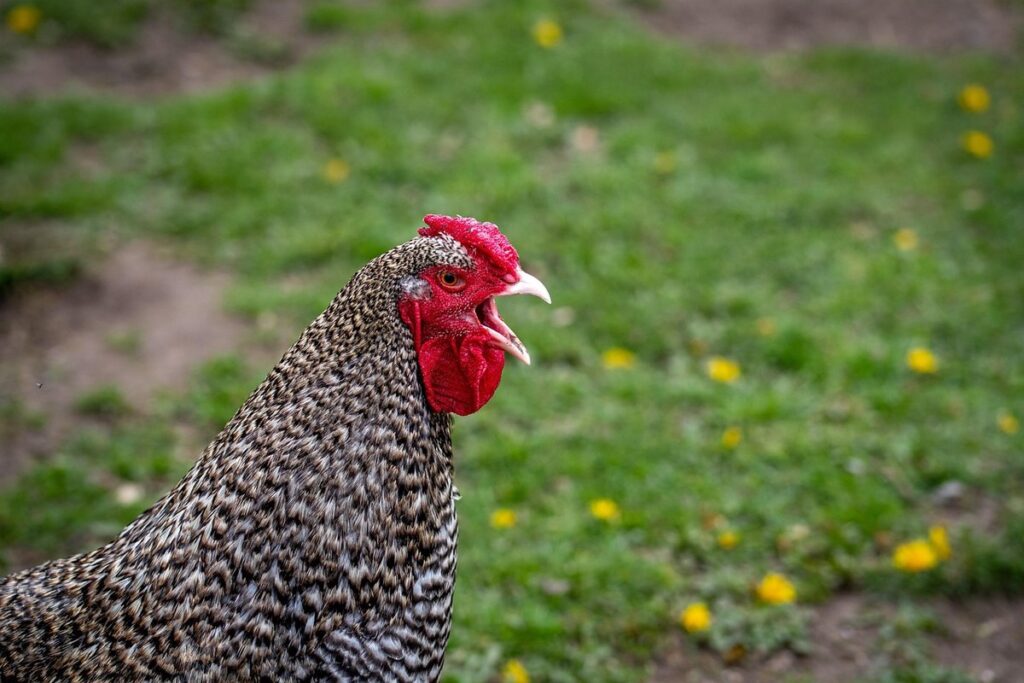
The Barred Plymouth Rock is often considered one of the strongest egg-laying breeds out there. One reason for this impressive performance lies in its hybrid vigor. As a cross between an English Gamecock and a Dominique, the Barred Plymouth Rock benefits from the genetic diversity that comes with being a hybrid breed.
This means it has access to a broader gene pool, making it more resistant to disease and better equipped to handle environmental stresses. When you combine this robust constitution with careful breeding and management practices, the result is a bird capable of producing an astonishing 300-320 large brown eggs per year. To get the most out of your Barred Plymouth Rock’s egg-laying abilities, make sure they’re getting enough protein-rich feed and fresh water to maintain optimal health.
Top 5 Egg-Laying Breeds for Large Commercial Operations
When it comes to large commercial operations, you’ll want breeds that can keep up with high demand, and these top picks deliver. From Leghorns to Orpingtons, we’ve got you covered.
1. Hy-Line Brown: A High-Production Breed
The Hy-Line Brown is one of the most popular breeds among commercial farmers due to its exceptional egg-laying abilities. With an average production rate of 300-320 large brown eggs per year, this breed is a top choice for farms looking to maximize their output. In fact, according to data from the National Chicken Council, the Hy-Line Brown has consistently ranked as one of the top-performing breeds in terms of egg production.
One key factor contributing to the Hy-Line Brown’s success is its high fertility rate – around 90-95% of fertile eggs are expected. This means that farmers can expect a high percentage of their hens’ eggs to hatch, making it an attractive choice for breeders as well as commercial operators. Additionally, the breed’s docile nature and hardiness make it relatively low-maintenance compared to other breeds.
When considering introducing Hy-Line Browns into your operation, keep in mind that they require a balanced diet rich in nutrients to optimize their performance. Providing adequate space, ventilation, and access to fresh water are also crucial for maintaining their health and productivity.
2. Marans: A Dark-Brown Egg Specialist
Marans are a popular choice for commercial egg operations due to their exceptional egg-laying abilities and unique characteristics. With an average of 180-200 eggs per year, Marans are among the top-producing breeds. Their dark-brown eggs are highly sought after by consumers, making them a valuable asset for farms.
One key factor contributing to Marans’ high production is their robust health and immunity. They are less prone to diseases such as Marek’s and Newcastle, which can decimate flocks. Additionally, Marans have a calm temperament, reducing stress-related issues that can impact egg laying.
Their unique characteristics also make them well-suited for large-scale operations. Marans are relatively easy to manage, with a moderate energy level and minimal space requirements. This makes them an ideal choice for commercial farms with limited resources or space constraints. By incorporating Marans into your flock, you can take advantage of their exceptional egg-laying abilities and capitalize on the growing demand for dark-brown eggs.
3. Australorp: A Long-Lasting Layer
When it comes to egg-laying breeds that can withstand the demands of large commercial operations, Australorp is a name that stands out. These birds are renowned for their impressive ability to maintain egg-laying productivity over an extended period.
Australorps have been bred specifically for their high egg production, and they deliver. On average, a mature Australorp hen will lay around 250-300 brown eggs per year. But what’s truly remarkable is that these birds can continue laying at this rate for up to five years or more with proper care and management.
This longevity in egg-laying is due in part to the breed’s robust constitution and minimal susceptibility to health issues. As a result, Australorps require less veterinary attention and fewer interventions compared to other breeds. This makes them an attractive choice for large-scale commercial operations looking to minimize costs while maximizing productivity. To get the most out of your Australorp flock, be sure to provide ample space, nutritious feed, and regular monitoring to ensure their continued health and egg-laying performance.
Breed Characteristics That Impact Egg Production
When it comes to egg-laying potential, some breeds are naturally more prolific than others. Let’s dive into the key characteristics that influence a breed’s egg production abilities.
Size and Weight: What Matters Most?
When it comes to selecting a breed for optimal egg production, size and weight are crucial factors to consider. A larger chicken generally means more muscle mass, which is essential for laying bigger eggs. In fact, studies have shown that heavier birds tend to produce more eggs than lighter ones. For instance, the Leghorn breed, one of the most popular for commercial egg production, typically weighs around 4-5 pounds and lays an average of 280-300 large brown eggs per year.
However, size is not the only determining factor. Some smaller breeds, like the Bantam, can still lay a respectable number of eggs despite their compact size. The key is finding a balance between muscle mass and weight, which allows for efficient egg production without overexertion. If you’re looking to maximize your flock’s output, consider introducing breeds that excel in both size and weight, such as the Rhode Island Red or the Barred Plymouth Rock.
It’s worth noting that while larger birds can produce more eggs, they may also require more feed and space to move around comfortably. Be sure to research each breed’s specific needs before making a decision for your farm or backyard flock.
Feathers, Plumage, and Climate Adaptability
When it comes to egg-laying breeds, their ability to adapt to various climates plays a significant role in determining their overall productivity. Different breeds have developed unique characteristics that enable them to thrive in diverse environmental conditions. For instance, breeds like the Leghorn and Rhode Island Red excel in hot climates due to their lightweight feathers and efficient cooling systems.
On the other hand, cold-hardy breeds such as the Wyandotte and Brahma are better suited for cooler climates, with thick plumage that insulates them from harsh temperatures. These adaptations not only ensure the chickens’ survival but also impact their egg-laying abilities.
In hot climates, it’s essential to provide your birds with adequate ventilation and cooling measures to maintain optimal health and productivity. In contrast, in cold climates, ensuring access to dry bedding and wind protection can help mitigate the negative effects of extreme temperatures on egg production.
By understanding the specific needs of different breeds and adapting their living conditions accordingly, you can optimize their performance and maximize your egg yields.
Health Considerations for Maximizing Egg Production
When it comes to maximizing egg production, maintaining your flock’s health is crucial. In this next part, we’ll explore essential health considerations to ensure your chickens stay healthy and productive.
Nutrition: The Key to Optimal Laying
For optimal egg production, it’s essential to provide your laying hens with a balanced diet rich in essential nutrients. Vitamins and minerals play a crucial role in maintaining their overall health and productivity.
Calcium is often the most talked-about nutrient when it comes to egg-laying. However, other vital vitamins and minerals include vitamin A, D3, E, K, and B-complex, as well as copper, iron, manganese, phosphorus, potassium, selenium, zinc, and omega-3 fatty acids. These micronutrients support bone health, energy production, immune function, and reproductive processes.
A layer’s diet should consist of around 18-20% protein from high-quality sources like grains, legumes, or insects. Providing a balanced mix of vitamins and minerals can be achieved through commercial layer feed or by creating your own recipe using locally sourced ingredients. For example, offering leafy greens, fresh fruits, and calcium-rich foods like crushed eggshells or oyster shells will help meet their nutritional needs.
To optimize your flock’s nutrition, consider the following:
* Consult with a poultry expert to determine the best feed for your region
* Monitor your hens’ behavior, egg production, and health to adjust their diet accordingly
* Consider supplementing their diet with probiotics or prebiotics to support gut health
Disease Prevention and Management
When it comes to maximizing egg production, disease prevention and management play a crucial role. Egg-laying hens are prone to various health issues that can significantly impact their productivity. Common health problems affecting egg layers include respiratory diseases such as Newcastle disease and Infectious Bronchitis, as well as parasites like mites and lice.
To prevent these issues, maintain a clean coop with adequate ventilation. Provide regular dust baths to help hens self-clean and remove external parasites. Regularly check your flock for signs of illness or stress, such as changes in appetite or egg production.
In addition to prevention, having a management plan in place can also help mitigate disease outbreaks. This includes:
* Isolating new birds from the rest of the flock for at least 30 days
* Implementing vaccination programs (if necessary)
* Regularly monitoring your hens’ health and adjusting your management strategies as needed
Tips for Raising the Strongest-Egg-Laying Breeds
If you’re planning to bring home one of these top-performing breeds, here are some expert tips on how to raise them to their full egg-laying potential.
Housing and Environment
When it comes to raising the strongest egg-laying breeds, providing a suitable living environment is just as crucial as choosing the right breed. The conditions you create for your chickens can significantly impact their ability to produce eggs efficiently. A healthy and happy chicken is more likely to lay well, so let’s take a closer look at how you can create an optimal environment.
Firstly, make sure your coop has adequate ventilation. Chickens need fresh air to stay healthy, so ensure the coop has windows or vents that allow for airflow. You should also consider the temperature inside the coop – it shouldn’t be too hot or cold. Aim for a temperature range of around 50-70°F (10-20°C) for optimal egg production.
Provide enough space for your chickens to move around, at least 3-4 square feet per bird inside the coop and 8-10 square feet in the run. This will help prevent stress-related issues that can affect egg laying. Also, consider the lighting – natural light is essential, but if you’re keeping chickens indoors during winter months, provide supplemental lighting to maintain a consistent day-night cycle.
Keep your coop clean by regularly removing waste and disinfecting surfaces. Chickens are naturally inclined to live in clean environments, so maintaining hygiene will encourage healthy behavior.
Feeding and Nutrition Strategies
When it comes to raising strong egg-laying chicken breeds, feeding and nutrition strategies play a crucial role. A well-planned diet not only supports high egg production but also overall health and well-being of the birds.
A good starting point is to provide a balanced layer feed that meets 16-18% protein requirements for optimal egg production. However, supplementing with additional nutrients can significantly boost performance. Calcium is an essential mineral that aids in strong shell formation, and adding crushed oyster shells or dark leafy greens like kale or spinach can help meet this requirement.
Other key nutrients to consider include vitamin D3, which supports calcium absorption, and probiotics, which promote gut health and immune function. Consider incorporating supplements specifically designed for egg-laying birds, as they often contain a blend of these essential nutrients in the right proportions.
To make the most of your feeding strategy, ensure that fresh water is always available, and provide a varied diet with fruits and vegetables to prevent boredom and maintain nutrient diversity.
Frequently Asked Questions
What’s the ideal space requirement for housing my strongest egg-laying chickens?
When it comes to providing a comfortable living environment, consider at least 2-4 square feet of space per chicken inside the coop, and a fenced area that offers around 8-10 square feet per bird. This will help maintain their health and happiness while supporting optimal egg production.
How often should I collect eggs from my flock?
Collecting eggs daily is essential to maintaining cleanliness and preventing breakage. It also allows you to monitor your flock’s productivity and detect any potential issues early on. Consider establishing a regular schedule for collecting eggs, especially during peak laying seasons.
Can I mix different breeds of egg-laying chickens in the same flock?
While it’s possible to combine breeds, it’s crucial to select breeds with similar temperaments and growth rates. Mixing breeds can lead to conflicts and stress, which may negatively impact their overall health and productivity. Research compatible breeds before introducing them to your existing flock.
How do I know if my chickens are getting enough nutrients for optimal egg production?
A well-balanced diet is vital for maximizing egg production. Ensure you’re providing a high-quality layer feed or supplementing with calcium, protein, and other essential nutrients. Monitor your birds’ behavior, plumage, and overall health to determine whether they’re receiving adequate nutrition.
What are some common diseases that can affect my strongest egg-laying chickens?
Regular vaccinations, cleanliness, and proper disease prevention strategies are crucial for maintaining a healthy flock. Be on the lookout for signs of respiratory infections, mites, and internal parasites, which can significantly impact your birds’ health and productivity. Consult with a veterinarian to develop a comprehensive health management plan.