
If you’re a poultry enthusiast or just starting your journey into the world of backyard chickens, chances are you’ve heard of the adorable Sussex Bantam. This small but mighty breed has captured the hearts of many with its gentle nature and impressive egg-laying abilities. But what makes the Sussex Bantam so special? In this article, we’ll delve into the rich history of this beloved breed, exploring its origins, unique characteristics, and temperament. You’ll also learn about the essential care requirements to ensure your Sussex Bantams thrive in their new home. From habitat and diet to health checks and socialization, we’ve got you covered with expert tips and advice to help you raise happy and healthy Sussex Bantams that will bring joy to your family for years to come.
History and Origin of the Sussex Bantam
The Sussex Bantam has a rich history that dates back centuries, originating in England as a hardy and versatile farm bird. Let’s take a closer look at how this beloved breed came to be.
Early Development and Purpose
The origins of the Sussex Bantam breed date back to England in the late 19th century. Breeders were on the lookout for a hardy and versatile chicken that could thrive on small farms, where space was limited. The Sussex Bantam’s ancestors were likely descended from the original Sussex breed, which had been developed specifically for its ability to withstand harsh weather conditions.
One of the key characteristics of the early development of the Sussex Bantam was its friendly nature. Breeders wanted a chicken that would be docile and easy-going, making it an ideal choice for small farms where children might be present or where space was limited. This friendly temperament has remained a hallmark of the breed to this day.
The ability to thrive on small farms was another crucial factor in the development of the Sussex Bantam. With its compact size and efficient egg-laying abilities, this breed was well-suited to smaller operations. As a result, it quickly became popular among backyard chicken keepers and small-scale farmers alike. Today, the Sussex Bantam remains a beloved choice for anyone looking to raise chickens in a more sustainable and space-efficient way.
Key Characteristics and Traits
One of the defining characteristics of the Sussex Bantam is its compact and docile nature. Over time, breeders have carefully curated this trait to create a bird that excels as both a pet and an egg-layer. Today’s Sussex Bantams are significantly smaller than their original counterparts, with males reaching around 6-8 inches in height and weighing between 1.5-2 pounds. Their compact size makes them ideal for backyard flocks or even urban dwellings where space is limited.
Their docile nature is another key characteristic that has been refined over the years. Sussex Bantams are known to be friendly, outgoing birds that thrive on human interaction. They are often described as “lap-sitters” due to their tendency to snuggle up in their owners’ laps. This temperament makes them an excellent choice for families with children or for experienced chicken keepers looking for a low-maintenance pet.
Their egg-laying abilities also make them a popular choice among backyard flock enthusiasts. Sussex Bantams are prolific layers, producing around 200-220 brown eggs per year. While their eggs may not be as large as those produced by larger breeds, their consistent production and gentle nature make up for any size differences.
Early Breeders and Their Impact
The early breeders of the Sussex Bantam played a significant role in shaping this beloved breed into what it is today. Among them was Sir Frederick Kelley, an influential poultry enthusiast who is often credited with being one of the key developers of the Sussex Bantam. Alongside Kelley, other prominent poultry enthusiasts were also instrumental in refining the breed’s characteristics and traits.
These early breeders were driven by a passion for creating a small yet robust chicken that could thrive on minimal feed and space. Through selective breeding, they aimed to produce birds with desirable qualities such as gentle nature, egg-laying ability, and good looks. The result was a compact, friendly bird that quickly gained popularity among backyard farmers and enthusiasts.
One notable example of the impact of these early breeders is the establishment of the Sussex Bantam Club in 1901. This club brought together like-minded individuals who shared a common goal: to promote and preserve the breed’s unique characteristics. Today, their efforts continue to shape the breed’s development, ensuring that its distinct features remain intact for future generations.
Physical Characteristics and Types
When it comes to identifying a Sussex Bantam, understanding their physical characteristics and types is essential. Let’s dive into what sets this charming breed apart from others in these key areas.
Standard and Miniature Varieties
When it comes to the physical characteristics of the Sussex Bantam, one of the first things you’ll notice is that they come in two primary forms: the standard variety and the miniature version. The main difference between these two forms lies in their weight, with the standard variety weighing around 3 pounds and the miniature version tipping the scales at approximately 2.5 pounds.
While both varieties share many similarities in terms of appearance and temperament, there are some key differences to be aware of when deciding which type is right for you. The standard Sussex Bantam has a more robust build, making it well-suited to active owners who want a companion that can keep up with their lifestyle. On the other hand, the miniature version makes an excellent choice for those living in smaller spaces or wanting a lower-maintenance pet.
In terms of choosing between the two varieties, consider your personal circumstances and what you’re looking for in a pet. If you have ample space to let your chicken roam, the standard variety may be the better choice. However, if you live in an apartment or have limited space, the miniature Sussex Bantam is a great option that still provides plenty of charm and personality.
Egg-Laying Ability and Productivity
One of the most notable characteristics of Bantams is their impressive egg-laying ability. As you might expect from a breed known for its productivity, Sussex Bantams are no exception. On average, they produce between 200-300 eggs per year, making them an excellent choice for small-scale farmers and backyard chicken keepers alike.
But what contributes to this remarkable egg-laying capacity? It’s largely due to their high metabolisms, which allow them to convert feed into energy efficiently. This means that even with limited space and resources, Sussex Bantams can thrive and continue to produce an impressive number of eggs throughout the year.
To get the most out of your Sussex Bantam’s egg-laying ability, be sure to provide a balanced diet rich in calcium and protein. Aim for around 16-18% protein in their feed, and supplement with oyster shells or crushed eggshells to support strong eggshell production. With proper care and nutrition, you can expect your Sussex Bantams to reach their full potential as prolific layers.
Color Variations and Markings
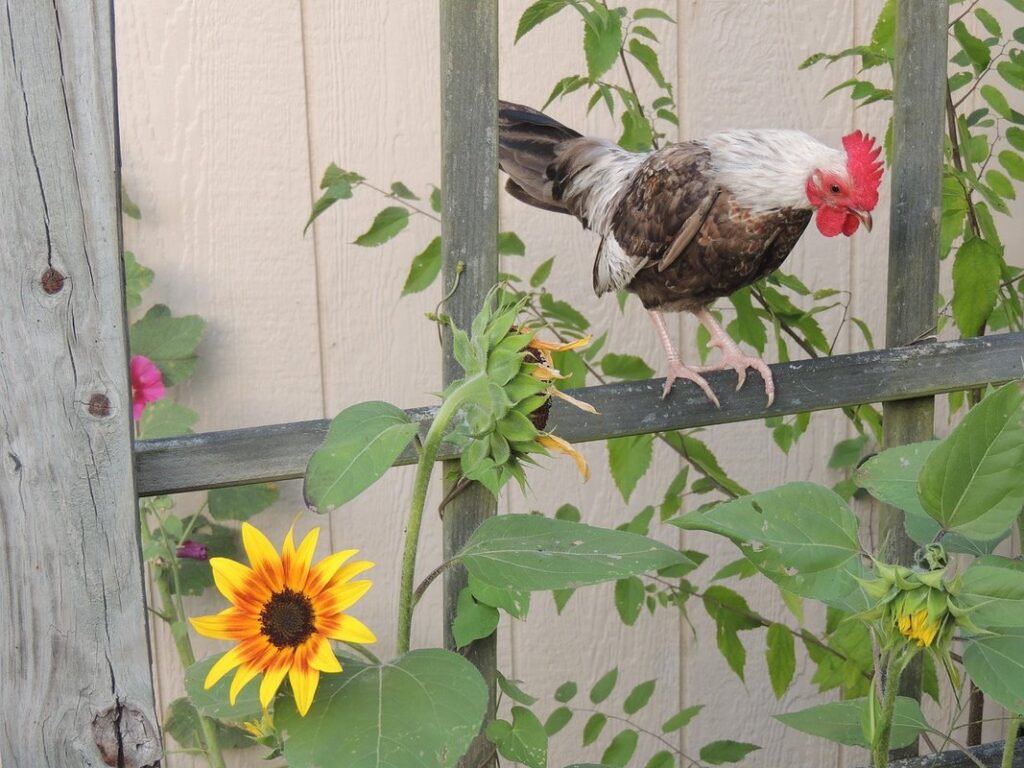
When it comes to the physical characteristics of the Sussex Bantam, one of its most distinctive features is the wide range of color variations and markings. The breed is recognized in a variety of colors, including gold, silver, buff, white, lavender, and cuckoo.
The gold Sussex Bantam has a rich, warm coat that ranges from a light golden hue to a deeper, more orange-toned gold. On the other hand, the silver variety boasts a sleek, shiny coat with a silvery-gray tone. If you’re looking for a lighter option, the buff and white Sussex Bantams are great choices, with their soft, creamy coats and pure white plumage.
For those who prefer something a bit more unique, the lavender and cuckoo varieties offer a range of subtle yet striking patterns. The lavender Sussex Bantam has a delicate, pale purple sheen to its coat, while the cuckoo variety boasts intricate black-and-white markings that give it a distinctive look.
Whether you’re a seasoned chicken keeper or just starting out, choosing the right color variation can be a great way to add some personality to your flock.
Temperament, Personality, and Handling
When it comes to bringing home a new Sussex Bantam, understanding their temperament and personality is key. This section will walk you through what to expect from these charming birds.
Docility and Friendliness
One of the standout characteristics of Sussex Bantams is their calm demeanor. Unlike some other breeds, they are known for being extremely docile and laid-back, making them an ideal choice for families with children or first-time chicken keepers. Their gentle nature also means they get along well with other pets in the household, as long as introduced properly.
Their affectionate personality is another reason why Sussex Bantams make wonderful pets. They love human interaction and will often seek out attention from their owners. In fact, many people report that their Sussex Bantams will follow them around the yard or even into the house, eager to be petted and cuddled. To encourage this friendly behavior, try setting aside dedicated time each day to interact with your birds, whether it’s feeding them treats or simply sitting with them in the coop.
By building a strong bond with your Sussex Bantam, you’ll find that they become incredibly tame and trusting, often allowing you to pick them up and handle them gently. With patience and consistency, you can develop a lifelong friendship with these lovable birds.
Noise Levels and Vocalization
When it comes to noise levels and vocalization, Bantams are generally more laid-back than their larger counterparts. However, as a Sussex Bantam owner, you should be prepared for the fact that they can be quite vocal.
On average, Bantams make fewer noise than larger breeds, but this doesn’t mean they’re silent birds. They will still make various sounds to communicate with you and other animals in their surroundings. You can expect to hear a range of noises from chirps and clucks to loud crowing at dawn and dusk.
It’s worth noting that the frequency and volume of their vocalizations can be influenced by factors such as their environment, socialization, and individual personality. Some Sussex Bantams may be more prone to screaming or making high-pitched sounds, while others might be quieter and more subdued.
To manage your Sussex Bantam’s noise levels, it’s essential to provide them with a suitable environment and adequate attention. Make sure they have enough space to move around and engage in activities that stimulate their minds and bodies. By doing so, you can minimize the likelihood of excessive vocalization and create a harmonious living situation for both you and your feathered friend.
Social Requirements and Pecking Order
As social creatures, Sussex Bantams require regular interaction with other chickens to prevent boredom and stress. In fact, these birds can become quite lonely if left to themselves for extended periods of time. To ensure their happiness and well-being, it’s essential to introduce them to a flock as soon as possible.
When introducing new birds to your existing flock, do so slowly and under close supervision. Start by keeping the newcomers in a separate enclosure near the main coop, allowing them to get used to each other’s presence without the risk of conflict. Once they seem comfortable with each other, you can gradually integrate them into the main group.
A general rule of thumb is to provide at least three square feet of space per bird inside the coop and five square feet in the run. This will give your Sussex Bantams plenty of room to move around and engage with each other. However, don’t forget that some birds can be more dominant than others, so it’s crucial to establish a pecking order early on. With patience and proper introduction, you’ll create a harmonious flock where every bird feels valued and respected.
Housing, Diet, and Health Considerations
When it comes to bringing home a Sussex Bantam, there are several essential considerations for creating a happy and healthy environment. Let’s dive into housing, diet, and health tips specifically tailored to this charming breed.
Housing Requirements and Space Needs
When it comes to providing a suitable living environment for your Sussex Bantam, one of the most crucial aspects is ensuring they have ample space to move around. A spacious coop with adequate ventilation will not only keep them healthy but also happy.
As a general rule, a good coop should provide about 3-4 square feet of floor space per chicken. However, considering their miniature size and active nature, it’s recommended to go for at least 5 square feet per bird. This extra space allows them to stretch their wings, exercise, and engage in natural behaviors like dust-bathing and preening.
When building or choosing a coop, don’t forget to prioritize ventilation. Adequate airflow is essential to prevent ammonia buildup from droppings, which can cause respiratory problems. A well-designed coop should have windows for cross-ventilation, along with adequate gaps between the walls and roof for air circulation.
Nutrition and Feeding Guidelines
When it comes to feeding your Sussex Bantams, providing a balanced diet rich in protein is essential for maintaining their overall health and energy levels. A good quality commercial pellet should form the main staple of their diet, supplemented with a variety of fruits and vegetables.
Offering a mix of dark leafy greens such as kale and spinach, along with fresh veggies like carrots and sweet potatoes, will provide essential vitamins and minerals. Fresh fruits like berries, apples, and grapes can be given in moderation to provide natural sweetness and a boost of antioxidants. It’s also crucial to include a source of protein such as mealworms, crickets, or hard-boiled eggs.
Remember, Sussex Bantams have high metabolisms, so they require more frequent feeding throughout the day rather than two large meals. Divide their daily ration into 3-4 smaller meals to keep them energized and active. Always ensure access to fresh water at all times to prevent dehydration.
Common Health Issues and Prevention Strategies
When it comes to caring for your Sussex Bantam flock, health issues can arise from time to time. Regular veterinary check-ups are crucial in detecting potential problems early on, allowing you to take prompt action and prevent them from becoming more serious.
Some common health issues that affect Sussex Bantams include respiratory problems, such as bronchitis and pneumonia, which can be caused by damp conditions or poor ventilation in the coop. To minimize this risk, ensure good airflow and keep the coop dry.
Another issue is parasites, like mites and lice, which can be transmitted through direct contact with an infested bird. Regularly inspect your birds’ feathers and skin for signs of these pests, and treat promptly if necessary.
Maintaining a clean living environment and providing a balanced diet can also help prevent health issues in your Sussex Bantams. Make sure to provide fresh water at all times and offer a high-quality commercial feed that is formulated specifically for small breed chickens like the Sussex Bantam.
By staying on top of these health concerns through regular check-ups, careful coop management, and proper nutrition, you can help keep your flock happy and healthy.
Breeding and Raising Sussex Bantams
When it comes to raising a thriving flock, understanding how to breed and raise healthy Sussex Bantams is essential for any new owner. This process requires careful planning and attention to detail.
Breeding Programs and Bloodlines
When selecting a breeder for your new Sussex Bantam, it’s essential to consider reputable breeding programs that prioritize genetics over profit margins. This might mean looking beyond the cheapest option or the breeder with the flashiest website. Reputable breeders are invested in preserving and improving the integrity of their bloodlines, which is especially important in a breed like the Sussex Bantam.
Look for breeders who have done their research on the breed’s history, genetics, and specific traits. They should be able to explain the origins of their birds, how they’ve been selected for breeding, and what characteristics are being prioritized (e.g., feather quality, temperament, or egg-laying ability). Ask about their selection process: do they use genetic testing to identify potential health issues? Are their birds regularly evaluated by experienced judges?
Reputable breeders also prioritize the welfare of their birds. Look for evidence that they’re providing a safe and healthy environment for their flock, with plenty of space to roam and opportunities for socialization. This is critical in a breed like the Sussex Bantam, which thrives on interaction and movement. By supporting reputable breeding programs, you’ll be more likely to end up with a bird that’s healthy, well-socialized, and true to its breed standard.
Rearing Chicks and Young Birds
When it comes to rearing chicks and young birds in a Sussex Bantam flock, proper care and nutrition are crucial for their survival and growth. This stage is critical, as the health and well-being of the young birds will directly impact the overall quality and productivity of your flock.
Start by providing a warm and safe environment for your chicks. A temperature range of 90-100°F (32-38°C) is ideal during the first few weeks after hatching. Make sure their brooder is draft-free, well-ventilated, and equipped with adequate lighting. A shallow dish of water and a feeder filled with starter feed should also be readily available.
A high-quality starter feed formulated specifically for young poultry should be your top priority. It should contain around 20% protein to promote optimal growth and development. Introduce grit and oyster shells at around 4-6 weeks, as they will help with digestion and calcium intake. Also, ensure the chicks have access to fresh water at all times.
Regularly monitor their health, watching for signs of stress or illness, such as labored breathing, runny eyes, or lethargy. A well-balanced diet and a clean living environment will go a long way in preventing disease and promoting overall health.
Tips for New Breeders or Owners
As you embark on breeding or owning Sussex Bantams for the first time, it’s essential to know what to expect and how to care for these lovely birds. One crucial thing to note is that Sussex Bantams are hardy and adaptable but still require proper attention to their health.
When introducing new stock, make sure to quarantine them immediately and monitor their behavior closely. It’s also vital to ensure they have access to a balanced diet, fresh water, and a clean living environment. Providing a dust bath area can help keep their feathers in top condition.
Another consideration is the importance of proper handling. Sussex Bantams are known for being friendly and docile but can still become stressed if handled roughly or excessively. Be gentle when picking them up, and make sure to support their body weight evenly.
It’s also a good idea to start with a pair that has been well-bred and has a proven track record of producing healthy offspring. This will not only ensure the success of your breeding program but also help you avoid costly mistakes and disappointments.
Comparison with Other Bantam Breeds
You’re probably curious how the Sussex Bantam stacks up against other popular bantam breeds, and we’re here to break down some key differences. Let’s take a look at how it compares to the likes of Leghorns and Campines.
Differences Between Sussex and Other Bantams
Sussex Bantams are often distinguished from other breeds by their one-of-a-kind attributes. Their exceptional hardiness, for instance, sets them apart. Unlike some other bantam varieties that can be sensitive to disease and harsh climates, Sussex Bantams have demonstrated an impressive capacity to thrive in various environments.
One notable trait of the Sussex Bantam is its rich genetic diversity. This characteristic enables breeders to easily select birds with specific characteristics, making it simpler to maintain a robust and healthy flock. In contrast, breeds like the Mille Fleur or Campine, while beautiful, may be more challenging to work with due to their relative homogeneity.
The Sussex Bantam’s adaptability extends beyond genetics, too. These birds are known for their friendly disposition and are often described as docile and easy-going. This makes them an excellent choice for backyard flocks, especially those with children or limited experience in raising poultry. Overall, the unique blend of traits exhibited by the Sussex Bantam has earned it a loyal following among breeders and enthusiasts alike.
Similarities and Cross-Breeding Options
While the Sussex Bantam is a beloved breed on its own, some enthusiasts may be interested in crossing it with other bantams to create unique characteristics. However, this should not be taken lightly, as the results can vary greatly depending on the parent breeds.
Cross-breeding with other bantams can lead to unpredictable outcomes, and it’s essential to understand that the Sussex Bantam has a strong genetic foundation that may not always harmonize well with other breeds. For instance, some breeders have attempted to cross the Sussex Bantam with the Dutch Bantam, but the results often lack the distinctive size and gentle disposition of the Sussex.
To minimize potential issues, it’s crucial to research the genetics and temperament of the parent breeds beforehand. Even then, there are no guarantees that the offspring will inherit desirable traits from both parents. If you’re considering cross-breeding your Sussex Bantam with another breed, it’s best to start with a small scale and carefully monitor the process.
It’s also worth noting that many enthusiasts prefer to stick with traditional breeding methods, as they allow for greater control over the outcome and preserve the integrity of the breed. Ultimately, whether you choose to cross-breed or focus on pure Sussex Bantams, the most important thing is to prioritize the welfare and health of your birds.
Frequently Asked Questions
Can I raise Sussex Bantams as pets if I have very little space?
Yes, while Sussex Bantams require some space to roam, they are adaptable to small backyards or even indoor living with proper care and attention. Make sure to provide a safe and enriching environment for your birds.
How often should I collect eggs from my Sussex Bantams’ nesting box?
It’s essential to check on your Sussex Bantam’s nest regularly, ideally every day or two. This will help prevent breakage of eggs and ensure your birds continue laying successfully.
Are Sussex Bantams more prone to certain health issues than other breeds?
Yes, like any breed, Sussex Bantams are susceptible to specific health concerns such as respiratory problems due to their compact build. Regular monitoring, proper ventilation in coops, and maintaining good hygiene will help minimize the risk of these issues.
Can I keep multiple breeds together with my Sussex Bantams?
Mixing different breeds can work well if done thoughtfully. Introduce birds slowly under close supervision, monitor for aggression or stress signs, and ensure adequate space and resources to prevent conflicts.
What’s a good rule of thumb for selecting healthy chicks from a hatchery?
When purchasing chicks from a reputable hatchery, look for clear health guarantees, proper documentation, and ideally a live pick-up option. You can also ask the breeder about their vaccination protocols or any relevant health issues they’ve encountered in their flock.