
Are you looking for a friendly and productive addition to your backyard flock? The Sussex chicken breed is an excellent choice, known for its warm personality, impressive egg-laying capacity, and unique characteristics. Originating in England, this charming breed has been a favorite among farmers and homesteaders for centuries. In this article, we’ll delve into the history, physical traits, temperament, and care requirements of the Sussex chicken breed. You’ll learn about their friendly nature, which makes them an excellent choice for families with children, as well as their impressive egg-laying capacity, which can produce up to 200 brown eggs per year. By the end of this article, you’ll be equipped with all the information you need to decide if the Sussex chicken breed is right for your backyard flock.
History and Origin of the Sussex Breed
The origin of the Sussex breed dates back to England, where it was developed for its exceptional egg-laying abilities and robust constitution. Let’s delve into how this incredible breed came to be.
The Early Days of the Sussex
The Sussex breed has its roots in England, where it was first developed in the 19th century. The exact origin of the breed is unclear, but it’s believed to have been created by crossing local birds with breeds introduced from the continent. One theory suggests that the Sussex was influenced by the Old English Game Fowl, which was known for its strength and fighting prowess.
In the early days, Sussex chickens were valued for their hardiness and ability to thrive in challenging environments. They were often kept on small farms and in backyards, where they would provide both eggs and meat. The breed’s popularity grew over time, with the first official standard being written in 1862 by the Poultry Club of Great Britain.
It’s worth noting that early Sussex chickens were quite different from their modern counterparts. They had a more rugged appearance, with feathers ranging from buff to red-brown. Despite these differences, the breed remained true to its original purpose: producing high-quality eggs and meat for families and small-scale farmers.
Development into a Distinct Breed
The Sussex breed’s journey to becoming a distinct entity is an intriguing one. In the late 19th century, British poultry enthusiasts began cross-breeding various fowl, aiming to create birds that excelled in egg-laying and robustness. By selectively breeding these birds, the Sussex breed took shape.
Its defining characteristics set it apart from other breeds. The Sussex boasts a sturdy build, with males weighing around 9 pounds and females about 7.5 pounds. Their medium-length feathers are soft and fluffy, while their beaks are relatively small but strong. Notably, they have a distinct golden-brown coloration, ranging from light to dark.
Their selective breeding aimed at achieving dual-purpose traits: high egg production and meat quality. Sussex hens can lay around 200-220 brown eggs per year, making them an excellent choice for backyard flocks. In terms of meat production, their slow growth rate allows them to mature more evenly, yielding a more balanced flavor.
To develop your own Sussex flock, look for birds with these specific traits. Consider consulting reputable breeders or taking part in local poultry associations to learn from experienced breeders. By understanding the history and characteristics behind this breed, you’ll be better equipped to make informed decisions when raising or purchasing Sussex chickens.
Physical Characteristics of the Sussex
The Sussex chicken breed boasts a number of distinctive physical characteristics that set it apart from other breeds, including its plumage and overall build. Let’s take a closer look at what makes the Sussex unique in these areas.
Size, Weight, and Build
The Sussex chicken is a medium-sized breed, known for its sturdy build and muscular physique. Males typically weigh between 8-12 pounds (3.6-5.4 kg) and stand about 19-21 inches (48-53 cm) tall, while females usually tip the scales at 7-10 pounds (3.2-4.5 kg) and reach a height of 18-20 inches (46-51 cm). In terms of build, Sussex chickens have a compact, rounded body with a broad chest and well-sprung ribs.
One of the most notable characteristics of the Sussex breed is its robust legs and feet, which are designed for scratching and digging in the soil. This build makes them well-suited to free-range or pasture-raised systems, where they can forage for food and exercise their natural instincts. When it comes to choosing a Sussex chicken, look for individuals with good bone density and a well-muscled physique, as these traits will contribute to their overall health and productivity. With proper care and management, Sussex chickens can thrive in a variety of settings, making them an excellent choice for backyard flocks or small-scale farms.
Plumage and Color Variations
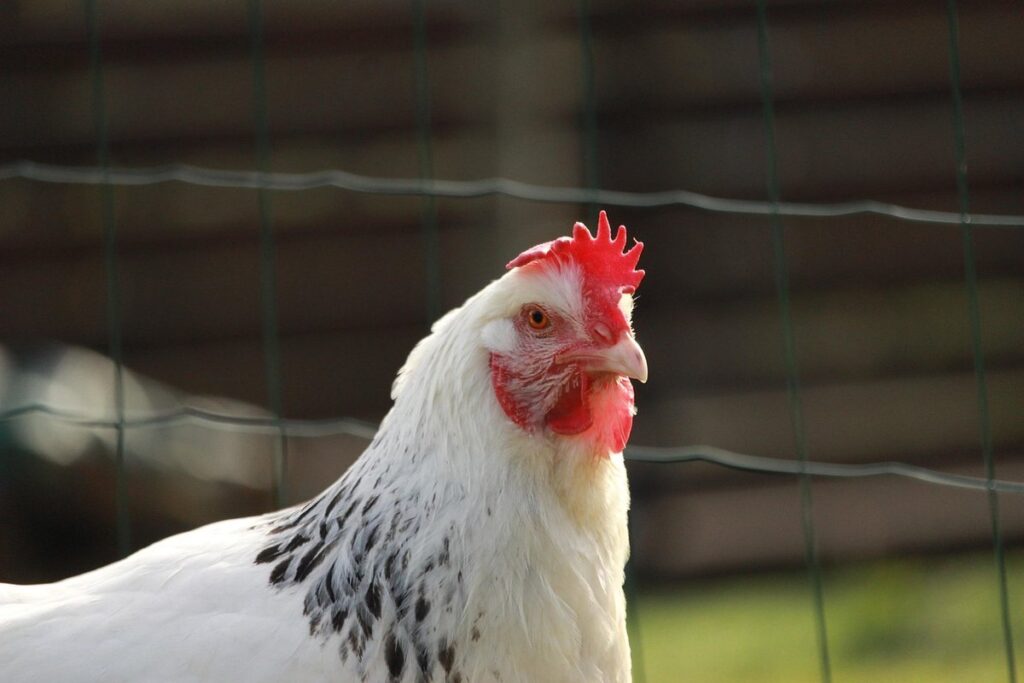
The Sussex breed boasts an impressive array of plumage types and color variations, setting it apart from other chicken breeds. One notable feature is its distinctive golden-brown feathers with intricate black striping on the neck and saddle areas.
You’ll find three main plumage types within the Sussex breed:
* Golden Cockerel, characterized by a rich golden sheen
* Light Brahma, featuring soft, pale feathers
* Dark Brahma, boasting deeper, darker tones
When it comes to color variations, you can expect everything from white and light-brown hues to rich golds and even red speckles. The breed’s unique genetic makeup allows for a wide range of colors to emerge.
For example, some Sussex chickens may display the Light Red or Dark Red varieties, showcasing deep crimson tones amidst their golden feathers.
Temperament and Personality of the Sussex
When it comes to temperament, Sussex chickens are known for their friendly and outgoing nature, making them a great choice for families with children. They’re also relatively easy-going with other pets.
Friendly and Docile Nature
The Sussex chicken is renowned for its exceptionally friendly and docile nature, making it an ideal choice for backyard flocks. These birds are known to be gentle giants, getting along swimmingly with both humans and other chickens alike. In fact, many backyard chicken keepers rave about the affectionate personalities of their Sussex hens, who often seek out human interaction and will happily follow you around the yard.
One reason why Sussex chickens excel in this regard is their friendly demeanor from a young age. They are known to be docile even as pullets, making them an excellent choice for families with children or for those who want a stress-free flock experience. With proper socialization, your Sussex hens will readily accept new additions to the flock and even befriend other breeds.
To encourage this friendly nature in your Sussex chickens, make sure to provide ample space for exercise and interaction within their coop and run. This can include adding enrichment activities such as scratching posts or foraging toys to stimulate their natural behavior.
Energetic but Not Flighty
One of the most appealing aspects of the Sussex breed is their energetic and lively nature. They are not birds that sit around idly all day, but instead, they thrive on activity and exercise. This is one of the key reasons why regular outdoor access is essential for Sussex chickens – it’s not just a nice-to-have, but a must-have if you want to keep them happy and healthy.
If you’re planning to keep Sussex chickens in your backyard, be prepared to dedicate some time each day to providing them with exercise. This can be as simple as letting them out into the yard for a few hours in the morning and evening, or setting up a safe area where they can run around and play.
In fact, research has shown that chickens need at least 2-3 hours of outdoor time per day to stay healthy and maintain their natural behavior. With Sussex chickens, it’s even more crucial as they have a tendency to get restless if cooped up for too long. Providing them with regular exercise will also help prevent behavioral problems such as feather pecking and stress-related issues.
If you can’t provide outdoor access, consider setting up a large enclosure or pen within your yard where the chickens can still move around freely. With some creativity and planning, it’s easy to give your Sussex chickens the exercise they need while keeping them safe from potential predators and hazards.
Egg-Laying Abilities of the Sussex
When it comes to egg-laying, the Sussex breed is a reliable choice for backyard chicken keepers. They consistently produce an impressive number of eggs throughout the year.
High-Egg Laying Capacity
The Sussex breed is renowned for its exceptional egg-laying abilities, making it an attractive addition to any backyard flock. On average, a healthy and well-cared-for Sussex hen will lay around 200-220 brown eggs per year, with some individuals reaching as high as 250 eggs annually.
One of the key factors contributing to their impressive egg production is their size and weight. Mature hens typically weigh between 8-10 pounds (3.6-4.5 kg), allowing them to store ample energy reserves for optimal egg-laying. Their robust constitution also enables them to withstand the demands of frequent laying, making them an excellent choice for small-scale farmers or backyard enthusiasts.
To maximize your Sussex’s egg production potential, ensure they have access to a balanced diet rich in calcium and protein. Provide plenty of fresh water and maintain a clean and spacious coop to promote overall health and well-being. With proper care and management, you can expect your Sussex hens to deliver an impressive quantity of eggs throughout the year.
Average Egg Size and Shell Quality
When it comes to egg-laying abilities, Sussex chickens are known for their high productivity and decent-sized eggs. On average, a Sussex hen will lay around 200-220 brown eggs per year, with some females laying as many as 250 eggs in ideal conditions. The size of these eggs is relatively standard, measuring about 55-60 grams each.
One aspect that sets Sussex chickens apart from other breeds is their eggshell quality. Their shells are thick and durable, which helps to protect the contents from breakage during transportation or storage. In fact, studies have shown that Sussex eggs have an average shell thickness of around 0.38 mm, making them well-suited for commercial egg production.
If you’re considering raising Sussex chickens for their eggs, keep in mind that proper nutrition and management are crucial to maximizing their productivity. Providing a balanced diet rich in protein and calcium will help support strong eggshell development. Additionally, ensuring access to clean water and adequate space can also help minimize stress and promote healthy laying habits.
Health Considerations for the Sussex Breed
When it comes to raising healthy Sussex chickens, there are several health considerations you should be aware of, such as disease susceptibility and genetic predispositions. Let’s take a closer look at these potential issues.
Susceptibility to Certain Diseases
The Sussex breed is generally considered to be a hardy and robust bird, but like all breeds of chicken, they are not immune to certain health issues. One of the most significant concerns for Sussex owners is Marek’s disease, a viral condition that can cause a range of symptoms including paralysis, loss of appetite, and weight loss. To minimize the risk of Marek’s disease, it’s essential to ensure your flock receives regular vaccinations, as well as maintaining strict biosecurity measures.
Another common issue affecting the Sussex breed is respiratory problems. This can be caused by a combination of factors, including poor ventilation in coops, exposure to dust and dampness, and genetics. To mitigate this risk, make sure to provide your birds with a spacious coop that allows for good airflow, keep their living area clean and dry, and consider using a humidifier during the winter months.
In addition to these conditions, Sussex owners should also be aware of the potential for parasites such as mites, lice, and fleas. Regular inspections and prompt treatment can help prevent infestations and minimize the risk of disease transmission.
Grooming and Hygiene Requirements
As a Sussex chicken owner, you’ll want to ensure your birds receive regular grooming and hygiene attention. These practices not only maintain their physical health but also contribute to their overall well-being.
One key aspect of caring for your Sussex chickens is keeping their nails trimmed. If left unattended, overgrown nails can lead to lameness and discomfort in the birds. To prevent this, trim your chicken’s nails every 4-6 weeks or as needed. You’ll need a good pair of poultry nail clippers specifically designed for chickens.
Another essential hygiene practice for Sussex chickens is dust bathing. These birds have a natural instinct to bathe in dusty areas to keep their feathers clean and dry. Provide a designated area with loose, dry soil where your chickens can engage in this behavior freely. You may also supplement with a dust bath specifically formulated for poultry to ensure their skin remains healthy.
Regular hygiene practices like these will contribute significantly to maintaining the health and happiness of your Sussex chickens.
Breeding and Raising Sussex Chickens
When it comes to breeding and raising Sussex chickens, understanding their unique needs and characteristics is crucial for success. Here’s what you need to know about these friendly birds.
Choosing a Breeder or Hatchery
When selecting a breeder or hatchery for purchasing Sussex chicks or adults, it’s essential to prioritize their reputation and quality. Research local breeders who specialize in the Sussex breed, as they often have a deeper understanding of the bird’s unique characteristics and temperaments. Reputable breeders typically offer health guarantees, provide detailed documentation on lineage and ancestry, and are transparent about their breeding practices.
To ensure you’re working with a reputable breeder or hatchery, look for certifications from organizations such as the American Poultry Association (APA) or the American Bantam Association (ABA). Check online reviews, ask for referrals from other chicken enthusiasts, and inspect their facilities in person. When purchasing chicks, request detailed information on vaccination status, genetics, and overall health.
When dealing with a hatchery, confirm that they ship healthy birds, and consider purchasing directly from them if you can’t find a local breeder. Finally, be wary of breeders or hatcheries that prioritize profit over the welfare of their birds – this is often reflected in subpar living conditions, unhealthy stock, and poor customer service.
Caring for Baby Chicks
When you bring home those adorable Sussex chicks for the first time, it’s essential to provide them with the right environment and care for a healthy start. Feeding your baby chicks is crucial, as they require a balanced diet that includes protein-rich foods like starter crumbles or game bird feed. Aim to offer around 20-25% protein content in their diet until they reach six weeks old.
Watering should be done frequently, making sure the water source is clean and fresh at all times. Change the water daily to prevent bacterial growth. A temperature of around 90-95°F (32-35°C) during the first week and gradually reducing it by 5°F each subsequent week will help your chicks thrive. Keep them safe in a brooder that’s large enough for them to move around comfortably, but not so big that they get too spread out.
It’s also essential to provide adequate ventilation and ensure that the brooder is draft-free. This can be achieved with proper use of windows or vents. By following these simple care requirements, you’ll give your new Sussex chicks a strong foundation for growth into healthy, happy adult birds.
Conclusion: Why Choose the Sussex Breed?
As you’ve learned more about this wonderful breed, it’s time to consider why the Sussex is an excellent choice for your backyard flock and what makes them stand out. Let’s summarize the key reasons.
Summary of Key Benefits
When it comes to choosing the perfect chicken breed for your backyard flock or farm, there are many reasons why the Sussex breed stands out from the rest. After exploring their unique characteristics and qualities, you’ll understand why they’re a popular choice among poultry enthusiasts.
One of the key benefits of owning a Sussex chicken is their high egg-laying capacity. These birds can produce up to 200 eggs per year, making them an excellent choice for small-scale farmers or homesteaders who need a reliable source of fresh eggs. Their friendly and docile nature also makes them a great fit for families with children or for those new to raising chickens.
Another advantage of the Sussex breed is their adaptability to different climates and living situations. They thrive in both hot and cold temperatures, making them suitable for farmers in various regions. Their lightweight build also allows them to move easily around the coop and run, reducing the risk of health problems associated with obesity.
In addition to their practical benefits, Sussex chickens are also prized for their rich, brown eggs and striking appearance. With their sleek feathers and gentle disposition, they make a lovely addition to any backyard flock or farm. Whether you’re looking for a breed that’s easy to care for, productive, or simply charming, the Sussex chicken has something to offer.
To get the most out of your Sussex chickens, be sure to provide them with plenty of space to roam and a balanced diet that includes a mix of grains, fruits, and vegetables. With proper care and attention, these birds will reward you with years of loyal service and delicious eggs.
Frequently Asked Questions
Can I keep Sussex chickens if I have a small backyard with limited space?
Yes, the Sussex breed is adaptable to smaller spaces and can thrive in backyards as long as they receive regular exercise and attention. However, it’s essential to ensure you provide enough space for them to roam and engage in physical activity.
How do I handle health issues specific to the Sussex breed?
The Sussex breed is generally healthy, but like all breeds, they can be susceptible to certain diseases. Regular veterinary check-ups, proper nutrition, and maintaining good hygiene practices can help prevent common issues such as Marek’s disease. Research reputable breeders who prioritize health testing and provide guidance on caring for your flock.
Can I keep Sussex chickens with other breeds?
The friendly nature of the Sussex breed makes them an excellent choice for mixed flocks. However, introducing new birds requires gradual socialization to prevent stress and aggression. Monitor their behavior closely during this process and ensure they have a safe space to retreat if needed.
How do I know if my Sussex chicken is laying eggs regularly?
A healthy Sussex hen can produce up to 200 brown eggs per year. Check for signs of egg production, such as the formation of a visible ovarian follicle. If you’re concerned about your flock’s productivity, consult with a veterinarian or experienced breeder to rule out any health issues.
Can I raise baby chicks from hatchery-bought eggs?
Yes, raising baby Sussex chicks requires attention to temperature control and nutrition during the first few weeks. Research proper chick-rearing techniques, such as maintaining a consistent brooder temperature (around 90°F) and feeding a balanced starter feed until they’re about six weeks old.