
Are you thinking of bringing some new feathered friends into your backyard flock? Look no further than the charming Sussex chickens! Known for their friendly and adaptable nature, these lovely birds are perfect for beginners or seasoned chicken keepers alike. But what makes them so special, and how can you integrate them seamlessly into your existing flock?
In this article, we’ll delve into the world of Sussex chicken temperament, exploring their rich history, health considerations, and trainability. You’ll learn all about their charming personalities, from their curious and social nature to their ability to thrive in a variety of settings. We’ll also share expert tips on how to introduce Sussex chickens to your existing flock, ensuring a harmonious and happy coop. Whether you’re looking to add some new members to your flock or simply want to learn more about these lovable birds, this article is for you!
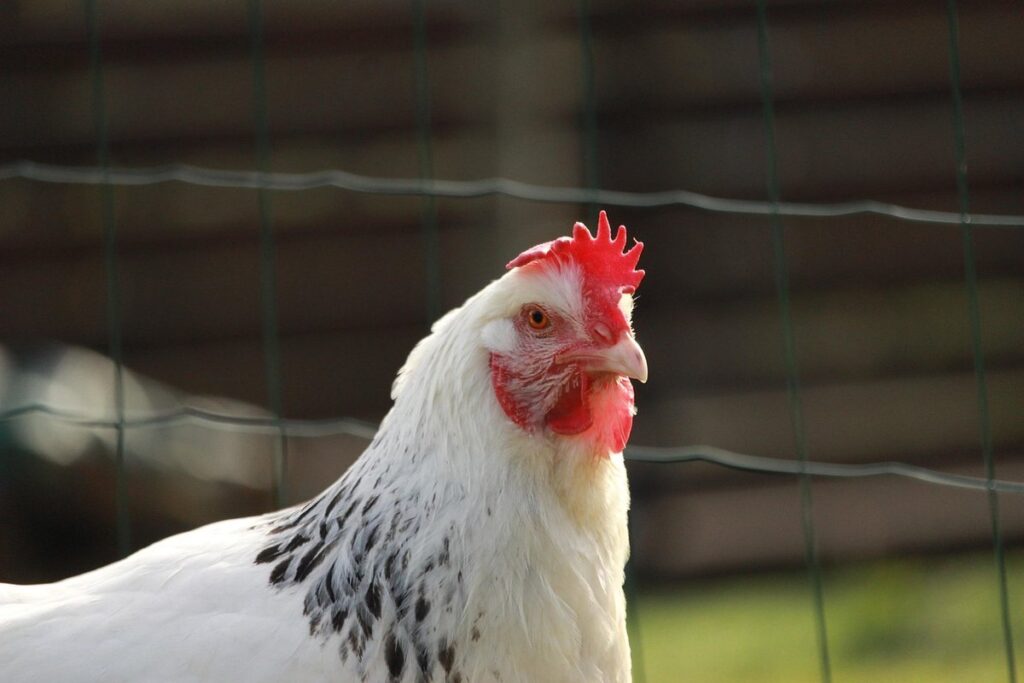
Origins and History
Let’s take a step back and explore where the Sussex chicken came from, tracing its origins and fascinating history that has shaped its unique temperament.
The Development of the Breed
The Sussex chicken breed has its roots in England’s rich agricultural history. Originating in the late 19th century, this breed was developed as a cross between the Old English Game fowl and other local birds. The goal of creating this new breed was to produce chickens that excelled in both egg-laying and meat production.
The first recorded breeding efforts date back to 1850, when Mr. William Cobb, an English farmer, began selecting and breeding birds with desirable traits. These early Sussex chickens were known for their hardiness, high fertility, and impressive laying abilities. They quickly gained popularity among local farmers due to their ability to thrive in England’s cool and temperate climate.
The breed underwent significant development over the years, with selective breeding focusing on enhancing its unique characteristics. By the 20th century, the Sussex chicken had become a distinct breed, recognized for its striking appearance and robust build. This rich history has shaped the temperament and personality traits of the modern-day Sussex chicken, making it an ideal choice for backyard flocks and small-scale farmers.
Key Characteristics from Its Heritage
The Sussex chicken’s temperament is deeply rooted in its heritage. As a breed that originated in England in the 19th century, it was developed for its exceptional egg-laying abilities and friendly nature. One of the key characteristics from its history is its gentle disposition. Sussex chickens are known to be docile and calm, making them an excellent choice for families with children or for backyard flocks where social interaction is encouraged.
Their breeding history also emphasizes their high intelligence and curiosity. Sussex hens are known to explore their surroundings and can even figure out how to open gates and doors if not properly secured. This intelligence, combined with their friendly nature, makes them highly trainable and responsive to commands.
However, this breed’s heritage also highlights its independent streak. Suspects chickens value their freedom and can become bored or restless if cooped up for too long without sufficient exercise and stimulation. As a result, it’s essential to provide them with ample space to roam, forage, and engage in natural behaviors to keep them happy and healthy.
Preservation Efforts
Conservation efforts are underway to protect the breed’s heritage and preserve its unique characteristics. The Sussex Chicken is one of the oldest British breeds, with a rich history dating back to the 16th century. To ensure its continued survival, various initiatives have been launched to conserve and promote this exceptional breed.
The Rare Breeds Survival Trust (RBST) has designated the Sussex Chicken as a ‘vulnerable’ breed due to declining numbers. However, efforts are being made by dedicated breeders and enthusiasts to revive interest in this magnificent bird. For instance, some breeders focus on producing high-quality birds with desirable characteristics, such as their distinctive blue plumage or impressive egg-laying abilities.
Breed clubs and organizations have also taken steps to promote the Sussex Chicken through educational programs, workshops, and exhibitions. This includes providing resources for new owners, such as advice on breeding, health checks, and best practices for maintaining a happy flock. By supporting these efforts, you can help contribute to preserving this incredible breed for future generations.
Many breeders now participate in selective breeding programs aimed at improving the breed’s overall quality while adhering to traditional standards. This careful approach aims to ensure that the Sussex Chicken remains true to its original characteristics while remaining resilient and adaptable.
Temperament Traits: Friendliness and Affectionateness
One of the most endearing aspects of Sussex chickens is their friendly and affectionate nature, making them a great fit for backyard flocks. Let’s explore what makes these birds so lovable and docile companions.
Social Nature and Interaction with Humans
When it comes to interacting with humans, Sussex chickens are known for their gentle and affectionate nature. They have a unique ability to form close bonds with people, making them an excellent choice as pets. One of the most notable aspects of Sussex temperament is their willingness to be handled and petted. These birds are not afraid of human touch and will often nuzzle and snuggle up against their owners in search of attention.
In fact, many breeders and owners have reported that Sussex chickens are one of the most interactive breeds they’ve ever worked with. They love to be picked up, stroked, and cuddled, and will often come to visit their owners in the coop or run. With proper socialization from an early age, your Sussex chicken will learn to trust you completely, allowing for a truly enjoyable experience.
To foster this kind of relationship, it’s essential to handle your Sussex chicks regularly from day one. Start with short sessions, gradually increasing the duration as they grow and become more comfortable with human interaction. By doing so, you’ll develop a lifelong bond with your feathered friend that will bring joy and companionship to both you and your family.
Bonding with Owners
When it comes to bonding with your Sussex chicken, many owners have reported developing strong emotional connections with their birds. This attachment is largely due to the breed’s friendly and affectionate nature. To build a robust bond, start by establishing trust through gentle interactions and positive reinforcement. Offer treats during handling sessions or while they’re free-ranging outside.
Create a dedicated area for your Sussex hen to roost at night, making it easy for you to access them without startling them. Regularly spend quality time with your bird, engaging in activities such as feeding by hand, playing with toys, and simply observing their behavior together.
Be mindful of individual personalities – some hens may be more receptive to interaction than others. Learn to recognize signs of stress or anxiety, which can manifest differently across birds. By paying attention to these cues and adapting your approach accordingly, you’ll foster a deeper understanding and connection with your Sussex hen. This mutual respect will form the foundation for an enduring owner-bird bond.
Adaptability in Different Environments
One of the most impressive aspects of the Sussex chicken breed is its remarkable adaptability to various living situations. Whether you’re a city dweller with a small backyard or a farmer with acres of land, the Sussex chicken can thrive in either environment.
In urban settings, Sussex chickens are happy to occupy small spaces, as long as they have adequate food, water, and shelter. They’re also relatively quiet birds, making them an excellent choice for apartment dwellers who want to raise chickens without disturbing their neighbors. However, it’s essential to provide them with regular exercise and mental stimulation to prevent boredom.
In contrast, Sussex chickens can also excel in farm settings where they have more space to roam. In fact, they’re well-suited for free-ranging, allowing them to forage and scratch as nature intended. With proper fencing and supervision, they’ll happily explore their surroundings and even help with pest control by eating ticks, slugs, and other unwanted insects.
To adapt the Sussex chicken to your specific environment, consider the following tips:
* In urban settings, provide a large enough enclosure to accommodate their exercise needs and ensure adequate ventilation.
* In farm settings, offer plenty of space for free-ranging and consider rotating their grazing areas to maintain soil health.
* No matter where you live, make sure to provide regular social interaction, a balanced diet, and access to fresh water.
Feathered Friends: Compatibility with Other Poultry
If you’re planning to keep Sussex chickens as backyard pets, it’s essential to consider their compatibility with other poultry breeds, including potential flock dynamics and social relationships. Will they get along with your existing birds?
Mixing with Other Chickens
When introducing new chickens to your flock, it’s essential to consider their compatibility with your existing birds. Sussex chickens are generally known for being friendly and outgoing, but they can be quite assertive when defending themselves or their territory. This is especially true around food and nesting areas.
If you’re planning to mix your Sussex chickens with other breeds, start by introducing them slowly and under close supervision. Begin with a neutral area where neither group has claimed dominance, such as a large fenced run or aviary. Keep the initial interactions brief, allowing both groups to become familiar with each other’s presence and body language.
Some breeds that pair well with Sussex chickens include Leghorns, Barred Rocks, and Australorps, as they share similar temperaments and energy levels. However, avoid mixing them with more aggressive or dominant breeds, such as Rhode Island Reds or Plymouth Rock. With proper introduction and management, your Sussex chickens can thrive in a mixed flock environment.
Introducing New Birds to a Flock
When introducing new birds to a flock of Sussex chickens, it’s essential to do so slowly and carefully to prevent stress and conflict. If you’re starting from scratch, this is especially crucial as the dynamics between individual birds will already be established.
Begin by allowing the new birds to get accustomed to their surroundings for several days before bringing them into contact with your existing flock. This allows them to adjust to the sights, sounds, and smells of their new environment without feeling overwhelmed. Once they seem comfortable, you can start introducing them under close supervision.
When adding new birds to an existing flock, it’s best to do this gradually. Start by keeping them in a separate enclosure adjacent to your main flock for several days before allowing them to mingle. This allows the birds to become familiar with each other through sight and sound without immediate contact.
Some key considerations when introducing new birds include watching body language, such as raised hackles or aggressive behavior, and separating them immediately if tensions rise. By doing so, you can ensure a harmonious integration of your flock, even as it grows and changes over time.
Conflicts within the Flock and Prevention Strategies
When it comes to maintaining harmony within your flock, potential conflicts can arise among Sussex chickens and other poultry. It’s essential to be aware of these possibilities and implement strategies for conflict resolution.
Some common causes of tension among birds include territorialism, resource competition, and personality clashes. For instance, a dominant hen may aggressively defend her nesting box or feeding area from others. Additionally, if you introduce new birds to your flock too quickly, it can lead to stress and aggression.
To prevent conflicts within the flock, consider introducing new birds gradually, allowing them to become familiar with each other’s scents, sounds, and visual cues. You can also establish a pecking order by separating birds of different ages or introducing younger birds to older ones.
By being mindful of these potential issues and implementing preventive measures, you can reduce the likelihood of conflicts within your flock. Provide multiple resources such as food, water, and nesting boxes to alleviate competition for essential items. Monitor your birds’ behavior closely and intervene if necessary to maintain peace among your feathered friends.
Training and Handling Sussex Chickens
Now that you know a bit more about the temperament of your Sussex chickens, it’s time to learn how to train and handle them effectively. This is crucial for building trust and ensuring a happy coop environment.
Basic Commands and Tricks
Teaching basic commands and tricks to your Sussex chickens can greatly enhance their trainability and strengthen your bond with them. Start by establishing a consistent routine and using positive reinforcement techniques, such as treats and praise. Begin with simple commands like “come” and “stay,” which will help you manage their movement and prevent unwanted escape attempts.
To teach the “come” command, start by calling your chicken’s name and rewarding her with treats when she responds. Gradually increase the distance between you and your chicken, making it clear that the command is not location-dependent. For the “stay” command, begin by having your chicken sit or stand in a designated area, then take a few steps back while saying “stay.” Reward her for remaining in place.
As your chickens become more confident in their obedience, you can introduce more complex commands and tricks, such as “shake” and “fetch.” Remember to be patient and consistent in your training approach, as Sussex chickens are known for their independent nature. With time and practice, you’ll be amazed at the tricks they can learn and the strong relationship you’ll develop with them.
Tips for Safe and Effective Handling
When handling Sussex chickens, it’s essential to consider their temperament and personality traits to ensure safe and effective interactions. These birds are known for their gentle nature, but they can still be quite strong-willed if not handled correctly.
To properly restrain a Sussex chicken, start by getting them accustomed to being handled from an early age. This will help them become more relaxed and easier to manage as adults. When picking up your bird, make sure to support their body and wings, with one hand under the breast and the other behind the legs. Avoid holding them too tightly or constricting their movement.
When it’s time to move a Sussex chicken from one location to another, use a safe and secure container that will prevent escape attempts. Provide enough space for your bird to stand comfortably, but avoid overcrowding as this can lead to stress and aggressive behavior.
Remember to always handle your chickens gently and with care, taking into account their individual personalities and temperaments. By following these guidelines and being mindful of your birds’ needs, you’ll be able to establish a strong bond with your Sussex flock.
Building Confidence in Your Flock’s Trainability
Building confidence in your flock’s trainability is crucial for establishing a harmonious and productive relationship with your Sussex chickens. Positive reinforcement techniques are an excellent way to foster a trainable flock, as they encourage desired behaviors without relying on punishment or fear.
When introducing new training methods, it’s essential to establish clear communication channels with your birds. Start by associating positive experiences with food rewards, such as offering treats during handling sessions. Gradually increase the duration and intensity of interactions, allowing your chickens to become comfortable with your presence and touch.
For instance, try incorporating “clicker training” into your routine. This involves using a distinct sound to mark desired actions, followed by a reward. For example, click when a chicken enters its coop or responds to a command. By linking the sound to the action, you can effectively teach your flock new behaviors.
Remember to be patient and consistent in your approach, as building trust takes time.
Health Considerations and Life Expectancy
When it comes to owning Sussex chickens, understanding their health considerations and life expectancy is crucial for providing them a happy and healthy home. Let’s take a closer look at what you can expect in this regard.
Genetic Predispositions and Health Risks
When it comes to your flock’s overall health and well-being, understanding genetic predispositions is crucial. The Sussex chicken breed, like all breeds, has its unique set of traits that may impact their health.
Some known genetic predispositions in the Sussex breed include a higher incidence of egg-related injuries, such as broken or cracked eggs due to laying strain. Additionally, they can be prone to certain conditions like Marek’s disease and Megabacteriosis.
It’s essential to note that these are not exclusive to the Sussex breed, but rather common issues across many poultry breeds. To mitigate these risks, ensure your flock receives regular health checks from a veterinarian experienced in poultry care.
Monitor their living conditions closely, providing adequate space, nutrition, and stress management techniques. Keep a clean environment free from disease-causing bacteria by maintaining strict biosecurity protocols.
Average Lifespan of the Breed
As you consider bringing home a Sussex chicken as a pet, one essential aspect to keep in mind is their average lifespan. A healthy Sussex chicken can live for around 8-12 years, making them a long-term companion.
While this breed is known for its friendly and docile nature, their lifespan is not entirely immune to health issues. Regular veterinary check-ups are crucial to monitor their overall well-being and address any potential problems promptly. Factors such as diet, exercise, and living conditions also play a significant role in determining the bird’s longevity.
In particular, Sussex chickens tend to be prone to obesity if overfed or under-exercised. This can lead to various health issues, including heart disease and respiratory problems. To maximize their lifespan, it is essential to maintain a balanced diet and provide regular opportunities for exercise, such as free-range access to the outdoors.
With proper care and attention, many Sussex chickens have been known to live well into their teens. By prioritizing their health and taking proactive steps, you can help ensure your feathered friend enjoys a long and happy life by your side.
Nutritional and Environmental Factors Influencing Their Well-being
When it comes to the well-being of our beloved Sussex chickens, their nutritional choices and environmental factors play a significant role. A balanced diet is essential for maintaining their overall health, energy levels, and mental stimulation. For instance, a lack of calcium can lead to weak bones, while an excess of protein can cause kidney strain.
In terms of nutrition, it’s essential to provide your Sussex chickens with a high-quality commercial layer feed as the base of their diet, supplemented with fresh fruits, vegetables, and grains. A good rule of thumb is to offer them a mix of 70% commercial feed, 20% fruits and veggies, and 10% treats like mealworms or sunflower seeds.
Their environment also plays a crucial role in their well-being. Provide your Sussex chickens with adequate space to roam, forage, and engage in natural behaviors. This can be achieved by offering them access to a secure outdoor enclosure or “chicken run.” Ensure that the area is free from predators, has adequate shelter from the elements, and is equipped with essential amenities like nesting boxes and perches.
By paying attention to both their nutritional needs and environmental conditions, you’ll not only promote your Sussex chickens’ overall health but also contribute to a happy and thriving flock.
Integrating Sussex Chickens into Your Flock: Tips and Recommendations
If you’re considering adding a new member to your flock, incorporating Sussex chickens requires some planning to ensure harmony among all birds. Here are some tips for integrating them successfully.
Preparing Your Backyard or Farm for New Birds
When integrating new birds into your existing flock, it’s essential to ensure that your backyard or farm is prepared to accommodate them. Sussex chickens, with their friendly and docile nature, require a safe and welcoming environment to thrive.
Start by evaluating the housing you have available for your new additions. Make sure there are enough nesting boxes per bird, as well as adequate ventilation and space to roam. If necessary, consider adding an extension or upgrading to a larger coop to provide ample room for all birds.
Next, assess your feeding system. Ensure that you have enough feeders and water stations to go around, and position them in a way that prevents competition among the birds. You may also want to consider installing predator-proof covers on your feeders and watering systems to safeguard against potential threats.
Before introducing new birds, inspect your property for any potential escape routes or hazards. Check fences, gates, and enclosures to ensure they are secure and bird-proofed. This will prevent any unexpected escapes or unwanted visitors in the future. By taking these steps, you’ll be well-prepared to welcome your new Sussex chickens into their forever home.
Establishing a Safe and Comfortable Environment
When introducing new birds to your existing flock, it’s essential to establish a safe and comfortable environment for both groups. This can be achieved by creating separate areas for the Sussex chickens during their initial introduction period.
Start by designating a quiet, escape-proof area where the new arrivals can settle without feeling overwhelmed or threatened by the existing flock. Provide adequate ventilation, nesting boxes, and perches to ensure they have everything they need. Introduce them gradually to the rest of the flock under close supervision, monitoring body language and behavior for signs of stress.
To prevent conflicts, make sure each bird has its own feeding station and watering system to avoid competition. Also, consider separating the two groups during meal times or in areas where they may encounter each other frequently. This will allow them to get used to each other’s presence without feeling threatened or competing for resources. By doing so, you’ll create a harmonious environment that allows both flocks to thrive together.
Ensuring the Best Outcome with New Additions
When introducing new Sussex chickens to your existing flock, it’s essential to prioritize minimizing stress and maximizing the chances of a smooth integration. Start by preparing a separate area for the newcomer, where they can become familiar with their surroundings without feeling overwhelmed or territorial.
Begin by allowing them to see, smell, and hear each other through a secure fence or divider, but keep them separated at first. This will allow your existing flock to get used to the new chicken’s presence and vice versa, reducing the likelihood of an aggressive reaction when they’re finally introduced.
To ease tension further, consider introducing multiple birds simultaneously rather than one by one, as this can help prevent a pecking order from forming too quickly. Keep an eye on body language – if you notice any signs of stress or aggression, intervene promptly and separate the birds if necessary.
Frequently Asked Questions
What are some essential steps to take when introducing new Sussex chickens to my existing flock?
When integrating new birds, ensure a gradual introduction process by separating them from the rest of the flock initially. Start by keeping them in adjacent enclosures and allow them to become familiar with each other’s scents, sounds, and movements before introducing them to the same coop. Monitor their behavior closely for signs of stress or aggression, and take corrective action if necessary.
Can I mix Sussex chickens with other breeds, such as Leghorns or Plymouth Rocks?
Yes. While it’s essential to consider compatibility when mixing breeds, many chicken keepers have successfully integrated Sussex chickens with various breeds. Research the specific temperaments and requirements of each breed to ensure a harmonious coop environment. With proper introduction and supervision, even birds from different breeds can coexist peacefully.
How do I address conflicts within my flock, especially if I notice aggressive behavior towards new additions?
Addressing conflicts promptly is crucial for maintaining a peaceful coop. Separate the aggressor from the rest of the flock to prevent further stress or harm. Consult with an avian expert or conduct your own research on conflict resolution strategies tailored to chicken behavior. Implement these measures and closely monitor interactions within the flock.
What are some key factors to consider when selecting healthy Sussex chickens for purchase?
Prioritize reputable breeders, inspecting their facilities for cleanliness and proper animal care practices. Ask about the health records of the birds, including vaccination history and genetic testing for common chicken diseases. Visually assess the birds’ plumage, posture, and overall condition before making a decision.
How can I ensure my Sussex chickens receive the best possible nutrition to maintain optimal health?
Provide high-quality feed specifically formulated for your flock’s life stage (starter, layer, or breeder). Supplement their diet with fresh fruits and vegetables daily. Ensure access to clean water at all times and consider adding grit or oyster shells to support digestive health. Regularly inspect their droppings for signs of nutritional deficiencies.