
Creating a suitable home for your geese is crucial to their overall well-being. Not only do they require protection from harsh weather conditions, but also enough space to roam and exercise freely. A well-designed goose housing system should prioritize sustainability, meeting the unique needs of these birds while minimizing environmental impact.
In this article, we’ll delve into the essential components of a thriving goose habitat, including pasture management, nutrition, and flock dynamics. We’ll explore how to balance the geese’s need for freedom with their need for safety and security. Whether you’re a seasoned farmer or an enthusiastic backyard birdkeeper, our expert advice will help you create a happy and healthy environment for your feathered friends. By following these tips, you can enjoy the benefits of raising geese while promoting sustainability and minimizing your ecological footprint.
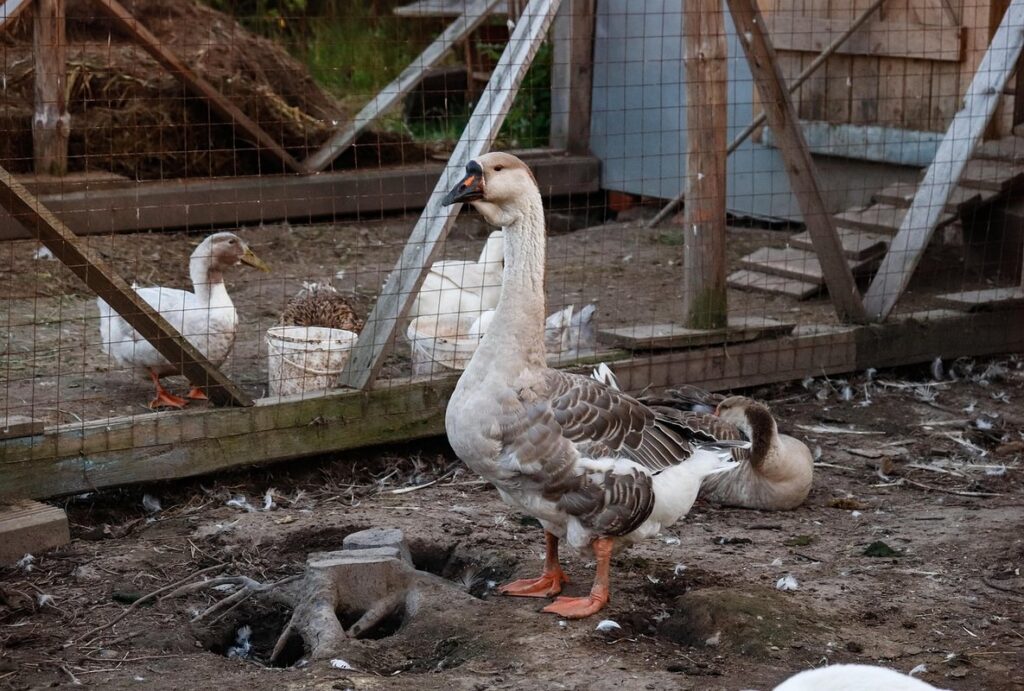
Understanding Goose Behavior and Needs
To provide the best possible living conditions for your geese, it’s essential to understand their natural behaviors and needs. This includes recognizing signs of stress and discomfort in your birds.
Providing Adequate Space and Ventilation
When it comes to housing geese, one of the most critical aspects is providing adequate space and ventilation. Geese are highly social animals that require room to move around, exercise, and engage in natural behaviors such as foraging and flying.
Aim for a minimum of 10-15 square feet per goose inside the coop, with plenty of space to turn around, stretch their wings, and roost comfortably. A larger enclosure is even better, allowing geese to spread out and express themselves freely. For example, if you’re keeping a small flock of 5-6 geese, consider building an enclosure that’s at least 50×20 feet in size.
Adequate ventilation is equally important to prevent respiratory issues. Geese are sensitive to ammonia fumes from their own droppings, which can accumulate quickly in poorly ventilated areas. Ensure your coop has proper airflow by installing windows, vents, or fans that allow fresh air to circulate throughout the structure. Regularly cleaning and disinfecting the coop will also help reduce odors and prevent disease transmission.
Incorporating natural elements such as perches, nesting boxes, and foraging areas can also contribute to a healthy environment that meets geese’ behavioral needs. By prioritizing space and ventilation, you’ll be creating a happy, thriving flock that’s less prone to stress and illness.
Considering Climate and Weather Conditions
When considering sustainable goose housing and pasture management, it’s essential to take into account the impact of climate and weather conditions on these birds’ behavior and needs. Different environmental conditions can significantly affect a goose’s physical and mental well-being, which in turn influences their productivity and overall health.
In areas with extreme temperatures, for instance, geese may require additional shelter or modifications to their existing housing to protect them from the elements. In hot climates, this might mean providing more shade, ventilation, and insulation, while in cold climates, you’ll need to ensure that the housing is well-insulated and draft-free.
Rain and wind can also pose challenges for geese, particularly if they’re housed outdoors. Providing a sturdy, waterproof structure with adequate drainage is crucial to prevent waterlogged floors and keep your geese dry. You may also want to consider implementing strategies like snow management or using windbreaks to mitigate the effects of harsh weather.
When adapting goose housing to different environmental conditions, it’s vital to prioritize their comfort, safety, and welfare. By doing so, you can ensure that your geese thrive in their living space, even during extreme weather events.
Designing Efficient Goose Housing
When designing goose housing, it’s essential to balance animal welfare with practicality and functionality. Let’s explore some key considerations for creating efficient and effective goose homes.
Types of Goose Houses: Pros and Cons
When it comes to designing efficient goose housing, one of the most critical decisions is choosing the right type of house for your geese. There are several options available, each with its pros and cons.
Free-range systems allow geese to roam freely outside their houses, but this approach can be challenging in areas with predators or harsh weather conditions. On the other hand, they offer numerous benefits, including reduced disease transmission and improved mental health for the geese. For instance, a study by the University of Wisconsin-Madison found that free-range systems resulted in a 45% reduction in antibiotic use compared to traditional coop-based systems.
Hoop-style houses are another popular option, offering a more contained environment while still providing ample space for the geese to move around. They can be easily expanded or modified as needed, making them an ideal choice for small-scale producers. However, they may require additional ventilation and pest control measures to maintain air quality and prevent infestations.
Coop-based systems, on the other hand, offer a more traditional approach to housing geese. They are often less expensive upfront but can be more labor-intensive in terms of cleaning and maintenance. If not designed properly, coops can lead to ammonia buildup and respiratory issues for the geese. It’s essential to strike a balance between providing enough space and minimizing waste output.
Ultimately, the choice of goose house will depend on your specific needs, resources, and management goals. By weighing the pros and cons of each option and considering factors like climate, predation risk, and pasture availability, you can make an informed decision that supports the health and well-being of your geese while minimizing environmental impact.
Important Features for Effective Housing
When designing efficient goose housing, it’s essential to incorporate features that promote animal welfare and sustainability. A well-designed goose house should prioritize ease of cleaning, durability, and predator protection.
Ease of cleaning is crucial for maintaining a healthy and hygienic environment for the geese. Consider installing easy-to-clean nesting boxes, removable roofs, or sliding walls to facilitate regular cleaning. For example, using raised nesting platforms with sloping surfaces allows droppings to slide off easily, reducing waste accumulation.
Durability is also vital to ensure the goose house withstands harsh weather conditions and predator attacks. Choose materials that are resistant to rot, insect damage, and extreme temperatures. A sturdy roof, reinforced doors, and secure fencing can help protect both the geese and the surrounding environment from potential threats.
In addition to these features, incorporating natural ventilation, adequate lighting, and insulation will further enhance the goose house’s effectiveness. Proper design and implementation of these features will contribute significantly to a sustainable goose housing system that promotes animal health and well-being while minimizing environmental impact.
Creating Optimal Pastures for Geese
When it comes to creating optimal pastures for geese, selecting suitable grazing areas and designing a well-planned pasture layout is crucial for their health and happiness. We’ll dive into specific tips on achieving this in the following section.
Choosing Suitable Landscapes for Goose Grazing
When it comes to selecting landscapes for goose grazing, there are several key factors to consider. One of the most important is vegetation density. Geese require a certain amount of vegetation to forage on, but overgrown areas can be detrimental to their health and well-being. Aim for an area with a mix of grasses and plants that provide a moderate level of forage, about 1-2 inches tall. This will ensure your geese have access to the nutrients they need while also preventing overgrazing.
Another crucial factor is soil quality. Geese can be heavy grazers, which means they can compact the soil and reduce its fertility if it’s not suitable. Look for areas with well-draining soils that are rich in organic matter. This will help maintain the health of your geese and prevent erosion.
Access to water features is also essential for goose grazing landscapes. Geese need access to clean, unfrozen water for drinking and bathing. Ensure that any water sources are nearby or consider installing a pond or watering system within the grazing area.
Incorporating Fencing and Access Control
When it comes to creating optimal pastures for geese, incorporating fencing and access control systems is crucial for protecting these birds from predators while allowing them to graze safely. A well-designed fence should be sturdy enough to withstand harsh weather conditions and tampering attempts by wildlife.
For a small farm or backyard flock, consider using chicken wire or hardware cloth with openings of no more than 1 inch to prevent predators like foxes, coyotes, and raccoons from entering the pasture. For larger operations, you may want to invest in a higher-quality fence material that can withstand more extreme weather conditions.
To ensure safe grazing, implement an access control system that allows geese to enter and exit the pasture freely while keeping predators out. This can be achieved through automated gate systems or manually operated gates with latches that prevent unwanted entry.
Regular inspections of the fencing and access control systems are necessary to identify any weaknesses and make necessary repairs. This will help maintain a safe environment for your geese, minimizing stress and promoting overall well-being.
Nutritional Requirements for Geese in Pasture
To ensure your geese thrive on pasture, it’s essential to understand their nutritional needs and how to provide a balanced diet through natural grazing and supplementation. This section will guide you through those requirements.
Understanding Goose Nutrition and Diet
When it comes to meeting the nutritional needs of geese on pasture, it’s essential to understand their specific requirements. Geese are omnivores and require a balanced diet that includes protein, fiber, and minerals.
Geese need about 15-20% protein in their diet, which can be obtained from a variety of sources including grasses, legumes, and insects. In fact, studies have shown that geese on pasture can obtain up to 30% of their dietary protein from the soil itself through foraging. This makes pasture-based diets an attractive option for sustainable goose farming.
In terms of fiber, geese require a mix of soluble and insoluble fiber to maintain digestive health. A diverse pasture with a variety of grasses and legumes can provide this necessary balance. Minerals such as calcium and phosphorus are also crucial for healthy growth and development in geese.
By designing pastures that incorporate these nutritional requirements, farmers can create sustainable and nutritious diets for their geese without the need for expensive supplements or additives. For example, incorporating clover into pasture rotations can provide a natural source of protein and fiber, while reducing the need for fertilizers and pesticides.
Managing Parasite and Disease Risks
When raising geese on pasture, it’s essential to be aware of potential parasite and disease risks that can impact flock health. Internal parasites such as worms and protozoa can cause significant harm if left unchecked, while external parasites like mites, lice, and fleas can also transmit diseases.
To manage these risks, establish a regular deworming schedule for your geese based on the parasite load in your area. Monitor your flock’s health closely during peak parasite seasons, typically spring and fall, and implement targeted treatments as needed.
Regular pasture rotation is another critical strategy to reduce parasite loads. Move your geese to new areas regularly to break the parasite cycle and prevent re-infestation. Consider incorporating herbs like diatomaceous earth, garlic, and fenugreek into their diet, which have natural deworming properties.
It’s also crucial to maintain good hygiene practices, including cleaning feeders, waterers, and fencing to prevent disease transmission. Regular vaccinations should be discussed with a veterinarian, along with biosecurity measures to protect your flock from external threats.
Best Practices for Integrating Goose Housing and Pasture Systems
To create a harmonious balance between your geese’s living space and grazing area, it’s essential to integrate their housing and pasture systems effectively. This includes thoughtful planning and design considerations for efficient management.
Monitoring and Maintaining Health
Regular health monitoring is crucial to preventing disease outbreaks in your geese. A clean and well-maintained environment can go a long way in keeping your flock healthy. Start by observing your geese daily, looking for signs of illness such as labored breathing, lethargy, or changes in droppings.
Create a checklist to track health metrics, including weight, appetite, and overall behavior. Regularly inspect the housing and pasture areas for signs of pests, disease vectors, and other potential health risks. Make sure to clean and disinfect feeding and watering equipment regularly to prevent bacterial growth.
In addition to regular observation, schedule annual vaccinations and parasite control measures with a veterinarian experienced in avian care. Keep accurate records of these procedures and note any changes in your geese’s behavior or health over time. By staying proactive and informed, you can reduce the risk of disease outbreaks and create a healthier environment for your geese.
Managing Flock Dynamics and Social Structure
Managing flock dynamics is crucial to maintaining a harmonious and stress-free environment for your geese. This involves understanding their social structure, which can be complex. Geese are known to establish a pecking order, with dominant birds leading subordinate ones.
When introducing new birds to the flock, it’s essential to do so gradually to prevent conflicts. Start by separating the newcomers from the existing flock and allowing them to get accustomed to each other’s presence through visual and auditory cues. You can then introduce them under close supervision, beginning with small groups or pairs.
Identifying aggressive geese is also vital. These birds may be contributing to stress levels within the flock and potentially harming others. If you notice such behavior, it’s crucial to separate these individuals immediately to prevent further issues.
In addition, understanding the social hierarchy will help you identify potential problems before they arise. By recognizing dominant birds and their patterns of behavior, you can create a more balanced environment for your geese, reducing stress levels and promoting overall well-being.
Conclusion: Sustainable Goose Housing and Pasture Systems
Now that we’ve explored innovative goose housing designs and effective pasture management techniques, let’s summarize our key takeaways. You’ll discover how to seamlessly integrate sustainability into your own operation.
Recap of Key Considerations
To wrap up our discussion on sustainable goose housing and pasture management, let’s recap some of the key considerations that will help you establish a thriving and eco-friendly system for your geese.
One of the primary aspects to consider is the behavior and social needs of geese. These birds are highly social creatures and require adequate space to roam and interact with each other. Providing enough room for exercise, socialization, and stress reduction is crucial for their well-being. A general rule of thumb is to allocate at least 10-15 square feet per bird in the housing area.
When it comes to housing, geese need a safe, dry, and secure environment that protects them from harsh weather conditions and predators. Incorporating elements like shade structures, windbreaks, and adequate ventilation will help create a comfortable living space for your birds.
Pasture management is another vital component of sustainable goose housing systems. Rotational grazing and maintaining diverse pasture species can prevent soil erosion, promote biodiversity, and improve the overall quality of your land. Regular monitoring of water and nutrient levels will also ensure that your geese receive a balanced diet without overgrazing or degrading their living space.
Nutrition is also a critical factor in maintaining a healthy goose population. A well-planned feeding strategy should include access to clean water, nutritious grains, and forage-rich pastures. Consider incorporating locally sourced feed options and exploring alternative food sources like aquatic plants and insects.
Finally, implementing best practices such as integrated pest management, regular health checks, and record-keeping will help you maintain a sustainable system that balances the needs of your geese with those of the environment. By considering these key aspects, you’ll be well on your way to creating a thriving and eco-friendly goose housing and pasture system.
Frequently Asked Questions
What are some common mistakes to avoid when designing a goose housing system?
When designing your goose housing system, it’s essential to consider the unique needs of geese, including adequate space, ventilation, and protection from harsh weather conditions. Avoid common mistakes like overcrowding, inadequate shelter, or neglecting fencing and access control.
How can I ensure my geese have sufficient exercise and activity levels on pasture?
To promote healthy geese, prioritize creating a suitable landscape for grazing by incorporating varied terrain, water sources, and plant diversity. Regularly inspect your pastures to maintain optimal conditions for geese exercise and activity levels.
What are some effective ways to manage parasites and disease risks in my goose flock?
Implementing integrated pest management (IPM) strategies is crucial to minimizing parasite and disease risks. This can include regular health checks, parasite monitoring, and implementing best practices such as biosecurity protocols and maintaining clean living quarters.
Can I raise geese with other types of birds or livestock on the same property?
Yes, it’s possible to raise geese alongside other animals if you carefully consider compatibility and implement suitable management strategies. This may involve separating species at night, ensuring adequate space, and monitoring for any signs of stress or conflict.
How do I balance providing a natural environment with maintaining efficiency in my goose housing system?
Strike a balance between creating a natural environment that meets geese needs and implementing efficient practices such as using renewable energy sources, optimizing water usage, and incorporating sustainable building materials to minimize the environmental impact.