
As a farm owner or enthusiast, you’re likely no stranger to the importance of treating your animals with care and respect. However, traditional poultry farming practices can often prioritize efficiency over welfare, leading to concerns about animal well-being and environmental sustainability. Small farms, in particular, face unique challenges when it comes to balancing productivity with compassion.
This comprehensive guide is designed to help small farm owners and managers adopt sustainable poultry practices that benefit both their birds and the planet. By exploring practical strategies for reducing environmental impact, improving animal welfare, and boosting farm efficiency, we’ll show you how to create a more humane and eco-friendly approach to raising chickens. Whether you’re just starting out or looking to revamp your existing operations, our guide will provide valuable insights and actionable advice on implementing sustainable poultry practices that meet the growing demand for environmentally responsible food production.
Benefits of Sustainable Poultry Practices
By implementing sustainable poultry practices, you can enjoy a range of benefits that extend beyond just producing delicious and healthy food. In this section, we’ll explore some of the key advantages of making the switch to sustainable small farm poultry production.
Improved Animal Welfare
When it comes to sustainable poultry practices on small farms, animal welfare is at the forefront of our minds. Prioritizing the well-being of our birds is not only a moral imperative but also essential for producing high-quality, healthy meat and eggs.
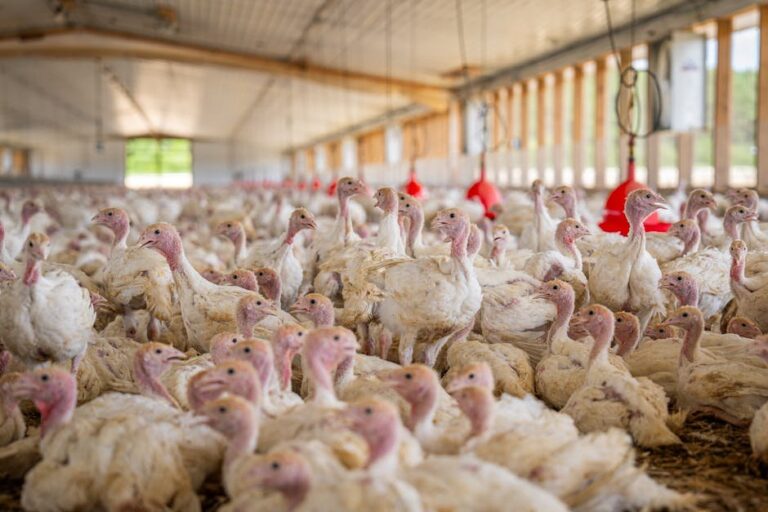
One key aspect of improved animal welfare is ensuring that birds have access to fresh air, clean water, and space to move. This might seem like a basic necessity, but unfortunately, many commercial poultry farms prioritize efficiency over animal health. On small sustainable farms, however, it’s essential to provide birds with adequate ventilation, clean drinking water, and room to roam.
Humane slaughter methods are also crucial for maintaining animal welfare. This can be achieved through practices such as using mobile slaughter units or having trained staff perform the slaughter on-site. By handling animals humanely from birth to harvest, we can minimize stress and ensure a more positive experience for both birds and farmers alike.
Reduced Environmental Impact
When implemented correctly, sustainable poultry practices on small farms can significantly reduce their environmental footprint. One of the primary ways this is achieved is through efficient waste management. This involves implementing systems to minimize and properly handle manure and other organic waste.
For instance, incorporating composting or anaerobic digestion into farm operations allows for the conversion of waste into valuable resources like fertilizer or biogas. At Greenhaven Farm in Vermont, owners have successfully integrated a large-scale composting program that reduces their waste output by nearly 75%. This not only minimizes environmental pollution but also cuts down on resource consumption and saves labor costs.
Additionally, many sustainable poultry farms are turning to natural fertilizers, like cover crops and mulch, which reduce the need for synthetic inputs. These approaches encourage soil health, sequester carbon, and promote biodiversity. By adopting these eco-friendly practices, small-scale poultry farmers can significantly minimize their environmental impact while maintaining a healthy and thriving operation.
Enhanced Farm Efficiency
Implementing sustainable poultry practices on small farms can have a significant impact on farm efficiency. By adopting environmentally-friendly methods, farmers can reduce costs associated with feed, water, and energy consumption. For instance, using locally sourced materials for litter management not only decreases reliance on chemical-based products but also reduces the environmental footprint of waste disposal.
Farmers can also optimize their production processes through data-driven decision-making. This involves monitoring temperature, humidity, and air quality within poultry housing to ensure optimal bird health. With this information, farmers can identify areas where improvements are needed and make targeted adjustments to boost productivity.
Moreover, sustainable practices enable farmers to diversify their income streams by exploring new revenue opportunities. For example, selling pasture-raised eggs or heritage-breed birds to consumers willing to pay a premium for these products can significantly increase profit margins.
Challenges to Implementing Sustainable Poultry Practices on Small Farms
Implementing sustainable poultry practices on small farms can be a daunting task, especially when considering the unique challenges that come with limited resources and space. Let’s explore some of these obstacles together.
Limited Resources
Implementing sustainable poultry practices on small farms can be a daunting task due to limited resources. Financial constraints are often a major hurdle, as investing in new equipment and infrastructure can be costly. However, there are ways to make sustainable changes without breaking the bank. For instance, you can start by incorporating free-range management systems, which not only improve animal welfare but also reduce the need for antibiotics and other chemicals.
Another challenge faced by small farms is a lack of expertise in implementing sustainable practices. This is where online resources and workshops come in handy. Websites like the National Sustainable Agriculture Coalition and the USDA’s Natural Resources Conservation Service offer valuable guidance on best management practices, including those specific to poultry production. Additionally, networking with fellow farmers who have successfully implemented sustainable systems can provide invaluable insights and advice.
Inadequate infrastructure is also a common obstacle for small farms looking to adopt sustainable poultry practices. For example, a lack of access to clean water or adequate ventilation in coops can compromise animal health and welfare. However, there are creative solutions that can be implemented on a limited budget, such as rainwater harvesting systems or DIY ventilation upgrades.
Regulatory Barriers
When adopting sustainable poultry practices on small farms, regulatory barriers can be a significant challenge to overcome. Local regulations and standards for animal welfare may not align with the farmer’s goals of raising animals humanely and reducing environmental impact.
For instance, some states have strict laws governing bird health, which may require farmers to use antibiotics or implement specific vaccination protocols that contradict their desire to raise antibiotic-free birds. Additionally, zoning ordinances might restrict the size or location of poultry operations, making it difficult for small farms to scale up while maintaining sustainable practices.
To navigate these regulatory hurdles, small farm owners should stay informed about local regulations and participate in policy-making processes. Building relationships with local government officials and advocacy groups can also help farmers advocate for changes that support sustainable agriculture.
Market Demand and Consumer Awareness
When it comes to implementing sustainable poultry practices on small farms, market demand and consumer awareness play a crucial role. As consumers become increasingly concerned about animal welfare and environmental sustainability, they are driving the demand for more responsible and eco-friendly food production methods.
In recent years, there has been a significant shift in consumer behavior, with many individuals opting for products that align with their values. For instance, sales of free-range eggs have increased by 15% over the past five years, while organic chicken sales have grown by 10%. This trend is expected to continue, with 70% of consumers willing to pay more for sustainable and humane food options.
To tap into this growing demand, small farmers can focus on highlighting their commitment to sustainability and animal welfare. This can be achieved through transparent labeling, marketing campaigns that emphasize the benefits of sustainable practices, and partnerships with local businesses that share similar values. By doing so, small farmers can not only meet consumer expectations but also differentiate themselves in a competitive market, ultimately driving business growth and improving animal welfare standards.
Key Components of Sustainable Poultry Practices
When it comes to creating a sustainable poultry operation, understanding the key components is crucial for achieving better animal welfare and environmental stewardship on your small farm. These essential elements include air quality management, manure handling, and more.
Free-Range and Pasture-Raised Systems
Free-range and pasture-raised systems offer numerous benefits for both animal welfare and environmental stewardship on small farms. For instance, birds raised in these conditions tend to exhibit improved physical health, with reduced incidence of disease and injuries. They also engage in natural behaviors like foraging and socializing, which are essential for their cognitive development.
However, implementing free-range and pasture-raised systems comes with unique challenges. A significant concern is predator protection, as birds can be vulnerable to predators such as foxes, coyotes, and hawks. Small farmers must take measures to safeguard the flock without compromising the system’s integrity.
Some effective strategies include using netting or fencing to prevent escape, installing guard animals like dogs or donkeys, and adopting rotational grazing practices. These techniques allow birds to roam freely while minimizing the risk of predation.
When done correctly, free-range and pasture-raised systems can lead to improved egg quality and increased yields. Small farmers can also benefit from reduced feed costs, as birds forage for food naturally. By understanding these benefits and challenges, small farms can make informed decisions about implementing sustainable poultry practices that promote both animal welfare and environmental stewardship.
Organic and Non-GMO Feed
When it comes to sustainable poultry practices on small farms, one of the most critical components is the feed. Organic and non-GMO feed are essential for promoting better animal welfare and environmental stewardship. By choosing organic and non-GMO feed, you can significantly reduce chemical use in your flock.
This approach not only benefits the birds but also has a positive impact on the environment. Chemical-based feeds often contain synthetic fertilizers, pesticides, and herbicides that can contaminate soil, waterways, and even air quality. In contrast, organic and non-GMO feed are free from these chemicals, allowing you to minimize your environmental footprint.
In terms of nutritional value, organic and non-GMO feed provide enhanced benefits for your birds’ health. These feeds typically contain more nutritious ingredients such as omega-3 fatty acids, vitamins, and minerals that promote healthy growth and development in your flock. By making the switch to organic and non-GMO feed, you can improve egg or meat quality, increase fertility rates, and enhance overall bird well-being.
To incorporate organic and non-GMO feed into your poultry practice, start by researching local suppliers and evaluating their sourcing methods, ingredient quality, and certification processes. You can also consider converting a portion of your land to grow your own organic feed ingredients, such as oats or alfalfa.
Integrated Pest Management (IPM)
When it comes to sustainable poultry practices on small farms, Integrated Pest Management (IPM) plays a crucial role. IPM is an effective approach that minimizes the reliance on pesticides and other chemicals, instead promoting a balanced ecosystem where pests are naturally controlled. This holistic method not only benefits the environment but also improves animal welfare and farm sustainability.
By implementing IPM, small farms can reduce their ecological footprint by minimizing chemical usage. For instance, a study by the USDA found that farmers using IPM methods reduced pesticide applications by 45%. This decrease in chemical use has numerous benefits, including lower costs for the farmer, improved crop yields, and enhanced biodiversity. To implement IPM on your farm, start by identifying potential pest issues and monitoring their populations regularly. Use physical barriers, biological controls (such as beneficial insects), or cultural controls (like adjusting watering schedules) to manage pests whenever possible.
In addition, many small farms are turning to cover crops and crop rotation techniques to naturally repel pests and improve soil health. These methods promote a diverse ecosystem where beneficial organisms thrive, reducing the need for chemical intervention. By adopting IPM practices, you can join the growing number of farmers who are successfully balancing their economic, social, and environmental responsibilities while producing high-quality poultry products.
Case Studies: Successful Small Farms Implementing Sustainable Poultry Practices
Let’s take a closer look at how small farms are successfully implementing sustainable poultry practices, from pasture-raised egg production to regenerative chicken farming. These innovative approaches benefit both animals and the environment.
Profile 1: A Family-Owned Farm’s Transition to Free-Range Chickens
Meet the Smith family, owners of Green Meadows Farm, a small, family-owned operation that has been perfecting its poultry practices for generations. When they decided to transition from conventional to free-range chickens, they faced a steep learning curve. “One of the biggest challenges was adjusting our flock management strategies,” explains John Smith. “We had to learn how to provide adequate space and exercise for the birds while maintaining their health and well-being.”
To address these concerns, the Smiths invested in electric fencing to protect their crops from free-ranging chickens. They also implemented a rotation system to ensure even distribution of nutrients across their pastures. The payoff was worth it: egg production increased by 20%, and customer demand for pasture-raised eggs skyrocketed.
Key takeaways from Green Meadows Farm’s experience:
* Gradual transition is key – start with small batches or test areas to refine your approach.
* Adequate space and exercise are crucial for bird health and welfare. Ensure a minimum of 4-6 square feet per bird in the pasture.
* Effective flock management requires monitoring, rotation, and adaptation to changing conditions.
* Investing in infrastructure (electric fencing, shelter) will pay dividends in long-term productivity and profitability.
The Smiths’ story serves as a testament to the rewards of adopting sustainable poultry practices on small farms. By prioritizing animal welfare and environmental stewardship, Green Meadows Farm has not only improved its bottom line but also contributed to a more compassionate and regenerative food system.
Profile 2: An Organic Poultry Farm’s Journey to Market Success
Meet Sunnyview Farm, an organic poultry farm that has successfully implemented sustainable practices to achieve market success. The farm’s owner, Sarah, made a conscious decision to prioritize animal welfare and environmental stewardship. To increase consumer engagement, Sunnyview Farm started offering farm tours, allowing customers to see the birds roaming freely outdoors. This hands-on experience helped build trust with consumers and increased loyalty.
To promote market growth, Sunnyview Farm began partnering with local restaurants and grocery stores that share their values. They also created a community-supported agriculture (CSA) program, where customers can purchase shares of fresh produce directly from the farm. This direct-to-consumer approach not only generated revenue but also helped reduce carbon footprint by minimizing transportation.
As a result of these efforts, Sunnyview Farm’s sales increased by 25% within six months. Consumers were eager to support sustainable and locally sourced products, driving demand for the farm’s organic poultry. By implementing market growth and consumer engagement strategies, Sunnyview Farm set an example for other small farms looking to thrive while promoting better animal welfare and environmental stewardship.
Best Practices for Implementing Sustainable Poultry Practices on Small Farms
When implementing sustainable poultry practices, one of the most crucial steps is creating a solid foundation with best practices that ensure animal welfare and environmental stewardship. Let’s dive into what you need to know.
Initial Planning and Assessment
Conducting a thorough needs assessment is essential to determine the current state of your poultry operation and identify areas for improvement. Start by gathering data on your farm’s resources, including land, water, feed, and labor. Evaluate your current practices and systems, including fencing, shelter, and waste management. This information will help you pinpoint where changes can be made to improve animal welfare and reduce environmental impact.
Next, develop a comprehensive plan that outlines specific goals, timelines, and budget allocations for implementing sustainable poultry practices. Consider factors such as climate, soil type, and local regulations when choosing the most suitable systems and technologies. For example, if you’re planning to switch to free-range or pasture-raised poultry, assess your land’s suitability for grazing and ensure adequate fencing is in place.
A thorough needs assessment will also help you identify potential challenges and develop strategies to overcome them. By taking a holistic approach to planning, you’ll be better equipped to navigate the transition to sustainable poultry practices and achieve long-term success.
Training and Capacity Building
Training and capacity building are crucial components of implementing sustainable poultry practices on small farms. As a farmer, it’s essential to recognize that you don’t have to be an expert in everything related to sustainable poultry farming. By accessing expert knowledge, attending workshops, and utilizing online resources, you can enhance your skills and ensure the well-being of your animals.
You can start by looking for training programs offered by reputable organizations, such as the National Association of State Departments of Agriculture or local universities with agricultural departments. These programs often include hands-on experience, allowing you to learn practical techniques from experienced professionals.
In addition to in-person training, online resources like videos, webinars, and blogs provide valuable information on sustainable poultry practices. Websites like the USDA’s Sustainable Agriculture Research and Education (SARE) program offer a wealth of knowledge on regenerative agriculture, including topics related to poultry farming.
To get the most out of these resources, make sure to identify specific areas where you need improvement or guidance. Focus on building your skills in those areas, rather than trying to learn everything at once. By investing time and effort into training and capacity building, you’ll be better equipped to implement sustainable poultry practices on your small farm.
Monitoring and Evaluation
Monitoring and evaluation are crucial components of sustainable poultry practices on small farms. By tracking progress and making data-driven decisions, farmers can refine their methods to better meet the needs of both their animals and the environment.
This involves monitoring key performance indicators (KPIs) such as mortality rates, growth rates, and feed conversion ratios. Regular weighing and measurement can help identify any issues with nutrition or health that may impact animal welfare. Farmers can also monitor environmental factors like water usage, manure management, and greenhouse gas emissions to minimize their ecological footprint.
Effective evaluation requires a combination of qualitative and quantitative data collection methods. For instance, regular farm visits and observations can provide valuable insights into animal behavior and habitat conditions. Meanwhile, metrics such as egg production rates or meat yield can be used to quantify progress towards sustainability goals. By integrating these multiple perspectives, farmers can make informed decisions about process improvements that balance economic viability with environmental responsibility and animal welfare.
Conclusion: The Future of Sustainable Poultry Practices on Small Farms
Now that you’ve explored ways to improve your small farm’s poultry practices, let’s look ahead to a brighter future where animal welfare and environmental stewardship thrive.
Recap of Key Takeaways
As we come to the end of this journey through sustainable poultry practices on small farms, it’s essential to recap the key takeaways. By implementing these strategies, you’ll not only improve animal welfare but also contribute to environmental stewardship.
Some of the main benefits of sustainable poultry practices include reduced carbon footprint, improved air and water quality, and increased biodiversity. However, challenges such as high upfront costs, limited access to resources, and regulatory hurdles may arise. To overcome these obstacles, it’s crucial to prioritize best practices like rotational grazing, integrated pest management, and on-farm processing.
Key takeaways from this guide include adopting free-range or pasture-raised systems, implementing recycling programs for manure and waste, and promoting biodiversity through habitat restoration. Additionally, small farmers can benefit from collaborating with other producers, sharing resources, and investing in education and training to stay up-to-date with industry developments.
By integrating these strategies into your farm’s operations, you’ll not only enhance animal welfare but also contribute to a more sustainable food system. Remember, every step counts, and even small changes can have significant impacts when combined with collective efforts from the agricultural community.
Call to Action: Encouraging More Small Farms to Adopt Sustainable Poultry Practices
As we conclude this comprehensive guide to sustainable poultry practices on small farms, it’s essential to emphasize the significance of supporting these environmentally conscious and humane farming operations. Consumers, policymakers, and industry leaders all have a crucial role to play in encouraging more small farms to adopt sustainable poultry practices.
Consumers can start by choosing farm-to-table products or shopping at farmers’ markets that promote locally sourced, humanely raised poultry. Policymakers can create policies that incentivize small farms to adopt regenerative agriculture practices and provide resources for farm-to-fork education programs. Industry leaders can partner with small farms to develop sustainable production models, share knowledge, and scale up best practices.
Together, we can create a movement that prioritizes animal welfare and environmental stewardship in poultry production. By supporting these efforts, we’re not only ensuring a more sustainable food system but also promoting the well-being of animals and people alike. So, let’s join forces to elevate small farms’ adoption of sustainable poultry practices – it’s time for us all to take action!
Frequently Asked Questions
What are some initial steps to take when transitioning my small farm to sustainable poultry practices?
Start by assessing your current operations, including the breed of chickens you’re using, their living conditions, and feeding practices. Consider conducting a site visit or working with an expert to identify areas for improvement. This will help you set realistic goals and create a plan for implementing changes. You can also explore resources like the USDA’s National Sustainable Agriculture Information Service (ATTRA) for guidance on transitioning to sustainable poultry production.
How do I balance the cost of sustainable feed options, such as organic and non-GMO feed, with the need to maintain profitability?
The cost of sustainable feed options can be a significant investment for small farms. However, it’s essential to consider the long-term benefits, including improved animal health, increased consumer loyalty, and potential revenue growth from premium pricing. You may also explore cost-sharing programs or partnerships with other farmers to reduce expenses.
What are some effective strategies for managing pests and diseases on my farm without relying on chemical pesticides?
Integrated Pest Management (IPM) is a holistic approach that combines physical barriers, cultural controls, and biological controls to manage pest populations. This can include practices like using bird-friendly plants, maintaining clean living conditions, and introducing beneficial insects or natural predators. You can also explore resources from organizations like the National Poultry Board for guidance on IPM strategies.
Can I still achieve high productivity on my small farm while implementing sustainable poultry practices?
Yes, many small farms have successfully increased productivity while adopting sustainable practices. This often requires careful planning, monitoring, and adjustments to your operations. Consider investing in efficient coops or enclosures that promote bird health and welfare. You can also explore innovative systems like free-range or pasture-raised production, which can help reduce disease pressure and improve egg quality.
How do I measure the success of my sustainable poultry practices on my small farm?
To evaluate the effectiveness of your sustainable initiatives, track key metrics such as animal health, fertility rates, and consumer satisfaction. You may also conduct regular monitoring and evaluation exercises to identify areas for improvement. This could involve surveys or focus groups with customers, as well as tracking financial performance and market trends.