
Are you looking for a unique addition to your backyard flock? Or perhaps you’re curious about the fascinating world of heritage breeds? Either way, let me introduce you to the charming Swedish Flower Hen chicken. This beautiful bird has been delighting poultry enthusiasts with its stunning appearance and gentle nature. But what makes it so special? Where did this lovely breed come from, and how do you care for one? In this comprehensive guide, we’ll delve into the origins of the Swedish Flower Hen, explore their unique characteristics, and provide expert tips on managing and caring for these lovable birds. Whether you’re a seasoned chicken keeper or just starting out, you won’t want to miss this in-depth look at the Swedish Flower Hen – get ready to fall in love with its charm!
Origins and History
Let’s take a step back in time to explore where Swedish Flower Hen chickens originated, tracing their fascinating history from humble beginnings.
Early Development
The Swedish Flower Hen breed has its roots in Sweden, where it was developed as a unique and charming chicken variety. In the early 20th century, Swedish farmers began breeding chickens with distinctive characteristics, such as their stunning plumage patterns and gentle nature.
One of the key factors that contributed to the development of the Swedish Flower Hen was the need for a hardy and adaptable breed that could thrive in Sweden’s cold climate. Farmers were looking for a chicken that could withstand the harsh winters and still produce an abundance of eggs and meat.
The early breeding program focused on selecting chickens with striking plumage patterns, including the iconic “flower” pattern that gives the breed its name. This distinctive look was achieved through careful selection and breeding of individuals with specific feather patterns, resulting in a visually stunning bird.
As the Swedish Flower Hen gained popularity among backyard chicken keepers, its development continued to focus on maintaining its unique characteristics while ensuring it remained a viable and healthy breed for everyday farming needs.
Influence from Other Breeds
The Swedish Flower Hen’s origins are not solely attributed to its Swedish roots. Its development is also influenced by other breeds that were introduced to Sweden during the late 19th and early 20th centuries.
One of these influential breeds is the Orpington, an English breed known for its friendly temperament and rich plumage. The Orpington’s characteristics were highly valued in Sweden, and as a result, it was crossed with local birds to create a more robust and hardy chicken. This cross-breeding introduced new traits such as larger size, docile nature, and attractive feather patterns.
Another breed that had an impact on the Swedish Flower Hen is the Leghorn, an Italian breed prized for its high egg production and lightweight build. Although the Leghorn’s contribution to the Swedish Flower Hen was more subtle, it added a touch of elegance with its slender neck and long, pointed beak.
These cross-breeding efforts not only enhanced the Swedish Flower Hen’s physical appearance but also improved its overall hardiness and adaptability to various environments.
Physical Characteristics
The Swedish Flower Hen chicken has a unique appearance, and let’s take a closer look at its physical characteristics that set it apart from other breeds.
Plumage and Appearance
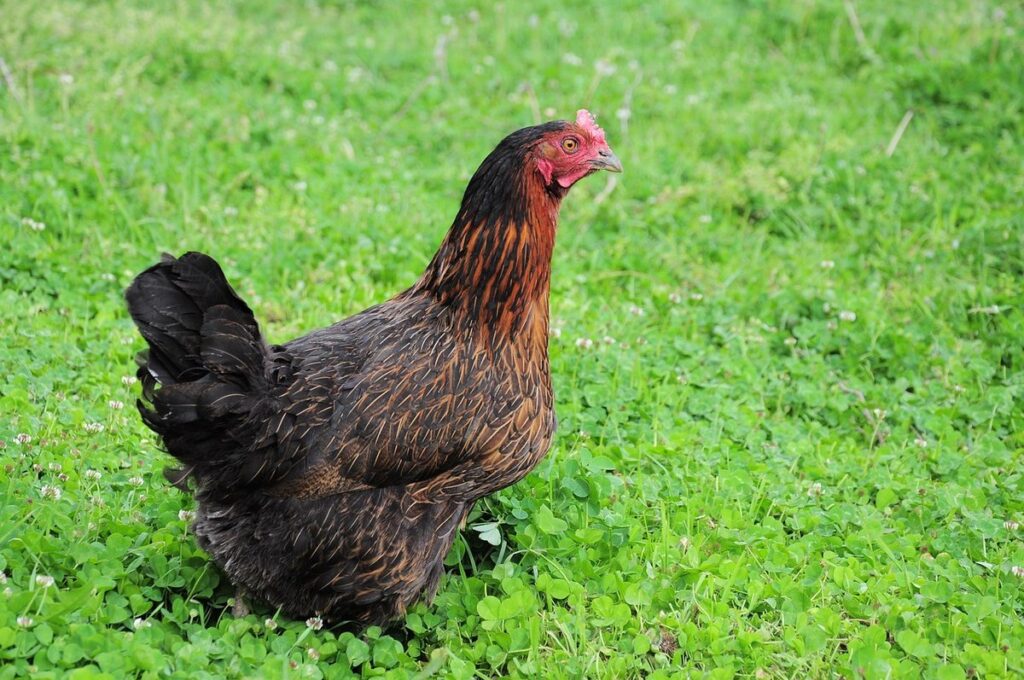
The Swedish Flower Hen’s plumage is one of its most striking features. Characterized by their vibrant colors and unique patterns, these chickens are a sight to behold. The breed comes in a variety of colors including red, blue, white, and barred, with each color having its own distinct pattern.
One of the most notable aspects of the Swedish Flower Hen’s appearance is their beautiful plumage patterns. These patterns can range from subtle, mottled effects to bold, striped designs. Some birds may have solid-colored feathers with no pattern at all, while others will exhibit intricate swirling shapes and colors. The sheer diversity of patterns makes each bird unique.
When it comes to choosing a Swedish Flower Hen for your flock, pay close attention to the plumage patterns and colors. Consider what you want the appearance of your flock to be like and choose birds that fit with your vision. If you’re looking for a more subtle look, opt for birds with mottled or solid-colored feathers. For a bolder appearance, go for those with striped or swirling patterns.
Size and Conformation
The Swedish Flower Hen is a delightful breed known for its compact and robust build. On average, they weigh between 4-5 pounds (1.8-2.3 kg), with some individuals reaching up to 6 pounds (2.7 kg). Their small size makes them an ideal choice for backyard flocks or small farms.
In terms of body type, the Swedish Flower Hen has a sturdy and compact frame with a broad chest and well-sprung ribs. They have a slightly rounded back and a short, muscular tail. Their legs are strong and straight, perfect for supporting their body weight.
Their size and conformation make them resistant to many health issues common in larger breeds. However, they do require regular exercise to stay healthy and happy. It’s essential to provide them with enough space to roam and move around, whether it’s in a coop or an enclosed run.
When selecting a Swedish Flower Hen, look for individuals with good bone density, well-sprung ribs, and a strong leg structure. This will ensure that your birds are healthy and robust from the start. With proper care and attention, they can thrive and become wonderful additions to your flock.
Temperament and Personality
When it comes to the Swedish Flower Hen, their temperament and personality are a unique combination of friendly and curious traits that make them great pets for families. They’re known to be quite social and affectionate birds!
Friendly and Docile Nature
The Swedish Flower Hen’s temperament is one of its most endearing qualities. This breed is known for being extremely docile and friendly, making them an excellent choice for backyard flocks. They are easy-going birds that get along well with other chickens, even those from different breeds.
One of the key characteristics of the Swedish Flower Hen is their calm nature. They are not prone to fighting or aggression, which means you can keep multiple hens together without worrying about conflicts. In fact, many breeders recommend keeping at least two or three Swedish Flower Hens together as they enjoy each other’s company and will often play and forage together.
When it comes to interacting with humans, the Swedish Flower Hen is also incredibly friendly. They are known to follow their owners around the yard and even come when called by name. With regular handling and socialization, these birds can become quite tame and will happily perch on your arm or lap while you’re working in the garden.
Overall, the Swedish Flower Hen’s friendly and docile nature makes them a joy to keep as pets or additions to an existing backyard flock.
Intelligence and Trainability
One of the standout qualities of Swedish Flower Hens is their remarkable intelligence and trainability. These birds are known to be highly adaptable and can thrive in a variety of environments, making them an excellent choice for backyard chicken keepers.
Not only do Swedish Flower Hens excel at learning basic commands like “come” and “stop,” but they also demonstrate impressive problem-solving skills. In fact, many owners have reported observing their birds figuring out how to use latches on their coop doors or even opening gates to access the yard. This level of intelligence makes them relatively easy to train, especially when compared to other breeds.
When it comes to training your Swedish Flower Hen, start by establishing a clear routine and positive reinforcement techniques. Reward your bird with treats for good behavior, and be patient as they learn new commands and tasks. For example, try teaching your bird to follow you into the coop at night by using verbal cues and hand signals. With time and consistency, your Swedish Flower Hen will become a well-trained and loyal companion in the backyard.
Health and Nutrition
When it comes to raising Swedish Flower Hen chickens, providing a balanced diet is crucial for their overall health. This section will delve into the nutrition basics for these beautiful birds.
Breed-Specific Health Issues
As you consider bringing Swedish Flower Hens into your flock, it’s essential to be aware of potential health issues that can affect this breed. Respiratory problems are a common concern for many chicken breeds, and the Swedish Flower Hen is no exception. These issues often arise from the hen’s heavy crest of feathers, which can obstruct their airways and make breathing more difficult.
Obesity is another issue that can plague Swedish Flower Hens if they’re not provided with adequate exercise and monitoring of food intake. A diet rich in nutrients but low in calories can help maintain a healthy weight. Regular foraging activities or short walks around the yard can also encourage physical activity.
To mitigate these issues, monitor your hens’ weight regularly and ensure they have plenty of space to move about. Providing regular dust baths and keeping their coop well-ventilated can also help reduce respiratory problems. If you do notice any signs of respiratory distress or obesity in your Swedish Flower Hens, consult with a veterinarian for personalized advice on how to address the issue.
Nutritional Requirements
When it comes to Swedish Flower Hen chicken nutrition, understanding their dietary needs is crucial for maintaining optimal health. This breed requires a balanced diet rich in protein and fiber to support its energy levels and maintain its vibrant plumage.
Swedish Flower Hens are medium-sized birds that need around 1/4 pound of food per day, depending on age and activity level. A good starting point is to provide them with a high-quality layer feed as the main staple, supplemented with fresh fruits and vegetables daily. Dark leafy greens like kale and spinach are excellent additions, providing essential vitamins and minerals.
To ensure your Swedish Flower Hen gets all the necessary nutrients, consider the following:
* Provide a calcium-rich supplement to support strong eggshell production
* Include omega-3 rich foods like flaxseeds or fish oil to promote healthy feathers and skin
* Rotate their feed regularly to prevent digestive issues
* Ensure access to fresh water at all times
A well-planned diet will not only keep your Swedish Flower Hen happy but also encourage healthy egg-laying habits.
Care and Management
To keep your Swedish Flower Hen chickens happy and thriving, it’s essential to understand their unique care and management needs. Let’s explore some key considerations for a healthy flock.
Housing and Environment
When it comes to providing suitable housing and environment for your Swedish Flower Hens, there are several key factors to consider. These birds thrive in a space that’s both functional and comfortable, so let’s dive into the specifics.
First and foremost, Swedish Flower Hens require ample space to roam and exercise. A general rule of thumb is to provide at least 3-4 square feet of space per bird inside the coop, and around 8-10 square feet of outdoor access. This will give them plenty of room to move about, stretch their wings, and engage in natural behaviors.
In terms of climate considerations, Swedish Flower Hens are relatively cold-hardy birds but still need protection from extreme temperatures. If you live in an area with harsh winters or hot summers, make sure your coop is well-insulated and ventilated. Consider adding a covered run to shield them from the elements while they’re outside.
Remember, happy hens are healthier hens! Providing the right environment will not only keep your Swedish Flower Hens content but also reduce stress-related health issues.
Egg Production and Handling
When it comes to Swedish Flower Hens, egg production is an essential aspect of their care and management. On average, these hens lay around 200-220 eggs per year, with some individuals producing up to 300 eggs annually. However, the quality of these eggs greatly depends on how they are handled.
To ensure safe and healthy eggs, it’s crucial to follow proper handling procedures. Start by collecting eggs frequently, ideally twice a day, to prevent breakage and contamination. When removing eggs from the nesting box, handle them gently and avoid jostling or throwing them against hard surfaces. This will help minimize the risk of cracked eggs and reduce the likelihood of bacterial contamination.
Cleanliness is also vital when it comes to egg handling. Regularly clean the nesting box and surrounding areas to prevent the buildup of bacteria and other pathogens. Wash your hands thoroughly before and after collecting eggs, and make sure to store them in a cool, dry place to maintain their quality.
Breeding and Raising
If you’re planning to breed Swedish Flower Hen chickens, understanding their reproductive habits is crucial. This section will walk you through the process of raising healthy chicks and breeding successful hens.
Selective Breeding Programs
Selective breeding programs play a vital role in maintaining breed integrity and promoting desirable traits in Swedish Flower Hen chickens. When done correctly, selective breeding allows for the careful selection of birds that exhibit the desired characteristics, such as feather quality, egg-laying ability, or temperament.
For example, if you’re looking to emphasize the beautiful plumage of your Swedish Flower Hens, you can focus on selecting birds with exceptional feather patterns and colors. This might involve observing your flock’s feather growth throughout the year and noting which birds exhibit the most vibrant coloration or striking patterns.
To implement a selective breeding program for your Swedish Flower Hens, start by identifying your goals and priorities. What characteristics do you want to emphasize? Once you have a clear vision, begin observing your birds’ traits and documenting their progress over time. This will help you make informed decisions when selecting which birds to breed with each other.
Regularly reviewing and adjusting your breeding program is also crucial to ensure it remains effective. By carefully monitoring the results of your selective breeding efforts, you can refine your selection criteria and create a more consistent flock that meets your desired standards.
Raising Chicks and Pullets
Raising chicks and pullets requires careful attention to their nutritional needs and regular health checks. From day-old chicks to young pullets, they need a balanced diet that includes protein, calcium, and other essential nutrients. Start by providing starter feed specifically formulated for chicks, which typically contains around 20% protein. As they grow, switch to grower feed with around 16-18% protein.
Monitor their health closely during the first few weeks, checking for signs of illness such as runny eyes, labored breathing, or lethargy. Provide a clean and safe environment, including adequate ventilation and a dust-free coop. Make sure they have access to fresh water at all times.
Perform regular checks on beak condition, nail health, and feather quality to identify any potential issues early on. Keep the flock’s overall health in mind when making decisions about vaccinations or parasite control.
Conclusion
Now that you’ve learned all about Swedish Flower Hen chickens, let’s summarize what we’ve covered and take a final look at these unique birds.
Summary of Key Points
In conclusion to our exploration of Swedish Flower Hen chickens, let’s revisit some of the key takeaways. As we’ve discussed, this unique breed boasts a rich history and heritage that sets it apart from other chicken varieties.
One of the most notable characteristics of Swedish Flower Hens is their stunning appearance. With their fluffy plumage in shades of white, black, or blue, these birds are a sight to behold. But beyond their good looks, Swedish Flower Hens also possess some remarkable qualities that make them an excellent choice for backyard flock owners.
For instance, they’re known for being friendly and docile, making them an ideal fit for families with children or for those who want a low-maintenance chicken-keeping experience. They’re also relatively small in size, which means they require less space to roam and can thrive in even the smallest of backyards.
In terms of egg production, Swedish Flower Hens are prolific layers, producing around 200-220 large eggs per year. This makes them an excellent choice for those looking for a reliable source of fresh eggs without breaking the bank on feed or maintenance costs.
Another benefit of raising Swedish Flower Hens is their hardiness and adaptability to different climates and living conditions. They’re able to withstand extreme temperatures, humidity levels, and even rough handling, making them a great option for urban or rural flock owners alike.
As you consider adding Swedish Flower Hens to your backyard flock, remember that these birds are best suited for small-scale farming or hobby farming due to their unique characteristics and needs. With proper care and attention, they’ll reward you with delicious eggs, endless entertainment, and a deep sense of connection to nature.
Frequently Asked Questions
Can I keep Swedish Flower Hens as pets if they’re not egg-layers?
Yes, you can definitely keep Swedish Flower Hens as pets even if they don’t lay eggs. Their friendly and docile nature makes them a great addition to any backyard flock, regardless of their egg-laying abilities.
How do I ensure my Swedish Flower Hen gets enough nutrition in cold climates?
To ensure your Swedish Flower Hen receives adequate nutrition in cold climates, provide a high-quality layer feed formulated for temperate zones. Supplement with calcium and protein-rich foods like mealworms or oats during extreme weather conditions.
Are Swedish Flower Hens suitable for small backyard flocks or do they require large spaces?
Swedish Flower Hens are a great choice for small backyard flocks due to their adaptable nature and manageable size. However, it’s essential to provide them with enough space (at least 2-4 square feet per bird) and proper housing to ensure their physical and mental well-being.
Can I breed Swedish Flower Hens myself or do I need to purchase from a reputable breeder?
While you can attempt to breed Swedish Flower Hens yourself, it’s highly recommended to start with high-quality birds from a reputable breeder who has experience with this heritage breed. This ensures the health and integrity of the breeding stock.
How often should I collect eggs from my Swedish Flower Hen hens if they are prolific layers?
If your Swedish Flower Hen is a prolific layer, you can expect to collect eggs daily or every other day. Regular egg collection not only helps maintain cleanliness but also encourages healthy reproductive habits in the birds.