
If you’re one of the many backyard chicken keepers who’ve encountered an aggressive rooster, you know just how frustrating and intimidating it can be. Not only do these birds pose a threat to your safety, but they can also disrupt the peace in your coop and cause stress for both you and your other chickens. As any experienced flock owner will tell you, understanding the causes of aggression in roosters is key to creating a harmonious and safe environment.
In this comprehensive guide, we’ll delve into the underlying reasons behind aggressive behavior in roosters, explore safe handling techniques that can help you manage these birds, and outline long-term strategies for reducing aggression and promoting a peaceful coop. Whether you’re dealing with a newly acquired rooster or an existing one that’s become increasingly aggressive, this article will provide you with the knowledge and tools to create a happy and healthy flock.
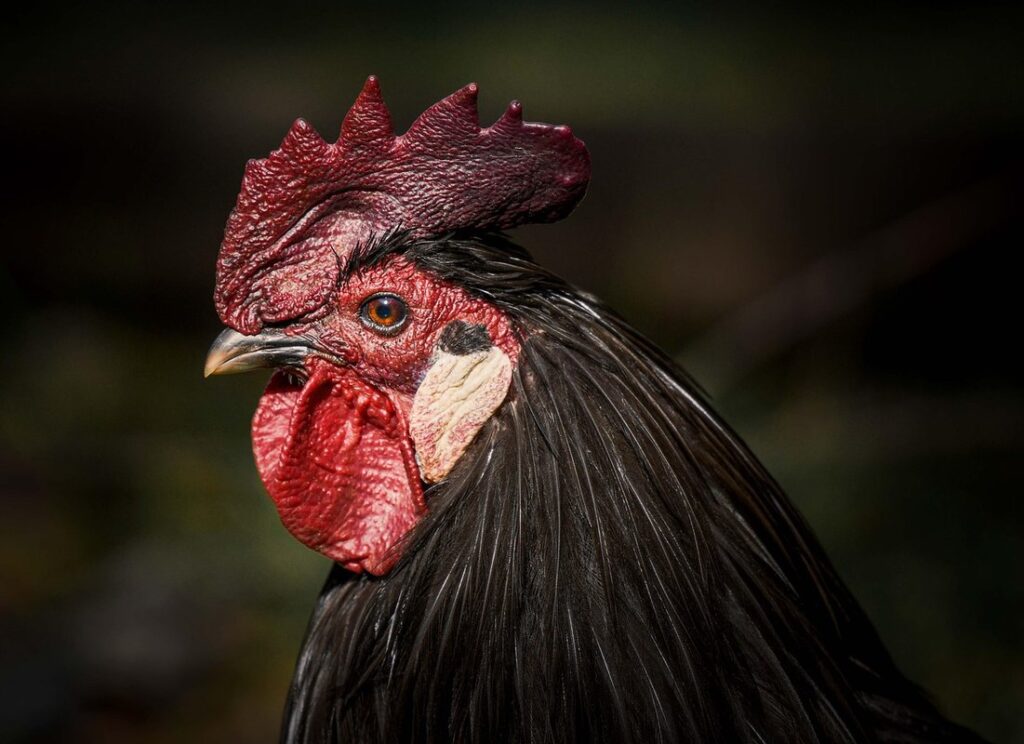
Understanding Aggressive Rooster Behavior
Aggressive rooster behavior can be caused by a variety of factors, including genetics and environmental influences that we need to understand. Let’s explore these underlying causes together.
Causes of Aggression in Roosters
Roosters can become aggressive due to various factors that contribute to their behavior. Genetics play a significant role, as some breeds are naturally more aggressive than others. For instance, game birds like Leghorns and Cornish are known for their assertive nature. However, even within breeds prone to aggression, individual temperament varies greatly.
Socialization is another crucial aspect influencing rooster aggression. Roosters that grow up in isolation or with inadequate exposure to humans may develop aggressive traits due to fear or insecurity. Conversely, those raised with gentle handling and interaction tend to be more docile. A study by the University of California found that roosters socialized from an early age exhibit reduced aggression towards humans.
Environmental factors also contribute to aggression in roosters. Changes in their living space, such as introducing new birds or increasing competition for resources, can trigger aggressive behavior. Even minor changes like a shift in diet or lack of adequate exercise can lead to irritability and aggression. By understanding these underlying causes, you can develop targeted strategies to address your rooster’s specific needs and reduce aggression levels.
Signs of Aggression in Roosters
Identifying aggressive behavior in roosters can be challenging, but it’s crucial to address the issue early on. A rooster that’s becoming aggressive may display subtle physical and behavioral signs. Look for changes in their posture, such as a puffed-out chest or a raised hackle (the feathers around the neck). They might also exhibit rapid breathing, tense muscles, or a swaying gait.
Behavioral indicators include increased vocalization, strutting or pacing back and forth near hens, or attempting to dominate resources like food. A rooster may also engage in mock fights, which can be misinterpreted as playful but are actually a way of asserting dominance.
If you notice any of these signs, it’s essential to intervene before the situation escalates. Start by providing separate housing for the aggressive rooster and gradually reintroducing him to the flock under close supervision. Monitor his behavior closely and take steps to manage stressors like noise or overcrowding.
Assessing the Situation: Identifying Triggers
Now that we’ve discussed rooster behavior, let’s take a closer look at what might be driving your aggressive bird’s actions and identify potential triggers.
Environmental Factors Contributing to Aggression
When assessing the situation with an aggressive rooster, it’s essential to consider the external factors that may be contributing to its behavior. One of the primary environmental factors that can trigger aggression is crowding. When there are too many birds in a small space, competition for resources such as food and water can lead to stress and tension among the flock. This can result in aggressive behavior towards other birds, including roosters.
Another factor to consider is noise levels. Loud noises from nearby farms or human activities can create stress and anxiety in roosters, leading them to become more aggressive. Changes in the coop or run environment can also contribute to aggression. For example, a sudden change in layout or introduction of new birds can cause roosters to feel insecure and defensive.
To mitigate these factors, it’s crucial to provide a calm and stress-free environment for your flock. Ensure that the coop has adequate ventilation and natural light, and consider adding plants or visual barriers to reduce noise levels.
Rooster-Rooster Interactions: Understanding Dominance Hierarchy
When two roosters are present in the same flock, they often establish a dominance hierarchy. This pecking order can lead to aggressive behavior as each bird vies for control and priority. Dominant roosters will assert their power through displays of aggression, such as crowing loudly, flapping wings, or even attacking subordinate birds.
To understand this dynamic, imagine your flock is like a small community with its own social structure. Roosters are naturally competitive, and they often engage in behaviors to establish dominance. For example, if a new rooster joins the flock, it may challenge the existing dominant bird for supremacy. This can lead to aggressive interactions between the two birds as they battle for position.
In some cases, this competition can be intense, resulting in injuries or even deaths. However, there are ways to minimize these risks and reduce aggression among your roosters. By introducing new birds gradually and under close supervision, you can help them establish a peaceful hierarchy without resorting to violence.
Safe Handling Techniques for Aggressive Roosters
When dealing with aggressive roosters, it’s crucial to master safe handling techniques to prevent injury and maintain a strong bond between you and your bird. This section will walk you through essential steps to handle them confidently.
Approach and Body Language
When approaching an aggressive rooster, it’s essential to prioritize your safety and the rooster’s well-being. Start by maintaining a safe distance – at least 10-15 feet away from the bird. This allows both you and the rooster to assess each other without feeling threatened.
Notice the rooster’s body language cues: raised hackles, puffed-out chest, or aggressive posturing indicate that it’s feeling defensive or territorial. If you observe these signs, slow down your approach and give the rooster plenty of space. On the other hand, if the rooster appears calm and relaxed, you can cautiously move closer.
As you get closer to the rooster, pay attention to its eye contact. Direct stares can be perceived as a challenge or threat. Instead, try to establish a gentle, non-confrontational connection by focusing on the rooster’s ears, wings, or tail. This will help the bird feel more at ease and reduce aggression.
Remember that every rooster is different, so it’s crucial to tailor your approach based on its individual personality and behavior. With patience, caution, and a gentle demeanor, you can safely interact with even the most aggressive roosters.
Physical Restraint Methods: When to Use Them
When dealing with aggressive roosters, it’s essential to know when and how to use physical restraint. While prevention is always the best approach, there may be situations where intervention becomes necessary. Physical restraint should only be used as a last resort, after all non-confrontational techniques have been exhausted.
In cases where a rooster has become overly aggressive or injured someone, it’s crucial to act quickly and safely. Approach the rooster slowly and calmly, speaking in a soothing tone to avoid escalating the situation further. Once you’re close enough, use a sturdy towel or cloth to gently but firmly wrap around the bird’s body, taking care not to restrict its vision or breathing.
When using physical restraint, always prioritize your safety and that of others. Never attempt to handle an aggressive rooster alone; have someone assist you in case of an emergency. If the situation continues to escalate, consider consulting a professional for guidance on safely managing the bird’s behavior.
Training and Desensitization Techniques
When dealing with aggressive roosters, understanding effective training and desensitization techniques can help you establish a safe and harmonious relationship. In this next section, we’ll cover specific strategies to achieve calm behavior in your feisty flock member.
Positive Reinforcement Training
Positive reinforcement training is an effective approach to reducing aggression and improving behavior in aggressive roosters. By focusing on rewarding desired behaviors rather than punishing undesired ones, you can help your rooster become more confident and calm. This method encourages positive interactions between the rooster and its handler, which is particularly important when dealing with aggressive birds.
The benefits of positive reinforcement training are numerous. For one, it helps to establish a strong bond between you and your rooster, built on trust and mutual respect. When your rooster learns that good behavior is rewarded, it becomes more inclined to exhibit calm and relaxed behavior in the presence of strangers or other animals. Additionally, this approach teaches your rooster to associate handling with positive experiences, reducing stress and aggression over time.
To implement positive reinforcement training, start by identifying specific behaviors you want to reinforce, such as calmly standing near you or allowing himself to be handled. Reward these behaviors with treats, praise, or playtime, and gradually increase the difficulty level as your rooster becomes more confident.
Gradual Exposure to Stimuli
When working with an aggressive rooster, it’s essential to implement a gradual exposure to stimuli that trigger its aggression. This process is called habituation, and it can help the bird become desensitized to situations that would normally cause a reaction.
To start, identify the specific triggers for your rooster’s aggression. Is it people in hats? Loud noises? Other animals? Once you know what sparks its behavior, you can begin to create a plan for gradual exposure. Begin by exposing the rooster to the trigger at a low level of intensity. For example, if it’s afraid of people wearing hats, start by having someone wear a hat and stand near the bird without interacting with it.
Next, gradually increase the intensity over time by having the person move closer or interact with the rooster while wearing the hat. Remember to reward calm behavior with treats and praise. Repeat this process several times a week, always progressing at a pace that feels comfortable for both you and the bird.
The goal is to help your rooster become confident in its ability to cope with triggers without resorting to aggression. With patience and consistency, you can develop a more harmonious relationship with even the most aggressive of birds.
Managing Aggressive Roosters: A Long-Term Strategy
When dealing with aggressive roosters, a long-term strategy is essential to ensure your safety and well-being. This section will explore effective methods for creating a calm environment and managing their behavior.
Creating a Safe Environment
Creating a safe and peaceful environment for both you and your rooster is crucial to managing aggressive behavior. A well-designed coop and run can go a long way in reducing stress and aggression in birds. First, let’s talk about space allocation: ensure that your rooster has enough room to move around comfortably. The general rule of thumb is at least 2-4 square feet per bird inside the coop and 8-10 square feet per bird outside in the run.
In terms of enrichment strategies, provide a variety of toys and activities to keep your rooster engaged and stimulated. Some ideas include hanging feeders that challenge problem-solving skills, adding a sandbox for digging, or even incorporating a “foraging” area where birds can search for treats. Additionally, consider rotating toys every few days to prevent boredom.
By allocating sufficient space and providing enrichment activities, you’ll be taking significant steps towards creating a peaceful environment within your coop and run. This, combined with other strategies outlined in this guide, will help reduce aggression in your rooster over time.
Introducing Other Animals Safely
When introducing other animals to an aggressive rooster’s environment, it’s essential to do so gradually and under controlled circumstances. Start by keeping them separated at first, allowing the rooster to become familiar with their presence through visual and auditory cues without feeling threatened.
Once you’ve established a baseline of calm behavior from your rooster, begin to introduce them in a neutral area where the rooster feels secure, such as a fenced enclosure or a designated meeting zone. Begin with short introductions, starting at opposite ends of the space and gradually increasing face-to-face interactions over time.
A good rule of thumb is to reintroduce the new animals during times when your rooster is typically more relaxed, like after feeding or in the early morning hours. Monitor body language closely for any signs of stress or aggression, such as raised hackles or aggressive posturing. If you notice these cues, it’s best to intervene promptly and separate the animals until tensions subside.
By following this step-by-step approach, you can minimize disruptions and help your rooster adjust to sharing his space with other animals.
Conclusion: Preventing Aggressive Behavior in Roosters
Now that we’ve covered the ins and outs of recognizing and addressing aggressive behavior, it’s time to focus on prevention strategies to keep your flock safe. We’ll walk you through some essential tips for a harmonious backyard.
Importance of Early Socialization
Early socialization is one of the most critical factors in determining whether a rooster will grow into an aggressive bird or not. Proper care and attention during the first few weeks of life lay the foundation for future behavior. A well-socialized rooster is more likely to be calm, confident, and less prone to aggression.
Start by handling your chicks from a young age. Gently pick them up, support their body, and let them get accustomed to being held. This helps them become comfortable with human presence and reduces stress when they’re older. Make sure to also introduce them to other animals in the household, as this teaches them how to interact with others peacefully.
Proper nutrition is equally important for a rooster’s temperament. A balanced diet rich in essential vitamins and minerals supports healthy brain development, which in turn influences behavior. Provide your chicks with high-quality feed from an early age, and supplement their diet with fresh fruits and vegetables.
Keep in mind that genetics also play a role in aggression levels. While proper care can mitigate this factor, some breeds are naturally more prone to aggression than others.
Ongoing Monitoring and Training
Ongoing monitoring and training are crucial components of managing aggressive roosters. It’s not a one-time fix; rather, it’s an ongoing process that requires dedication and commitment to ensure the rooster’s behavior doesn’t escalate.
You should continuously observe your rooster’s behavior, paying attention to any signs of stress or agitation. This could include changes in feather plucking, aggression towards other animals, or increased vocalization. Recognizing these warning signs early on can help you intervene before the situation spirals out of control.
Regular training sessions can also help reduce aggressive behavior. Positive reinforcement techniques such as clicker training and reward-based exercises can be effective in redirecting your rooster’s energy towards desired behaviors. For instance, if your rooster is prone to attacking other animals, you can train it to calmly interact with a specific target, like a stuffed animal or a toy.
Regular interaction and socialization with people are also essential for aggressive roosters. Start by introducing the rooster to calm individuals who will move slowly and speak in a soothing voice, allowing your rooster to become accustomed to their presence.
Frequently Asked Questions
Can I safely handle an aggressive rooster if it’s not showing any signs of aggression right now?
Yes, it’s still essential to exercise caution when handling even a calm rooster. Aggression can be triggered by various factors, and understanding the bird’s body language is crucial for safe interaction.
How do I know if my rooster is becoming aggressive due to genetics or environmental influences?
Pay attention to your rooster’s behavior in different settings and situations. If aggression only occurs during specific times of the day or around other animals, it may be an environmental factor at play.
What are some common mistakes people make when trying to manage an aggressive rooster?
Common mistakes include underestimating the severity of aggression and not addressing underlying causes. It’s also essential to avoid physical punishment or isolation, as these methods can exacerbate the problem.
Can I use positive reinforcement training with a rooster that has established dominance over other chickens?
Yes, but it will require patience and persistence. Gradual exposure to gentle handling and rewards-based training can help desensitize your rooster to human interaction and reduce aggression towards other birds.
How do I balance the need for socialization with the risk of triggering aggression in a young rooster?
Early socialization is critical, but it’s equally important to monitor your rooster’s behavior during interactions. If you notice signs of stress or aggression, intervene promptly and provide positive reinforcement training to help your rooster develop good habits.