
Are you tired of being woken up in the middle of the night by your loudmouthed chickens? You’re not alone! Many backyard chicken keepers struggle with nocturnal crowing, which can be a real challenge to address. But don’t worry, we’ve got some good news for you: we’ll show you why your chickens are crowing at night and provide practical tips to reduce the noise.
In this article, we’ll dive into the reasons behind nighttime crowing, including factors like circadian rhythms, stress, and boredom. We’ll also share expert advice on how to promote peaceful sleep and a happy flock. From simple tweaks to your coop design to more creative solutions like sound-reducing materials, you’ll learn everything you need to know to enjoy a good night’s sleep again.
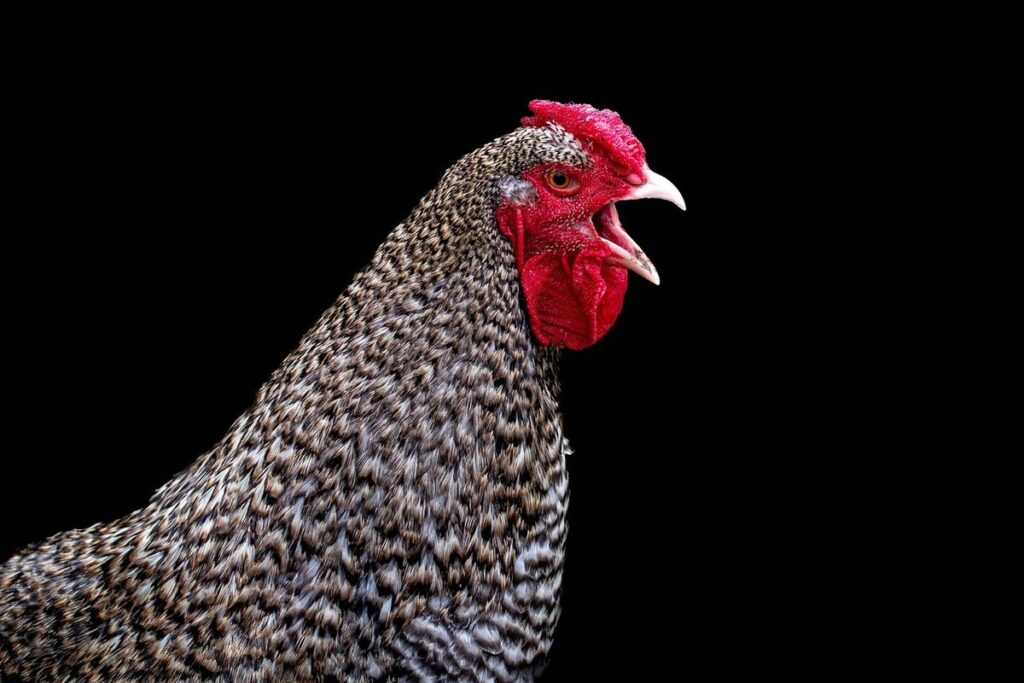
What Causes Chickens to Crow at Night?
You might wonder why your chickens seem to have a late-night concert, and there are several reasons that contribute to their nocturnal crowing, including natural instincts and environmental factors.
Natural Behaviors and Routines
Chickens have an innate natural circadian rhythm that regulates their behavior and activity patterns. This internal clock influences their crowing habits, causing them to be more vocal at dawn and dusk when the sun is rising or setting. At night, chickens are naturally more subdued, but this doesn’t mean they won’t make any noise.
The pecking order also plays a significant role in determining a chicken’s nocturnal behavior. Dominant birds tend to roost near the center of the coop, while subordinate birds often find themselves on the outskirts. As the night wears on and the dominant bird begins to settle down, the more submissive birds may start to stir, leading to increased noise levels.
To minimize nighttime crowing, consider providing a quiet, dark environment for your chickens to roost in. Block out any external light sources, and ensure that the coop is well-ventilated but draft-free. By establishing a consistent daily routine, you can help regulate your flock’s internal clock and reduce nocturnal noise levels.
Stress and Anxiety Factors
Chickens can be sensitive to stress and anxiety, which can manifest as excessive crowing at night. If your chickens are not getting enough sleep, they may become agitated and vocalize loudly. Ensure that their coop is dark, quiet, and free from distractions during nighttime hours.
Poor living conditions, such as overcrowding or lack of adequate ventilation, can also contribute to stress and anxiety in chickens. Make sure their enclosure is spacious enough for them to move around comfortably and has proper airflow to prevent ammonia buildup.
Changes in their environment, like moving to a new coop or introducing new birds, can be stressful for chickens. Introduce changes gradually to minimize disruption. Provide familiar comforts like their favorite foods and toys during this transition period.
Pay attention to your flock’s behavior and adjust their living conditions accordingly. By recognizing the signs of stress and anxiety in your chickens, you can take proactive steps to mitigate excessive crowing at night.
Why Chickens Crow Loudly: Possible Reasons Behind Nocturnal Noise
If you’re tired of being kept awake by your chicken’s loud midnight crowing, it’s time to investigate the possible reasons behind their nocturnal noise-making antics. Let’s explore some common causes together!
Health Issues and Pain
Chickens crow loudly at night for various reasons, and one possible explanation could be related to health issues. Respiratory problems, such as bronchitis, pneumonia, or even allergies, can cause chickens to vocalize more than usual due to discomfort or difficulty breathing.
Pain is another potential reason behind a chicken’s increased nocturnal noise level. Chickens may experience pain due to various factors like overgrown beaks, frostbite, or injuries from predators. If your chicken is limping, showing signs of stress, or has trouble eating and drinking, it could be in pain.
Some common signs that indicate your chicken might be experiencing health issues include labored breathing, coughing, wheezing, or excessive panting. Keep an eye out for these symptoms and consult a veterinarian if you suspect something is amiss. To prevent potential health problems from causing nocturnal noise, ensure your chickens have a safe and comfortable living environment. Regularly clean their coop, provide adequate ventilation, and keep their water and feed bowls full to maintain their overall well-being.
Hormonal Changes and Reproduction Cues
Hormonal changes during breeding season can cause chickens to crow loudly at night as they prepare for mating. Roosters, in particular, will often vocalize to establish dominance and attract hens. The surge of testosterone triggers aggressive behavior, leading them to crow more frequently.
Molting, a natural process where chickens shed their feathers, also affects hormone levels. As feathers grow back, the decrease in reproductive hormones may cause roosters to reduce their crowing frequency. However, this isn’t always the case, and some roosters continue to vocalize during molting periods.
Other life stages can also trigger changes in a chicken’s tendency to crow loudly at night. For example, young chickens often exhibit loud vocalizations as they develop dominance hierarchies within the flock. Chickens that are stressed or experiencing changes in their environment may also adjust their vocal behavior, including increased crowing at night.
Identifying the Source of Nocturnal Noise: Tips for Backyard Chicken Keepers
If you’re waking up to the sound of your chickens crowing through the night, chances are you’re wondering what’s causing the disturbance. Let’s dive into some practical tips for identifying the source of nocturnal noise in your backyard flock.
Monitoring Flock Behavior and Habitat
As you’re trying to determine why your chickens are crowing excessively at night, it’s essential to observe their behavior and habitat conditions closely. Begin by monitoring the flock’s activity during the evening hours when they typically become most vocal. Take note of any patterns or triggers that may be causing them to crow more than usual.
Look for signs of stress or discomfort in your flock’s behavior, such as pacing, feather plucking, or changes in appetite. These can indicate underlying issues with their living conditions or social dynamics within the flock. For example, if you notice one dominant chicken bullying others, this could be causing anxiety and leading to excessive crowing.
Check the coop’s environment for any factors that might be contributing to noise levels. Ensure proper ventilation, adequate lighting, and a comfortable temperature range (between 40°F to 80°F). A clean and well-maintained coop is also crucial in maintaining a peaceful flock atmosphere.
When inspecting your flock’s habitat, pay attention to the presence of predators or potential threats such as loose dogs or hawks. Even if you’re confident about the security of your property, a subtle change can cause stress for your chickens and trigger excessive crowing.
Strategies for Reducing Nighttime Noise
As a backyard chicken keeper, you’re likely no stranger to the sound of early morning crowing. While it’s natural for chickens to vocalize, excessive nighttime noise can be a concern. To reduce the frequency and volume of nocturnal crowing, let’s explore some practical strategies tailored specifically for your flock.
First and foremost, ensure that your chickens have a comfortable place to roost and sleep. Adequate sleep space is crucial for their physical and mental well-being. Aim to provide at least 3-4 square feet per bird in the roosting area, with soft bedding like straw or wood shavings to promote relaxation.
Next, assess your living conditions and make improvements as needed. Chickens are social creatures that thrive on routine. Establish a consistent schedule for feeding, cleaning, and playtime to reduce stress and anxiety, common triggers for nighttime crowing. Additionally, enrich their environment by introducing activities like scratch feeders, foraging toys, or even a sandbox to keep them engaged throughout the day.
Some chicken breeds are naturally more vocal than others. If you’ve determined that your flock’s noise levels are excessive, consider introducing calming aids such as pheromone diffusers or white noise machines specifically designed for poultry.
Chicken Crowing at Night: Impact on Sleep and Mental Health in Humans
When chickens start crowing at night, it can have a significant impact on your sleep quality and even mental health. Let’s explore how their nocturnal noise affects humans.
The Effects of Chronic Nocturnal Noise Exposure
Chronic nocturnal noise exposure from loud crowing can have a profound impact on human sleep patterns. Research suggests that prolonged exposure to sounds above 40 decibels can disrupt the body’s natural sleep-wake cycle, leading to insomnia and daytime fatigue. The constant crowing can also trigger stress hormones like cortisol, making it challenging for individuals to relax and fall asleep.
Moreover, the effects of chronic nocturnal noise exposure extend beyond just sleep quality. Studies have linked prolonged noise pollution to increased symptoms of anxiety and depression. For example, a study in urban environments found that residents exposed to high levels of traffic noise experienced higher rates of depression and anxiety disorders. Similarly, chicken crowing can become a source of stress for individuals living nearby, particularly if the noises persist throughout the night.
To mitigate these effects, consider implementing sound-reducing measures around your coop or establishing a consistent roosting schedule for your chickens.
Strategies for Coping with Nocturnal Noise Pollution
Dealing with nocturnal noise pollution caused by chicken crowing can be frustrating and disrupt sleep patterns. To mitigate its effects on mental health, consider implementing some effective coping strategies. For instance, using earplugs can significantly reduce the volume of the noise, providing a much-needed respite from incessant crowing.
Another option is to invest in a white noise machine. These devices produce soothing sounds that mask background noises, including loud animal vocalizations. By creating an environment conducive to sleep, you can better manage stress levels and wake up feeling refreshed.
However, in some cases, the stress caused by nocturnal noise pollution may be overwhelming. If this is your experience, don’t hesitate to seek professional help from a mental health expert. They can provide personalized guidance on managing anxiety and developing coping mechanisms tailored to your specific situation.
Additionally, consider talking to your neighbors or local authorities if the noise pollution persists and affects others in your community as well. By working together, you can find solutions that benefit everyone involved.
Solutions for Chicken Keepers: Quiet Flocks and Peaceful Nights Ahead
If you’re tired of being woken up by your flock’s midnight concerts, there are several solutions to help quiet your chickens and ensure peaceful nights ahead. Let’s explore some effective strategies for a more serene backyard experience.
Breeds That Tend to Be Quieter
If you’re tired of being woken up by the incessant crowing of your flock at night, there are some chicken breeds that tend to be quieter than others. One such breed is the Silkies. Known for their fluffy feathers and gentle nature, Silkies are relatively quiet birds that won’t disturb you or your neighbors.
Another breed worth considering is the Polish. These chickens have a unique appearance with their crested heads and calm demeanor, making them an excellent choice for those who want a peaceful coop. They’re not as vocal as some other breeds, and they tend to save their crowing for daylight hours.
The Brahmas are also a good option for quieter flocks. Originating from India, these gentle giants have a calm temperament and are relatively quiet birds. However, it’s worth noting that even the most docile breeds may still make noise at times, especially if they feel threatened or see something unusual.
It’s essential to remember that individual personalities can vary within breeds, so it’s crucial to research and choose a breeder who prioritizes temperament as much as appearance.
Training Techniques to Reduce Crowing
To effectively reduce or eliminate excessive crowing, it’s essential to establish consistent daily routines. Chickens are creatures of habit and thrive on predictability. By sticking to a regular schedule for feeding, exercise, and sleep, you can help regulate their internal clocks and reduce stress-related noise-making.
Positive reinforcement is another valuable training technique. Reward your flock members with treats, praise, or affection when they exhibit quiet behavior during the night. For example, if you notice a particular chicken exhibiting calm behavior after being fed a nutritious meal, reward them immediately. Consistently associating good behavior with positive outcomes can lead to long-term changes in their crowing habits.
Addressing underlying issues is also crucial. Ensure your flock members have adequate space, proper ventilation, and a balanced diet. Inspect your coop for potential sources of noise pollution or stressors, such as drafts, overcrowding, or predators. By identifying and resolving these underlying causes, you can significantly reduce the likelihood of excessive crowing.
Conclusion: Finding Peace with Your Noisy Flock
As you’ve navigated the reasons behind your flock’s nighttime crowing, it’s time to put that knowledge into practice and find peace in your own backyard.
Recap of Key Takeaways
In conclusion to our discussion on the art of chicken crowing, we’ve covered several key points that are essential for understanding and addressing nocturnal noise concerns. You now know that chickens make noise at night due to natural instincts, environmental factors, and breed-specific traits. The main culprits behind nighttime squawking include stress, boredom, and social interactions.
To effectively address your flock’s noisy behavior, consider implementing some practical strategies. For instance, you can create a more engaging environment by providing adequate space for exercise and mental stimulation through enrichment activities. This could include adding toys, rotating perches, or incorporating new features to their coop.
Additionally, consider establishing a calming pre-sleep routine, such as dimming lights, playing soothing music, or offering treats to signal the end of the day. By implementing these measures, you can help your chickens wind down and reduce nighttime crowing. Remember that every flock is unique, so it’s essential to observe and adjust your approach accordingly.
Ultimately, finding peace with a noisy flock requires patience, flexibility, and a willingness to experiment. By taking an informed and compassionate approach, you can work towards creating a more harmonious living environment for both you and your feathered friends.
Encouragement for Embracing the Beauty of Chicken Crowing
As you’ve come to understand the reasons behind your flock’s nocturnal concerts, it’s time to shift gears and appreciate the beauty that chicken crowing brings. Embracing this aspect of backyard farming can be incredibly rewarding, allowing you to connect with nature on a deeper level.
Rather than viewing the noise as a nuisance, try framing it as an opportunity to slow down and tune into the sounds around you. Think about it – in today’s fast-paced world, we’re often encouraged to drown out distractions and focus solely on productivity. But what if we told you that the gentle hooting of your chickens at night can be just the ticket to calm your mind and unwind?
To make peace with your noisy flock, start by setting aside some quiet time each evening to listen in. As the sun dips below the horizon, step outside and immerse yourself in the symphony of sounds – not just from your chickens, but also from crickets, frogs, and rustling leaves. By embracing this beauty, you’ll find that your relationship with your flock becomes more harmonious, too.
Frequently Asked Questions
Can I completely eliminate nocturnal crowing from my flock?
While it’s challenging to entirely eliminate nighttime noise, you can significantly reduce it by implementing the strategies mentioned in our article, such as adjusting your coop design and promoting a stress-free environment. By creating a peaceful atmosphere, you can encourage your chickens to be more subdued at night.
How do I know if my chickens’ nocturnal crowing is related to their diet or health issues?
Pay attention to any changes in your flock’s behavior or appetite before the nighttime noise starts. If you suspect that dietary factors are contributing to the problem, try modifying their feed or introducing probiotics to improve digestion. Consult a veterinarian to rule out underlying health issues.
Can I use white noise machines or other sound-masking devices to help my chickens sleep quietly?
Yes, using white noise machines or other sound-masking devices can help create a more conducive environment for your flock to rest peacefully at night. This is especially helpful if you have chickens that are prone to loud crowing due to stress or anxiety.
What’s the ideal ratio of roosting bars to birds in my coop?
Aim for a minimum of 3-4 square feet of space per bird, ensuring there’s enough room for them to roost comfortably. Having too few roosting bars can lead to overcrowding and contribute to noise pollution at night.
How long does it take to see significant improvements in my flock’s behavior after implementing changes?
Results may vary depending on your specific situation, but you can typically expect noticeable improvements within 2-4 weeks of making adjustments to their environment. Be patient, as creating a peaceful atmosphere for your chickens takes time and effort.