
Black ducklings have stolen the hearts of many with their striking appearance and playful personalities. If you’re one of them, or just curious about these adorable birds, you’ve come to the right place! In this article, we’ll delve into the fascinating world of black ducklings, exploring their unique characteristics, behavior, and breeding habits. You’ll also learn how to care for them as pets, including tips on nutrition, habitat, and health. Moreover, we’ll discuss the importance of conservation efforts to protect these wonderful birds and their habitats. Whether you’re a seasoned breeder or just starting your journey with black ducklings, this article aims to provide valuable insights and knowledge to help you appreciate and care for these incredible creatures.
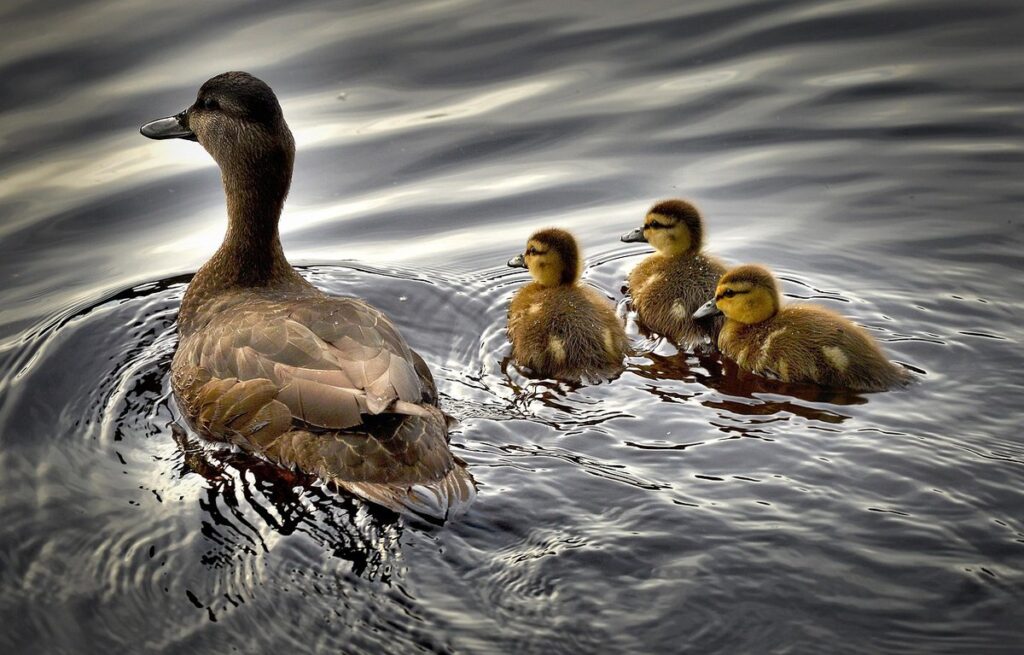
Introduction to Black Ducklings
Welcome to our guide on black ducklings, where we’ll introduce you to these adorable birds and explore their fascinating world. Let’s start at the beginning!
What are Black Ducklings?
Black ducklings are young waterfowl that belong to the Muscovy duck family. They are native to South America but have been introduced to various parts of the world as ornamental birds. One of the most distinctive features of black ducklings is their glossy, black plumage, which helps them blend in with their aquatic environment.
In terms of behavior, black ducklings are social animals and thrive in the company of others. They are known to form close bonds with their family members and will often follow their mothers’ lead when foraging for food or exploring their surroundings. As they grow, they develop a loud quacking call that helps them communicate with other ducks.
Black ducklings prefer living in wetlands, ponds, or lakes with access to vegetation and water sources. Their habitat requirements are relatively simple, but providing a safe and stable environment is essential for their growth and development. If you’re considering raising black ducklings, ensure you can provide a suitable enclosure that mimics their natural habitat as closely as possible. This will help them grow into healthy, thriving birds.
Importance of Understanding Black Ducklings
Understanding black ducklings is crucial for anyone interested in the fascinating world of waterfowl. These adorable birds play a vital role in their ecosystems, and learning about them can be incredibly rewarding. One of the primary reasons to study black ducklings is to appreciate their unique features. For instance, did you know that they have specialized feathers on their feet that help them grip onto muddy banks? This adaptation allows them to thrive in environments with dense vegetation.
As bird enthusiasts, understanding black ducklings’ behavior and habitat can also provide valuable insights into conservation efforts. By learning about their specific needs and vulnerabilities, we can work towards protecting these remarkable birds and their habitats. For example, did you know that black ducklings are often preyed upon by predators such as raccoons and foxes? Recognizing the threats they face can help us develop strategies to safeguard their populations.
By studying black ducklings, we can also tap into the potential benefits of birdwatching, such as improved mental health and increased appreciation for nature. With patience and practice, anyone can become an expert in identifying these delightful birds.
Physical Characteristics and Behavior
Black ducklings have several distinctive physical characteristics that set them apart from other waterfowl, including their unique plumage and webbed feet. Let’s take a closer look at these features in more detail now.
Body Structure and Plumage
When it comes to physical attributes, black ducklings are truly unique. Their beak shape is one of their most distinctive features, with a bright orange color and a sharp, pointed tip that’s perfectly suited for breaking through aquatic plants and insects. The shape of the beak also allows them to dig into mud and sediment with ease.
Their feather coloration is another defining characteristic of black ducklings. While they’re not entirely black – their backs are more of a dark grey-brown hue – their bellies are a bright yellow, providing excellent camouflage in murky waters. The combination of these colors makes it difficult for predators to spot them.
In terms of overall body structure, black ducklings are compact and sturdy birds with short necks and legs. This unique build allows them to move quickly through dense vegetation and make sharp turns while swimming. Their feathers are also specially adapted to their aquatic environment, with a waxy coating that helps repel water.
Feeding Habits and Diet
When it comes to feeding habits and diet, black ducklings are opportunistic omnivores, which means they eat both plant and animal matter. As soon as they hatch, they begin pecking at food on the ground, starting with tiny insects, snails, and worms. As they grow, their diet expands to include aquatic plants, grasses, and grains.
One fascinating aspect of black duckling feeding habits is their unique foraging behavior. They use their sensitive bills to probe into crevices and undergrowth in search of food, often working together with other ducklings to uncover hidden treats. In the wild, they’ll also scavenge for food on riverbanks, lakeshores, and even agricultural fields.
A key point to note is that black ducklings require a balanced diet rich in protein and fiber. If you’re raising them in captivity, provide a mix of commercial duckling feed, fruits, vegetables, and grains. In the wild, they’ll naturally seek out these nutrient-rich foods, but may also encounter pollutants or contaminated food sources. By observing their natural feeding habits and providing a suitable environment, you can encourage healthy growth and development in your black ducklings.
Habitat and Distribution
Black ducklings can be found in a variety of natural habitats, including wetlands, forests, and grasslands, where they tend to congregate around water sources. Let’s explore their typical habitats and distribution patterns further.
Breeding and Nesting Grounds
Black ducklings can be found in various wetland habitats across North America, Europe, and Asia. They typically inhabit shallow lakes, marshes, swamps, and riverbanks with dense vegetation. The ideal breeding grounds for black ducklings feature an abundance of aquatic plants, such as cattails, sedges, and water lilies, which provide shelter from predators and a stable food supply.
In the wild, female black ducks typically build their nests on the ground or in shallow depressions among vegetation. They lay 8-13 eggs, which incubate for approximately 28 days. During this time, both parents take turns guarding the nest and keeping it hidden from potential threats. It’s essential to preserve these natural habitats by protecting them from human activities that disrupt the ecosystem.
To support black duckling conservation, consider visiting or volunteering at protected areas like national parks, wildlife refuges, or sanctuaries. These sites provide crucial habitat preservation efforts, which help maintain a healthy environment for black ducklings and other aquatic species to thrive.
Migration Patterns and Seasonal Behavior
Black ducklings are known to be adaptable birds that can thrive in various environments, and their migration patterns and seasonal behavior reflect this adaptability. In the spring, black ducklings migrate from their wintering grounds in the southern United States and Mexico to their breeding grounds in the northern parts of North America. During this journey, they may stopover at wetlands and coastal areas to rest and feed.
As the seasons change, black ducklings’ behavior also undergoes notable changes. In the fall, for example, they begin to prepare for migration by fattening up on food sources and increasing their activity levels. This helps them build up energy reserves necessary for their long journey ahead.
Interestingly, black ducklings have been known to exhibit flexible migratory patterns in response to environmental factors such as weather conditions and food availability. In some years, they may remain in their breeding grounds year-round if the environment is suitable, while in other years they may migrate further south or north depending on the specific circumstances. By understanding these adaptations, bird enthusiasts can better appreciate the resilience of black ducklings and take steps to conserve their habitats.
Health and Conservation
When it comes to these adorable ducklings, maintaining their health is crucial for conservation efforts. We’ll explore how you can help keep black ducklings thriving in the wild.
Common Health Issues
As you care for your black duckling, it’s essential to be aware of common health issues that can affect them. One of the most significant threats is disease. Black ducklings are prone to bacterial infections such as Pasteurellosis and Mycoplasmosis, which can lead to respiratory problems and even death if left untreated. Regular monitoring of their droppings and overall behavior can help you identify any potential issues early on.
Parasites like mites, lice, and fleas are another concern. These external parasites can cause discomfort, skin irritation, and anemia in black ducklings. Keeping their environment clean and free from debris is crucial to preventing infestations. You should also provide a balanced diet that includes ingredients rich in omega-3 fatty acids to promote healthy feathers and skin.
Injuries, such as wounds or broken bones, can also occur due to accidents or rough handling. Keep an eye on your black duckling’s behavior and watch for signs of stress or injury, such as changes in appetite or lethargy. If you suspect any health issues, consult a veterinarian experienced in caring for waterfowl immediately.
It’s also crucial to implement conservation efforts, such as maintaining a clean environment, providing adequate space, and ensuring proper social interaction with other ducklings. By doing so, you can help prevent stress-related illnesses and promote overall well-being.
Threats and Conservation Status
Black ducklings face numerous threats to their populations, primarily driven by human activities that disrupt their habitats and ecosystems. Habitat loss is a significant concern, as wetlands and aquatic areas are increasingly being converted into agricultural land, urban developments, or industrial facilities. This not only reduces the available breeding grounds for black ducklings but also affects the quality of water and vegetation essential for their survival.
Climate change has further exacerbated these issues by altering temperature and precipitation patterns, leading to unpredictable food availability and increased competition among species for resources. The effects of climate change can be particularly devastating during extreme weather events such as hurricanes or floods that destroy habitats and disrupt breeding cycles.
The hunting of black ducklings also poses a significant threat, with populations often targeted for their meat, feathers, or other body parts used in traditional medicine. Ongoing conservation initiatives aim to protect these habitats, promote sustainable land-use practices, and raise awareness about the importance of preserving biodiversity.
Breeding and Keeping Black Ducklings as Pets
If you’re interested in breeding black ducklings, it’s essential to understand their unique needs and characteristics. This section will cover the basics of raising healthy and happy black ducklings from hatching to adulthood.
Caring for Baby Ducklings
Caring for baby ducklings requires attention to their basic needs. Nutrition is crucial; provide them with starter feed specifically formulated for young waterfowl within the first few weeks after hatching. This food contains essential nutrients and vitamins necessary for growth, development, and overall health.
For shelter, keep the ducklings in a draft-free enclosure or brooder, ideally around 90-100°F (32-38°C) for the first few days. Ensure they have access to clean water at all times and maintain adequate ventilation to prevent ammonia buildup from their droppings. A shallow pool of water can also be introduced under adult supervision once they’re able to swim.
Handling baby ducklings should be gentle, as their bones are still developing. Support their body and not just lift them by the legs, which can cause injury. Regular handling helps socialize and tame them, making interactions less stressful for both you and the birds.
Housing and Environmental Requirements
When setting up a home for your black ducklings, it’s essential to consider their housing and environmental requirements. Black ducks are semi-aquatic birds that thrive in environments with access to water, so you’ll need to create a space that mimics their natural habitat.
First and foremost, provide ample space for your feathered friends to move around. A minimum of 2-3 square feet per duckling is recommended, but the more space you can offer, the better. You can create a spacious enclosure by using a large tank or pool with a depth of at least 12 inches to allow them to swim and play.
In addition to providing adequate space, it’s crucial to simulate natural environments that cater to your black ducklings’ needs. Include plants like water lilies, cattails, and aquatic vegetation to provide shelter and food. You can also add rocks or a sandy area for the ducks to dig and scratch. A shallow area with a ramp will enable them to easily enter and exit the pool.
Make sure the enclosure is secure, well-ventilated, and protected from harsh weather conditions. Use hardware cloth or chicken wire to prevent escape attempts and predator attacks. Ensure that the enclosure is at least 6 feet off the ground to prevent predators like foxes or raccoons from reaching your feathered friends.
Conclusion: Appreciating Black Ducklings
As you’ve learned more about these adorable birds, it’s time to reflect on what makes black ducklings truly special and how we can appreciate their unique charm. Let’s cherish what we’ve discovered so far!
Recap of Key Points
In this comprehensive guide to black ducklings, we’ve explored their fascinating physical characteristics, behaviors, habitats, health considerations, and conservation status. Let’s take a moment to recap the key points.
One of the most distinctive features of black ducklings is their striking plumage, with males having a glossy green-black coat while females have a duller brownish-gray coloration. We also discussed how these young birds exhibit unique behaviors such as broodiness and imprinting, making them popular pets for many enthusiasts. When it comes to habitat, we found that black ducklings can be found in diverse environments including wetlands, grasslands, and even urban areas.
In terms of health considerations, it’s essential to provide black ducklings with a balanced diet, adequate shelter, and proper socialization from an early age. Unfortunately, their populations are facing threats due to habitat destruction, hunting, and the introduction of invasive species. To contribute to their conservation efforts, consider supporting reputable organizations that work towards protecting these amazing creatures.
By understanding and appreciating black ducklings’ complex characteristics and needs, we can take steps to ensure their well-being and survival for generations to come.
Encouragement to Learn More
As we conclude our journey into the captivating world of black ducklings, we hope that you’ve developed a deeper appreciation for these charismatic creatures. However, there’s still so much to learn and discover about them! The fascinating world of black ducklings is vast and complex, with many secrets waiting to be uncovered.
We encourage you to continue exploring this realm by joining local birding communities or organizations dedicated to wildlife conservation. Not only will you meet like-minded individuals who share your passion for these birds, but you’ll also have opportunities to participate in citizen science projects, attend workshops, and gain hands-on experience in the field.
Some excellent resources to get you started include the Cornell Lab of Ornithology’s All About Birds website and the Audubon Society. These organizations offer a wealth of information on bird identification, habitats, and conservation efforts. Take advantage of online forums and social media groups dedicated to black ducklings, where experts and enthusiasts share knowledge, photos, and stories.
By immersing yourself in the world of black ducklings, you’ll not only deepen your understanding of these remarkable birds but also contribute to their preservation and protection. So why stop now? Keep exploring, learning, and sharing your passion with others – who knows what new discoveries await us!
Frequently Asked Questions
How do I provide a suitable environment for my black ducklings to thrive?
When keeping black ducklings as pets, it’s essential to create an environment that mimics their natural habitat. Provide a spacious enclosure with adequate shelter, water, and food sources. Ensure the area is well-ventilated, predator-proofed, and protected from extreme temperatures. You can also consider adding plants and aquatic features like ponds or pools to create a more natural setting.
Can I keep black ducklings indoors if I don’t have access to an outdoor space?
While it’s possible to keep black ducklings indoors, they still require regular access to fresh air and sunlight. If you’re unable to provide an outdoor space, consider creating a large indoor enclosure with adequate ventilation and lighting. However, make sure the area is escape-proofed, as black ducklings are skilled flyers.
How do I identify potential health issues in my black duckling flock?
Regular monitoring of your flock’s behavior, appetite, and stool quality can help detect potential health issues early on. Look out for signs of respiratory problems, such as labored breathing or coughing, and check their droppings for unusual colors or textures. If you notice any abnormalities, consult with a veterinarian experienced in caring for waterfowl.
Can I breed black ducklings if I’m new to duck keeping?
Breeding black ducklings requires specialized knowledge and equipment. It’s recommended that you gain experience in caring for adult ducks and develop your skills before attempting to breed them. Consider consulting with an experienced breeder or taking a course on duck breeding to ensure you’re prepared.
How can I introduce new black ducklings to my existing flock?
Introducing new birds to an established flock requires careful planning to prevent stress and potential conflicts. Start by keeping the new ducklings separate from the main group for several days, allowing them to get accustomed to each other’s presence. Once they appear comfortable with each other, gradually introduce them under close supervision.