
Are you looking to add some new feathered friends to your backyard flock, but not sure where to start? Or perhaps you’re an experienced chicken keeper wanting to diversify your bantam collection. Either way, this list of bantam breeds is just what you need. From the adorable Silkie and Polish to the rare and exotic Japanese and Belgian Bearded d’Anvers, we’ll explore the characteristics, history, benefits, and health considerations of each breed.
In this article, we’ll delve into the world of bantams, covering everything from their unique personalities and temperaments to their egg-laying abilities and space requirements. Whether you’re a seasoned chicken enthusiast or just starting out, our comprehensive guide will help you choose the perfect bantam breeds for your needs. So, let’s get started on this fascinating journey into the world of these miniature marvels!
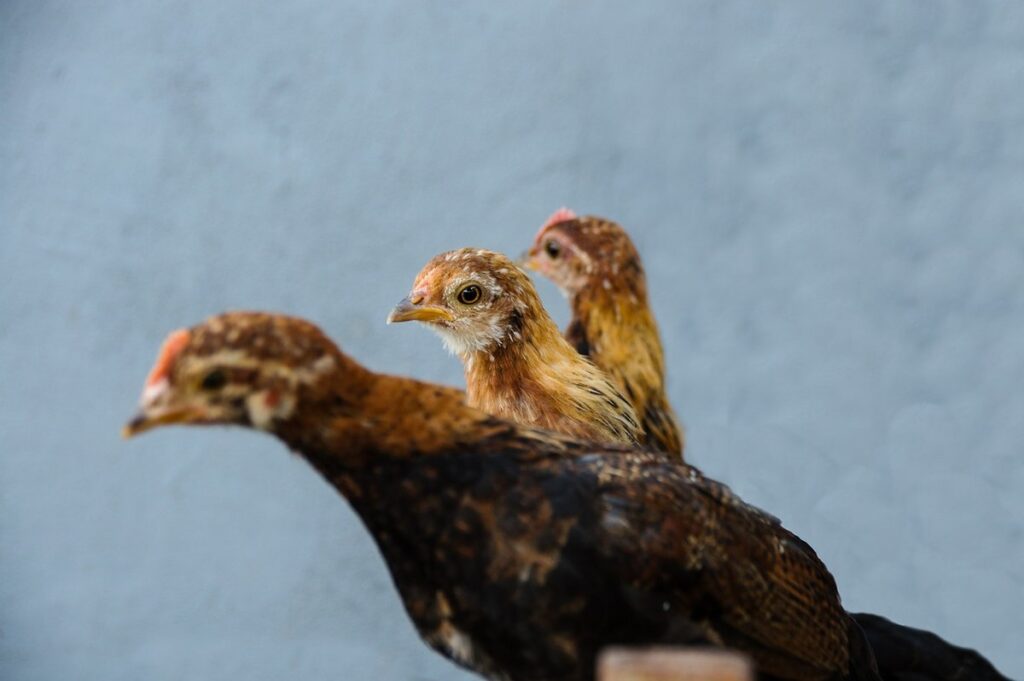
What are Bantam Breeds?
Let’s dive into what makes a bantam breed truly special and why these small birds pack such big personalities. You’ll soon discover their unique characteristics.
Characteristics of Bantams
Bantams are renowned for their diminutive yet impressive stature. These pint-sized birds come in an array of colors and patterns, with some breeds showcasing vibrant hues while others boast subtle, nuanced tones. One notable characteristic of bantam breeds is their compact size; most varieties stand between 10-12 inches tall, although some can reach as high as 16 inches. This diminutive stature doesn’t compromise their robust build or impressive plumage.
Another hallmark feature of bantams is their feathering patterns and colors, which are often more pronounced than those found in standard-sized breeds. Some bantams boast intricate lacework feathers on their legs and feet, while others sport richly colored wings with delicate fringes. Their small size also makes them ideal for backyard chicken keepers who have limited space but still want to raise a variety of breeds.
In terms of temperament, bantam breeds tend to be just as lively and curious as their standard-sized counterparts. However, they may be more skittish or prone to flight due to their smaller stature. Experienced breeders often recommend introducing bantams to a flock gradually, allowing them time to adjust to the social dynamics.
History of Bantam Breeds
The history of bantam breeds dates back thousands of years to Southeast Asia and the Indonesian archipelago. It is believed that bantams were first bred from wild jungle fowl, which were later domesticated by early farmers. Over time, these small birds were selectively bred for their size, temperament, and unique characteristics.
As European colonizers traveled to the Far East, they discovered and brought back various bantam breeds to Europe, where they quickly gained popularity among poultry enthusiasts. The first written records of bantam breeding in England date back to the 16th century. By the late 19th century, numerous bantam breeds had been developed, including the modern-day breeds we know today.
Bantams were highly valued for their small size, hardiness, and entertaining personalities. They became a staple at poultry shows and exhibitions, with many breeders competing to develop new and innovative breeds. Today, bantams continue to captivate backyard chicken keepers and enthusiasts around the world with their charm and versatility.
Benefits of Keeping Bantams
Keeping bantams as pets or for small-scale farming offers numerous benefits that make them an attractive choice for many enthusiasts. For one, they are extremely low-maintenance and can thrive in small spaces, making them perfect for urban backyards or tiny farms.
One of the most significant advantages of keeping bantams is their egg-laying capacity. Despite their small size, some bantam breeds can lay up to 200 eggs per year, providing a consistent source of fresh eggs right in your own backyard. For example, the Silkie bantam is known for its high egg production and gentle nature.
Bantams are also relatively quiet compared to larger chicken breeds, making them ideal for noise-restricted areas. They are friendly, social birds that can be handled regularly, making them a great choice for families with children or people who want to interact with their pets.
In terms of small-scale farming, bantams are an excellent choice due to their efficient feed conversion ratio and robust health. With proper care and nutrition, bantams can live up to 10 years or more, providing a long-term source of fresh eggs and meat.
Popular Bantam Breeds for Beginners
If you’re new to raising bantams, let’s start with some of the most popular breeds that are perfect for beginners, such as the Silkie and Polish.
Silkie Bantams: The Velvety Soft Option
If you’re looking for a bantam breed that’s as soft and cuddly as they come, look no further than the Silkie Bantams. With their stunning silken coats and gentle nature, it’s no wonder why these little birds have captured the hearts of many backyard chicken enthusiasts.
Silkie Bantams are known for their unique appearance, with feathers that resemble wool more than the typical chicken plumage you’re used to seeing. Their soft, fluffy coats come in a range of colors, including white, black, blue, and buff, making them a versatile addition to any flock.
But it’s not just their looks that make Silkie Bantams stand out – they’re also incredibly docile and easy-going. They’re perfect for families with children or for those who want a low-maintenance pet that’s still full of personality. In fact, Silkies are often described as “lap chickens” due to their affectionate nature and tendency to snuggle up in your lap.
When it comes to caring for Silkie Bantams, be prepared to devote some extra time to grooming – those lovely silken coats require regular brushing to prevent matting and tangling. But trust us, the end result is well worth the effort: with a little patience and TLC, you’ll have a flock of happy, healthy Silkies that will bring joy and companionship to your backyard for years to come.
Polish Bantams: The Crested Charmer
If you’re looking for a charming and affectionate companion, the Polish Bantam is an excellent choice. One of their most distinctive features is their magnificent crest, which adds to their endearing appearance. This breed’s crested head feathers give them a whimsical touch that’s sure to delight.
Polish Bantams are known for their friendly demeanor, making them perfect for families with children or for those who want to introduce chickens to their community garden. They are social birds that thrive on interaction and will happily follow you around the yard. With proper handling from an early age, they can become quite tame and enjoy being handled.
These bantams are relatively low-maintenance pets, requiring minimal space and care compared to larger breeds. However, they still need regular exercise and a balanced diet to maintain their health. If you’re new to raising chickens or looking for a breed that’s easy to handle, the Polish Bantam is an excellent option.
Their docile nature also makes them suitable for small backyards or even urban settings where noise levels are a concern. With their gentle quacks and affectionate personalities, it’s no wonder why many enthusiasts fall in love with this charming breed.
Dutch Bantams: The Small but Mighty Choice
If you’re looking for a hardy and low-maintenance bantam breed that can withstand harsh weather conditions, the Dutch Bantam might just be the perfect choice. Originating from the Netherlands, this small but mighty bird is known for its ruggedness and ability to thrive in cold climates.
In terms of egg-laying abilities, Dutch Bantams are a good mid-range option. They typically produce around 100-120 eggs per year, which may not be as prolific as some other breeds, but their hardiness more than makes up for this. With proper care and nutrition, these birds can live for up to 10 years or more.
One of the most appealing aspects of Dutch Bantams is their compact size. Standing at around 8-12 inches tall, they are perfect for backyard flocks with limited space. Their calm and friendly nature also makes them an excellent choice for families with children or for those who want a low-maintenance pet. Overall, the Dutch Bantam is an excellent option for anyone looking for a reliable and hardy bantam breed that can thrive in a variety of environments.
Rare and Exotic Bantam Breeds
As we venture into the world of rare bantams, you’ll discover some truly unique breeds that will capture your heart and imagination. From the Bearded d’Uccle to the Japanese Bantam, each breed has its own special charm.
Japanese Bantams: A Rarity in the West
Japanese Bantams have long been prized for their unique appearance and fascinating history. Originating from Japan, these tiny birds are one of the rarest and most sought-after bantam breeds in the West. Reaching a mere 6-8 inches in height, Japanese Bantams boast a compact, rounded body with a distinctive beak and expressive eyes.
Their history dates back to the early 20th century when Western breeders first discovered these remarkable birds. Recognized for their exceptional hardiness and adaptability, Japanese Bantams were initially introduced as ornamental pets in the United States and Europe. Their docile nature and ability to thrive in confined spaces made them an instant favorite among backyard chicken enthusiasts.
To successfully raise a Japanese Bantam, it’s essential to provide a warm and draft-free environment, with adequate ventilation and protection from extreme temperatures. Ensure their coop is spacious enough to accommodate their unique body shape and offer a balanced diet rich in protein and nutrients. With proper care and attention, these diminutive birds will reward you with a prolific egg-laying capacity of up to 200 brown or blue-green eggs per year.
If you’re willing to go the extra mile, Japanese Bantams can be an enchanting addition to any small flock, boasting a lifespan of around 10-15 years and providing endless entertainment for chicken enthusiasts.
Belgian Bearded d’Anvers Bantams: The Ornamental Option
The Belgian Bearded d’Anvers bantams are a sight to behold, with their majestic beards and charming personalities. These ornamental birds are a favorite among breeders and enthusiasts due to their unique appearance and friendly nature. One of the most distinctive features of the Belgian Bearded d’Anvers is their impressive beard, which can grow quite long and elegant.
In terms of personality, these bantams are known for being docile and gentle, making them an excellent choice for families with children or for those who want a low-maintenance pet. They are also relatively easy to handle and will often follow their owners around the coop, seeking attention and affection.
When it comes to caring for Belgian Bearded d’Anvers bantams, keep in mind that they require regular grooming to prevent matting and tangling of their feathers. A diet rich in protein and calcium is essential to promote healthy growth and development, especially for young birds. With proper care and attention, these beautiful birds will thrive and become a beloved addition to any backyard flock.
Mille Fleur Bantams: A Rare Beauty
Mille Fleur Bantams are one of the most striking and sought-after breeds among chicken enthusiasts. These small but mighty birds boast a unique appearance that sets them apart from other bantam breeds. Characterized by their multi-colored plumage, Mille Fleur Bantams have feathers in shades of blue, white, and gold, with intricate patterns creating a beautiful “flower” effect on their wings, tail, and body.
Their striking appearance is matched only by their charming personalities. Known for being friendly, curious, and energetic, Mille Fleur Bantams are a delight to keep as pets or add to any backyard flock. They are relatively quiet birds, making them an excellent choice for urban farmers or those who live in close proximity to neighbors.
When it comes to caring for your Mille Fleur Bantam, make sure to provide a spacious coop with adequate ventilation and protection from harsh weather conditions. With proper care and attention, these beautiful birds can thrive and reward their owners with eggs of excellent quality. Their small size requires minimal feed and resources, making them an ideal choice for backyard chicken keepers who want to get started with raising rare breeds.
Bantam Breed Characteristics by Group
Let’s dive into the fascinating characteristics of bantams, organized by breed group, where you’ll discover unique traits and quirks of these tiny but mighty birds. Each group has its own special charm!
Light Bantams
Light-colored bantams are a popular choice among backyard chicken keepers due to their friendly and docile nature. These birds are known for their vibrant plumage, with shades ranging from pure white to pale gray and golden hues. In terms of egg-laying abilities, light bantams tend to produce smaller eggs compared to larger breeds but still manage to deliver a respectable 180-200 brown or tinted eggs per year.
One of the most notable characteristics of light-colored bantams is their temperament. They are generally easy-going and make great pets for families with children. Their gentle nature also makes them an excellent choice for apartment dwellers or those with limited space, as they require minimal noise and attention.
In terms of caring for your light-colored bantam, it’s essential to provide a balanced diet that meets their nutritional needs. A high-quality commercial feed supplemented with fresh fruits and vegetables will keep them healthy and happy. With proper care and attention, these delightful birds can thrive in any backyard setting.
Dark Bantams
Dark-colored bantams, often referred to as Dark Bantams, are known for their exceptional hardiness and stunning feather quality. These birds have adapted well to various environments, making them a popular choice among backyard chicken enthusiasts.
One of the standout features of Dark Bantams is their ability to thrive in colder climates. Their dense, dark plumage helps regulate body temperature, keeping them warm even in freezing temperatures. This hardiness also makes them less prone to health issues associated with harsh weather conditions.
In terms of feather quality, Dark Bantams boast some of the most impressive plumage among bantam breeds. Their feathers are thick and glossy, with a rich, velvety texture that’s simply irresistible to touch. Regular grooming is essential to maintain their stunning appearance, but it’s well worth the effort.
If you’re considering adding a Dark Bantam to your flock, be prepared for their lively and affectionate nature. They’re known to form strong bonds with owners and can become quite demanding of attention – but who can blame them? With proper care and attention, Dark Bantams make wonderful additions to any backyard flock.
Bearded Bantams
Bearded bantams are one of the most recognizable and endearing breeds within the Bantam family. These charming chickens boast a distinctive feature – their facial hair, which gives them a remarkably dignified appearance. The beards on these birds can vary greatly, ranging from short, fluffy tufts to longer, more luxurious growths that cascade down their necks.
Bearded bantams are known for their friendly and outgoing personalities. They’re often described as gentle, curious, and social birds that thrive on human interaction. If you’re an experienced chicken keeper or a newcomer to the world of backyard poultry, bearded bantams can make wonderful companions. To encourage your bearded bantam’s personality, provide them with plenty of space to roam and interact with other chickens (if you have multiple birds). You can also try offering treats like sunflower seeds or fruits to stimulate their natural foraging behavior.
When it comes to caring for bearded bantams, remember that they’re relatively low-maintenance. They require less space and food than standard-sized chickens, making them an excellent choice for small backyards or urban areas. Just ensure you provide your birds with a balanced diet, clean living conditions, and regular veterinary check-ups to keep them healthy and happy.
Health Considerations for Bantam Breeds
When it comes to caring for your bantams, there are some important health considerations to keep in mind as you plan for their well-being and longevity. Let’s discuss some key factors to consider.
Common Health Issues in Bantams
As you delve into the world of bantam breeds, it’s essential to be aware of the common health issues that can affect these small but mighty chickens. Respiratory problems are a significant concern for bantams, particularly those with compact bodies and short necks. The genetic predisposition to respiratory issues is a result of their breeding history, which aimed to create smaller birds.
Another issue that affects bantam breeds is Marek’s disease, a viral infection that can cause immunosuppression and lead to various health problems. This is often linked to poor ventilation, stress, and inadequate nutrition in the coop. As a responsible breeder or owner, it’s crucial to prioritize proper ventilation, ensure your flock receives a balanced diet, and maintain good hygiene practices.
Additionally, bantams are prone to internal parasites such as worms, which can cause weight loss, lethargy, and poor egg production. Regular deworming treatments and maintaining a clean living environment can help prevent these issues. By being aware of these common health concerns, you can take proactive steps to ensure the well-being of your bantam flock.
Nutrition and Diet for Bantams
When it comes to bantams, their small size can sometimes lead people to assume they don’t have the same nutritional needs as larger breeds. However, this couldn’t be further from the truth. In fact, bantams require a balanced diet that’s tailored to their unique characteristics.
A good starting point is to provide your bantams with a high-quality layer feed or a commercial starter feed for young chickens. However, don’t rely solely on these feeds as they may not meet all of your bantam’s needs. Supplementing their diet with fresh vegetables and fruits can help ensure they get the nutrients they require.
Some great options include leafy greens like kale and spinach, as well as berries such as strawberries and blueberries. You can also give them cooked meals like oats or brown rice to provide essential fiber. Just be sure not to overdo it – bantams have small stomachs, so moderation is key.
Environmental Factors Affecting Bantam Health
When it comes to bantam health, environmental factors play a significant role in their overall well-being. Climate, for instance, can greatly impact the health of your bantams. In hot and humid climates, bantams are more susceptible to heat stress and respiratory issues. To mitigate this, provide shade and ventilation in their coop or run, and ensure access to plenty of fresh water.
Housing is another crucial environmental factor that affects bantam health. Bantams require adequate space to move around comfortably, so it’s essential to provide a spacious coop or enclosure. A general rule of thumb is to allocate at least 2-3 square feet per bird indoors and 5-10 square feet per bird outdoors.
Make sure their housing is well-maintained, clean, and dry to prevent the buildup of pathogens and diseases. You can also consider adding some outdoor accessories like roosts, nesting boxes, or foraging areas to make their living space more engaging and stimulating. By paying attention to these environmental factors, you can help ensure your bantams live happy and healthy lives.
Conclusion: Choosing the Right Bantam Breed for You
Now that you’ve learned about the unique characteristics of various bantam breeds, it’s time to choose the perfect fit for your flock and lifestyle.
Key Takeaways from this Guide
As you’ve reached the end of this comprehensive guide to bantam breeds, take a moment to reflect on the key points that will help you choose the perfect breed for your needs. Bantams are known for their compact size, hardiness, and friendly nature, making them an excellent choice for backyard flocks or small-scale farmers.
You now know how to identify the ideal bantam breed based on factors such as egg-laying capacity, feather type, and temperament. For example, if you’re looking for a low-maintenance breed that produces plenty of eggs, consider the Belgian Bearded d’Anvers or the Polish crested. If you prioritize friendly, docile birds, the Silkie or the Japanese Bantam might be the perfect fit.
Remember to also consider your local climate and regulations when selecting a bantam breed. Some breeds, such as the English Game Bantam, are better suited for cold climates due to their dense feathers. Conversely, tropical breeds like the Indian Gamesman can thrive in warmer temperatures. By weighing these factors, you’ll be well on your way to creating a happy and healthy flock that meets your unique needs and preferences.
Final Tips for Bantam Care and Management
As you’ve settled on a bantam breed that suits your needs, it’s time to focus on providing optimal care for your feathered friends. Managing a bantam flock requires attention to their unique needs and health considerations.
When it comes to nutrition, remember that bantams have higher metabolisms than larger breeds, which means they require more frequent feeding. Plan to provide at least 2-3 feedings per day, with high-quality pellets or grains supplemented by fresh fruits and veggies. Keep an eye out for signs of nutrient deficiencies, such as pale feathers or lethargy.
Regular health checks are essential for bantams, who can be prone to respiratory issues due to their compact size. Schedule regular vet visits to monitor their health, and keep a close eye on your flock’s behavior and physical condition. This will help you catch any potential problems before they become serious issues.
In terms of habitat management, provide enough space for your bantams to roam and exercise – at least 2-3 square feet per bird indoors or outdoors. Make sure their enclosure is draft-free, well-ventilated, and protected from predators. By prioritizing these basic needs, you’ll be rewarded with happy, healthy birds that thrive in your care.
Frequently Asked Questions
How do I introduce new bantam breeds to my existing flock?
When introducing new bantams, it’s essential to ensure a smooth transition for all birds. Start by keeping the new additions separate from your main flock for 2-3 days, then reintroduce them gradually under close supervision. Monitor their behavior and adjust as needed. Provide separate feeding and watering areas to prevent competition.
Can I keep bantams in a small backyard with limited space?
Yes, bantams are perfect for small backyards due to their compact size. However, ensure you provide adequate shelter and protection from the elements. Consider building or purchasing a coop specifically designed for bantams, which can be as small as 2-3 square feet per bird.
How often should I collect eggs from my bantam hens?
Collect eggs daily, especially if your bantams are prolific layers like the Dutch and Mille Fleur breeds. Regular egg collection will also help maintain cleanliness and prevent breakage of fragile eggs.
What are some common health issues to watch out for in bantams?
Watch for respiratory issues, as they can be more prone to illness due to their compact size. Common health concerns include colds, sinus infections, and broodiness. Regular health checks, a balanced diet, and proper ventilation can help prevent these issues.
Can I raise bantam chicks on my own without expert guidance?
No, it’s highly recommended to seek advice from experienced breeders or veterinarians when raising bantam chicks for the first time. They will provide essential guidance on nutrition, vaccination, and disease prevention to ensure a healthy start for your new birds.