
Are you ready to crack open the world of backyard chickens? If you’re just starting out or looking to boost your current flock’s egg production, you’re in the right place. Let’s face it: nothing beats the thrill of collecting fresh eggs from your own yard every morning. But which chicken breeds are truly the best at laying those delicious eggs?
In this article, we’ll delve into the top-performing breeds that’ll have you swimming in eggs in no time. We’ll explore the pros and cons of popular varieties like Leghorns, Rhode Island Reds, and Barred Rocks. Whether you’re a seasoned chicken keeper or a beginner, we’ll give you the lowdown on what to expect from these high-producing birds. From egg-laying capacity to temperament and ease of care, we’ve got you covered. So, let’s get started on this egg-stra special journey!
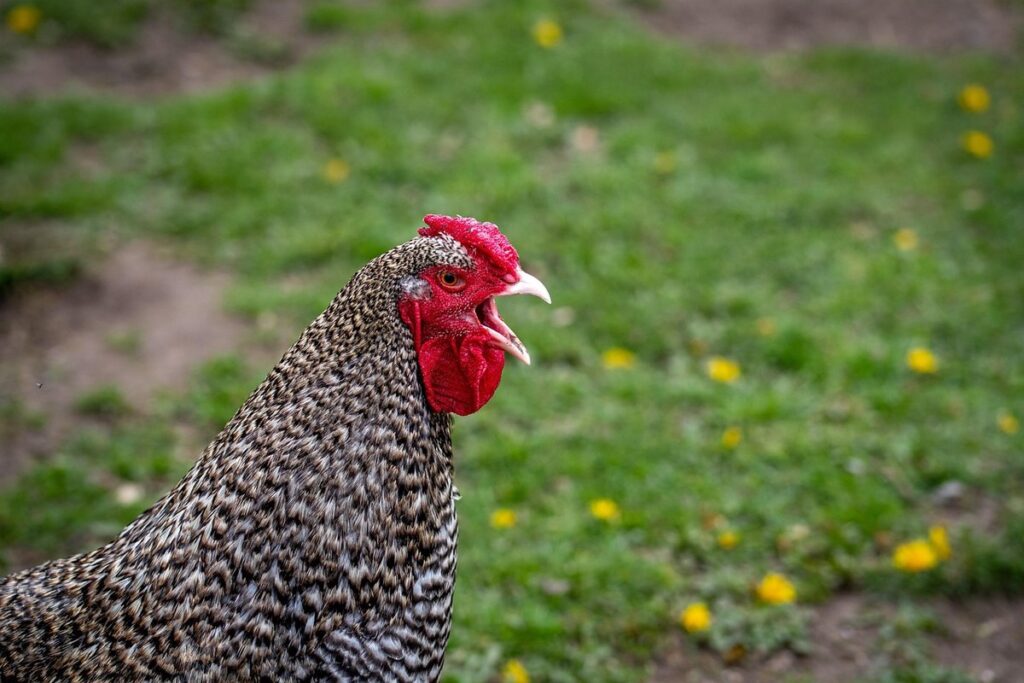
Introduction to Backyard Chickens
So you’re thinking of bringing some feathered friends into your backyard? Let’s start by introducing the basics of keeping chickens, including their needs and benefits.
Why Keep Chickens for Eggs?
Keeping chickens for eggs is a wonderful idea, and it’s not just about collecting fresh produce. For one, having backyard chickens can provide you with an endless supply of nutritious eggs right at your doorstep. No more worrying about the quality or source of your eggs; when you raise them yourself, you know exactly what they’re fed and how they’re treated.
But that’s not all – keeping chickens for eggs also brings a sense of entertainment and joy to your daily routine. Imagine waking up each morning to the sound of happy clucking and watching your girls roam around in their coop, scratching for bugs and snacking on tasty treats. Plus, collecting eggs from your own backyard is a great way to get some exercise and fresh air – it’s a fun activity that you can do with the whole family.
By raising chickens for eggs, you’ll also be able to save money on grocery bills while getting closer to self-sufficiency. With a few simple steps and a little patience, you can start enjoying the many benefits of backyard chicken-keeping and reap the rewards of fresh, healthy eggs right in your own yard!
Essential Considerations Before Bringing Home Your First Chick
Before you bring home your first chickens, it’s essential to consider several key factors to ensure a successful and enjoyable backyard chicken-keeping experience. First and foremost, think about the space available for your flock. Chickens need room to roam, stretch their wings, and exercise, so make sure you have enough square footage to accommodate at least 2-4 square feet per bird inside the coop and 8-10 square feet per bird in the run.
Climate is also crucial when choosing a breed and designing your coop. If you live in an area with extreme temperatures or weather conditions, consider breeds that are more tolerant of heat or cold. For example, if you’re in a hot climate, look for breeds like Leghorns or Rhode Island Reds that excel in warmer temperatures.
Lastly, check with your local government to ensure that backyard chickens are allowed in your neighborhood. Many cities and towns have specific regulations regarding chicken-keeping, so it’s essential to know what you can and cannot do before bringing home your flock.
Breeds Known for Their High Egg Production
If you’re looking for chicken breeds that will give you a bounty of eggs, we’ve got you covered. Let’s dive into some of the most prolific layers out there.
Leghorn Chickens: The Top-Egg Laying Breed
Leghorns are one of the most popular and sought-after chicken breeds for their exceptional egg-laying abilities. These birds have been bred specifically to produce a high volume of eggs, making them an ideal choice for backyard farmers or those looking to supplement their family’s egg needs.
On average, a Leghorn hen can lay up to 300 eggs per year, with some hens producing as many as 320 eggs annually. This is significantly higher than many other breeds, making them a top pick for those who want a reliable source of fresh eggs. To put this into perspective, consider that it’s not uncommon for a Leghorn hen to lay an egg every 24 hours.
While their high egg production is undoubtedly one of the biggest draws of Leghorns, these birds also require some specific care and attention. They need plenty of space to roam and exercise, as well as access to fresh water and a balanced diet rich in protein. Additionally, Leghorns can be prone to health issues if they don’t receive regular veterinary check-ups and are properly cared for.
In terms of size, Leghorns are relatively small birds, reaching weights of around 4-5 pounds on average. Their compact frame makes them ideal for smaller backyards or coops, where space is at a premium. Overall, Leghorns are an excellent choice for anyone looking to boost their egg production and enjoy the rewards of backyard chicken keeping.
Rhode Island Reds: Another High-Producing Favorite
Rhode Island Reds are another top choice for backyard chicken enthusiasts looking to increase their egg production. These birds are a staple in many small farms and homesteads due to their exceptional laying abilities. On average, a healthy Rhode Island Red hen can produce up to 200 eggs per year, with some exceptional layers reaching 220-230 eggs annually.
One of the key factors contributing to their high productivity is their robust health and resilience. Rhode Island Reds are known for being relatively disease-resistant, which means they require fewer medications and less frequent veterinary visits. However, it’s essential to provide them with a balanced diet rich in calcium and protein to support their egg-laying abilities.
When it comes to caring for your Rhode Island Reds, keep in mind that they thrive on regular exercise and social interaction. Make sure to provide them with ample space to roam and engage in activities that stimulate their minds and bodies. With proper care and attention, these remarkable birds will reward you with a steady supply of fresh eggs throughout the year.
Dual-Purpose Breeds for Eggs and Meat
For many backyard chicken enthusiasts, a dual-purpose breed that excels at both egg production and meat quality is ideal. Let’s explore some top breeds that fit this versatile bill.
Plymouth Rock Chickens: A Versatile Choice
Plymouth Rock Chickens have earned their place as a popular choice among backyard chicken enthusiasts. One of the main reasons for this is their impressive versatility. As a dual-purpose breed, they excel both as egg-layers and meat-providers. On average, Plymouth Rocks produce around 200 eggs per year, which may not be the highest output but makes up for it with their friendly, docile nature.
Their moderate egg production means you can expect about an egg a day during peak laying season. However, this breed’s main draw lies in its ability to thrive on smaller plots of land, making them perfect for backyard flocks or small-scale farms. When raised specifically for meat, Plymouth Rocks have a decent growth rate and yield a respectable amount of meat per bird.
If you’re looking to diversify your flock with breeds that can do it all, consider adding some Plymouth Rock chickens to the mix. Their hardiness, ease of management, and adaptable nature make them an excellent choice for both beginners and experienced chicken keepers alike.
Orpingtons: Large, Friendly Birds for Eggs and Meat
Orpingtons are an excellent choice for backyard chicken keepers who want birds that excel as both layers and meat producers. These large, friendly birds are a staple among many homesteaders due to their impressive egg-laying abilities.
On average, Orpington hens will produce around 180 eggs per year, with some individuals reaching up to 200 or more. Their eggs are medium to large in size and have a beautiful brown color. As for meat production, Orpingtons are known for their slow-growing rate, which makes them an ideal choice for families who want to raise chickens for meat.
One of the most significant advantages of raising Orpingtons is their docile nature. They are easy-going birds that get along well with other members of your flock and can even become quite tame around humans. This temperament makes them an excellent choice for families with children or for those who want a stress-free chicken-keeping experience.
When considering adding Orpingtons to your backyard flock, remember that they require regular exercise and plenty of space to roam. With proper care and management, these birds will reward you with years of delicious eggs and meat.
Small-Scale Egg Layers for Backyard Flocks
If you’re looking to bring home a small flock, these low-maintenance breeds are perfect for backyard egg enthusiasts who want plenty of eggs without a lot of fuss. Let’s explore some top picks!
Bantam Chickens: The Perfect Choice for Small Spaces
If you’re looking to add some egg-laying charm to your small backyard, consider introducing bantam chickens into your flock. These tiny titans may be compact in size, but they pack a punch when it comes to producing eggs.
One of the standout benefits of keeping bantams is their moderate egg production. On average, you can expect around 100-150 eggs per year from each bird, which is quite impressive considering their miniature stature. Some popular breeds like the Dutch Bantam and the Japanese Bantam are known to produce a steady supply of eggs throughout the year.
Bantams are ideal for small spaces as they require minimal housing and can thrive in even the smallest backyards. They’re also relatively low-maintenance, making them perfect for busy homeowners or those new to chicken-keeping. Plus, their petite size means you can fit multiple bantams into a single coop, which is great news if you want to diversify your egg-laying flock.
Overall, bantam chickens are an excellent choice for small-space backyard flocks looking to boost their egg production. With their compact size and moderate egg output, they’re the perfect addition to any small-holding or urban homestead.
Silkie Chickens: Gentle, Low-Maintenance Layers
Silkies are an excellent choice for backyard flocks, particularly for those with limited experience or resources. These gentle birds have a unique appearance that sets them apart from other chicken breeds. Their fluffy feathers and adorable “hairdos” make them a favorite among many backyard chicken enthusiasts.
But don’t let their cuteness fool you – Silkies are also surprisingly low-maintenance layers. They produce an average of 120-150 eggs per year, which may not be as prolific as some other breeds, but is still a respectable output for a smaller flock. Plus, they’re relatively quiet and calm, making them a great choice for families or neighbors who value a peaceful atmosphere.
One of the best things about Silkies is their adaptability to small spaces. They don’t require a lot of room to roam, which makes them ideal for urban or suburban backyards with limited space. To keep your Silkies happy and healthy, simply provide them with a balanced diet, fresh water, and regular exercise in a secure enclosure. With proper care, these charming birds will reward you with a steady supply of delicious eggs and endless entertainment.
Factors Affecting Egg Production
When it comes to choosing a top egg-laying breed, understanding what affects their production is crucial. This includes things like genetics, nutrition, and living conditions.
Nutrition and Feed Quality
Providing your chickens with a balanced diet is crucial to supporting optimal egg production. A well-fed flock will not only lay more eggs but also maintain their overall health and well-being. The quality of feed you provide directly impacts the nutritional value of the eggs they produce, so it’s essential to choose a high-quality layer feed that meets their specific needs.
When selecting a feed for your laying hens, look for one that is formulated specifically for layers or breeders. This type of feed will have higher levels of calcium and protein to support strong eggshell production and overall health. A balanced diet should also include essential vitamins and minerals such as vitamin D3, vitamin E, and omega-3 fatty acids.
Consider providing a mix of commercial layer feed and supplemental nutrients like oyster shells or mealworms to ensure your hens are getting everything they need to thrive. For example, if you’re keeping Marans or other breeds known for their dark eggshells, consider adding extra calcium supplements to support this unique characteristic. By prioritizing the nutritional needs of your flock, you’ll be rewarded with a happy and healthy group of egg-laying chickens.
Health Considerations and First Aid
Egg-laying hens are prone to various health issues that can impact their productivity and overall well-being. One common problem is parasites, such as mites and lice, which can weaken the immune system and reduce egg production. Regular cleaning of coops, dusting with diatomaceous earth, and using herbal remedies can help control infestations.
Respiratory problems, including bronchitis and pneumonia, are another concern for backyard flock owners. Cold stress, damp environments, and poor ventilation can exacerbate these issues. Ensure your chicken coop is well-ventilated, provide a dry and draft-free space, and maintain a balanced temperature range to minimize the risk of respiratory problems.
Reproductive disorders, such as egg binding and prolapse, are also potential issues for hens. A diet rich in calcium, adequate nesting boxes, and careful monitoring can help prevent these conditions. Keep an eye out for signs of distress, such as straining or lethargy, and provide prompt veterinary care if you suspect a problem.
Incorporate good hygiene practices, proper ventilation, and a balanced diet into your flock’s management to minimize the risk of health issues affecting egg production.
Tips for Raising Healthy Layers
To get the most out of your egg-laying flock, it’s essential to provide them with a healthy environment and proper care. This includes tips on feeding, breeding, and managing your layers’ health.
Creating an Ideal Environment
Creating an ideal environment for your chickens is essential to promote their overall health and well-being. This includes ensuring a safe, comfortable living space that meets their physical needs. Good ventilation is crucial to prevent the buildup of ammonia fumes from their droppings, which can lead to respiratory issues.
Provide adequate shelter with walls at least 3 feet high to protect them from predators and harsh weather conditions. Consider adding a roof or canopy to shield them from extreme temperatures and precipitation. Install windows or vents for natural light and air circulation. Aim for about 1-2 square feet of space per bird inside the coop, depending on breed size.
To maintain a clean living environment, remove soiled bedding regularly and replace with fresh material like pine shavings or straw. Allocate enough outdoor space for your chickens to roam and exercise freely. A general rule is to provide at least 8-10 square feet of outdoor space per bird. By prioritizing their comfort and safety, you’ll create a happy and healthy environment that fosters optimal egg production.
Regular Health Checks and Maintenance
Regular health checks and maintenance are crucial to ensuring the health and well-being of your flock, especially when it comes to egg-laying breeds. A healthy layer will not only produce more eggs but also reduce the risk of disease and parasite infestations.
To maintain a healthy flock, start by setting up a regular monitoring schedule. Check on your birds at least twice a day, observing for signs of illness or stress such as labored breathing, lethargy, or changes in droppings.
Monitor their living conditions as well, ensuring adequate ventilation, proper temperature control, and access to clean water and feed. Regularly inspect the coop for signs of pest infestations and take action promptly if you notice any issues.
Also, keep an eye on egg production and quality, as a decrease in egg numbers or changes in shell color or texture could indicate a health issue. Keep accurate records of your flock’s health to identify patterns and make informed decisions about care and management.
Conclusion: Choosing the Best Chicken Breed for Your Needs
Now that you’ve learned about the best chicken breeds for eggs, it’s time to choose the perfect fit for your needs and lifestyle. This final section will guide you in making an informed decision.
Recap of Key Points
In conclusion to our discussion on the best chicken breeds for eggs, let’s recap the key points that will help you make an informed decision. For those looking for high egg production, we highlighted the Leghorn and Rhode Island Red as top performers, capable of laying around 300 eggs per year. These breeds are ideal for large-scale commercial operations or for backyard farmers with ample space.
If you’re limited by small spaces, consider the Silkie or the Polish, which are compact in size but still manage to produce a respectable number of eggs. They’re perfect for urban dwellers or those with limited land.
For dual-purpose breeds that excel at both egg production and meat quality, we recommend the Australorp and the Plymouth Rock. These birds offer a great balance between the two needs, making them an excellent choice for many farmers.
Remember to research each breed’s specific needs and characteristics before making a decision. By considering your space constraints, climate, and desired outcomes, you’ll be well on your way to selecting the perfect chicken breed for your egg-laying needs.
Final Thoughts on Raising Happy, Healthy Chickens
As you’ve made it through this comprehensive guide to choosing the best chicken breed for egg-laying, we’re left with a crucial aspect of raising these wonderful birds: creating a happy, thriving backyard flock. It’s essential to remember that chickens are living creatures that require care and attention. By providing a nurturing environment, you’ll be rewarded with fresh eggs and the joy of watching your feathered friends thrive.
First and foremost, ensure your chickens have access to plenty of space to roam and exercise. A minimum of 2-4 square feet per bird is recommended, but if possible, provide even more room for them to stretch their wings and move about. Next, make sure they’re getting a balanced diet that includes fresh fruits and vegetables, along with high-quality commercial feed.
Regular health checks and veterinary care will also be crucial in maintaining the well-being of your flock. Don’t forget to establish a routine for cleaning the coop and runs regularly to prevent disease and parasites from taking hold. By following these simple guidelines, you’ll be well on your way to raising happy, healthy chickens that will provide you with an abundance of fresh eggs for years to come.
Frequently Asked Questions
Can I raise multiple breeds together for a diverse egg-laying flock?
Yes, it’s possible to raise multiple breeds together, but it’s essential to consider their compatibility, temperament, and specific needs. Research the breeds you’re interested in and ensure they’ll thrive together. Make sure to provide enough space, resources, and separate areas for each breed to minimize competition and stress.
How often should I collect eggs from my backyard flock?
Collecting eggs daily or every other day is ideal to maintain a clean coop and encourage your hens to continue laying eggs regularly. Make it a habit to check the nesting boxes at the same time every day, and consider setting up a system for tracking egg production.
What are some common health issues I should monitor in my chicken flock?
Regularly inspect your chickens for signs of illness or injury, such as diarrhea, lethargy, or unusual behavior. Monitor their weight, feather condition, and overall appearance. Consult with a veterinarian experienced in poultry care if you notice any changes or concerns.
How can I ensure a steady supply of fresh water and nutritious feed for my flock?
Provide multiple sources of clean water at all times, changing the water frequently to prevent bacterial growth. Offer high-quality layer feed specifically formulated for your breed’s needs, supplemented with fresh fruits and vegetables as treats. Store feed in a dry area, protected from pests.
Can I integrate young chickens into an existing flock without issues?
When introducing new birds, start by separating them from the established flock and gradually introduce them to each other under close supervision. Monitor behavior, body language, and resource competition to prevent conflicts. Ensure enough space for all birds and provide adequate shelter and perches.