
Are you looking to boost your egg production or simply want to know which chicken breed is right for you? Whether you’re a seasoned farmer or just starting out, having the right egg laying chicken breed can make all the difference. But with so many breeds to choose from, it’s easy to get overwhelmed. That’s why we’ve created this comprehensive guide to help you discover the top egg laying chicken breeds and maximize your egg yields.
In this article, we’ll not only highlight the best breeds for egg production but also delve into the factors that affect their performance. From genetics to nutrition, we’ll cover it all so you can make an informed decision when selecting a breed that meets your needs. With our expert tips and insights, you’ll be well on your way to raising happy and productive chickens that provide you with a steady supply of fresh eggs.
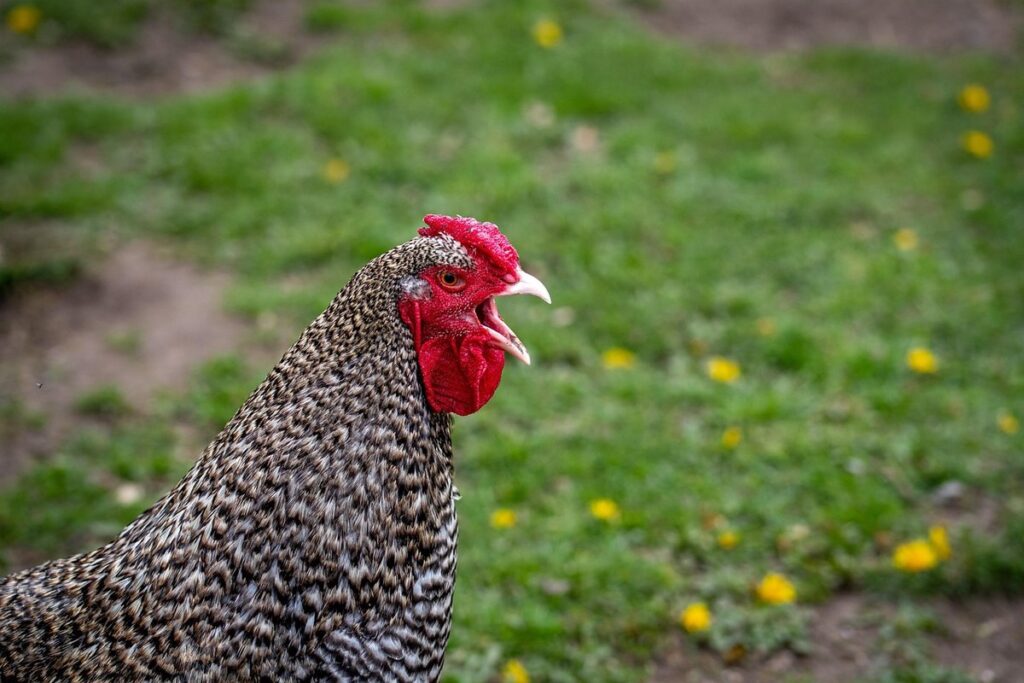
Understanding Egg Production in Chickens
Let’s dive deeper into how egg production works, from hormones and nutrient intake to the factors that affect a chicken’s ability to lay eggs regularly.
Factors Affecting Egg Production
When evaluating egg-laying breeds, it’s essential to consider the factors that influence production. Breed is a significant factor, as different types of chickens have varying capacities for laying eggs. For example, Leghorns are known for their high egg production, while Orpingtons tend to lay fewer eggs.
Age also plays a crucial role in determining egg production. Chickens typically reach their peak production around 18-24 months of age. After this point, their egg-laying capacity gradually declines. Nutrition is another critical factor, as a balanced diet rich in protein and calcium is essential for maintaining healthy egg production. Health issues, such as respiratory problems or parasites, can also impact a chicken’s ability to lay eggs.
To optimize egg production, it’s vital to provide your flock with access to fresh water, nutritious feed, and regular veterinary care. By understanding the interplay between these factors, you can make informed decisions when choosing an egg-laying breed that meets your needs. For instance, if you’re looking for a high-producing breed, a Leghorn may be a good choice. However, if you have limited space or resources, a smaller breed like a Bantam may be more suitable.
Benefits of Choosing a High-Egg-Producing Breed
When it comes to maximizing egg yields, selecting a high-egg-producing breed is crucial for backyard chicken keepers and farmers alike. A high-egg-producing breed can significantly impact overall farm productivity and profitability.
For example, some popular breeds known for their exceptional egg-laying abilities include Leghorns, Rhode Island Reds, and Barred Rocks. These breeds can lay anywhere from 280 to 320 eggs per year, making them ideal for large-scale commercial farms or smaller backyard flocks looking to supplement their family’s dietary needs.
By choosing a high-egg-producing breed, you can expect to see a noticeable increase in egg production within the first year of ownership. This is especially beneficial for farmers who rely on their flock for income, as even a small boost in egg yields can result in significant cost savings and revenue gains. In fact, a study by the University of California found that high-egg-producing breeds can generate up to 30% more revenue per bird compared to lower-producing breeds.
When selecting a breed, consider your specific needs and goals. If you’re looking for a breed that’s easy to manage and requires minimal maintenance, a heritage breed like Orpingtons or Plymouth Rock may be an excellent choice.
Top 10 Egg Laying Chicken Breeds
If you’re looking for high-producing egg layers, here are our top picks among the best breeds that consistently lay plenty of eggs in a single year.
1. Leghorn
The Leghorn breed is one of the most popular and prolific egg layers among backyard chicken keepers. Originating from Italy, this breed was selectively bred for its exceptional laying abilities, with some Leghorns producing up to 300 eggs per year. One of the key advantages of keeping a Leghorn is its high egg production rate, making it an excellent choice for families or small-scale farmers who rely on their flock for fresh eggs.
In terms of temperament, Leghorns are known for being friendly and outgoing, but also quite energetic. They require regular exercise to stay happy and healthy, so be prepared to provide a spacious coop with ample room for movement. On the downside, Leghorns can be prone to flightiness and may attempt to escape if their enclosure is not secure.
To get the most out of your Leghorn, it’s essential to provide a balanced diet rich in protein and calcium to support egg production. You should also ensure they have access to clean water and a nutrient-rich feed supplement. With proper care, a Leghorn can thrive as a productive and entertaining member of your backyard flock.
2. Rhode Island Red
The Rhode Island Red is one of the most popular and iconic egg-laying chicken breeds. Originating from New England in the 1800s, this breed has been a favorite among backyard farmers and commercial growers alike for its impressive egg production and hardiness.
In terms of egg laying capacity, Rhode Island Reds are known to produce an average of 200-220 brown eggs per year, making them one of the top egg-laying breeds. They are also relatively easy to care for, tolerating a range of climates and living conditions with minimal fuss. However, it’s worth noting that they do require regular exercise and space to roam, so be sure to provide your flock with ample room to move around.
When it comes to specific care requirements, Rhode Island Reds are generally considered low-maintenance birds. They are resistant to many common chicken diseases and can thrive on a standard layer feed. However, they do appreciate a varied diet that includes plenty of fresh fruits and vegetables, so be sure to supplement their feed with nutrient-rich treats.
To get the most out of your Rhode Island Red hens, consider the following tips:
* Provide a balanced and nutritious diet that includes fresh fruits, vegetables, and grains
* Ensure access to clean water and shelter from extreme weather conditions
* Offer regular exercise and space for roaming to prevent boredom and stress
By following these guidelines and providing proper care, your Rhode Island Red hens will reward you with plenty of delicious brown eggs for years to come.
Other Notable Egg Laying Chicken Breeds
If you’re looking for even more high-performance egg-layers, here are some other notable breeds that consistently impress with their impressive yields. Let’s take a closer look at these superstars.
Australorp
The Australorp breed is known for its exceptional egg-laying abilities, producing an average of 250-300 brown eggs per year. One of the standout characteristics of this breed is their calm temperament, making them an excellent choice for families with children or for backyard farmers who want a low-maintenance flock.
Australorps are also highly adaptable to different environments, thriving in both hot and cold climates. They require moderate space to move around, but can do well in smaller backyards as long as they have access to fresh air and shade. When it comes to feeding, Australorps are not picky eaters and will thrive on a balanced diet of commercial layer feed.
If you’re considering adding an Australorp to your flock, keep in mind that they are generally quiet birds, which is a plus for those who live in close proximity to their neighbors. Their docile nature also makes them easy to handle, making it simple to collect eggs or perform routine maintenance tasks. With proper care and attention, an Australorp can be a valuable addition to any egg-laying flock.
Sussex
The Sussex breed is another notable egg layer that has been around for centuries. Originating in England, this hardy and docile bird was initially used for its exceptional egg-laying abilities, producing an average of 200-220 brown eggs per year. Its rich history as a workhorse on farms has made it a favorite among chicken keepers seeking reliable layers.
While it may not be as popular as some other breeds, the Sussex is gaining traction among backyard flock enthusiasts due to its gentle nature and adaptability to smaller spaces. However, it’s essential to note that this breed requires regular exercise and mental stimulation to prevent boredom and related health issues.
To maintain optimal health in your Sussex flock, ensure they have access to a balanced diet rich in calcium and protein. Aiming for around 1-2 acres of space per bird is also crucial to allow them to roam freely and engage in natural behaviors like foraging and scratching. Regular health checks and monitoring can help prevent common issues like respiratory problems and stress-related illnesses, making the Sussex an excellent choice for chicken keepers who prioritize egg-laying performance and a robust flock overall.
Hybrid vs Purebred Egg Laying Chicken Breeds
When it comes to choosing the perfect egg laying chicken breed, one important decision is whether to go with a purebred or hybrid variety. Let’s break down the key differences between these two types of breeds.
Understanding the Difference Between Hybrids and Purebreds
When it comes to choosing an egg laying chicken breed, you may have come across the terms “hybrid” and “purebred.” Understanding the difference between these two types is essential for selecting a breed that meets your specific needs.
Hybrid breeds are cross-bred between two purebred lines, often resulting in offspring with superior characteristics such as increased egg production, improved hardiness, and better disease resistance. For example, the popular Leghorn x Rhode Island Red hybrid is known for its high egg-laying capacity and tolerance to heat stress. However, hybrids can lack the consistency of purebreds and may not perform well in certain environmental conditions.
Purebred breeds, on the other hand, are raised from parents of the same breed line and have been selectively bred to emphasize specific traits. They often exhibit strong breed characteristics such as distinct plumage patterns or high egg production. Purebreds can be more expensive and less adaptable than hybrids, but they provide a level of predictability that may be beneficial for small-scale commercial operations.
When choosing between hybrid and purebred breeds, consider your specific needs and goals. If you’re looking for a high-yielding breed with improved hardiness, a hybrid might be the better choice. However, if you prioritize consistency and breed-specific characteristics, a purebred could be the way to go.
Choosing Between Hybrid and Purebred Breeds
When it comes to choosing between hybrid and purebred breeds for your backyard flock, there are several factors to consider. Available space is a key consideration – if you have limited room to devote to your chickens, a compact hybrid breed like the Rhode Island Red Rock or the Golden Comet may be a better fit.
On the other hand, if you have more space to work with and want high-performing birds that will lay consistently, a purebred breed like the Leghorn or the Orpington might be the way to go. Consider your desired level of care – some breeds require regular grooming, while others are low-maintenance.
Another important factor is specific egg production requirements. If you need chickens that will lay large numbers of eggs on a regular basis, a purebred breed like the Leghorn or the Barred Plymouth Rock might be a good choice. However, if you’re looking for birds that will provide a steady supply of smaller eggs, a hybrid breed like the Australorp or the Sussex may be more suitable.
Ultimately, it’s essential to research and understand your individual needs before making a decision – this will help ensure that your flock thrives and meets your expectations.
Caring for Your Egg Laying Chickens
Now that you’ve chosen your egg laying breed, it’s time to learn how to care for them properly, ensuring they stay happy and healthy throughout their lives. Here are some essential tips to get you started.
Nutrition and Health Considerations
When it comes to maintaining healthy egg laying chickens, nutrition is one of the most critical aspects. A balanced diet rich in protein, calcium, and essential vitamins will ensure that your flock stays healthy and productive. As a general rule, lay hens require about 16-18% protein in their feed, which can come from sources like insects, fish meal, or soybean meal.
In addition to proper nutrition, it’s also essential to consider vaccination schedules for your flock. Consult with a veterinarian to determine the best vaccination plan for your specific region and breed. For example, Marek’s disease is a common concern in many areas, so vaccinating your hens against this virus can help prevent outbreaks.
Another crucial aspect of maintaining healthy chickens is preventing diseases. This includes regular cleaning of coops and runs, providing adequate ventilation, and ensuring that water sources are clean and accessible. It also involves monitoring your flock’s health closely for signs of illness or stress, such as changes in droppings, appetite, or behavior. By following these guidelines and consulting with experts when needed, you can keep your egg laying chickens thriving and healthy.
Housing and Living Conditions
When it comes to egg laying chickens, creating an optimal living environment is crucial for their well-being and productivity. First and foremost, ensure that each chicken has enough space to roam comfortably. A general rule of thumb is to provide at least 2-3 square feet per bird inside the coop, with additional outdoor space for exercise. This will help prevent stress and related health issues.
Keep in mind that cleanliness is also vital for your flock’s health. Regularly clean out manure and debris from the coop, and ensure good ventilation to prevent ammonia buildup. A simple yet effective approach is to use a 1:10 ratio of pine shavings to manure when cleaning out the coop.
Sunlight access is another essential aspect to consider. Provide windows or other openings for natural light to filter in, which will also help maintain a healthy temperature range within the coop.
Conclusion: Selecting the Right Egg Laying Chicken Breed
Now that you’ve explored the top egg laying chicken breeds, it’s time to make an informed decision on which breed is right for your backyard flock. Let’s summarize key considerations to keep in mind.
Recap of Key Points
When selecting an egg laying chicken breed, it’s essential to remember that no single breed is ideal for every farm or backyard flock. As we’ve explored throughout this comprehensive guide, various breeds excel in different areas, from high egg production to hardiness and temperament.
Consideration of climate, available space, and personal preferences are critical factors in making an informed decision. If you live in a cold climate, breeds like the Polish or Leghorn may not be the best choice due to their sensitivity to extreme temperatures. On the other hand, if you have limited space, a compact breed such as the Bantam or Polish might be more suitable.
It’s also crucial to think about your dietary needs and preferences. If you’re looking for eggs with specific characteristics, such as darker yolks or stronger flavor, certain breeds like the Marans or Araucana may be a better fit. Remember to research the breed’s egg production rate, as some birds may not meet your expectations.
Tips for Future Success
As you embark on this egg-laying journey with your chosen breed, it’s essential to remember that success is not a one-time achievement but rather an ongoing process. Continuous learning and adaptation are key to ensuring the long-term health and productivity of your flock.
Start by monitoring their health closely, keeping an eye out for signs of illness or stress. Regular check-ups with a veterinarian will help you identify potential issues early on, allowing for swift intervention and treatment if needed. Make sure to adjust your care strategies as necessary, taking into account factors such as climate, feed quality, and parasite management.
Consider joining online communities or forums dedicated to backyard chicken keeping, where you can share knowledge, ask questions, and learn from fellow enthusiasts. This will not only provide valuable insights but also help you stay up-to-date with the latest best practices in egg-laying chicken care. By embracing a culture of continuous learning and improvement, you’ll be well on your way to achieving success with your chosen breed.
Frequently Asked Questions
What’s the ideal age for a chicken to start laying eggs regularly?
The ideal age for a chicken to start laying eggs regularly depends on the breed, but most egg-laying breeds will begin producing eggs at around 18-20 weeks. Some breeds, like Leghorns, may start as early as 16 weeks, while others, like Orpingtons, may not reach full production until 24 weeks.
Can I mix and match different chicken breeds to improve egg production?
While you can crossbreed chickens to create a hybrid, it’s essential to note that the resulting offspring may not inherit the best traits from both parents. Additionally, hybrids often lose their purebred characteristics over time. If you’re looking for high egg production, consider sticking with established breeds known for their performance.
How do I determine if my chicken is getting enough nutrients for optimal egg production?
A well-balanced diet that includes a mix of protein, calcium, and other essential vitamins and minerals is crucial for maintaining healthy egg-laying hens. Consider consulting with a veterinarian or poultry expert to ensure you’re providing the best possible nutrition for your flock.
What are some common health issues in egg laying chickens, and how can I prevent them?
Common health issues in egg laying chickens include respiratory problems, parasites, and nutritional deficiencies. Regular vaccinations, proper ventilation, and a clean living environment can help prevent these issues. Additionally, ensuring access to fresh water and a balanced diet will also contribute to maintaining the overall health of your flock.
Can I raise chickens for eggs on a small urban property?
Yes! Even with limited space, you can still raise chickens for eggs in an urban setting. Consider investing in a compact coop or using vertical space to maximize your chicken’s living area. With proper care and attention, even a few hens can thrive in a small urban environment.