
If you’re considering starting a backyard flock or looking to boost your current hen house’s productivity, you’re probably wondering which egg-laying chicken breeds are worth investing in. With so many varieties to choose from, it can be overwhelming to decide on just a few. But don’t worry, we’ve got you covered! In this article, we’ll take a closer look at the most popular egg-laying chicken breeds, including their unique characteristics, impressive egg production rates, and expert tips for raising them successfully. We’ll delve into the world of top performers like Leghorns, Plymouth Rocks, and more, so you can make an informed decision about which hens will thrive in your backyard or small farm. Whether you’re a seasoned chicken keeper or just starting out, this guide is designed to help you get the most from your flock.
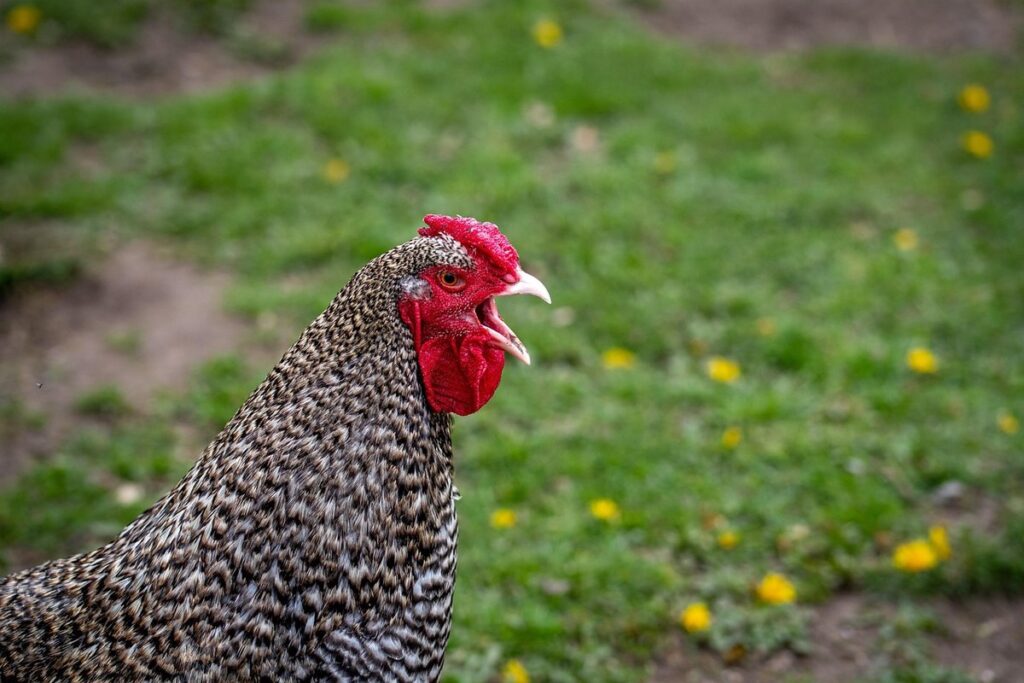
Characteristics of High-Egg-Producing Breeds
Let’s take a closer look at some of the most notable characteristics that set high-egg-producing breeds apart from others. These distinct traits can significantly impact their egg-laying abilities and overall health.
Importance of Egg Production in Backyard Flocks
When it comes to backyard chicken keeping, egg production is a top priority for many flock owners. Whether you’re raising chickens for personal consumption, selling eggs at the local market, or showcasing their prowess in competitions, these feathered friends are an excellent source of fresh protein and entertainment.
One of the main reasons backyard chicken keepers prioritize egg production is for personal consumption. There’s nothing quite like collecting a basket full of fresh eggs from your own coop! Not only do homegrown eggs taste better than store-bought, but they’re also a great way to reduce your carbon footprint and support sustainable living. Many flock owners also find that raising chickens provides a sense of fulfillment and connection to nature.
Another reason egg production is important is for selling eggs at the local market or through a community-supported agriculture (CSA) program. With the rise of farm-to-table eating, there’s a growing demand for fresh, locally sourced produce – including eggs! By raising high-egg-producing breeds like Leghorns, Rhode Island Reds, and Barred Rocks, you can capitalize on this trend and earn some extra income.
For those who enjoy showing their chickens in competitions, egg production is also an essential aspect to consider. Whether it’s the number of eggs laid per week or the overall health and appearance of your birds, these factors all contribute to a flock’s overall score. By choosing breeds known for their high egg-laying abilities, you can give yourself a competitive edge and show off your prized hens with confidence.
Factors Affecting Egg Production in Chickens
When it comes to egg production, you want to ensure that your high-egg-producing breed is thriving. Genetics play a significant role, as certain breeds are naturally more prolific layers than others. Nutrition also has a substantial impact, with a balanced diet rich in protein and calcium essential for optimal egg production.
A chicken’s health is another crucial factor; stress, disease, and parasites can all negatively affect egg laying. Providing regular vaccinations, maintaining clean living conditions, and ensuring access to fresh water are vital.
Environmental conditions, such as light exposure, temperature, and space, also influence egg production. Ensure your flock has adequate ventilation, shelter from extreme temperatures, and sufficient room to roam.
To maximize egg production, consider the following tips:
• Feed a high-quality layer feed that meets the nutritional needs of your breed.
• Provide access to oyster shells or crushed eggshells as a calcium supplement.
• Monitor your flock’s health closely, addressing any issues promptly.
• Offer plenty of fresh water and maintain clean living conditions.
• Consider using artificial lighting during winter months to extend daylight hours.
Top 5 Most Popular Egg Laying Chicken Breeds
Let’s dive into the top 5 most popular egg laying chicken breeds that are perfect for backyard flocks and commercial farmers alike. These breeds consistently deliver high-quality eggs in large quantities.
1. Leghorn Breed Characteristics
The Leghorn breed has been a popular choice for egg producers and backyard chicken keepers alike for centuries. Originating from Italy in the 16th century, this hardy bird was bred specifically for its impressive egg-laying capabilities. As one of the top five most popular egg-laying breeds, the Leghorn’s reputation for producing an average of 280-300 large white eggs per year is well-deserved.
When it comes to temperament, Leghorns are known for being friendly and outgoing, making them a great addition to any flock. However, they can be quite flighty and require regular exercise to prevent boredom and stress. With proper care and attention, Leghorns can thrive in a variety of living situations, from backyard coops to commercial egg farms.
In terms of egg-laying capabilities, the Leghorn is one of the most prolific breeds available. Their large white eggs are not only plentiful but also rich in nutrients, making them an excellent choice for families and small-scale farmers looking to produce high-quality eggs. With proper management and care, a single Leghorn hen can produce up to 5-6 eggs per week, making them an ideal choice for those looking to start or expand their egg-laying flock.
2. Plymouth Rock Breed Overview
The Plymouth Rock breed is one of the most beloved and popular egg-laying chicken breeds among backyard farmers and enthusiasts. Known for their friendly and docile nature, Plymouth Rocks are an excellent choice for families with children or for those who want a low-maintenance pet. Not only do they make great pets, but they’re also prolific layers, producing an average of 200-220 brown eggs per year.
One of the standout features of Plymouth Rock hens is their high egg production, making them ideal for households that rely on their flock for a steady supply of fresh eggs. In fact, a study conducted by the American Livestock Breeds Conservancy found that Plymouth Rocks are one of the top three most productive breeds in terms of egg-laying capacity.
Plymouth Rock roosters, on the other hand, are known for their impressive size and gentle demeanor, making them an excellent choice for breeders or for those who want to add a unique touch to their flock. With proper care and attention, Plymouth Rocks can thrive in a variety of living situations, from small backyards to larger farms.
If you’re considering adding Plymouth Rock chickens to your flock, be sure to look for birds with bright, alert eyes and a robust build. With their friendly nature and impressive egg-laying abilities, it’s no wonder why the Plymouth Rock breed remains one of the most popular choices among chicken enthusiasts.
Breeds for Small Backyard Flocks
If you’re looking to start a small backyard flock, there are several breeds that thrive in compact spaces and produce plenty of delicious eggs. Let’s take a closer look at some popular options!
1. Silkie Breed Characteristics
The Silkie breed is one of the most recognizable and beloved chicken breeds due to its unique characteristics. One of the most distinctive features of Silkies is their soft, fluffy feathers that resemble those of a duck. These feathers are so soft that they require regular grooming to prevent matting and tangling. In addition to their stunning appearance, Silkies also possess a gentle temperament, making them an excellent choice for families with children or for those who want a low-maintenance pet.
Silkies are not as prolific egg layers as some other breeds, but they still manage to produce around 120-140 eggs per year. Their small size and gentle nature make them ideal for small backyard flocks where space is limited. If you’re considering adding Silkies to your flock, be sure to provide them with a large enough enclosure to accommodate their unique feathering needs. With proper care and attention, Silkies can thrive in a variety of environments and make wonderful additions to any flock.
Their gentle nature also makes them an excellent choice for those new to chicken keeping or for families with small children.
2. Polish Breed Overview
The Polish breed is a beloved addition to many backyard flocks due to its unique appearance and impressive egg-laying abilities. One of the most distinctive features of this breed is their crested heads, which can be quite striking. While some people may find these crests to be a bit too elaborate for everyday farming life, they do add to the Polish’s charm.
In terms of egg production, Polishes are known to be prolific layers, producing around 200 large brown eggs per year. This is a significant advantage for backyard farmers who want to maximize their returns without taking up too much space.
If you’re considering adding Polishes to your flock, keep in mind that they do require some extra care due to their delicate crests and high-strung nature. They can be prone to respiratory issues if the air isn’t circulated properly, so it’s essential to ensure good ventilation in your coop. Despite this, Polishes are generally considered easy-going and make great additions to any flock.
When choosing a Polish rooster for breeding purposes, look for one with a well-defined crest and sturdy build. This will help you breed chickens that retain the breed’s characteristic features.
Breeds with Distinctive Appearance
If you’re looking for chicken breeds that stand out from the rest, you’ll love these unique birds that boast striking feathers and fascinating features. Let’s explore some of our favorites!
1. Araucana Breed Characteristics
The Araucana breed is one of the most distinctive and sought-after chicken breeds among backyard farmers and egg enthusiasts. Originating from Chile, this bird’s unique characteristics make it a standout among other popular egg-laying breeds. One of the most notable features of the Araucana is its ability to lay blue eggs. This is due to a genetic trait that causes the yolks to produce a pigment called porphyrin, which gives the eggs their distinctive blue color.
But the Araucana’s charm doesn’t stop there. These birds also have a number of physical characteristics that set them apart from other breeds. They typically weigh between 6-8 pounds and have a compact, muscular build. Their plumage is often ruffled or frizzy, with a range of colors including black, blue, silver, and white.
If you’re considering adding an Araucana to your flock, be aware that they can be a bit more high-maintenance than other breeds. They require regular grooming to keep their feathers from becoming matted and tangled, and may be more prone to certain health issues due to their unique genetic makeup. However, for many enthusiasts, the rewards of owning an Araucana far outweigh the challenges – after all, there’s nothing quite like collecting blue eggs from your own backyard!
2. Ameraucana Breed Overview
The Ameraucana breed is a popular choice among backyard chicken enthusiasts for its striking appearance and impressive egg-laying abilities. Originating from South America, this hardy breed has adapted well to various climates and environments, making it an excellent option for beginners or experienced farmers alike.
One of the key strengths of the Ameraucana breed is its high egg production. On average, a mature Ameraucana hen will lay around 200-220 large, blue eggs per year, with some individuals producing up to 300 eggs annually. This impressive yield makes them an excellent choice for those seeking a reliable and efficient egg-laying solution.
Ameraucanas are also renowned for their striking appearance, featuring unique characteristics such as slate-blue feathers, dark eyes, and a pea comb. Their distinctive look adds a touch of charm to any backyard flock, making them a popular choice among breeders and enthusiasts alike.
In terms of maintenance, Ameraucanas are relatively low-maintenance birds that require minimal attention. They are well-suited for free-range or pastured environments, where they can roam freely and engage in natural behaviors. With proper care and nutrition, an Ameraucana hen will thrive and provide a steady supply of fresh eggs for years to come.
In fact, many backyard chicken enthusiasts have reported successful experiences with the Ameraucana breed, praising their high egg production, hardiness, and striking appearance. If you’re looking to add some new feathered friends to your flock or want a reliable source of fresh eggs, the Ameraucana is definitely worth considering.
Breeds for Harsh Climates
If you live in a region with extreme temperatures, don’t worry, we’ve got you covered with our top picks for egg-laying breeds that thrive in harsh climates. They’re resilient and prolific!
1. Orpington Breed Characteristics
The Orpington breed is one of the most beloved and popular egg-laying chicken breeds worldwide. Originating from England in the late 19th century, this gentle giant was developed by William Cook to create a dual-purpose bird that excelled both as an egg-layer and meat producer. Today, Orpingtons are renowned for their exceptional cold-hardiness, making them an excellent choice for harsh climates.
One of the key characteristics of Orpingtons is their ability to thrive in sub-zero temperatures. Their thick feathering and compact body help retain heat, allowing them to withstand temperatures as low as -20°F (-29°C). This makes them an ideal breed for backyard chicken keepers living in areas with extreme winters. Additionally, Orpingtons are known for their docile nature, making them a great choice for families or those new to raising chickens.
In terms of egg production, Orpington hens typically lay around 200-220 brown eggs per year, which is relatively high compared to some other breeds.
2. Marans Breed Overview
The Marans breed is a popular choice for backyard flock owners due to its unique characteristics and hardiness. One of the standout features of this breed is its dark eggs, which range in color from chocolate brown to espresso. This is because of the breed’s genetic makeup, which produces more melanin in the eggshell, resulting in a darker hue.
Marans are known for their cold hardiness, making them an ideal choice for owners living in areas with harsh winters. They can withstand temperatures as low as -20°F (-29°C) and continue to lay eggs throughout the winter months. In addition to their hardiness, Marans are also relatively low-maintenance when it comes to feed and care.
If you’re considering adding a Marans to your flock, be aware that they can be a bit more broody than some other breeds. This means they may have a tendency to sit on eggs for extended periods of time, which can be beneficial if you’re looking to hatch chicks naturally. However, it also requires careful management to ensure the hen doesn’t become too focused on incubation.
Marans are also relatively quiet and laid-back compared to some other breeds, making them a great choice for urban or suburban areas.
Tips for Raising High-Egg-Producing Breeds
When it comes to raising high-egg-producing breeds, knowing their specific needs and habits can make a big difference in their performance. Here are some essential tips for getting the most out of your flock.
Nutrition and Health Considerations
When it comes to raising high-egg-producing breeds, nutrition and health care play crucial roles. A well-balanced diet is essential for maintaining optimal egg production, and ensuring the flock’s overall health can have a significant impact on productivity.
Proper nutrition starts with providing a balanced feed that meets your chickens’ nutritional needs. This typically includes a mix of protein sources such as soybeans or corn, supplemented with calcium to support strong eggshell production. It’s also essential to ensure access to clean water at all times.
In addition to dietary needs, regular health checks and parasite control can greatly impact egg production. Maintaining a healthy flock through vaccinations and routine check-ups will help prevent illness, which can be detrimental to overall productivity. Keep in mind that even with proper care, some breeds may still have genetic predispositions towards certain health issues.
To optimize egg production through nutrition and health care, make sure to:
* Regularly inspect feed for quality and consistency
* Maintain a clean coop environment
* Schedule regular vaccinations and health checks with a veterinarian
* Monitor your flock’s overall health, reporting any signs of illness or stress
Management Strategies for Optimal Egg Production
When it comes to raising high-egg-producing breeds, proper management of your backyard flock is crucial. A well-designed coop and optimal feeding strategies can significantly impact egg production. For instance, a study found that hens laying 300 eggs per year require around 1/4 pound of protein daily.
To design an optimal coop for your girls, consider factors such as ventilation, lighting, and nesting box size. Ensure there’s enough space for all birds to roam comfortably, about four square feet per bird indoors. Adequate light exposure also plays a significant role in egg production; natural light from windows or skylights can significantly boost egg numbers.
Proper feeding is another critical aspect of maximizing egg production. Provide your flock with a balanced layer feed containing the necessary nutrients for optimal performance. Supplement with fruits and vegetables to offer essential vitamins and minerals, but avoid overfeeding, which can lead to weight gain and reduced egg-laying capabilities.
Regular health checks and vaccinations will also contribute to maintaining high egg production levels in your backyard flock. By implementing these management strategies, you’ll be well on your way to maximizing the potential of your high-egg-producing breeds.
Conclusion
In conclusion, selecting the right egg-laying chicken breed can be a daunting task, especially for beginners. But, by considering your specific needs and preferences, you can choose a breed that fits perfectly into your backyard flock. Remember, these popular breeds are chosen for their reliability and high egg production, but it’s essential to provide them with proper care and attention to ensure they thrive. Don’t be afraid to research and ask questions; every reputable breeder or poultry supplier will have valuable advice to share. By doing so, you’ll not only increase your chances of success but also enjoy the rewarding experience of raising healthy and happy chickens that provide you with a steady supply of fresh eggs.
Frequently Asked Questions
What are the ideal living conditions for high-egg-producing breeds to thrive?
High-egg-producing breeds require a balanced diet, sufficient space (about 3-4 square feet per bird), fresh water, and adequate shelter from extreme temperatures. They also need regular exercise and social interaction with other hens. Ensuring these basic needs are met will significantly impact their egg-laying abilities.
Can I mix high-egg-producing breeds with non-egg-laying breeds in my backyard flock?
While it’s possible to mix different chicken breeds, it’s essential to consider compatibility and potential conflicts. High-egg-producing breeds tend to be more assertive and dominant, which may lead to stress and competition for resources among less aggressive breeds. Research breed characteristics and personality traits before introducing new birds to your flock.
How often should I collect eggs from my backyard chicken coop?
Regular egg collection is crucial to maintaining a healthy environment and promoting continued production in your hens. Collect eggs daily or every other day, as leaving them exposed to bacteria and pests can lead to contamination and spoilage. This habit also helps monitor fertility rates and detect any potential health issues.
What are some common health issues I should watch out for in high-egg-producing breeds?
Regular monitoring and maintenance can help prevent common health problems like respiratory infections, mites, lice, and parasites. Ensure your hens receive a balanced diet rich in essential nutrients, keep their living area clean, and provide regular veterinary check-ups to maintain optimal health.
Can I use my backyard flock’s eggs for baking and other high-heat applications?
High-egg-producing breeds often produce eggs with thicker, more durable shells that are suitable for baking and cooking. However, it’s crucial to consider factors like egg size, breed-specific characteristics, and storage conditions before using your flock’s eggs in recipes or heat-treated products. Consult a veterinarian or experienced poultry expert for guidance on handling and preparing eggs from your backyard flock.