
Are you looking to start or expand your backyard flock with chickens that deliver the goods when it comes to eggs? White egg laying chicken breeds are a popular choice among backyard chicken keepers, and for good reason. Not only do they produce an abundance of white eggs, but many varieties also boast friendly temperaments and impressive egg-laying abilities.
In this article, we’ll take a closer look at some of the best white egg laying chicken breeds, including the classic Leghorn, charming Polish, and energetic Ancona. We’ll delve into their unique characteristics, explore their temperament, and discuss health considerations to help you make informed decisions for your flock. Whether you’re a seasoned chicken keeper or just starting out, this guide will provide valuable insights to help you choose the perfect white egg laying breed for your needs.
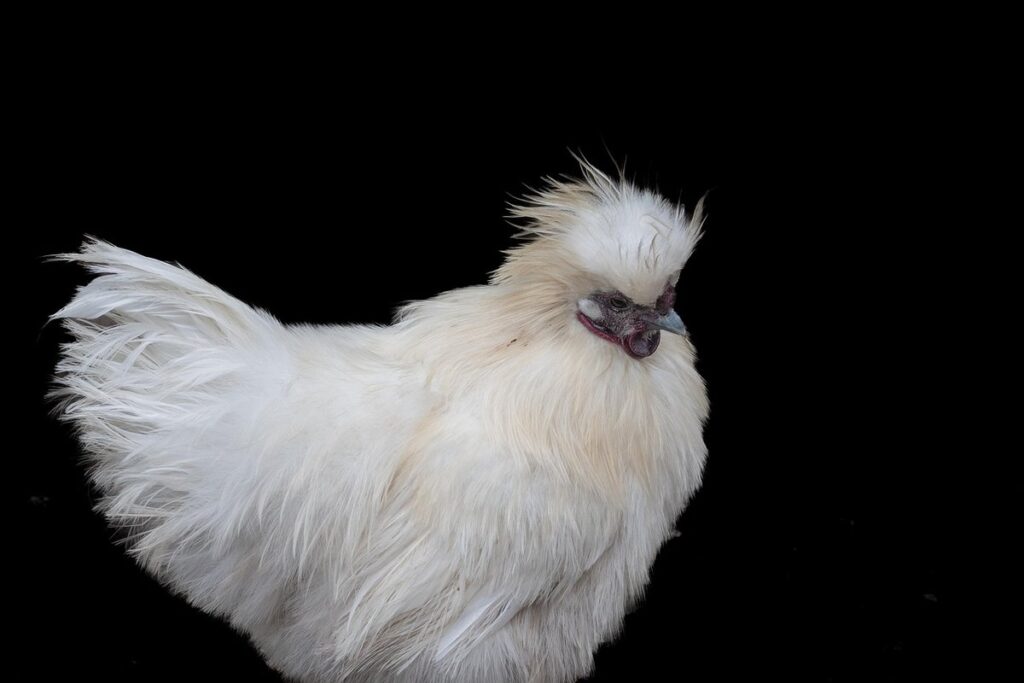
Introduction to White Egg Layers
Let’s start by diving into the wonderful world of white egg laying breeds, where we’ll introduce you to some popular and unique varieties. You’ll learn the characteristics that make them great egg producers.
History of White Egg Layers
The history of white egg laying breeds dates back to the early 20th century when poultry enthusiasts and breeders began selecting chickens for their unique characteristics. At that time, many farmers focused on developing breeds with high egg production rates. In Europe, particularly in England, breeders like Sir George Downing and Captain W.B. Tegetmeier experimented with different combinations of chicken breeds to create the perfect white egg layer.
Their efforts led to the development of the Leghorn breed, one of the most popular white egg layers today. Originating from Italy, the Leghorn’s ancestors were brought back to England by Captain Tegetmeier in 1865. The breed was subsequently refined over several decades through selective breeding, resulting in a hardy and prolific layer with a high-yielding capacity.
By the mid-20th century, white egg laying breeds had become increasingly popular among backyard farmers due to their relatively low maintenance requirements and ability to thrive in various climates. Today, these breeds continue to be highly prized for their efficiency and productivity.
Importance of Choosing the Right Breed
Choosing the right breed of chicken is crucial for backyard keepers, as it directly impacts the overall experience and success of raising chickens. When selecting a white egg laying breed, consider three primary factors: egg production, temperament, and climate adaptability.
Egg production is perhaps the most significant concern for many backyard keepers. White egg layers like Leghorns or Polish can produce an astonishing 300-320 large eggs per year, making them ideal for families who consume a lot of eggs or plan to sell them at a local market. On the other hand, breeds like Brahma or Orpington may lay fewer eggs but are more inclined to share their bounty and become devoted family pets.
Temperament is equally vital when choosing a breed. Some white egg layers, such as Easter Eggers, can be quite feisty and demanding of attention, while others like Australorps are known for their docile nature and adaptability to a variety of environments.
When considering climate adaptability, choose breeds that thrive in your region’s temperature range. Leghorns and other Mediterranean breeds prefer warmer climates, while breeds like Sussex or Campine can tolerate colder temperatures.
Top 10 White Egg Laying Chicken Breeds
If you’re looking for a reliable source of fresh eggs, look no further than these top-performing white egg laying chicken breeds that will impress even seasoned farmers!
1. Leghorn
The Leghorn is one of the most popular white egg laying chicken breeds, and for good reason. Originating from Italy, this breed has been a staple on many farms for its impressive egg production capabilities.
Leghorns are known to lay an average of 280-300 large white eggs per year, making them an excellent choice for commercial farms and backyard enthusiasts alike. They have a relatively fast growth rate, reaching maturity in just 16-18 weeks, which allows for multiple harvests throughout the year.
In terms of hardiness, Leghorns are relatively robust birds that can thrive in various climates and living conditions. However, they do require regular exercise to maintain their health and prevent stress-related issues.
To get the most out of your Leghorn flock, it’s essential to provide a balanced diet rich in protein and calcium, as well as adequate space for movement and exercise. With proper care, you can expect your Leghorns to live up to 5-7 years or more, making them a long-term investment for any poultry enthusiast.
2. Polish
The Polish breed is another excellent choice for backyard chicken keepers looking to collect white eggs. One of the standout features of this breed is their incredible egg-laying abilities, with hens producing around 200-220 large brown eggs per year. This makes them a fantastic addition to any flock.
Not only are they prolific layers, but Polish chickens are also known for their friendly and docile nature. They make great pets and are often described as gentle giants due to their unique appearance and calm demeanor. One notable feature of the Polish breed is their crest – a beautiful feathered topknot that adds to their charm.
When it comes to raising Polish chickens, it’s essential to provide them with plenty of space to roam and exercise. They require regular dust baths to keep their feathers in good condition, so make sure you have access to a well-ventilated area for your girls. With proper care and attention, the Polish breed is an excellent choice for anyone looking to add some white eggs to their collection.
3. Ancona
The Ancona breed is an excellent choice for backyard chicken keepers looking to add some white egg-laying goodness to their flock. This Italian breed has been around since the 19th century and has gained popularity worldwide due to its impressive characteristics.
One of the standout features of the Ancona is its high egg production. Hens can lay up to 280 brown or white eggs per year, making them an excellent choice for families who rely on their eggs as a primary source of protein. This high production rate also means you’ll need to ensure they have access to a balanced diet and plenty of fresh water to maintain their health.
In terms of size, the Ancona is a medium-sized breed, weighing around 4-5 kg (9-11 lbs). They are relatively easy to manage, requiring regular cleaning of their coop and run. However, their good forager skills mean they can thrive in free-range or pasture-raised environments, making them an excellent choice for those with plenty of space to roam.
If you’re looking to introduce the Ancona breed to your flock, be prepared for their friendly and outgoing personalities. They are social birds that enjoy human interaction, so expect them to become fast friends with your family members.
Characteristics of White Egg Laying Breeds
When it comes to choosing the perfect breed for your backyard flock, understanding their unique characteristics is key. Let’s dive into the distinct traits that define each white egg laying breed.
Egg Production Expectations
When it comes to egg production expectations from white egg laying breeds, several factors come into play. The breed type itself is a significant influencer, with some varieties known for their exceptional egg-laying capabilities while others may fall short.
For example, the Leghorn breed can lay up to 300 eggs per year, making them one of the most prolific layers among white egg laying breeds. In contrast, other breeds like the Polish or Hamburg may average around 200-220 eggs annually.
Nutrition also plays a critical role in determining your flock’s overall egg production. A balanced diet rich in protein, calcium, and other essential nutrients is vital for maintaining optimal health and productivity. Providing supplements such as oyster shells can help support strong bone development and encourage continued egg-laying.
However, even with proper nutrition, health issues can impact your flock’s ability to produce eggs at their full potential. Regular check-ups with a veterinarian and practicing good flock management techniques can go a long way in preventing common health problems that may affect egg production.
Temperament and Socialization
When it comes to choosing the right white egg laying breed for your backyard flock, temperament and socialization are crucial considerations. Each breed has its unique personality traits, which can greatly impact their interaction with humans and other birds.
Some popular white egg laying breeds, such as Leghorns, can be quite feisty and may not tolerate being handled. In contrast, breeds like Polish are known for being friendly and docile, making them an excellent choice for families with children or first-time chicken keepers.
However, even the friendliest breeds can develop aggression or fearfulness if not socialized properly. For example, a lack of exposure to new environments, people, or other animals can lead to anxiety in birds like Silkie Bantams. To avoid these issues, it’s essential to introduce your chicks to various stimuli from an early age and continue to provide them with regular social interaction as they grow.
Providing adequate space, proper nutrition, and stress-free living conditions are also vital for maintaining a harmonious flock. By understanding the unique temperament needs of each breed and taking steps to promote socialization, you can create a happy and thriving backyard chicken flock.
Health Considerations for White Egg Layers
When raising white egg layers, it’s essential to be aware of potential health issues that can arise due to breed-specific traits and environmental factors. Regular monitoring and preventative care can help keep your flock thriving.
Common Health Issues
As you care for your white egg laying hens, it’s essential to be aware of common health issues that can affect these breeds. Respiratory problems are a significant concern, particularly during extreme weather conditions. Prolonged exposure to heat or cold stress can lead to conditions such as bronchitis and pneumonia. Keep an eye out for signs like labored breathing, wheezing, and lethargy.
Parasites are another common issue in backyard flocks. Mites, lice, and internal parasites like worms can cause discomfort and impact egg production. Regular checks of your birds’ droppings, feathers, and overall behavior will help you detect any potential issues early on. You can use safe and effective treatments to control parasite populations.
Reproductive issues are also prevalent in white egg laying hens. Problems with molting, fertility, or egg-laying cycles can be caused by factors such as nutrition, stress, or genetics. Ensure your birds have access to a balanced diet and a clean, safe living environment. Monitor their behavior closely during breeding seasons to catch any reproductive issues before they become serious problems.
Tips for Maintaining Flock Health
Maintaining a healthy flock of white egg layers is crucial for optimal egg production and overall well-being. Vaccination strategies play a vital role in disease prevention. Consult with a veterinarian to determine the best vaccination program for your specific breed and climate. Ensure all birds are up-to-date on core vaccinations, such as Newcastle Disease and Infectious Bronchitis.
A balanced diet is essential for maintaining flock health. Provide high-quality layer feed that meets or exceeds nutritional requirements. Supplement with calcium-rich foods, like oyster shells, to support strong eggshell production. Fresh water should always be available, and consider using a water filter system to prevent bacterial contamination.
Biosecurity measures are critical in preventing disease outbreaks. Implement good hygiene practices, such as regular cleaning of coops and runs, proper waste disposal, and limited access to visitors. Monitor your flock regularly for signs of illness, quarantine affected birds, and seek veterinary attention promptly if you suspect a problem.
Feeding and Nutrition for White Egg Layers
When it comes to feeding your white egg layer, proper nutrition is key to optimal health and egg production. A well-balanced diet can make all the difference in their overall performance.
Nutritional Requirements
When it comes to feeding and nutrition for white egg laying breeds, understanding their nutritional requirements is crucial for optimal health and productivity. White egg layers require a balanced diet rich in protein, calcium, and essential vitamins and minerals.
Protein is an essential component of a chicken’s diet, making up about 20% of their overall intake. For white egg layers, it’s recommended to provide around 16-18% crude protein content in the feed. Legumes such as beans, peas, and lentils are excellent sources of plant-based protein.
Calcium is also vital for eggshell formation, with a recommended intake of 4-5% calcium carbonate in the feed. Dark leafy greens like kale and spinach are rich in calcium, while crushed oyster shells or cuttlebone can provide an additional source of this essential mineral.
In addition to protein and calcium, other essential vitamins and minerals include vitamin D3 for bone health, vitamin B12 for red blood cell production, and phosphorus for energy metabolism.
Sample Diets and Meal Planning
When it comes to feeding your white egg laying flock, a well-planned diet is crucial for optimal health and production. A good starting point is to provide a balanced layer feed that meets the nutritional needs of your chickens. However, this can be expensive, especially if you have a large flock.
To save costs, consider creating a mixed diet using locally sourced ingredients. For example, you could supplement your layer feed with 10-15% oats or barley to add fiber and bulk. Fresh vegetables like leafy greens, carrots, and sweet potatoes are also excellent additions. Aim for about 20-25% of the flock’s total diet to come from these sources.
As your chickens grow and begin laying eggs, you’ll need to adjust their diet accordingly. For example, pullets (young hens) require a starter feed that’s high in protein and calcium to support growth and development. Once they reach production age (around 18-20 weeks), switch to a layer feed specifically formulated for white egg layers.
Consider the following guidelines when planning your flock’s meal plan:
* Pullets: Provide a starter feed with 16-18% protein and 4-5% calcium.
* Laying hens: Use a layer feed with 14-16% protein and 3.5-4.5% calcium.
* Breeding stock: Offer a high-protein breeder feed (16-20%) to support reproductive health.
Keep in mind that individual breed needs may vary, so research specific requirements for your flock’s breed.
Conclusion: Choosing the Perfect White Egg Layer
Now that you’ve learned about the best white egg laying chicken breeds, let’s wrap up our guide by helping you choose the perfect one for your backyard flock.
Final Thoughts on Breed Selection
When it comes to selecting the perfect white egg laying breed for your needs, there are several key considerations to keep in mind. Climate is a crucial factor, as some breeds thrive in hot and humid environments, while others prefer cooler temperatures.
For example, if you live in a region with scorching summers, a breed like the Leghorn or the Cornish would be an excellent choice. These birds are built for heat tolerance and can continue to produce eggs efficiently even in sweltering temperatures.
On the other hand, if you’re located in an area with cold winters, a breed like the Sussex or the Australorp would be better suited. These birds are hardy and can tolerate cooler temperatures, making them ideal for farmers who live in areas with mild climates.
Space is another important consideration when choosing a white egg laying breed. Some breeds require more space than others to roam and exercise, so it’s essential to ensure you have enough room in your coop and run for your birds.
For instance, if you’re planning to keep a large flock, a breed like the Plymouth Rock or the Wyandotte would be an excellent choice. These birds are friendly, docile, and don’t require as much space per bird compared to some other breeds.
Finally, personal preferences should also play a significant role in your decision-making process. Do you want birds that are easy-going and laid-back, or do you prefer more energetic and active breeds? By considering these key factors, you’ll be well on your way to selecting the perfect white egg laying breed for your needs.
Frequently Asked Questions
What is the ideal space requirement for keeping white egg laying chickens?
White egg layers need a safe, secure, and spacious enclosure to thrive. A minimum of 2-4 square feet per chicken inside the coop and 8-10 square feet per chicken in the run is recommended. This will help prevent overcrowding, reduce stress, and ensure your flock stays healthy.
Can I mix white egg laying breeds with other breeds in my backyard flock?
While it’s possible to keep multiple breeds together, introducing new birds can be stressful for existing members of the flock. Start by introducing birds gradually, ensuring they have separate areas for eating, roosting, and dust bathing. Monitor their behavior and adjust as necessary.
How often should I collect eggs from my white egg laying chickens?
Collect eggs daily to maintain cleanliness, prevent breakage, and encourage your hens to continue producing. Consider implementing a rotation system or setting aside dedicated time for collection to make the process more manageable.
Are white egg laying breeds generally quiet or noisy birds?
White egg layers can be quite vocal, especially when they’re communicating with each other or alerting you to potential threats. Expect moderate noise levels from your flock, but this can vary depending on breed and individual temperament.
Can I use automatic feeders for my white egg laying chickens, or is manual feeding preferred?
While automatic feeders can save time, it’s essential to provide fresh water daily. Consider using both automated and manual feeding methods, ensuring you’re not over- or under-supplying your flock with food. Monitor their consumption patterns and adjust as necessary.