
Are you looking to add some fresh eggs to your breakfast plate or increase your farm’s productivity? If so, you’ll want to consider introducing white egg laying chicken breeds to your flock. Not only are they stunning birds, but they also bring a multitude of benefits to backyard farmers and large-scale producers alike. With their pure white feathers and exceptional egg-laying abilities, it’s no wonder why many enthusiasts are searching for the best white egg laying chicken breeds.
In this article, we’ll explore the top picks for white egg laying chickens, highlighting their characteristics, advantages, and tips for maximizing your return on investment. From popular choices like Leghorns to lesser-known gems like Polish Whites, you’ll discover everything you need to know about these incredible birds and how they can boost your farm’s productivity and profitability.
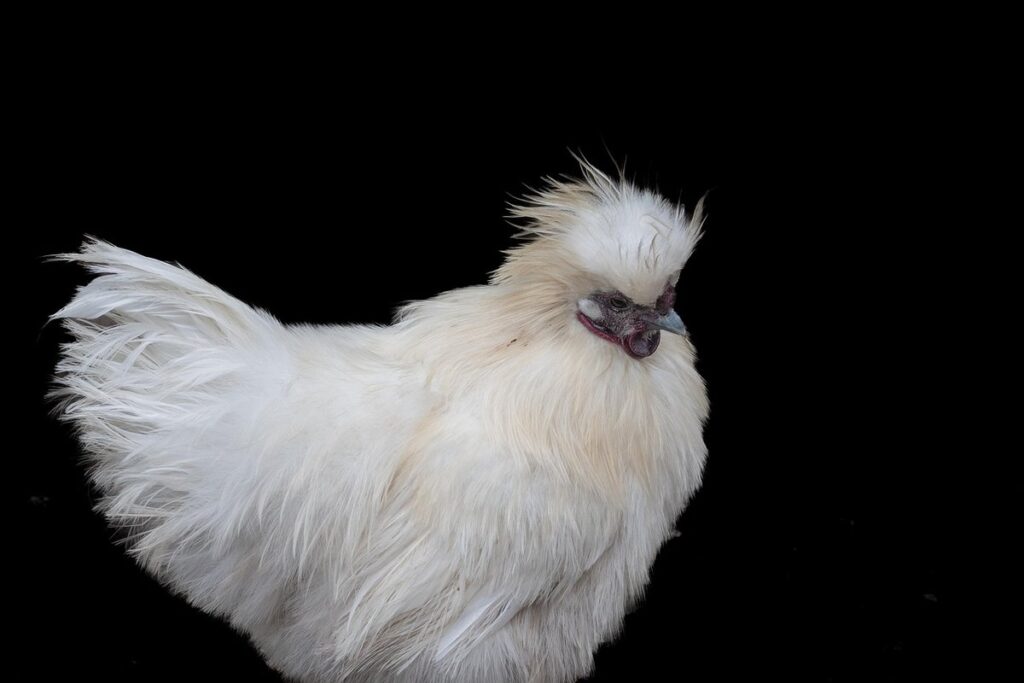
Characteristics and Benefits of White Egg Layers
White egg layers are prized for their exceptional laying abilities, producing a high volume of large, clean eggs. In this next section, we’ll delve into what makes them so beneficial to backyard flocks.
Introduction to White Egg Layers
When it comes to egg-laying chicken breeds, white egg layers are one of the most popular and sought-after options for backyard farmers and enthusiasts. But what makes them so special? For starters, their eggs stand out from those laid by other breeds due to their clean, unblemished appearance. White egg layers, as their name suggests, produce eggs with shells that range in color from pure white to creamy off-white.
One of the main advantages of keeping white egg laying chicken breeds is their exceptional egg-laying abilities. They can lay up to 300 large brown or white eggs per year, depending on factors like nutrition and management. This means you’ll have a steady supply of fresh eggs right in your own backyard. Additionally, many white egg layer breeds are known for their friendly and docile nature, making them an excellent choice for families with children or beginners.
Their popularity can be attributed to their adaptability to various climates and living conditions, as well as their relatively low maintenance requirements. Whether you live in a small urban space or have a larger rural property, white egg layers are sure to thrive under proper care.
Factors to Consider When Choosing a Breed
When selecting a white egg layer breed, it’s essential to consider several key factors that will determine their suitability for your backyard flock. First and foremost, think about the egg production rate you need. If you’re looking to collect eggs daily, breeds like Leghorn or Cornish will meet your demands, producing around 280-300 large white eggs per year. However, if you prefer a more relaxed approach to egg collecting, breeds with lower production rates, such as Orpingtons, might be a better fit.
Another crucial aspect is temperament. Some breeds are naturally friendly and docile, while others can be more aggressive or skittish. For example, Silkies are known for their gentle nature and are often recommended for families with children, while Leghorns tend to be more assertive and may require closer monitoring.
Lastly, consider your climate and living situation. Breeds like Leghorns and Cornish excel in warmer temperatures, but can struggle in colder climates. If you live in an area with cold winters, a hardier breed like the Brahma or Plymouth Rock might be a better choice.
Ultimately, choosing the right white egg layer breed for your needs involves balancing these factors and selecting a breed that meets your specific requirements.
Popular White Egg Laying Chicken Breeds
When it comes to choosing the perfect white egg laying chicken breed for your flock, you’ll want to consider these popular and reliable options that deliver excellent results. Let’s take a closer look at some top picks.
1. Leghorn
The Leghorn is one of the most recognizable and popular white egg-laying chicken breeds. Originating from Italy in the 19th century, this breed was developed specifically for its exceptional egg-laying capacity and hardiness.
Characterized by their sleek, slender bodies and rose-comb heads, Leghorns are known for their striking appearance. They have a predominantly white plumage with occasional black or red markings on their wings and tail feathers. Males typically weigh around 4-5 pounds, while females can reach up to 3.5 pounds.
Leghorns are renowned for their impressive egg-laying capabilities, producing an average of 280-300 eggs per year. They start laying eggs at a relatively young age, around 18 weeks, and will continue to produce eggs throughout their lifespan. This breed is ideal for backyard chicken keepers and small-scale farmers due to its high productivity and low maintenance requirements.
When keeping Leghorns, it’s essential to provide them with adequate space, nutrition, and care. A balanced diet rich in protein, calcium, and vitamins is crucial for maintaining their egg-laying capacity.
2. Cornish Cross
The Cornish Cross is one of the most popular white egg laying chicken breeds used extensively in commercial farming. Known for their exceptional growth rate and high-quality meat production, they have also been bred to lay a significant number of eggs.
On average, a mature Cornish Cross hen can lay around 200-220 large, white eggs per year. However, it’s essential to note that while these birds are primarily raised for meat, some farmers choose to keep them as laying hens due to their impressive egg production capabilities. In commercial settings, the Cornish Cross is often used in intensive farming systems where a high volume of eggs or meat is required.
One key benefit of using the Cornish Cross breed is their fast growth rate – they can reach maturity within just 5-6 weeks. This accelerated development allows farmers to maximize profits by harvesting the birds at an optimal weight, usually around 2 kg (4.4 lbs). While this breed excels in commercial farming due to its rapid growth and meat production, some backyard chicken keepers may find their high feed consumption rate to be a drawback.
3. Australorp
The Australorp is one of the most popular white egg-laying chicken breeds among backyard farmers and commercial producers alike. Hailing from Australia, this breed was developed specifically for its exceptional egg-laying abilities. In fact, an Australorp hen can lay up to 320 large brown eggs per year, making it a top contender for any small flock.
But the Australorp’s strengths don’t stop at its impressive egg production. This gentle giant is also known for its friendly and docile temperament, which makes it an excellent choice for families with children or for beginners who want a low-maintenance breed. However, it’s worth noting that Australorps can grow quite large, so they require plenty of space to roam and exercise.
If you’re considering adding an Australorp to your flock, be prepared for its high egg-laying potential. To ensure your girls stay healthy and happy, provide them with a balanced diet rich in calcium and protein, as well as plenty of fresh water and regular veterinary check-ups. With proper care, your Australorps will reward you with years of consistent and prolific egg production.
Breeds with Unique Characteristics
Let’s dive into some of the most fascinating white egg laying breeds, each with its own distinct personality and characteristics that will add a unique touch to your backyard flock.
1. Campine
The Campine is one of the most distinctive white egg laying chicken breeds out there. Originating from Belgium in the 17th century, this breed has been prized for its striking appearance and moderate egg-laying abilities. Characterized by their beautiful golden-brown legs and a black beak, Campines are known to stand out in any flock.
One of the standout features of the Campine is its unique feather pattern. They have white feathers with dark edges, giving them a subtle striped effect that’s truly eye-catching. But it’s not all about looks – Campines are also hardy birds that can thrive in a variety of climates and living conditions.
When it comes to egg production, Campines fall somewhere in the middle of the pack. They’ll typically lay around 200 large white eggs per year, which is respectable but not exceptional compared to some other breeds. However, their moderate egg-laying abilities make them an excellent choice for smaller farms or backyard flocks where space and resources may be limited.
If you’re considering adding Campines to your flock, keep in mind that they can be a bit more challenging to manage due to their independent nature. With the right care and attention, however, these beautiful birds will reward you with delicious eggs and plenty of character.
2. Faverolles
The Faverolles breed is one of the most unique and endearing white egg laying chicken breeds out there. These gentle giants are not only stunning to look at, but they’re also surprisingly low-maintenance and cold-hardy.
One of the standout characteristics of Faverolles is their calm demeanor. They make excellent pets for families with children or for anyone looking for a stress-free addition to their backyard flock. In fact, they’re known to be so docile that even novice chicken keepers can easily manage them. This makes them an ideal choice for those who want a low-fuss yet rewarding experience.
Faverolles are also remarkably resilient when it comes to cold temperatures. They thrive in cooler climates and can tolerate winter conditions with ease, making them perfect for backyard flocks in regions with harsh winters. To care for your Faverolles, simply ensure they have access to plenty of fresh water, a balanced diet, and a safe coop to roost in.
If you’re looking for a white egg laying breed that’s both beautiful and easy-going, look no further than the Faverolles. With their gentle nature, hardiness, and low-maintenance needs, it’s no wonder they’ve become a favorite among chicken enthusiasts worldwide.
Raising White Egg Laying Chickens for Beginners
If you’re new to raising chickens, this section will guide you through the basics of caring for white egg laying chicks and young hens. You’ll learn how to get started on the right foot!
Setting Up a Backyard Chicken Coop
When it comes to raising white egg laying chickens, providing them with a suitable coop is essential. This means thinking beyond just building or purchasing a coop and considering the specific needs of these birds.
Firstly, ensure that the coop is well-ventilated to prevent ammonia buildup from droppings. You’ll want to provide about 3-4 square feet of space per chicken inside the coop, with adequate nesting boxes for egg-laying comfort. For white egg layers, it’s also essential to consider predator protection – think sturdy walls and secure latches.
In terms of design, a north-facing orientation is ideal, providing natural light without direct sun exposure that can lead to heat stress in your birds. When building or purchasing the coop, remember to account for easy cleaning and maintenance, as well as adequate storage space for feed and supplies.
When selecting a pre-made coop, look for ones with removable panels or adjustable walls for customizing the interior layout according to your flock’s needs.
Nutrition and Health Considerations
When it comes to raising white egg laying chickens, providing optimal nutrition and maintaining their health is crucial for their well-being. These breeds require a balanced diet that meets their specific nutritional needs, which can be different from other chicken breeds.
A good quality layer feed should be the foundation of their diet, but it’s also essential to supplement with fresh fruits and vegetables. Leafy greens like kale and spinach are rich in calcium, which is vital for strong eggshell production. You can also provide treats like mealworms or sunflower seeds to add variety and encourage foraging behavior.
Regular check-ups with a veterinarian can help identify potential health issues early on. Be aware of the common health concerns specific to white egg laying breeds, such as mites and lice infestations, respiratory problems, and egg binding. Implementing good hygiene practices, providing regular dust baths, and maintaining a clean living environment can also help prevent these issues.
In addition to nutrition and health, it’s also essential to ensure your flock has access to fresh water at all times. A general rule of thumb is to provide one gallon of water per bird per day.
Tips for Maximizing Egg Production
To help you get the most out of your prized flock, we’ll share some expert tips on how to maximize egg production and encourage your hens to lay their best.
Understanding Light and Temperature Requirements
When it comes to maximizing egg production in white egg laying chicken breeds, understanding their light and temperature requirements is crucial. As a chicken owner, you want to provide an optimal environment that promotes healthy growth and productivity.
Light plays a significant role in egg production. White egg layers require around 14 hours of daylight to produce eggs efficiently. However, this can vary depending on the breed. For example, Leghorns require 14-16 hours of daylight, while Orpingtons need only 12-14 hours. Ensure you provide your flock with a sufficient photoperiod by opening curtains or installing timers for artificial lighting.
Temperature also affects egg production. Most white egg layers thrive in temperatures between 40°F to 80°F (4°C to 27°C). Extreme temperatures can lead to stress, which negatively impacts productivity. Monitor your flock’s comfort levels and adjust their environment accordingly. For instance, if it gets too hot or cold outside, provide shade or insulation to maintain a comfortable temperature.
Humidity is another critical factor in egg production. Aim for a relative humidity level of 50-60% in the coop. High humidity can lead to respiratory issues, while low humidity can cause dryness and discomfort. By balancing light, temperature, and humidity levels, you’ll be well on your way to maximizing egg production from your white egg laying chicken breeds.
Strategies for Improving Flock Health and Productivity
Maintaining a healthy flock is crucial for maximizing egg production. Providing a balanced diet that meets their nutritional needs is essential. A good starting point is to offer layer feed specifically formulated for white egg-laying breeds, supplemented with fresh fruits and vegetables. Ensure access to clean water at all times.
Adequate space and ventilation are also vital for the well-being of your flock. Provide a minimum of 2-3 square feet per bird inside the coop and ensure good airflow by installing windows or vents. Regular cleaning of the coop will help prevent disease outbreaks.
Regular health checks can also detect any issues early on, allowing for prompt treatment if necessary. Monitor your birds’ behavior, looking out for signs of stress or illness such as lethargy, labored breathing, or changes in egg production.
Implementing a rotation system for nesting boxes and perches will help prevent over-crowding and promote overall health. Additionally, consider implementing a vaccination program to protect against common diseases that affect white egg-laying breeds.
Conclusion and Final Thoughts
Now that you’ve made it through this comprehensive guide to white egg laying chicken breeds, I hope you have a better understanding of which breed is right for your backyard flock. Remember, choosing the perfect breed is just the first step – make sure to research their specific needs and requirements, such as space, nutrition, and health care, to ensure they thrive under your care. As you begin this new chapter with your feathered friends, be patient and don’t be discouraged if things don’t go exactly as planned – every flock is different, after all! By following the tips and advice outlined in this guide, you’ll be well on your way to raising happy, healthy, and productive hens. Happy chicken keeping!
Frequently Asked Questions
Can I keep white egg laying chickens indoors if it’s cold outside?
Yes, but you’ll need to provide adequate ventilation and temperature control to ensure their comfort and health. Consider investing in a well-insulated chicken coop or a heater specifically designed for poultry.
How long do white egg laying chickens typically live compared to other breeds?
White egg layers are known for their long lifespan, with some breeds averaging 5-7 years of productive life. However, proper nutrition, healthcare, and living conditions can significantly impact their overall lifespan, often extending it beyond the average.
Are there any specific vaccinations or health checks I should perform on my white egg laying chickens?
Regular check-ups by a veterinarian experienced in poultry care are essential to maintain your flock’s health. Additionally, consider vaccinating against common diseases like Newcastle disease and infectious bronchitis, especially if you’re introducing new birds to your existing flock.
Can I raise white egg laying chickens for meat as well as eggs?
Yes, many white egg layer breeds can be raised for both purposes, but their growth rate and meat quality may vary. Some popular dual-purpose breeds include the Leghorn, Australorp, and Cornish Cross. However, if you’re specifically looking to maximize egg production, it’s best to choose a breed known for its exceptional laying abilities.
How often should I collect eggs from my white egg laying chickens?
Collecting eggs regularly can help maintain a clean environment, prevent breakage, and ensure the health of your hens. As a general rule, aim to collect eggs at least once or twice daily, depending on your flock’s size and production level.