
When it comes to choosing the perfect breed for your farm or backyard, two popular options often come to mind: Toulouse geese and Embden geese. While both breeds have their loyal followings, they each offer unique characteristics that set them apart from one another. If you’re in the market for a hardy and reliable goose breed, it’s essential to understand the differences between these two popular varieties.
In this article, we’ll delve into the history of both breeds, exploring their origins and how they’ve evolved over time. We’ll also examine the physical characteristics that distinguish Toulouse geese from Embden geese, as well as their temperaments and production levels. Additionally, we’ll discuss health considerations and environmental adaptability to help you make an informed decision about which breed is right for you. By the end of this article, you’ll have a comprehensive understanding of both breeds and be better equipped to choose the perfect goose for your needs.
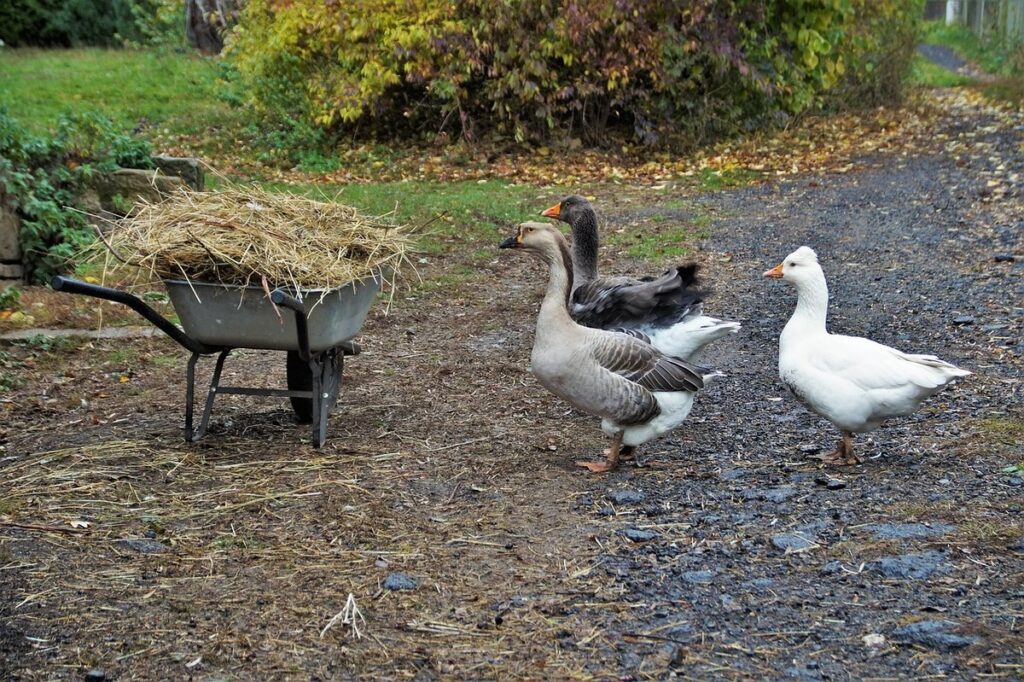
History and Origins
Let’s take a step back and explore the fascinating history behind these two breeds, starting with the Toulouse Goose and its origins dating back to 15th-century France. We’ll also delve into the roots of the Embden Goose.
The Origin of Toulouse Geese
The Toulouse goose breed has its roots in the southwest of France, specifically in the city of Toulouse. The exact origin of this magnificent bird is unclear, but it’s believed to have been developed from local geese brought back by European soldiers who served in North Africa during the Crusades.
As a distinct breed, the Toulouse goose was first mentioned in written records in the 16th century. It quickly gained popularity among French farmers due to its exceptional foraging abilities and tolerance of harsh weather conditions. Over time, breeders selectively bred these geese to enhance their desirable traits, such as their size, egg-laying capacity, and feather quality.
The Toulouse goose’s unique characteristics were solidified in the 19th century when it was officially recognized by the French government as a distinct breed. Today, this heritage breed remains prized for its impressive size, robust constitution, and rich history. If you’re interested in raising Toulouse geese, be sure to look for reputable breeders who prioritize preserving the breed’s traditional characteristics.
In contrast to other breeds like Embden geese, the Toulouse goose has a more laid-back temperament and requires less attention from its owners. Despite these differences, both breeds offer unique benefits to backyard farmers and enthusiasts alike.
The Development of Embden Geese
Emden geese have their roots in Germany, where they were first bred in the region of Embden, Lower Saxony. The breed’s ancestors date back to the 15th century, when German waterfowl were crossed with native birds to create a hardy and prolific strain. Over time, the Embden goose became renowned for its exceptional egg-laying abilities, with some females producing up to 300 eggs per year.
As their popularity grew, Embden geese were introduced to other European countries, including England and France, where they were further refined through selective breeding programs. In the late 19th century, the breed was recognized by the American Poultry Association (APA), marking its official introduction to North America.
Today, Embden geese are prized for their distinctive white plumage, orange beaks, and exceptional temperament. Despite their origins in Germany, they have become a staple of many modern farms and homesteads around the world, valued for their impressive egg production and adaptability to diverse environments.
Physical Characteristics
When it comes to these two breeds, one of the most noticeable differences lies in their physical characteristics. Let’s take a closer look at what sets them apart visually.
Size Comparison: Toulouse vs Embden
When it comes to size comparison between Toulouse and Embden geese, one of the most noticeable differences is their overall height. On average, a mature Toulouse goose can grow up to 30-34 inches (76-86 cm) tall at the shoulder, while an Embden goose typically reaches around 26-30 inches (66-76 cm) in height. This slight difference in stature gives Toulouse geese a more imposing appearance.
In terms of weight, both breeds are substantial birds, but they differ significantly. A mature Toulouse goose can weigh anywhere between 20-24 pounds (9-11 kg), whereas an Embden goose tends to be lighter at around 15-18 pounds (7-8 kg). It’s worth noting that these weights can vary depending on factors such as nutrition and individual bird characteristics.
While the size differences may seem subtle, they do impact the appearance of each breed. Toulouse geese often have a more robust build and deeper breast, which contributes to their larger overall size. Embden geese, on the other hand, tend to be leaner with a more streamlined physique.
Feather Type and Color
When it comes to feather type and color, both Toulouse and Embden geese exhibit distinct characteristics that set them apart. The Toulouse goose boasts a soft, fluffy plumage with a subtle sheen, making their feathers feel like silk to the touch. This gentle texture is due in part to their genetic predisposition towards producing shorter, softer feathers.
In contrast, the Embden goose has a more rugged appearance, with hard, flat feathers that provide exceptional insulation and protection from the elements. Their plumage can range in color from snow-white to dark grey, often featuring subtle undertones of blue or silver. Some Embdens even display striking patterns like buff or lavender patches on their wings and tails.
When choosing between these two breeds, consider your personal preferences regarding feather texture and appearance. If you prefer the soft, cuddly feel of a Toulouse goose, this might be the better choice for you. However, if you value durability and hardiness in your geese, the Embden breed may prove more suitable for your needs.
Temperament and Behavior
When it comes to temperament, Toulouse geese are generally known for being friendly and docile, while Embden geese can be more assertive. This contrast is essential to understand when choosing between the two breeds.
Toulouse Geese Temperament Traits
When it comes to temperament traits, Toulouse geese are renowned for their amiable nature. They are often described as gentle and laid-back, making them an excellent choice for families with children or for those who want a low-maintenance pet. In contrast to some other breeds, Toulouse geese are not naturally aggressive and tend to avoid confrontations.
One of the most significant advantages of owning a Toulouse goose is their exceptional social behavior. They thrive in the company of humans and can even be trained to follow commands and respond to their name. This trait makes them an excellent addition to any farm or backyard, as they can provide companionship and entertainment.
Toulouse geese are also surprisingly adaptable to different environments. They can adjust to living in small backyards with limited space or larger farms with plenty of room to roam. However, it’s essential to provide them with a secure enclosure and enough space to exercise and engage in natural behaviors like foraging and swimming.
In terms of socialization, Toulouse geese are highly tolerant of other animals and can live harmoniously alongside chickens, ducks, and even turkeys. With proper introduction and supervision, they will happily integrate into existing flocks, providing a sense of community and reducing the risk of aggression or territorial behavior.
Embden Geese Temperament
Embden geese are known for their calm and even-tempered nature, making them an excellent choice for families with children or those living in urban areas. One of the most notable differences between Embden and Toulouse geese is their level of energy. While Toulouse geese tend to be more high-strung and require regular exercise to prevent obesity, Embdens are relatively laid-back and content with shorter walks.
Embdens are also more social and enjoy interacting with their human family members. They can become quite attached to their owners and are often described as ” Velcro geese” due to their tendency to stick close by. This makes them an excellent choice for those who want a goose that will be actively involved in their daily lives.
In terms of training, Embden geese are generally easier to work with than Toulouse geese. They respond well to positive reinforcement and can learn simple commands such as “come” and “stay”. With patience and consistency, even novice owners can develop a strong bond with their Embden goose.
Overall, the calm and gentle nature of Embden geese makes them an excellent choice for many backyard flocks.
Production Characteristics
When it comes to raising geese for meat, understanding their production characteristics is crucial for farmers and backyard breeders alike. Let’s take a closer look at the reproductive traits of Toulouse and Embden geese.
Egg-Laying Capacity
When it comes to egg-laying capacity, both Toulouse and Embden geese have their own unique characteristics. On average, a Toulouse goose will lay around 40-50 eggs per year, while an Embden goose is capable of laying up to 60 eggs annually. However, it’s essential to note that individual birds within each breed can vary significantly.
In terms of egg size, Embden geese tend to produce larger eggs, often weighing in at around 130-140 grams, whereas Toulouse geese lay slightly smaller eggs, typically ranging from 100-110 grams. The shell quality is also worth considering; both breeds have sturdy shells, but those from Toulouse geese may be slightly thicker.
To maximize your flock’s egg-laying potential, ensure that they receive adequate nutrition and exercise. A balanced diet rich in calcium will help support strong, healthy eggs. Additionally, providing enough space for your birds to roam freely will promote overall well-being and egg production. It’s also crucial to monitor your flock regularly to detect any signs of illness or stress that could impact their reproductive abilities.
Meat Production and Quality
When it comes to meat production and quality, both Toulouse and Embden geese have their unique characteristics. Growth rate is an essential factor to consider, as a faster growth rate can lead to better efficiency and productivity on the farm. The Toulouse goose has a slower growth rate compared to the Embden, taking around 12-14 weeks to reach maturity. In contrast, the Embden goose grows faster, reaching maturity in approximately 10-12 weeks.
Carcass yield is another critical aspect of meat production. The Embden goose tends to have a higher carcass yield than the Toulouse, with an average of 80-85% compared to 75-80%. However, when it comes to overall meat quality, both breeds are considered to be of high quality. The Toulouse goose is renowned for its rich, flavorful meat, while the Embden goose has a slightly leaner and firmer texture.
When choosing between these two breeds, consider your specific needs and preferences. If you prioritize faster growth rates and higher carcass yields, the Embden may be the better choice. However, if you’re looking for rich, flavorful meat with a slower growth rate, the Toulouse could be the way to go.
Health Considerations
When it comes to raising Toulouse geese and Embden geese, understanding their health needs is crucial for any backyard farmer. This section addresses some key considerations that will help you keep your flock healthy.
Genetic Health Issues in Toulouse Geese
When it comes to genetic health issues in Toulouse geese, there are several concerns that breeders and owners should be aware of. One common problem is a condition known as “angel wing,” which affects the wings of young birds, causing them to grow abnormally. This can lead to difficulties with flight and even make the bird more susceptible to predators.
Another issue specific to Toulouse geese is a genetic predisposition to obesity. Due to their fast growth rate and tendency to overeat, Toulouse geese are at risk for developing health problems related to weight gain. Regular monitoring of food intake and encouraging regular exercise can help mitigate this risk.
Breeders should also be aware that Toulouse geese can inherit certain traits from parent birds, including a higher likelihood of Marek’s disease, a viral infection that affects the nervous system. Practicing good biosecurity measures, such as keeping flocks separate and maintaining clean living conditions, can help prevent the spread of this disease.
To minimize genetic health issues in Toulouse geese, it’s essential to work with reputable breeders who prioritize health testing and selective breeding for desirable traits.
Common Health Concerns in Embden Geese
Embden geese are generally hardy birds, but like all breeds, they can be susceptible to certain health concerns. One of the most prevalent issues is respiratory problems, which can be exacerbated by genetics, environment, and lifestyle factors.
As with many large waterfowl, Embden geese can suffer from Bumblefoot, a painful condition caused by bacterial infections in the feet. This can be prevented through regular foot trimming, proper perching, and providing adequate bedding material. Additionally, maintaining a clean and dry coop is crucial in preventing the spread of disease.
Other health concerns specific to Embden geese include gout, obesity, and liver problems due to poor diet or overfeeding. It’s essential for owners to monitor their birds’ food intake closely and provide a balanced diet that includes plenty of fresh fruits and vegetables. Regular check-ups with a veterinarian can also help detect potential issues early on.
By being aware of these common health concerns and taking preventive measures, you can ensure your Embden geese live long, healthy lives.
Environmental Adaptability
When it comes to thriving in different climates, both Toulouse and Embden geese have unique adaptations that set them apart. Let’s explore how they handle environmental challenges.
Climate Suitability for Both Breeds
When it comes to environmental adaptability, understanding the climate conditions suitable for both Toulouse and Embden geese is crucial. Both breeds have distinct characteristics that determine their tolerance for temperature extremes, humidity levels, and wind resistance.
Toulouse geese are known for their ability to thrive in warm climates, tolerating temperatures up to 95°F (35°C) with ease. However, they can also adapt to cooler temperatures as low as 32°F (0°C). In contrast, Embden geese have a broader temperature tolerance range, making them suitable for areas with moderate climate fluctuations between -22°F (-30°C) and 86°F (30°C).
Humidity is another critical factor in determining the optimal living conditions for these breeds. Toulouse geese prefer relatively low humidity levels, typically below 60%. Conversely, Embden geese are more resilient to higher humidity environments up to 80%.
In terms of wind resistance, both breeds can tolerate moderate breezes but may become stressed if exposed to strong gusts or harsh winds. To ensure the well-being of your flock, provide shelter from extreme weather conditions and maintain a suitable living environment that caters to their specific needs.
It’s essential to note that individual birds within each breed may have varying tolerance levels. Monitor your geese’ behavior and adjust their living arrangements accordingly to prevent heat stress or other health issues related to environmental factors.
Housing Requirements for Each Breed
When it comes to housing requirements for Toulouse and Embden geese, both breeds have unique needs that must be met. A good rule of thumb is to provide at least 10 square feet of space per bird inside the coop, with additional outdoor area for exercise and foraging.
Toulouse geese are larger and more active than Embdens, requiring more space to roam. They also need a sturdy coop that can withstand their size and strength. A minimum of 2-3 feet of vertical clearance is recommended to allow them to stand comfortably indoors. Embden geese, on the other hand, are smaller and can thrive in smaller coops with adequate ventilation.
When designing your coop, consider the climate and geography of your area. Both breeds require protection from extreme weather conditions, predators, and disease-carrying pests. A secure coop with windows for natural light and easy cleaning is essential. For outdoor access, a fenced run or enclosed area with shade, water, and shelter is necessary to ensure the geese’ safety and well-being.
It’s also crucial to consider predator protection and to ensure that your coop and run are escape-proof.
Frequently Asked Questions
What’s the best way to introduce Toulouse geese or Embden geese to my existing flock?
When introducing new geese, it’s essential to ensure a smooth transition for both your existing flock and the newcomers. A good rule of thumb is to start with two birds from the same breed as the one you’re introducing to help establish social bonds. Gradually increase the number of introductions, and monitor their behavior to prevent any conflicts.
Can I keep Toulouse geese or Embden geese in smaller backyards?
Both breeds can thrive in smaller spaces if provided with adequate shelter and a secure area for exercise. However, it’s crucial to ensure they have enough space to stretch their wings and engage in natural behaviors like foraging and flying. A minimum of 10×20 feet per bird is recommended.
How do I determine the sex of my Toulouse or Embden geese at hatching?
Determining the sex of goslings can be challenging, but some signs include the way they interact with their siblings and parents. Typically, males will engage in more aggressive behavior, while females tend to be more docile. However, sexing goslings should not be relied on until they’re around 6-8 months old.
What are some common health issues I should watch out for in my Toulouse or Embden geese?
Both breeds can be prone to certain health issues, including bumblefoot and respiratory problems caused by poor ventilation. Regular monitoring of their living conditions, diet, and behavior will help prevent these issues. Consult with a veterinarian experienced in caring for waterfowl if you notice any unusual symptoms.
How do I know which breed is best suited for my local climate?
Consider the average temperature range, humidity levels, and weather patterns in your area when deciding between Toulouse or Embden geese. While both breeds can adapt to different climates, Toulouse geese tend to prefer warmer temperatures, whereas Embden geese are more resilient in colder conditions.