
Training your hens to use fake eggs in nest boxes can be a game-changer for backyard chicken keepers. Not only does it reduce stress and competition among birds, but it also promotes healthier egg-laying habits. However, teaching your hens to use these fake eggs can be a bit tricky, especially if you’re new to chicken keeping.
In this article, we’ll walk you through the steps of training your hens to use fake eggs in nest boxes, covering everything from selecting the right fake eggs to common mistakes to avoid. We’ll also share tips on how to increase egg production and reduce stress among your flock. By following our comprehensive guide, you can say goodbye to cracked shells and hello to a more harmonious coop environment. Whether you’re an experienced chicken keeper or just starting out, this article is designed to help you master the art of fake egg training.
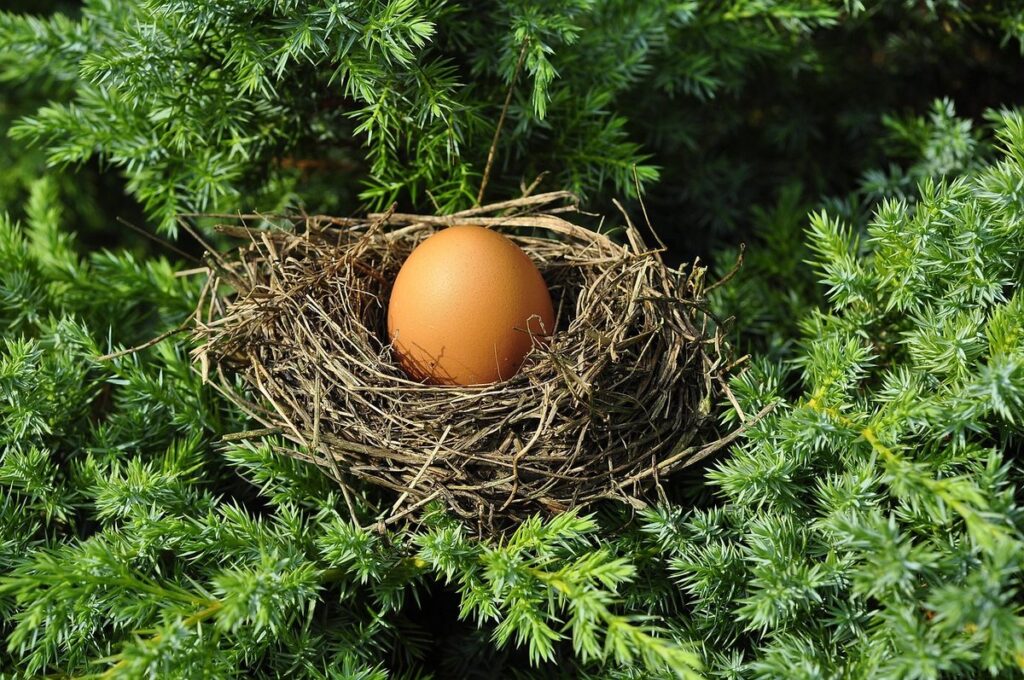
What Are Fake Eggs and Why Use Them?
You’re probably wondering what these mysterious fake eggs are all about. Let’s dive into what they are, their purpose, and why using them in nest boxes is a game-changer for your training program.
Benefits of Using Fake Eggs for Training
Using fake eggs for training can have numerous benefits for your flock. One of the primary advantages is that it allows you to reduce stress on your chickens during the nesting box introduction process. When introducing a new nest box, chickens may feel anxious or even aggressive due to unfamiliar surroundings and competing females vying for egg-laying spots.
By placing fake eggs in the nest boxes before allowing your birds to use them, you’re giving them a chance to become accustomed to the environment without feeling threatened. This gradual introduction helps promote natural behavior, encouraging your hens to start laying eggs in the designated areas.
In fact, introducing fake eggs can also increase egg production by providing a familiar and comfortable space for your chickens to lay their eggs. A study conducted by a leading poultry researcher found that using fake eggs increased egg-laying frequency by an average of 25% within just two weeks of introduction. To maximize this benefit, be sure to place the fake eggs in the nest boxes a few days before introducing your birds, allowing them to become familiar with the new environment without feeling startled or threatened.
Choosing the Right Fake Egg Size and Material
When it comes to choosing fake eggs for your nest boxes, the options can be overwhelming. But don’t worry, we’ve got you covered. The right size and material of fake eggs can make a huge difference in training your hens.
Firstly, let’s talk about sizes. Fake eggs come in various diameters, ranging from 1 to 3 inches (2.5-7.6 cm). If you have smaller breeds like Bantams or Silkie, go for the smaller size. For larger breeds like Orpingtons and Leghorns, opt for the medium or large size. Remember, it’s essential to choose an egg that closely resembles a real one in your flock’s eyes.
When it comes to materials, you’ve got plastic, foam, and even ceramic options. Plastic eggs are durable and long-lasting but might crack if dropped. Foam eggs, on the other hand, are gentle and eco-friendly but may break down quickly under harsh weather conditions. Ceramic eggs are shatterproof but can be more expensive.
Ultimately, consider your flock’s specific needs and preferences when selecting fake eggs. If you have a lot of nesting activity, go for durable plastic or ceramic eggs. For smaller flocks or those with gentler hens, foam eggs might be the way to go. By choosing the right size and material, you’ll set your girls up for success in their nest boxes.
Preparing Your Nest Boxes for Training
Before you start introducing fake eggs into your nest boxes, it’s essential to prepare them properly to avoid any potential issues during training. This includes cleaning and maintaining a healthy environment for both birds and artificial eggs.
Setting Up Nesting Areas with Fake Eggs
When it comes to setting up nest boxes with fake eggs, the goal is to create an environment that encourages hens to build their nests and make them feel comfortable. To achieve this, you’ll want to arrange the fake eggs in a way that mimics a natural nesting site.
Start by placing 2-3 fake eggs at the back of the nest box, slightly offset from each other. This will give your hens a clear indication of where to build their nests. You can also add a few extra fake eggs along the edges of the box to create a sense of depth and encourage hens to spread out their nesting materials.
Maintaining clean and comfortable nesting areas is crucial for successful training. Make sure to remove any soiled or dirty nest material regularly, and provide your hens with fresh bedding as needed. This will help keep them healthy and happy, and make it easier for them to learn the behavior of building nests.
Encouraging Hens to Use the Nest Boxes
When introducing fake eggs to your nest boxes, it’s essential to encourage hens to use them effectively. One method for enticing hens is to place the fake eggs in various locations around the coop. This will help the birds associate the eggs with the nesting area and understand that they should be laid there. For instance, you can put a few fake eggs in the corners of the nest box or even on top of it.
Another approach is to provide darkening materials like cloth to cover the nest boxes. Hens often prefer a secluded spot for laying eggs, so adding some shade will make them feel more comfortable and secure. You can also create a “nesting area” with multiple boxes, which will give your hens options and make it easier for them to find their preferred nesting spot.
It’s also important to place the fake eggs in a way that makes them easy to access. Avoid placing them too high or too low, as this may deter the birds from using the nest box altogether. By following these tips, you can help your hens become familiar with the fake eggs and start laying their real eggs in the nest boxes more effectively.
Training Your Chickens to Use Fake Eggs
Now that you have your fake eggs in place, it’s time to teach your chickens to use them – a crucial step to successful nesting box management. This section will walk you through the training process.
Introduction and Gradual Introduction of Fake Eggs
When introducing fake eggs to your chickens, it’s essential to do so gradually to prevent stress and confusion. Start by placing one fake egg in a nest box for several days to allow your birds to become familiar with its presence. Observe their behavior and reactions; if they seem hesitant or ignore the fake egg, don’t worry – this is normal.
As your chickens become more comfortable with the single fake egg, you can start introducing additional ones, increasing the number over time. For example, after a week of having one fake egg, you could add another, then gradually increase to three or four. Be patient and give them time to adjust to each new addition.
Common mistakes to avoid during this process include placing too many fake eggs at once, which can overwhelm your birds and lead to stress. Also, don’t move the fake eggs around the nest box frequently, as this can confuse your chickens and undermine the training process. By introducing fake eggs gradually, you’ll help your chickens learn to use them naturally, reducing egg laying in unwanted areas of your coop or yard.
Monitoring Progress and Making Adjustments
As you progress with training your chickens to use fake eggs in nest boxes, it’s essential to monitor their progress and make adjustments as needed. This will help prevent frustration for both you and your birds.
Start by observing your flock regularly, watching how they interact with the fake eggs. Look for signs that they’re grasping the concept – do they approach the fake eggs cautiously, or do they seem confused? Do they leave droppings next to the fake eggs, indicating that they’re trying to use them as actual nesting sites?
As you observe their behavior, take note of any changes in their demeanor or actions. If you notice significant progress, it’s likely time to introduce more complex training exercises. For example, if your chickens are consistently using the fake eggs, you can try placing them at different heights or locations within the coop.
On the other hand, if your birds seem stuck, don’t be afraid to adjust your approach. You might need to revisit earlier steps in the training process or try a different type of fake egg altogether. By keeping a close eye on their progress and being willing to adapt, you’ll help your chickens learn this valuable skill more efficiently.
Overcoming Common Challenges in Fake Egg Training
One of the biggest hurdles you’ll face when training with fake eggs is figuring out why your birds aren’t laying properly, and we’re here to help you overcome those challenges. Let’s tackle some common obstacles together.
Managing Stress and Aggression
When introducing fake eggs into nest boxes, it’s common for birds to exhibit stress and aggression. This can be due to various factors such as unfamiliar surroundings, competition for resources, or simply the novelty of a new object in their territory.
To minimize these issues, try using a “slow introduction” method. Start by placing the fake egg outside the nesting box, allowing your birds to become accustomed to its presence without feeling threatened. Gradually move it closer to the entrance over several days, giving them time to adjust to this new element. This approach helps prevent sudden stress and allows your birds to adapt at their own pace.
Signs of stress in birds can include excessive vocalization, aggressive behavior towards other birds or even you, and changes in feeding habits. Recognize these warning signs early on, as ignoring them may escalate into more severe issues. If you notice any of these behaviors, take corrective action by temporarily removing the fake egg or providing a separate area for your birds to retreat to when feeling overwhelmed.
Addressing Nesting Box Abandonment
Hens abandoning their nests can be frustrating for backyard chicken keepers. Before you start worrying that your hens aren’t interested in laying eggs at all, it’s essential to identify the reasons behind this behavior. Some common causes of nest box abandonment include an inadequate or poorly designed nest box, lack of nesting materials, and competition from other hens.
To address these issues, start by inspecting the nest box setup. Ensure that it’s clean, dry, and spacious enough for your hens to comfortably lay eggs. Consider adding some extra features like a perch or a roof to provide a sense of security. You can also try providing additional nesting materials such as shredded paper, hay, or straw to make the nest more inviting.
If your hens are laying elsewhere in the coop, it may be due to a lack of natural behavior stimulation. Encourage foraging by scattering some treats around the run or adding some puzzle toys filled with food. This will help redirect their attention back to the nest box.
Maintaining Progress and Preventing Regression
Now that you’ve made progress, it’s essential to maintain momentum and avoid regressing back to old habits when training with fake eggs in nest boxes. This section shares practical tips for continued success.
Regularly Monitoring Nest Box Use
Regular monitoring of nest box use is crucial to maintain progress and prevent regression. Chickens can be creatures of habit, but they also tend to adapt quickly to new surroundings. As you’ve made progress with training them to lay eggs in the designated fake egg-filled nest boxes, it’s essential to keep a close eye on their behavior.
Common indicators of regression include observing chickens laying eggs outside the designated nest box area or showing a lack of interest in using the fake eggs. If you notice this happening, don’t panic! Simply adjust your training strategy by adding more visual cues such as mirrors or increasing the visibility of the fake eggs. You can also try rotating the fake eggs every few days to keep them interesting and appealing.
Another way to monitor nest box use is through observation. Spend time watching your chickens’ behavior around the nest boxes, taking note of which birds are most frequent visitors and how often they’re using the fake eggs. This information will help you refine your training approach and address any issues before they become major problems.
Rotating Fake Eggs and Cleaning Nest Boxes
As you continue with fake eggs training, it’s essential to maintain a clean and comfortable environment for your hens. Rotating fake eggs regularly is crucial to prevent hens from getting too accustomed to them. Start by placing 2-3 fake eggs at first, then gradually increase the number as the hens become more confident.
To do this effectively, place new fake eggs in different locations within the nest box while removing old ones. This will mimic real-life situations where multiple eggs might be laid simultaneously. After a few weeks of using the same fake eggs, it’s time to replace them entirely.
Cleaning nest boxes is also vital for maintaining hygiene and preventing diseases. Regularly inspect and clean the box, changing out bedding materials like wood shavings or straw as needed. Make sure to remove any leftover debris, droppings, or fake eggs that have been damaged or soiled. A spotless environment will keep your hens happy and healthy, ensuring a successful training process.
Advanced Training Techniques for Experienced Farmers
For experienced farmers, taking your training techniques to the next level is crucial for a successful fake egg program. This advanced training section will focus on expert methods and strategies you can use today.
Creating a Multi-Nest Box System
Setting up a multi-nest box system can be a game-changer for experienced farmers looking to boost egg production and reduce stress on their flock. This approach involves placing multiple fake eggs in various locations within the coop, mimicking the appearance of real nests.
By doing so, you’re creating a more natural environment that encourages your chickens to build and maintain their own nests. This can lead to increased egg production, as hens are more likely to lay eggs in a familiar and inviting space. A multi-nest box system also helps distribute laying activity evenly among the flock, reducing competition for nesting sites.
To set up such a system, identify high-traffic areas within the coop and place fake eggs accordingly. Start with 2-3 eggs per nest box and adjust as needed based on your flock’s behavior. Consider placing some eggs in less accessible locations to encourage hens to explore and claim their own nests. With a multi-nest box system, you’ll be amazed at how quickly your girls take to the new setup, leading to reduced stress and increased egg production.
Experimenting with Different Nest Box Configurations
Experimenting with different nest box configurations is an excellent way to enhance the effectiveness of fake eggs training. One creative approach involves using various shapes and sizes of fake eggs to encourage hens to build their nests. For instance, you can try using a smaller fake egg as a “placeholder” within the nesting area, gradually increasing its size over time to simulate natural clutch development.
Another innovative technique is incorporating darkening materials, such as black paper or burlap, to create a cozy and secluded “nesting area” within the coop. This setup mimics the hens’ natural instinct to seek out secluded spaces for laying eggs, making it easier for them to associate with the fake eggs.
Consider placing a few strategically-placed fake eggs in different locations within the coop, encouraging hens to distribute themselves evenly and reducing aggression towards others. Remember, experimentation is key – don’t be afraid to try various configurations to see what works best for your flock.
Conclusion and Final Tips
In conclusion, incorporating fake eggs into your nest box training program can be a game-changer for your hens’ behavior. By following our comprehensive guide, you’ve learned how to choose the right fake eggs, introduce them correctly, and monitor their effectiveness. Remember to keep your fake eggs clean and replace them regularly to ensure they remain attractive to your birds. Consider experimenting with different types of fake eggs or sizes to see what works best for your flock. As you put these tips into practice, observe your hens’ behavior closely and adjust your training accordingly. With patience and persistence, you’ll be able to create a harmonious and stress-free environment for all your feathered friends. This is just the starting point; continue to monitor and adapt as needed for optimal results.
Frequently Asked Questions
How do I know if my hens are actually using the fake eggs for training purposes, or just pecking at them out of curiosity?
This is a common concern among chicken keepers! To determine whether your hens are genuinely using the fake eggs for training, observe their behavior. If they consistently lay eggs in the nesting box and seem to prefer it over other areas, it’s likely that they’re learning to use the fake eggs correctly.
Can I mix real and fake eggs in the same nest box, or should I keep them separate?
It’s not recommended to mix real and fake eggs in the same nest box. Hens may become confused about which eggs are for laying and which ones are for training purposes. Keep the fake eggs and real eggs separate to avoid any confusion and ensure effective training.
How often should I rotate my fake eggs and clean the nesting boxes during the training process?
Rotating your fake eggs every 1-2 weeks is a good rule of thumb, depending on how quickly they get soiled. Also, make sure to clean the nesting boxes regularly (at least once a week) to keep them hygienic and encourage your hens to use them consistently.
What if I have multiple breeds with different temperaments – should I adapt my fake egg training approach accordingly?
Yes, it’s essential to consider the temperament of each breed when implementing fake egg training. Some breeds may require more gentle introductions or extra time to adjust to the new nesting boxes. Be prepared to make adjustments based on your flock’s specific needs and personalities.
How long does it typically take for my hens to adapt to using fake eggs, and what are some signs of successful training?
The adaptation period can vary depending on factors like breed, age, and previous exposure to nest boxes. Generally, you can expect 1-3 weeks of gradual introduction before your hens start showing consistent use of the fake eggs. Signs of successful training include increased egg production, reduced stress, and a noticeable decrease in nesting box abandonment.