
If you’re like many cat owners, you’ve probably witnessed your feline friend’s hunting prowess up close. Watching your cat stalk and catch a bird can be both fascinating and disturbing at the same time. Unfortunately, bird-killing is a common problem for many households with cats, and it’s not just about the noise or mess – it can also be a serious issue for local wildlife populations. But what if you could stop this behavior in its tracks? In this article, we’ll explore the expert guide on how to prevent your cat from killing birds. We’ll delve into understanding cat behavior, creating a safe environment, and implementing long-term solutions to help keep both your pet and the birds in your area safe.
Understanding Cat Behavior and Bird Attraction
To better understand why cats are drawn to birds, let’s explore some key insights into feline behavior and the underlying attractions that drive their instincts.
Recognizing the Instinctual Nature of Predation
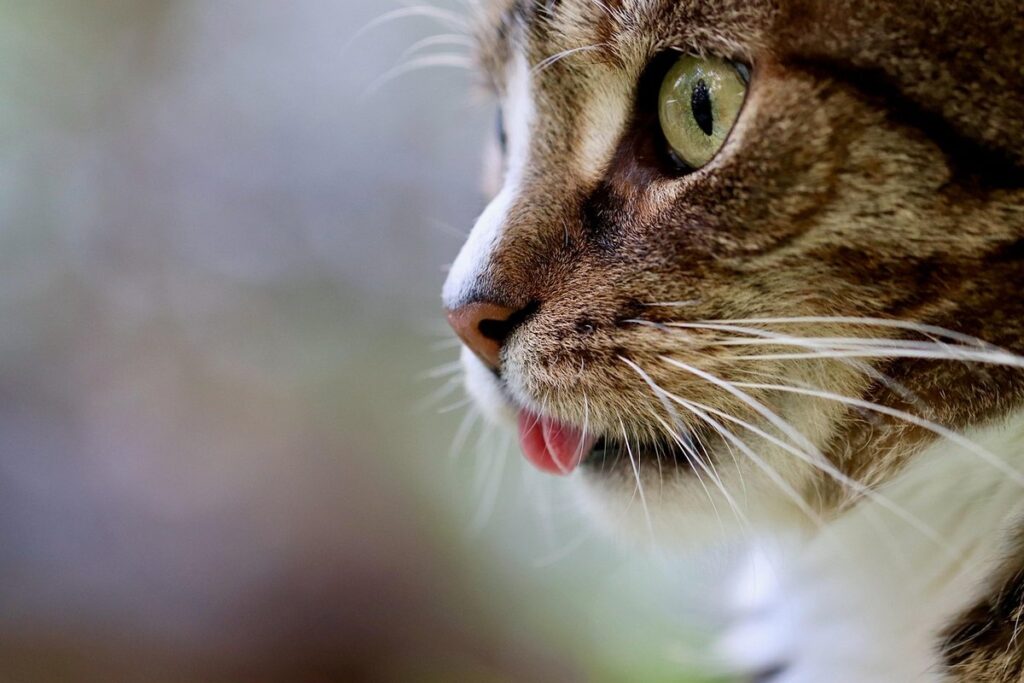
Cats have an innate instinct to hunt, rooted in their evolutionary history as skilled predators. In the wild, their ancestors relied on hunting for survival, and this trait was honed over thousands of generations. Even domesticated cats, raised in comfortable homes with plenty of food and attention, retain this primal urge.
It’s essential to understand that this instinct is not something your cat can simply “turn off.” While some cats may appear more interested in play or affection than hunting, the underlying drive remains present. In fact, many indoor cats will still exhibit hunting behavior, such as stalking toys or even imaginary prey. This natural behavior is a result of their brains being wired to respond to stimuli that mimic the sights and sounds of small animals.
Recognizing this instinctual nature is crucial for preventing your cat from killing birds. By acknowledging and addressing this primal drive, you can take steps to redirect your cat’s energy into more acceptable outlets – such as puzzle toys or interactive play – and reduce the likelihood of outdoor bird encounters turning deadly.
Identifying Environmental Triggers for Hunting
Identifying environmental triggers for hunting is crucial to preventing cats from killing birds. A cat’s living space can significantly influence their behavior. For instance, a cluttered home with narrow spaces and hiding spots can encourage stalking and pouncing on toys or small animals, even if they’re not real prey. On the other hand, a spacious and open environment with plenty of vertical space for climbing and exploring can help reduce hunting instincts.
Similarly, access to the outdoors can be a significant trigger for cat’s hunting behavior. Outdoor cats are more likely to kill birds due to the abundance of prey in their natural habitat. Even if you keep your cat indoors, allowing them access to screened-in porches or catio (a secure outdoor enclosure) can still stimulate their hunting instincts.
It’s essential to consider these environmental triggers when trying to prevent your cat from killing birds. By modifying your cat’s living space and limiting their access to the outdoors, you can reduce the likelihood of bird kills.
Creating a Safe Environment for Birds
When creating a safe haven for birds, it’s essential to consider both outdoor and indoor spaces where feathered friends might visit. Let’s explore ways to protect these areas from your cat’s hunting instincts.
Securing Your Yard with Bird-Friendly Measures
Securing Your Yard with Bird-Friendly Measures is crucial to prevent cats from killing birds. By creating a bird-friendly environment in your yard, you can encourage birds to visit and thrive while keeping cats at bay. To start, consider installing bird feeders that are designed for easy cleaning and refilling. This will attract a variety of bird species, including finches, sparrows, and robins.
Planting native plant species is another effective way to create a bird-friendly environment. Incorporate plants like sunflowers, coneflowers, and shrubs with berries into your yard’s landscape. These plants provide food, shelter, and nesting sites for birds, making them less likely to venture into areas where cats may be present.
To prevent cats from accessing these areas, consider installing physical barriers such as fencing or netting around bird feeders and plantings. You can also try using deterrents like ultrasonic repellent devices that emit high-frequency sounds undetectable to humans but unpleasant for cats. By implementing these measures, you can create a safe haven for birds in your yard and reduce the risk of cat-bird conflicts.
Deterrents: Physical Barriers and Repellents
When it comes to preventing cats from killing birds, deterrents can be an effective solution. By creating a physical barrier between your cat and potential prey, you can significantly reduce the chances of bird-related fatalities.
One such deterrent is ultrasonic repellent devices. These devices emit a high-frequency sound that’s inaudible to humans but unpleasant for cats. They’re relatively inexpensive and easy to install around your garden or yard. For example, the PetSafe Ultrasonic Repellent can be placed near areas where birds frequent, emitting a warning signal to deter curious felines.
Another option is motion-activated sprinklers, which are often used to keep stray animals out of gardens. These devices can also serve as a deterrent for cats by startling them with sudden water sprays whenever they approach the area. Some models come with adjustable settings, allowing you to customize the trigger sensitivity to suit your needs.
You can also consider installing fencing around areas where birds congregate, creating an impenetrable barrier between your cat and potential prey. The type of fence used will depend on your yard’s layout and design requirements, but sturdy chicken wire or hardware cloth are good options for keeping curious cats at bay.
Understanding Cat Training and Behavior Modification
To truly prevent cats from killing birds, you need a solid understanding of cat behavior and how to modify it through effective training techniques. This section will guide you through those essential concepts.
Training Your Cat to Avoid Hunting
Training your cat to avoid hunting birds requires patience, consistency, and positive reinforcement. Start by identifying triggers that set off your cat’s hunting instinct, such as seeing birds outside the window or hearing their chirping sounds. Redirecting their attention with toys or treats can be an effective way to divert their focus away from birds.
Try using feather wands or laser pointers to engage your cat in a fun and interactive play session. This not only provides exercise but also teaches them that hunting is not necessary for entertainment. Reward your cat with treats or praise when they ignore birds outside the window or exhibit calm behavior around them.
Avoid reinforcing unwanted behaviors by not scolding or punishing your cat for trying to hunt. Instead, calmly say “no” and redirect their attention. Consistency is key in training your cat, so ensure all family members follow the same approach to avoid confusing them. With time and effort, your cat can learn to coexist with birds, reducing the risk of harming them.
Managing Your Cat’s Hunting Instinct Through Environmental Adjustments
Managing your cat’s hunting instinct through environmental adjustments is crucial to prevent them from killing birds. By providing enough stimulation and exercise, you can redirect their natural instincts away from wildlife. Start by increasing playtime with your cat. Engage them in activities that mimic hunting, such as laser pointer play or feather toy chasing. This will help burn off excess energy and satisfy their instinctual needs.
Environmental enrichment is also vital in managing your cat’s hunting behavior. Provide climbing structures, scratching posts, and hideaways to encourage exploration and physical activity. Rotate toys regularly to prevent boredom and stimulate their natural curiosity. You can also try food puzzle toys that challenge your cat to figure out how to access treats, keeping them mentally stimulated.
For example, consider providing a catio or screened-in porch where your cat can safely observe birds outside while preventing escape attempts. This compromise allows your cat to indulge in watching wildlife without putting the birds at risk.
Implementing Long-Term Solutions for Prevention
Now that you’ve learned how to identify high-risk areas and modify your cat’s behavior, let’s dive into implementing long-term solutions to prevent further bird kills. This includes creating a safe outdoor space for both cats and birds.
Creating a Routine for Preventing Bird Killing
Creating a routine for preventing bird killing is crucial to reducing the likelihood of your cat targeting birds. This involves establishing a daily schedule that includes regular exercise, mental stimulation, and attention from you. By dedicating specific times of the day to engaging activities, you can redirect your cat’s energy away from hunting.
Start by setting aside 15-30 minutes each morning for playtime with your cat. Engage in activities such as chasing laser pointers or playing with feather wands to get their blood pumping and stimulate their natural hunting instincts in a safe environment. This should be followed by at least one hour of interactive play or puzzle toys to challenge their mind.
Additionally, make sure to provide regular breaks from stimulation throughout the day. A simple 10-15 minute walk around the house or some gentle petting can help your cat unwind and relax. Consistency is key; stick to this routine as closely as possible even on weekends or days off when you’re home. By doing so, you’ll create a habit of responsible behavior in your cat that will carry over into other areas of their life.
Community Involvement in Cat Management
Community involvement is a crucial aspect of managing cat populations and preventing them from killing birds. By working together with local authorities, animal welfare organizations, and residents, we can create a comprehensive approach to address the issue.
Trap-Neuter-Return (TNR) programs are an essential part of community-driven cat management initiatives. These programs involve trapping feral cats, neutering or spaying them, and then releasing them back into their colonies. This approach not only reduces the number of unwanted litters but also decreases aggression levels among cats.
Spaying/neutering services are also vital in managing cat populations. By providing low-cost or free sterilization options for pet owners, we can prevent unwanted breeding and roaming. Local initiatives that support responsible pet ownership, such as education campaigns and microchipping programs, can also contribute to a reduction in feral cat numbers.
To get involved, consider volunteering with local animal welfare organizations, participating in community events, or even starting your own TNR program in your neighborhood. Every effort counts, and collective action can lead to significant positive changes in your community’s cat management practices.
Understanding the Importance of Education and Awareness
To truly make a difference for our feathered friends, it’s essential that we understand why cats hunt birds in the first place and how education can play a key role in prevention.
Raising Awareness About Bird Conservation
Raising awareness about bird conservation is crucial to preventing cat-bird conflicts. By educating ourselves and others, we can work together to protect our feathered friends. Let’s start by sharing resources for learning about cat behavior. The Humane Society offers a comprehensive guide on understanding feline body language, which can help us identify the signs that indicate our cats are stalking or hunting.
Another valuable resource is the Cornell Lab of Ornithology’s “Birds and Cats” webpage, where you’ll find tips on using deterrents to prevent cat-bird interactions. For instance, they suggest installing bird-friendly fencing around your garden or creating a cat-free zone in your backyard. You can also explore community involvement strategies like participating in local clean-up events or joining a bird-watching group.
By leveraging these resources and sharing them with friends, family, and social networks, you’ll be contributing to the bigger picture of bird conservation. Plus, it’s always exciting to share knowledge and learn from others’ experiences!
Building a Support Network for Responsible Cat Ownership
Building relationships with like-minded individuals who share similar concerns about responsible pet ownership can be incredibly beneficial when it comes to preventing cats from killing birds. Consider joining online forums or social media groups focused on cat owners and animal welfare, where you can ask questions, share tips, and learn from others’ experiences.
You can also reach out to local animal shelters or wildlife organizations for guidance on creating a bird-friendly environment in your community. These organizations often provide valuable resources and expertise that can help you implement effective strategies to prevent cat-bird conflicts. For instance, they may recommend installing birdhouses or providing alternative prey sources for your cat.
Additionally, don’t be afraid to connect with neighbors who also own cats. By collaborating, you can share knowledge on the best ways to manage your pets’ hunting instincts and reduce the risk of harm to local bird populations. Remember, building a support network takes time, so start by attending local pet-owner events or volunteering at animal-related organizations in your area.
Final Considerations: Long-Term Commitment and Responsibility
As you’ve taken steps to protect birds, it’s essential to consider your long-term commitment to keeping your cat safe and responsible. This includes maintaining a harmonious coexistence with local wildlife for years to come.
Ongoing Monitoring and Maintenance
As you’ve implemented strategies to prevent cat-bird conflicts, it’s essential to remain vigilant and adapt to changing circumstances. Regular health checks for your feline companion are crucial to ensure their well-being and maintain the effectiveness of your deterrents.
Schedule annual check-ups with your veterinarian to monitor your cat’s overall health, including any potential issues that could contribute to hunting behavior. Additionally, keep an eye out for signs of dental problems or pain, which can trigger your cat to seek prey. Consider using a pheromone spray or diffuser in areas where your cat spends most of its time, as these products mimic natural feline scents and can help reduce stress.
Monitor your cat’s behavior and adjust your management strategies accordingly. For instance, if you notice that your cat has developed a new hunting pattern or is consistently ignoring deterrents, it may be necessary to revisit your setup or implement additional measures.
Embracing a Culture of Responsible Pet Ownership
As we conclude our comprehensive guide on preventing cats from killing birds, it’s essential to acknowledge that responsible pet ownership is a long-term commitment that requires ongoing effort and dedication. Recognizing this will help you approach the process with a growth mindset, adapting to new knowledge and circumstances as they arise.
Embracing a culture of responsible pet ownership means being proactive in your community. This can be achieved by staying informed about local wildlife conservation initiatives, attending workshops or seminars on cat behavior and bird-friendly practices, and networking with like-minded individuals who share your passion for coexisting with wildlife.
Moreover, being part of a community that values responsible pet ownership encourages continuous learning. For instance, you can participate in online forums or social media groups focused on cat care and wildlife conservation to stay updated on the latest research and best practices.
By adopting this mindset, you’ll be better equipped to navigate the complexities of preventing cats from killing birds, ensuring that your efforts are effective and sustainable over time.
Frequently Asked Questions
How do I know if my cat is exhibiting hunting behavior due to instinct or environmental triggers?
Understand that cats often exhibit a mix of both instinctual and environmental-driven behaviors. To differentiate, observe your cat’s behavior: does it seem more intense when outdoor birds are present? Or does it occur even in the absence of birds? If you suspect environmental triggers, try adjusting your surroundings by reducing bird attractants or implementing deterrents.
What if I live in an apartment with no yard – how can I still prevent my cat from killing birds?
While a yard can be helpful for bird-friendly measures, it’s not the only solution. Indoor cats often benefit from play and enrichment activities that mimic hunting, such as feather wands or laser pointers. Also, consider consulting with your landlord about creating a cat-proofed balcony or outdoor space.
Can I use deterrents alone to prevent my cat from killing birds?
While deterrents can be effective in some cases, relying solely on them may not be enough for all cats. Deterrents work best as part of a comprehensive plan that includes environmental adjustments, training, and ongoing monitoring. Be patient and flexible when implementing these measures, as what works initially might need adjustment over time.
How do I introduce new deterrents or environmental changes to my cat’s routine without causing stress?
Gradual introduction is key! Start by introducing the new item at a distance, then gradually increase exposure. Monitor your cat’s behavior closely for signs of stress and adjust the pace accordingly. Remember that consistency and patience are crucial when making significant changes.
Can I train my cat not to hunt if it’s an older or more established habit?
While training can be challenging with deeply ingrained habits, it’s not impossible. With persistence, patience, and positive reinforcement techniques, you can help redirect your cat’s hunting instincts toward more acceptable behaviors. Consult with a certified animal behaviorist for personalized guidance on addressing specific issues.