
Are you ready to take your feathered friend on a new adventure? Training a running duckling is not only an entertaining hobby but also a great way to establish a lifelong bond with your pet. Not all duck breeds are created equal when it comes to speed and endurance, so we’ll explore the best breeds for training a running duckling.
In this comprehensive guide, we’ll cover everything you need to know about getting started with running ducklings. We’ll discuss the benefits of owning a running duck, including increased exercise and mental stimulation for both you and your pet. You’ll also learn how to prepare your home and duckling for the challenges ahead, as well as essential safety tips to ensure a fun and healthy experience for all involved.
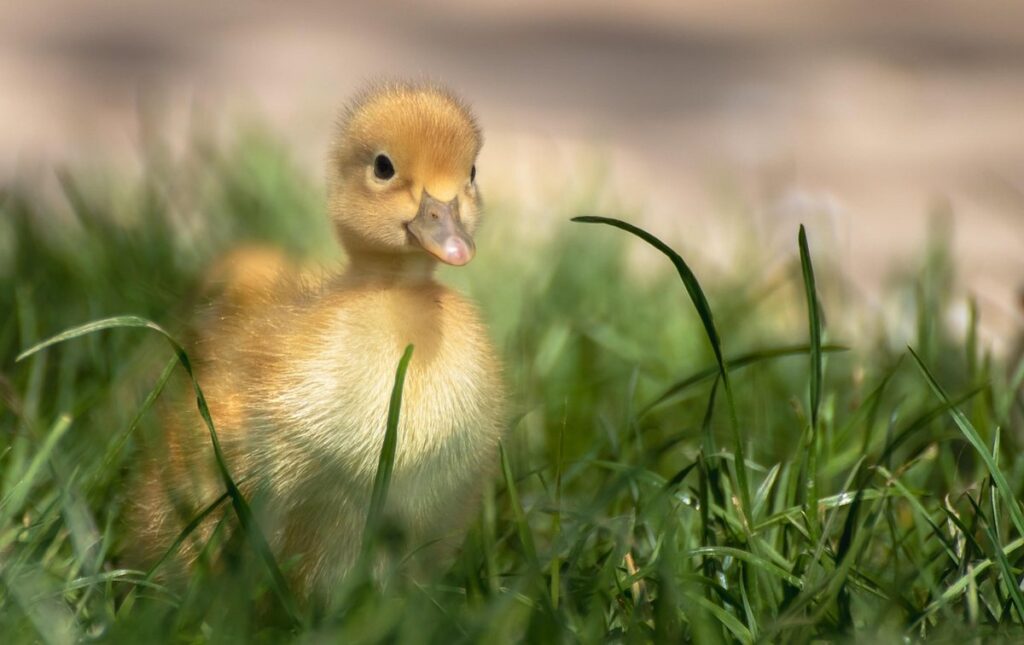
What is a Running Duckling?
So, you’re wondering what all the fuss is about when it comes to running ducklings – let’s start by defining what exactly makes these little ones so special.
Origin and History of Running Ducks
Running ducks have been a popular choice for hunters and waterfowl enthusiasts for centuries. The origins of these birds date back to ancient China, where they were first bred for their unique ability to “run” across the ground instead of swimming like other ducks. This trait made them ideal for hunting in areas with dense vegetation or during periods when wetlands are frozen.
The development of running ducks was specifically designed for hunting purposes. Breeders selectively bred birds that could cover long distances on foot, making them effective at flushing out game from hidden locations. By the 19th century, running ducks had spread to Europe and the United States, where they became a prized catch among hunters.
Today, running ducks are enjoyed not only by hunters but also by backyard farmers and enthusiasts who appreciate their hardiness and adaptability. If you’re considering raising your own running duckling, understanding its origins can provide valuable insight into what makes these birds so special – and how to best care for them as they grow.
Breeds Suitable for Running
When it comes to running ducklings, some breeds are naturally more suited for this activity than others. Two popular breeds that come to mind are the Khaki Campbells and Wood Ducks.
Khaki Campbells, for instance, were originally bred as working ducks on farms in Australia. They’re known for their energetic and adventurous nature, making them perfect candidates for running. Their robust build and strong legs enable them to keep up with demanding exercise routines, including long-distance running. If you’re looking for a breed that can keep pace with your jogging routine, Khaki Campbells are an excellent choice.
Wood Ducks, on the other hand, have a more relaxed demeanor but are still surprisingly agile and athletic. They’re relatively small in size, which makes them ideal for shorter, more leisurely runs around the neighborhood or local park. Their slender build also allows them to navigate tight spaces with ease, making them perfect for urban running adventures.
Both breeds require regular exercise and training to ensure they stay healthy and happy. Make sure to provide plenty of fresh water, nutritious food, and plenty of opportunities for swimming and exploring to keep your feathered friend happy and engaged in their daily activities.
Benefits of Running with Your Duckling
Running with your duckling can be a wonderful bonding experience, and it’s also an excellent way to encourage their physical development and exercise habit. You’ll find that the benefits are numerous!
Physical Health Benefits
Running with your duckling not only strengthens your bond but also has numerous physical health benefits for your feathered friend. As you know, ducklings are naturally inclined to be active, and running is an excellent way to channel this energy into a fun and engaging activity.
Regular running can significantly improve the cardiovascular health of your duckling. Just like humans, exercise helps strengthen their heart and lungs, allowing them to function more efficiently. In fact, studies have shown that regular physical activity in young animals can reduce the risk of developing certain health conditions later in life. By incorporating running into your training routine, you’ll be helping your duckling develop a robust cardiovascular system.
In addition to cardiovascular benefits, running also helps strengthen your duckling’s leg muscles. This is especially important during the critical period of growth and development when their bones and muscles are still forming. Strengthening their legs through exercise will not only improve their overall coordination but also reduce the risk of injury or strain on their joints.
Mental Stimulation and Bonding
As you hit the trails with your duckling by your side, you may have noticed a profound change in your relationship. The mental stimulation and bonding that occurs between a runner and their feathered friend is nothing short of remarkable. For one, running with your duckling requires focus and attention to both your surroundings and your companion’s needs. This shared responsibility fosters a sense of trust and understanding, as you work together to navigate obstacles and challenges.
As you run, your duckling will begin to recognize and respond to your cues, developing a deeper connection with you. This bonding experience is not limited to the physical realm; it also extends to the emotional and mental aspects of your relationship. The exercise and shared adventure release endorphins, creating a sense of joy and companionship that’s hard to find elsewhere.
To maximize this bonding experience, try incorporating verbal cues and rewards into your runs. Use positive reinforcement techniques like treats or praise to encourage good behavior and strengthen your connection.
Preparing Your Duckling for Running
Before you can hit the pavement with your duckling by your side, it’s essential to ensure they’re properly prepared for running. This means getting them accustomed to the right equipment and training techniques from an early age.
Age-Appropriate Training
When it comes to training your duckling for running, timing is everything. You’ll want to start with age-appropriate exercises that cater to their physical development stage.
At around 4-6 weeks old, ducklings are already waddling and exploring their surroundings. This is an excellent time to introduce short, gentle runs under close supervision. Begin by encouraging them to follow you at a slow pace while walking or jogging. Gradually increase the duration of these sessions as they become more confident.
As your duckling reaches 8-12 weeks old, you can start incorporating short bursts of running into their daily routine. Focus on building endurance and agility through play-based activities like hide-and-seek or chasing each other around a safe area.
Remember to always monitor your duckling’s behavior and adjust the training schedule accordingly. Never push them too hard, as this can lead to exhaustion or injury. With patience, consistency, and positive reinforcement, you’ll be well on your way to raising an amazing running duckling!
Nutrition and Hydration
When it comes to training your duckling for running, proper nutrition and hydration are essential components of their exercise regimen. Regular physical activity can lead to rapid growth and development in ducklings, and a well-planned diet is crucial to support this process.
A balanced diet rich in protein, calcium, and vitamins is vital for growing ducklings engaging in regular exercise. You should provide your duckling with a mix of high-quality commercial feed and fresh vegetables, such as leafy greens and carrots. Avoid feeding them too much bread or junk food, which can lead to malnutrition and other health issues.
Ducklings also need access to clean water at all times. A good rule of thumb is to provide one gallon of water for every 10 ducklings per day. You should also ensure that the water is fresh and changed regularly to prevent bacterial growth. Aim to offer your duckling a mix of about 70-80% commercial feed, 20-30% vegetables, and plenty of clean water.
Remember to consult with a veterinarian or experienced breeder for personalized dietary recommendations tailored to your duckling’s specific needs and stage of development.
Tips for a Successful Running Session
To ensure you and your feathered friend have a fun and injury-free run, consider these practical tips to maximize every training session. With these expert suggestions, you’ll be well on your way!
Choosing the Right Location
When it comes to training your duckling to run, finding the right location is crucial. You want to ensure that you’re providing a safe and enjoyable experience for both you and your feathered friend. Parks and trails are excellent options, but not all of them are suitable for running with ducklings.
When scouting out potential locations, consider the terrain, accessibility, and availability of amenities such as water sources and rest areas. Look for places with flat or gently sloping paths to reduce the risk of injury or exhaustion for your duckling. Some popular options include local parks, nature reserves, or even a quiet neighborhood street.
Avoid busy roads or areas with high foot traffic, as this can be overwhelming for your duckling. Instead, opt for peaceful and serene environments that will allow your feathered friend to thrive. Before heading out, always check the weather forecast and ensure that the surface is dry and free of obstacles. By choosing a suitable location, you’ll set yourself and your duckling up for success and create wonderful memories together.
Safety Precautions
When running with your duckling, safety should be your top priority. This little ball of fluff is still learning to navigate the world on two feet, and accidents can happen quickly. To avoid putting yourself and your feathered friend at risk, consider investing in a few essential pieces of equipment.
A properly fitted harness or vest is a must-have when running with your duckling. Look for one that’s designed specifically for small animals, with a comfortable fit and secure attachment points. You’ll also want to choose a leash or cord that’s sturdy enough to withstand the occasional tug from your duckling. A wide, adjustable strap can help prevent chafing and allow for easy adjustments on-the-go.
When running outdoors, be mindful of potential hazards like traffic, loose debris, and water sources. Keep an eye out for any obstacles in your path and steer clear of areas where your duckling might get into trouble. By taking these simple precautions, you’ll be able to enjoy a safe and enjoyable run with your feathered companion by your side.
Common Challenges and Solutions
As you start training your feathered friend, you may encounter some common obstacles that can throw off your progress. We’ll tackle these challenges head-on in this section.
Overexertion and Injury Prevention
Recognizing signs of overexertion in your duckling is crucial to prevent injuries during exercise. As you train your feathered friend, keep an eye out for labored breathing, panting, or showing signs of exhaustion. If your duckling starts to slow down significantly or seems reluctant to continue running, it’s likely they’re feeling overwhelmed.
To prevent injuries, ensure you’re introducing new exercises gradually and not pushing your duckling too hard too soon. A good rule of thumb is to start with short sessions (5-10 minutes) and gradually increase the duration as their endurance improves. Also, pay attention to your duckling’s body language – if they’re favoring a leg or showing signs of discomfort, stop the exercise immediately.
Remember, every duckling is different, so tailor your training program to your feathered friend’s unique needs and abilities. By being mindful of overexertion and taking proactive steps to prevent injuries, you’ll be well on your way to helping your duckling become a happy and healthy running companion.
Managing Aggression or Fear
When running with your duckling, it’s not uncommon for aggression or fear to arise. This can be due to various factors such as unfamiliar environments, new sights and sounds, or even the presence of other animals. To address these issues, it’s essential to recognize the signs early on.
Some common signs of aggression in ducklings include hissing, growling, or flapping their wings. On the other hand, fear can manifest as cowering, trembling, or attempting to hide behind you. If you notice any of these behaviors, remain calm and patient. Here are a few tips to help manage your duckling’s emotions:
* Gradual exposure: Introduce new environments, sights, and sounds gradually to avoid overwhelming them.
* Positive reinforcement: Reward good behavior with treats and praise when they exhibit calmness in the face of potentially scary situations.
* Consistency: Stick to a regular training schedule to help your duckling feel secure and develop trust in you.
* Watch body language: Pay attention to your duckling’s posture, as it can indicate their emotional state.
Conclusion: Nurturing a Healthy Running Relationship
As you near the finish line of training your running duckling, it’s time to think long-term and nurture a healthy relationship that will last a lifetime for both you and your feathered friend.
Long-Term Commitment to Exercise
As you continue on this amazing journey of training your duckling to run with you, it’s essential to maintain a long-term commitment to exercise. This may seem daunting, but trust us, the benefits far outweigh the challenges. By fostering a regular exercise routine, you’ll not only strengthen your bond with your feathered friend but also create a lifelong habit that will keep both of you active and healthy.
Consistency is key when it comes to developing a strong relationship between you and your duckling. Aim to exercise together at least 3-4 times a week, with a minimum of 30 minutes per session. This will allow you to make progress without feeling overwhelmed or burnt out. Gradually increase the duration and frequency as your duckling becomes more confident and comfortable in its running shoes.
To keep things interesting and prevent boredom, mix up your routes, try new terrains, or incorporate playtime into your exercise routine. For example, if you’re training on a flat path, take your duckling to a nearby park with hills or trails for added variety. You can also swap out your usual route for a fun obstacle course or agility challenge.
Remember, it’s not just about the physical benefits – regular exercise will also strengthen your emotional connection with your duckling. As you work together towards common goals, you’ll build trust and confidence in each other’s abilities. This lifelong bond is worth every step of the way!
Frequently Asked Questions
Can I train a duckling to run from an early age, or should I wait until it’s older?
Yes, you can start training your duckling as early as 4-6 weeks old, but be sure to monitor its energy levels and adjust the intensity of the sessions accordingly. It’s essential to establish good exercise habits from an early age to prevent overexertion and ensure a lifelong commitment to running.
How do I choose the right breed for running with my duckling?
Consider breeds like Khaki Campbell, Indian Runner, or Muscovy ducks, which are known for their speed and endurance. However, it’s crucial to remember that individual personalities and abilities can vary within breeds, so observe your duckling’s behavior and adapt your training accordingly.
What are some common mistakes beginners make when training a running duckling?
Common pitfalls include overexertion, inadequate nutrition, and insufficient mental stimulation. Make sure to provide a balanced diet, regular exercise, and engaging activities to keep your duckling happy and healthy.
Can I train my duckling in any environment, or do I need specific locations?
While it’s possible to train your duckling in various environments, consider choosing areas with minimal distractions, good ventilation, and suitable surfaces for running. Avoid training near water sources or in extreme weather conditions that may pose a risk to your duckling’s safety.
How can I prevent overexertion and injury when running with my duckling?
Monitor your duckling’s energy levels and take regular breaks to avoid exhaustion. Be mindful of surface conditions, weather, and temperature, and adjust the intensity of the sessions accordingly. Regular veterinary check-ups will also help identify any potential health issues early on.