
If you’re anything like me, you’ve probably struggled with managing your flock’s feeding habits. Between messy feeders, wasted food, and birds that just won’t stop pecking at the ground, it can be overwhelming to keep your chickens healthy and happy. But what if I told you there’s a way to simplify things? Enter the treadle feeder: a game-changing solution for minimizing waste, promoting healthy eating habits, and boosting farm efficiency. By implementing treadle feeders in your backyard or commercial farm, you can enjoy a more streamlined feeding process that lets your birds thrive. In this article, we’ll explore the best practices for using treadle feeders and how they can transform your flock’s nutrition and overall well-being.
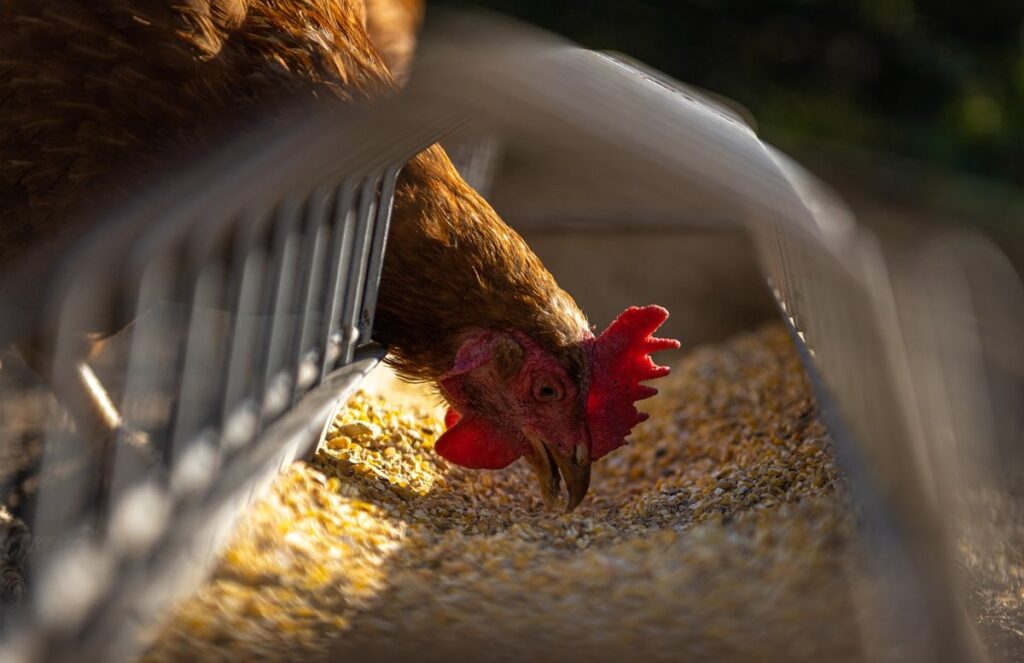
What Are Treadle Feeders?
Let’s dive into what exactly treadle feeders are and how they work, which will help you understand why they’re a great choice for your flock. These innovative feeding systems use simple technology to keep chickens healthy and focused on their food.
History of Treadle Feeders
The concept of treadle feeders has been around for over a century, with its origins dating back to the early 20th century. Initially designed as a means to provide chickens with a more convenient and efficient way to access food, treadle feeders were first introduced on farms in the United States and Europe. The primary purpose was to prevent overeating and waste by only allowing hens that stepped on the treadle to access the feeder.
Over time, treadle feeders have evolved significantly, incorporating various features such as adjustable height settings and automatic shut-off mechanisms. In recent years, there has been a resurgence of interest in traditional chicken-keeping methods, with many backyard farmers opting for treadle feeders as a way to promote natural foraging behavior and reduce waste.
One key advantage of modern treadle feeders is their ability to adapt to different flock sizes and ages. Many models now come equipped with adjustable settings that allow farmers to fine-tune the feeding experience for their chickens, ensuring they receive just the right amount of nutrients at any given time. This thoughtful design approach has helped make treadle feeders a staple in many poultry-keeping households today.
How Treadle Feeders Work
At its core, a treadle feeder is designed to regulate a chicken’s food intake by controlling access to the feeding trough. This clever mechanism consists of a platform or “treadle” that must be depressed with one’s foot in order for the feeder to open and allow the bird to eat. The most basic components involved include the treadle, the feed hopper, and the locking mechanism.
When a chicken steps onto the treadle, it sinks down slightly, releasing the lock on the feed hopper. This enables the chicken to access the food inside, allowing it to eat as needed. Once the chicken is finished eating or removes its foot from the treadle, the feed hopper locks back into place, preventing further access.
This design prevents chickens from overeating by limiting their access to food. As a result, flock owners can ensure that their birds are receiving an optimal amount of nutrients without wasting excess feed. This can be particularly beneficial for large flocks or those with high energy birds that might otherwise overconsume their feed.
Benefits of Using Treadle Feeders
Using treadle feeders can bring a host of benefits, from reduced waste to increased exercise for your flock. Let’s dive into what you can expect.
Reduced Waste and Overeating
Using treadle feeders can be a game-changer for chicken owners who want to reduce food waste and prevent overeating. By allowing only the intended birds to access the feeder, these systems significantly minimize the amount of feed that’s wasted.
One of the main reasons why traditional feeders often result in excess waste is because all birds, including those who shouldn’t be eating at a particular time or have eaten their fill already, can easily gain access. With treadle feeders, this problem is eliminated as only birds with the weight or proper configuration will be able to open and eat.
This reduction in waste not only saves you money on feed but also decreases the environmental impact of your flock’s consumption patterns.
Increased Efficiency for Farmers
Using treadle feeders can significantly increase efficiency for farmers by streamlining feeding operations. This is particularly evident when it comes to large flocks where manual feeding can be a time-consuming and labor-intensive task. With traditional feeder systems, farmers often spend a considerable amount of time refilling feeders throughout the day. In contrast, treadle feeders eliminate this issue as chickens only access food when they step on the treadles, preventing waste and overeating.
Treadle feeders can also help reduce labor costs by minimizing the need for manual feeding. This not only saves time but also reduces the risk of disease transmission through human interaction with the birds. Furthermore, treadle feeders promote healthy eating habits in chickens as they learn to associate stepping on the treadles with accessing food.
To get the most out of your treadle feeder, it’s essential to position them at a comfortable height and ensure that all chickens can access them easily. By implementing this efficient feeding system, farmers can save up to 30% of their labor costs while also improving the overall health and well-being of their flock.
Improved Chicken Health
When you use treadle feeders for your chickens, one of the most significant benefits is improved chicken health. By limiting access to food and allowing birds to work for their meals, these feeders help reduce the risk of obesity and related diseases.
Obesity is a major concern in backyard flocks, as it can lead to diabetes, heart disease, and other conditions that compromise the overall health of your chickens. Treadle feeders mitigate this risk by ensuring birds only eat what they need, promoting natural foraging behavior.
The benefits extend beyond just physical health; treadle feeders also have a positive impact on mental well-being. By encouraging activity and exercise, these feeders can help reduce stress and boredom in your flock.
In practical terms, using treadle feeders means you’ll spend less time managing your chickens’ diet and more time enjoying the benefits of raising healthy, active birds. You can also expect to see improvements in egg production and overall health over time.
By incorporating treadle feeders into your backyard chicken-keeping routine, you’re taking a proactive step towards creating a healthier environment for your flock.
Types of Treadle Feeders
There are several types of treadle feeders available, each designed to suit different flock sizes and owner preferences. Let’s explore some of the most popular options together.
Manual vs. Automated Feeders
When it comes to choosing the right type of treadle feeder for your chickens, one key decision is whether to opt for manual or automated feeders. Both types have their advantages and disadvantages, which we’ll explore below.
Manual treadle feeders are a more traditional option, requiring you to physically open the door to allow access to food. This type is often preferred by those on smaller farms or homesteads where simplicity and low maintenance are key benefits. Manual feeders also tend to be less expensive upfront, making them an attractive choice for budget-conscious farmers.
However, manual treadle feeders can be time-consuming to manage, especially if you have a large flock. You’ll need to physically check on the chickens multiple times a day to ensure they’re not wasting food or fighting over access. Automated feeders, on the other hand, use sensors and timers to regulate feeding schedules, reducing labor and waste.
Automated treadle feeders are ideal for larger farms where efficiency is paramount. They can be programmed to dispense feed at set times, minimizing the risk of overeating and related health issues. Additionally, automated feeders often come equipped with features like locking mechanisms to prevent tampering or access by predators.
Ultimately, the choice between manual and automated treadle feeders depends on your specific farm needs and goals. If you’re managing a small flock or prioritize simplicity, a manual feeder may be the way to go. However, if you’re looking for increased efficiency and reduced labor costs, an automated feeder is likely the better option.
Design Variations and Customization Options
When it comes to choosing a treadle feeder for your flock, you’ll find that there are numerous design variations and customization options available. This is great news because it allows you to tailor the feeder to meet the specific needs of your birds.
Sizes, for instance, can range from small, compact feeders suitable for backyard flocks to larger commercial-grade models designed for larger operations. You might consider a smaller feeder if you have a limited amount of space or a smaller flock. Larger feeders, on the other hand, offer more capacity and can be beneficial for bigger farms.
Materials are also worth considering when selecting a treadle feeder. While plastic feeders are inexpensive and easy to clean, metal and wood options offer greater durability and can withstand the elements better. If you live in an area with high humidity or extreme weather conditions, a metal or wooden feeder might be a more suitable choice.
Customization options abound as well. Some manufacturers offer interchangeable parts, allowing you to upgrade or repair individual components rather than replacing the entire feeder. Others may provide pre-configured designs that cater to specific breeds or flock sizes.
Installing and Maintaining Treadle Feeders
Installing a treadle feeder is relatively straightforward, but it does require some technical know-how to ensure you’re doing it safely and effectively. Let’s dive into the step-by-step process of setting one up in your coop.
Preparing the Feeding Area
When preparing the feeding area for treadle feeder chickens, it’s essential to create a safe and accessible space that encourages them to use their feeders effectively. A well-designed feeding area can make all the difference in the overall health and happiness of your flock.
Start by choosing a location that is easy for your chickens to access and provides enough space for multiple birds to eat comfortably. Avoid placing the feeder near roosting bars, as this can lead to overcrowding and competition at mealtime. Instead, position it in an area where your chickens can easily walk up to the feeder without feeling threatened or crowded.
Consider adding a few inches of extra space around the feeder to allow for easy movement and turning. You may also want to install a non-slip surface beneath the feeder to prevent slipping and sliding on wet or icy surfaces. By taking these simple steps, you’ll be able to create a feeding area that promotes healthy eating habits and happy chickens.
Tips for Maintenance and Repair
Regular maintenance is crucial to keep your treadle feeder chickens running smoothly. Start by cleaning the feeder regularly, ideally every week, to prevent clogging and bacterial growth. Remove all debris and food particles from the feeder and replace the mats or liners as needed.
Check for wear and tear on moving parts, such as the door hinges and spring-loaded mechanisms, and lubricate them with silicone spray to ensure smooth operation. Also, inspect the treadle plates for signs of damage or excessive wear, and replace them if necessary.
Common issues like clogged feeders can be resolved by checking for blockages in the feeder’s pipes or valves. If you notice a problem, turn off the power supply and carefully disassemble the affected area to clear any obstructions.
To repair worn-out components, consult your manufacturer’s instructions or online resources for guidance. In some cases, simple replacement parts may be available for purchase. For more complex repairs, consider consulting with an experienced DIY enthusiast or seeking professional help.
Challenges and Limitations of Treadle Feeders
While treadle feeders can be a fantastic addition to your backyard flock, they’re not without their drawbacks. Let’s explore some of the challenges you might encounter when using these innovative feeders.
Initial Investment Costs
When it comes to introducing treadle feeders into your backyard chicken-keeping setup, one of the first things that may come to mind is the initial investment cost. Purchasing a single high-quality treadle feeder can be steep, with prices ranging from $50 to over $200, depending on size and features.
One potential drawback is the upfront expense, which can be a significant barrier for those just starting out or on a tight budget. However, it’s essential to consider the long-term benefits of owning a treadle feeder. Not only will you save money in feed waste, but you’ll also enjoy reduced labor costs associated with manual feeding and cleaning.
To put this into perspective, let’s say your flock consumes an average of 10 pounds of feed per day. By using a treadle feeder, you can expect to save around $5-7 per day in feed waste alone. Over the course of a year, that adds up to over $1,900 in savings! When factored into the overall cost of ownership, the initial investment becomes much more manageable.
To make treadle feeders more accessible, consider the following tips:
* Start small: Begin with a single feeder and monitor its effectiveness before expanding.
* Shop around: Research different brands and models to find the best value for your budget.
* Consider DIY options: Build your own treadle feeder using affordable materials or repurpose an existing one.
Learning Curve for Farmers
Adapting to treadle feeders requires patience and understanding of chicken behavior. Farmers often underestimate the time it takes for chickens to learn this new system, which can lead to frustration and wasted resources. When introducing treadle feeders, you’ll need to adjust your feeding schedules to accommodate the learning curve.
Chickens may initially resist using the treadle feeder, pecking at it repeatedly without success. This behavior is normal as they figure out how to activate the feeder. You can speed up the process by providing a few drops of corn or treats in the feeder to associate with its operation. As chickens become more comfortable with the feeder, you’ll need to adjust your feeding schedule to ensure they’re eating enough.
A good rule of thumb is to start with shorter periods and gradually increase the time allowed at the feeder. This will help prevent overeating and reduce waste. With a little patience and flexibility, you can teach your chickens to use treadle feeders efficiently, providing them with a nutritious and stress-free feeding experience.
Best Practices for Implementing Treadle Feeders
To get the most out of your treadle feeder system, it’s essential to implement it correctly from the start. Here are some best practices to keep in mind when introducing this technology to your flock.
Gradual Introduction to Treadle Feeders
When introducing treadle feeders to your flock, it’s essential to do so gradually to prevent stress and ensure a smooth transition. Start by placing the feeder near their existing feeding area, but not directly next to it. This will allow them to become familiar with the new device without feeling overwhelmed.
Next, begin offering treats or favorite foods through the treadle feeder while still providing access to the old feeding area. This dual-feeding approach allows chickens to associate the treadle feeder with positive experiences and rewards their exploration of this new food source. As they grow more comfortable, you can gradually phase out the old feeding area.
A key consideration is monitoring your flock’s behavior and adjusting the introduction pace accordingly. If you notice signs of stress or hesitation, slow down the transition process or revisit previous steps. By introducing treadle feeders in a gradual and gentle manner, you’ll set your flock up for success and help them thrive with this innovative feeding system.
As chickens become accustomed to the treadle feeder, they’ll begin to rely on it as their primary source of nutrition.
Ongoing Monitoring and Adjustments
Monitoring your flock’s treadle feeder usage is crucial to ensure that each bird has access to food when needed. As chickens grow and develop at different rates, their feeding requirements can change significantly over time. To optimize the use of treadle feeders, it’s essential to continuously monitor and adjust feeding schedules accordingly.
Start by observing your birds’ behavior around mealtime. Do you notice any chickens consistently struggling to access the feeder or having trouble returning to their roosting areas? Are there certain times of day when more birds are using the feeder than others? By paying attention to these patterns, you can identify potential issues with feeding schedules and make adjustments.
To optimize feeding schedules, consider the following: implement multiple feeders in different locations to reduce competition, adjust the sensitivity of the treadle mechanism, or try different types of food that are easier for chickens to access. Regularly inspect the feeder for any blockages or wear and tear, making sure it’s functioning correctly. By being proactive and adjusting feeding schedules as needed, you can help ensure every bird has equal access to food, promoting a happy and healthy flock.
Frequently Asked Questions
Can I use treadle feeders for chickens of all ages and breeds?
Yes, treadle feeders are designed to accommodate a wide range of chicken breeds and ages. However, it’s essential to consider the size and strength of your flock when selecting the right feeder. Larger or more energetic birds may require stronger feeders to prevent damage and ensure efficient feeding.
How do I know if my chickens have adapted to using treadle feeders?
Monitor your flock’s behavior around the feeders. If they seem hesitant or struggling to access food, it may be due to initial unfamiliarity with the new system. Gradually introducing the treadle feeder can help them adjust and learn how to use it efficiently.
Can I customize my treadle feeder to fit specific needs of my farm?
Yes, many manufacturers offer customization options for treadle feeders, allowing you to tailor the design to your unique requirements. Consider factors such as feeder capacity, material, and automation level when selecting a customized solution that suits your farm’s efficiency goals.
How often should I clean and maintain my treadle feeder to prevent waste and overeating?
Regular cleaning is crucial to maintaining the effectiveness of your treadle feeder. Aim to clean the feeder at least twice a week, or more frequently if you notice signs of excessive waste or contamination. This will help minimize potential health risks for your flock.
Are there any specific considerations I should keep in mind when installing multiple treadle feeders on my farm?
When installing multiple treadle feeders, prioritize strategic placement to ensure maximum efficiency and minimal disruption to your flock’s routine. Consider factors such as feeder proximity, accessibility, and visual cues to help guide your chickens towards the feeding areas.