
Treating chicken lice can be a frustrating and time-consuming process, especially if you’re not equipped with the right knowledge. If you’ve ever dealt with an infestation, you know how quickly these tiny pests can take over your flock, causing discomfort and stress for both birds and owners alike. But fear not! In this article, we’ll explore effective methods to treat chicken lice, including chemical treatments that are specifically designed to target these pesky insects, as well as natural remedies that are gentle on your birds’ skin but tough on the lice themselves. We’ll also cover prevention tips to help you maintain a healthy flock environment and strategies for overcoming common challenges when it comes to managing lice infestations. By the end of this article, you’ll be equipped with the knowledge and confidence to tackle even the toughest lice problems head-on.
Understanding Chicken Lice Infestations
To understand how to effectively treat chicken lice, it’s essential to grasp what causes these pesky infestations and why they can be so challenging to eradicate.
What are Chicken Lice?
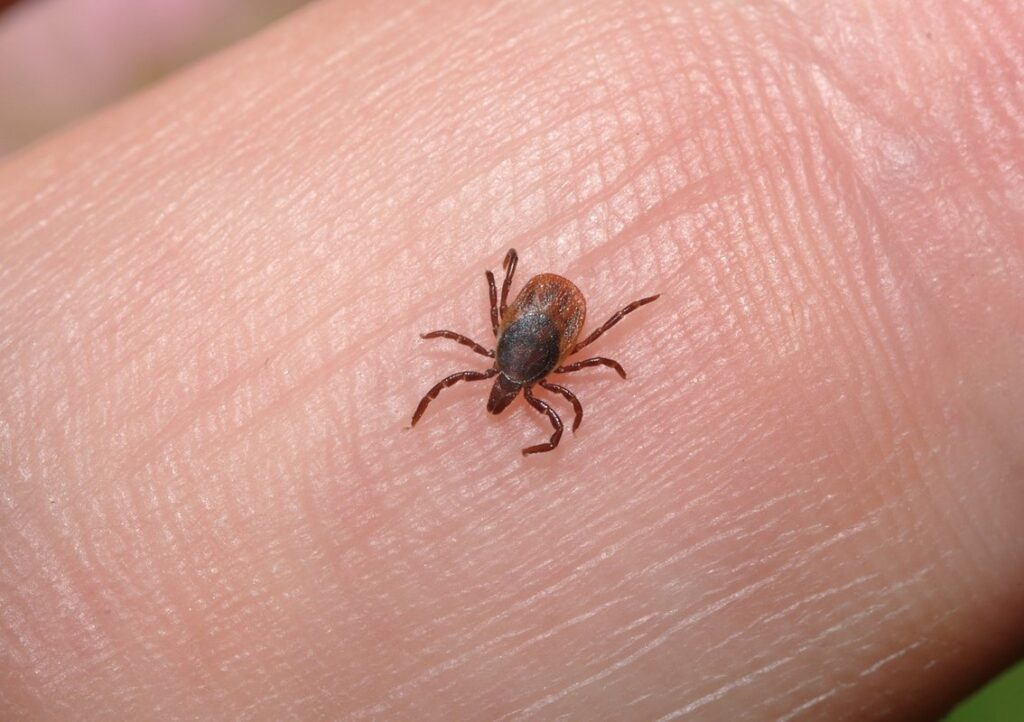
Chicken lice are tiny ectoparasites that infest chickens, feeding on their blood and causing discomfort. There are two types of chicken lice: the body louse (Menacanthus stramineus) and the head louse (Menoganthopus gallinae). Body lice typically inhabit the feathers around a chicken’s neck, back, and tail, while head lice infest the feathers on a chicken’s head.
The life cycle of chicken lice is relatively fast. Adult lice lay eggs, which hatch into nymphs within 7-10 days. These nymphs go through three molts before reaching adulthood in about 3 weeks. This rapid reproduction allows lice populations to grow quickly if not addressed promptly.
Chickens infested with lice may exhibit symptoms such as excessive scratching, feather plucking, and restlessness. In severe cases, lice can cause anemia, weight loss, and decreased egg production. It’s essential to recognize the signs of a lice infestation early on to prevent the spread of these pests and minimize the risk of health complications in your flock. Regular monitoring and cleaning of coops can help detect and control chicken lice populations.
Signs of a Chicken Lice Infestation
If you suspect that your chickens have a lice infestation, it’s essential to look out for common signs. One of the first things you might notice is excessive preening. Chickens with lice will often excessively clean their feathers, which can lead to feather damage and bare spots.
Another sign of an infestation is weight loss. Lice feed on your chickens’ blood, causing them to become malnourished over time. If you’ve noticed a decrease in appetite or a decline in egg production, it could be due to a lice infestation.
Feather damage is also a telltale sign. Lice eggs are sticky and can attach themselves to feathers, causing them to become brittle and break off easily. When inspecting your chickens, look for bare patches of skin, missing feathers, or areas where the feathers have been pulled out completely.
It’s crucial to catch an infestation early on to prevent further complications. If you notice any of these signs, isolate your chickens immediately and begin treating them with a medicated powder or spray. Regular inspections and preventative measures can also help keep lice at bay.
Why Treating Chicken Lice is Important
Treating chicken lice is crucial for the health and well-being of your flock. Left unchecked, these pesky parasites can cause significant stress and discomfort to your birds, leading to a decline in their overall health and productivity. Chicken lice feed on the bird’s blood, which can result in anemia, weight loss, and weakened immune systems.
In severe cases, untreated chicken lice infestations have been linked to increased mortality rates among chickens. This is particularly concerning for small-scale or backyard farmers who rely heavily on their flock for food and income. Furthermore, chicken lice can also transmit diseases such as mites, fleas, and ticks, further compromising the health of your birds.
It’s essential to treat chicken lice promptly and effectively to prevent these issues from arising. Regularly inspecting your birds for signs of infestation, such as excessive scratching or feather pecking, can help you catch the problem early on. By taking swift action and implementing effective treatment methods, you can restore the health and vitality of your flock, ensuring a thriving and productive farm.
Causes and Contributing Factors of Chicken Lice Infestations
Chicken lice infestations can be caused by a combination of factors, including poor ventilation, overcrowding, and unsanitary living conditions for your flock. Understanding these causes is essential to effectively treating chicken lice.
Poor Sanitation and Hygiene Practices
Poor sanitation and hygiene practices are often overlooked as contributing factors to chicken lice infestations. However, they play a significant role in the spread of these pests. Inadequate cleaning is a major culprit, allowing lice eggs (nits) and adult lice to thrive in dirty coops and surroundings.
For instance, failing to regularly clean and disinfect feeders, waterers, and nesting boxes creates an ideal environment for chicken lice to multiply. Similarly, neglecting to inspect your flock on a regular basis can lead to undetected infestations, allowing the problem to escalate. It’s essential to develop a routine that includes daily cleaning and weekly deep cleaning of your coop and surrounding areas.
To prevent this scenario, make sure to establish a thorough cleaning schedule, focusing on high-touch areas such as feeders, waterers, and nesting boxes. Regular inspections will also help identify potential issues early on, allowing you to take corrective action before the infestation spreads. By prioritizing cleanliness and vigilance, you can significantly reduce the risk of chicken lice taking hold in your flock.
Inadequate Nutrition and Stress Factors
When it comes to treating chicken lice infestations, it’s essential to consider the underlying factors that can contribute to these pesky parasites. One crucial aspect is the nutrition and living conditions of your chickens.
Chickens need a balanced diet rich in protein, vitamins, and minerals to maintain their overall health. However, inadequate nutrition can weaken their immune system, making them more susceptible to infestations. A diet lacking essential nutrients can also affect their skin and feathers, creating an ideal environment for lice to thrive. For instance, chickens that are not receiving enough calcium may develop weak bones and skin, providing a foothold for lice.
Stress factors such as overcrowding and changes in environment can also play a significant role in making your chickens more vulnerable to infestations. When chickens are stressed, their immune system is compromised, allowing parasites like lice to take hold easily. Overcrowding can lead to increased stress levels among your flock, while sudden changes in their living conditions can cause anxiety and weaken their defenses.
To prevent these issues, ensure that your chickens have a balanced diet and adequate space to roam freely. Regularly clean and disinfect their living area to reduce stress and promote overall health.
Lack of Vaccination and Treatment Programs
The importance of vaccination and treatment programs cannot be overstated when it comes to preventing chicken lice infestations. In many countries, poultry diseases such as Newcastle disease and infectious bronchitis are prevalent, and these conditions create an ideal environment for parasites like chicken lice to thrive.
Unfortunately, the lack of adequate vaccination and treatment programs in some regions is a significant contributing factor to the spread of chicken lice. For instance, according to a study by the World Health Organization (WHO), many poultry farms in developing countries do not have access to affordable or effective vaccines against common poultry diseases.
This situation can be improved by implementing robust vaccination and treatment programs, which should include regular check-ups, parasite control measures, and education for farmers on best practices. By doing so, the risk of chicken lice infestations can be significantly reduced, ultimately leading to healthier birds and a more sustainable poultry industry.
Methods for Treating Chicken Lice
Now that we’ve discussed how to identify and prevent chicken lice, let’s dive into some effective methods for treating these pesky pests. We’ll explore a variety of techniques to get your flock back to health.
Chemical Treatments: Pros and Cons
Chemical treatments can be an effective way to get rid of chicken lice infestations, but it’s essential to weigh their pros and cons before using them. Pyrethrin sprays are one common chemical treatment for chicken lice. They work quickly to kill the lice, but repeated use can lead to resistance in some cases. Permethrin powders are another popular option, often applied directly to the birds’ feathers or to their living areas.
However, it’s crucial to consider the potential risks associated with these treatments. Exposure to permethrin and pyrethrin can be hazardous for humans, particularly if they’re not used correctly. Moreover, chemical treatments can leave residues on the birds and in their environment, posing environmental concerns. Rotenone dusts are another chemical treatment option but have been largely phased out due to toxicity concerns.
Before using any chemical treatment, make sure you read and follow the label instructions carefully, and consider alternatives or additional methods for treating chicken lice, such as manual removal or natural treatments. Always prioritize your health, the well-being of your birds, and the environment when choosing a treatment method.
Natural and Organic Treatment Options
If you’re looking for a more natural approach to treating chicken lice, there are several effective alternatives worth considering. Diatomaceous earth, for instance, is a popular choice among chicken keepers. This non-toxic powder works by dehydrating the lice, causing them to die within 24 hours. Sprinkle it liberally on your coop and run, making sure to avoid areas where your chickens will be able to inhale it.
Another option is citrus spray, which can be made at home using lemon or orange juice mixed with water. Spray it directly onto the affected areas, taking care not to get any in the eyes or respiratory system of your birds. Essential oils like tea tree and lavender have also been shown to repel lice. Mix a few drops of one of these oils with water and spray it on your chickens.
When using essential oils, be sure to dilute them properly and do a patch test first to ensure they don’t cause any irritation.
Combining Treatments for Best Results
When treating chicken lice, it’s often most effective to combine chemical and natural treatments for optimal results. Chemical treatments can be quick-acting and reliable, but they may not address the underlying causes of infestation, such as poor coop hygiene or inadequate ventilation. On the other hand, natural treatments like diatomaceous earth or essential oils can help prevent re-infestation and promote a healthy environment.
To combine chemical and natural treatments effectively, start by identifying the most severe cases of lice infestation on your birds. Use a chemical treatment like permethrin to quickly kill adult lice and their eggs. Follow this with a natural treatment, such as dusting with diatomaceous earth or applying a mixture of essential oils (like tea tree oil and lavender oil), to help prevent re-infestation.
Remember to always follow the instructions on the product label and take necessary precautions when using chemical treatments. Additionally, ensure good ventilation in your coop and clean up any droppings regularly to reduce the risk of re-infestation.
Preventing Future Infestations
Now that we’ve tackled treating existing infestations, let’s focus on preventing future ones from taking hold by implementing simple yet effective measures. This includes regular cleaning and monitoring of your flock.
Establishing a Regular Inspection Schedule
Regular inspections are crucial to preventing future infestations of chicken lice. These pesky parasites can quickly multiply and spread throughout a flock if left unchecked. To catch potential issues early on, it’s essential to establish a regular inspection schedule.
Inspect your chickens at least once a week, looking for signs of lice such as eggs, nymphs, or adult lice attached to the feathers, beak, or face. Check for excessive scratching or preening, which can indicate discomfort caused by lice. Also, keep an eye out for dust baths, which can help chickens self-clean but may also hide infestations.
During inspections, gently comb through your chickens’ feathers with a fine-toothed comb to catch any hidden lice. This is especially important in areas around the vent and under the wings, where lice tend to congregate. If you notice any signs of an infestation, address it immediately by treating your flock with an effective lice treatment. Remember, prevention is key – regular inspections can help prevent future infestations from taking hold.
Implementing Prevention Strategies
Preventing future infestations of chicken lice requires a multi-faceted approach that addresses the underlying causes. One key strategy is to improve sanitation around your flock. This includes regularly cleaning and disinfecting their living areas, as well as removing any debris or clutter that may be attracting pests.
Providing adequate nutrition for your chickens is also crucial in preventing infestations. A balanced diet rich in essential nutrients will help keep your birds’ skin and feathers healthy, making it more difficult for lice to attach themselves. Consider adding supplements like omega-3 fatty acids or flaxseed oil to their feed to promote a healthy coat.
Reducing stress factors is another critical component of preventing future infestations. Chickens under stress are more susceptible to lice infestations due to a weakened immune system. Ensure that your birds have access to fresh water, adequate space, and a suitable environment with natural light and ventilation.
By implementing these prevention strategies, you can reduce the likelihood of recurring lice infestations and keep your flock healthy and happy.
Maintaining a Healthy Flock Environment
Maintaining a healthy flock environment is crucial to prevent future infestations of chicken lice. A clean and well-ventilated coop promotes overall health and well-being, making it easier for chickens to fight off parasites like lice.
To achieve this, start by regularly cleaning the coop, removing soiled bedding and replacing it with fresh pine shavings or straw. Ensure good airflow by installing windows or vents that allow for cross- ventilation. This will help reduce moisture buildup, which can attract pests. Also, ensure adequate light penetration to discourage mites and lice from thriving.
Additionally, store feed and supplies in sealed containers to prevent attracting rodents and other critters that can carry parasites. Disinfect all equipment, including feeders and waterers, with a solution of 1 part white vinegar to 9 parts water. This will help eliminate any potential sources of infestation. By maintaining a clean and well-ventilated environment, you’ll create an ecosystem that discourages the presence of chicken lice, making it easier to prevent future infestations.
Overcoming Common Challenges in Treating Chicken Lice
Dealing with chicken lice can be frustrating, so let’s tackle some of the most common challenges you might face when trying to get rid of them. We’ll explore practical solutions and expert advice to overcome these obstacles.
Dealing with Re-infestation and Resistance
Dealing with re-infestation is a common challenge when treating chicken lice. It’s essential to be aware that some lice species can survive for up to 24 hours outside of their host. If you notice signs of re-infestation, start by thoroughly cleaning and disinfecting the coop and all equipment. Remove any bedding or materials where lice may be hiding.
To address resistance, it’s crucial to rotate treatments every 7-10 days to avoid developing immunity in the lice population. Using a combination of chemical and non-chemical treatments can also help manage resistance. For example, you can use permethrin sprays on affected birds while simultaneously using diatomaceous earth or powder on their bedding and environment.
It’s also vital to monitor your flock regularly for signs of re-infestation, such as excessive scratching or fluffing. Taking these preventative measures will help minimize the risk of lice infestations recurring.
Managing Stress Factors and Environmental Conditions
Managing stress factors and environmental conditions is crucial when it comes to preventing chicken lice infestations. Heat stress can exacerbate the problem, as stressed birds are more susceptible to parasite infections. To mitigate this issue, ensure that your coop has adequate ventilation to maintain a comfortable temperature range between 50°F and 70°F (10°C and 21°C).
Overcrowding is another significant stress factor that can contribute to infestations. Birds need space to move around comfortably, so aim for at least 3-4 square feet of floor space per bird. Avoid keeping too many birds in a small coop, as this can lead to increased stress levels and potentially worsen the lice problem.
Additionally, maintain a clean and well-maintained coop by regularly cleaning droppings, changing bedding, and providing fresh water. This will help reduce the overall stress on your flock, making them less susceptible to parasite infections. By addressing these environmental conditions, you can create a healthier environment for your birds, reducing the likelihood of chicken lice infestations.
Building a Support Network for Treatment and Prevention
Building strong relationships with fellow chicken keepers is crucial when it comes to treating and preventing chicken lice. You don’t have to face this challenge alone – join online forums, social media groups, or local poultry associations to connect with others who have dealt with the issue. These communities can offer valuable advice on effective treatment methods and share their own experiences.
It’s also essential to tap into expert knowledge. Reach out to experienced chicken keepers, veterinarians, or extension agents for guidance. They can provide you with personalized advice based on your specific situation and help you identify potential sources of infestation. Don’t be afraid to ask questions – they’re a great resource for troubleshooting common problems.
Asking for help is a sign of strength, not weakness, especially when dealing with pests like chicken lice. By surrounding yourself with supportive people who understand the challenges you face, you’ll be better equipped to tackle this problem and find effective solutions. With their guidance, you can develop a comprehensive plan to treat your flock and prevent future infestations.
Frequently Asked Questions
Can I treat chicken lice without consulting a veterinarian first?
It’s essential to consult with a veterinarian before starting any treatment plan, especially if you’re unsure about the severity of the infestation or your flock’s overall health. A vet can help determine the best course of action and provide guidance on any necessary medication.
How long does it take for chicken lice treatments to show results?
The effectiveness of treatments can vary depending on several factors, such as the type of treatment used, the severity of the infestation, and how well you follow the recommended application schedule. Generally, you may start seeing improvements within a week or two after initiating treatment.
What are some common mistakes people make when treating chicken lice?
Common mistakes include using treatments that are too harsh, failing to treat all affected birds simultaneously, and not addressing underlying causes of stress or poor hygiene. It’s also crucial to follow the recommended dosages and application schedules carefully to avoid re-infestation and resistance.
Can I use natural remedies as a standalone solution for treating chicken lice?
While natural remedies can be effective in some cases, it’s often best to combine them with chemical treatments for optimal results. Natural remedies may not target all stages of the lice life cycle or provide long-lasting protection against re-infestation.
How do I handle re-infestation after treatment has been completed?
Re-infestation is a common challenge when treating chicken lice. To prevent this, make sure to establish a regular inspection schedule and maintain a clean and healthy flock environment. You can also implement prevention strategies like using diatomaceous earth or changing your coop’s bedding regularly to discourage the presence of lice.