
Treat Lice on Chickens Naturally: A Guide to Effective Remedies and Prevention Methods
If you’re a backyard chicken keeper, chances are you’ve dealt with the pesky problem of lice infestations. These tiny parasites can cause discomfort and stress for your chickens, not to mention a decrease in egg production and overall health. But before reaching for chemical treatments, consider this: nature has provided us with many effective ways to treat chicken lice naturally. In this article, we’ll explore the best natural remedies using essential oils and herbs, as well as homemade treatments and prevention methods that will keep your flock healthy and happy. We’ll dive into the world of natural dewormers, diatomaceous earth, and more, so you can say goodbye to those unwanted visitors and hello to a healthier, happier flock.
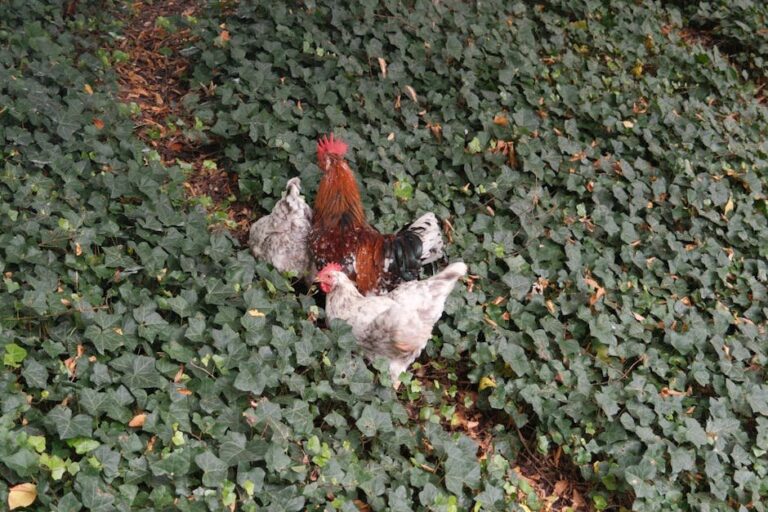
Understanding Chicken Lice and Their Impact
Let’s dive into what you need to know about chicken lice, including their life cycle, symptoms of infestation, and why it’s crucial to tackle the problem naturally.
What are Chicken Lice?
Chicken lice are tiny, wingless insects that live on chickens and feed on their blood. They have a unique life cycle that consists of three stages: egg, nymph, and adult. Adult chicken lice lay their eggs in the feathers or skin of the host chicken, where they can survive for up to two weeks without feeding.
The nymph stage is the most vulnerable to treatments, but it’s also the longest stage, lasting around 10-14 days. During this time, the nymphs molt several times before reaching adulthood, at which point they start laying eggs themselves.
Chicken lice infestations can cause significant stress and discomfort for your chickens, leading to weight loss, anemia, and even death in severe cases. If left untreated, a single hen can lay up to 300 eggs per day, perpetuating the cycle of infestation.
Prompt treatment is essential to prevent further damage and reduce the risk of re-infestation. Keep a close eye on your flock’s behavior and watch for signs of lice, such as excessive scratching or feather pecking. If you suspect an infestation, isolate the affected birds immediately and start treating them with natural remedies like diatomaceous earth or neem oil to prevent any further damage.
Signs and Symptoms of Chicken Lice Infestation
If you suspect that your chickens have been infested with chicken lice, there are several signs and symptoms to look out for. One of the most common indicators is excessive scratching behavior. Chickens will often frantically scratch their bodies, particularly around the neck, back, and wings, in an attempt to relieve the discomfort caused by the lice bites.
Another sign is poor feather quality. Lice infestations can lead to matted and disheveled feathers, as well as a dull appearance. If your chickens’ usual shiny plumage has given way to dull and lackluster feathers, it could be a sign of an infestation.
Weight loss is also a common symptom of chicken lice infestation. As the lice feed on the chicken’s blood, they can cause malnutrition and weight loss over time. If you notice any of these symptoms in your chickens, it’s essential to take action quickly to treat the infestation before it worsens.
In severe cases, an infestation can also lead to secondary infections, such as skin irritation or abscesses.
Causes and Risk Factors for Chicken Lice Infestations
Before we dive into natural remedies, it’s essential to understand what leads to chicken lice infestations and how you can prevent them from happening in the first place. Let’s explore the common causes and risk factors together!
Poor Hygiene and Living Conditions
When it comes to managing chicken lice infestations naturally, one of the key factors to consider is the living conditions and hygiene practices within the coop. Poor hygiene and overcrowding can create a perfect storm for lice to thrive.
Overcrowding, for instance, can lead to increased stress levels among your flock, making them more susceptible to parasites like chicken lice. When birds are packed too tightly together, it’s easier for mites and lice to transfer from one bird to another through direct contact or by sharing food and water sources.
Unsanitary coops can also contribute significantly to the risk of infestation. Fecal matter, uneaten feed, and damp environments create an ideal breeding ground for bacteria, fungi, and parasites – including chicken lice. Inadequate ventilation in the coop can lead to stagnant air, which exacerbates the problem by keeping moisture levels high.
To prevent infestations, it’s essential to maintain a clean and well-ventilated coop. Regularly clean out droppings, remove uneaten feed, and ensure good airflow within the coop. A general rule of thumb is to provide at least two square feet of space per bird, but ideally three or more for optimal comfort and reduced stress levels.
Stress and Weakened Immune Systems
When it comes to chicken lice infestations, there are several underlying factors that can make your flock more susceptible. Stress and weakened immune systems are two key contributors to a lice infestation.
Chickens experience stress when their environment or routine is disrupted. Changes such as a new coop location, changes in feed or supplements, or even introducing new birds to the flock can cause significant stress. A stressed chicken’s immune system is impaired, making it easier for lice to take hold and multiply. For example, a chicken that has been relocated from a farm to a backyard setting may experience culture shock and stress.
Factors contributing to weakened immune systems include inadequate nutrition, poor living conditions, or chronic health issues. Malnutrition can weaken the immune response, making chickens more vulnerable to parasites like lice. Similarly, poor ventilation in coops or lack of adequate space for movement can also contribute to a weakened immune system.
To mitigate these risks, ensure your flock has access to fresh water and nutritious feed. Provide a safe and clean living environment with adequate space and proper ventilation. Regular health checks can help identify underlying issues before they become major problems. By addressing stress and strengthening your chickens’ immune systems, you can create an environment less conducive to lice infestations.
Natural Remedies for Treating Chicken Lice
If you’re looking for a chemical-free solution to get rid of chicken lice, don’t worry, I’ve got you covered. This section shares some effective natural remedies that are easy to try at home.
Essential Oils and Herbs
When it comes to treating chicken lice naturally, essential oils and herbs can be a game-changer. Certain oils and herbs have natural insecticidal properties that can help repel and kill lice on your chickens.
Lavender oil, for example, is known for its calming effects but also has antiparasitic properties that can help combat chicken lice. However, it’s essential to use high-quality, pure lavender oil and dilute it according to the manufacturer’s instructions (typically 5-10 drops per gallon of water). Apply the solution to your chickens’ feathers, making sure to avoid their eyes, nostrils, and mouth.
Neem and lemongrass are also excellent natural remedies for chicken lice. Neem oil can be used undiluted on a single bird or mixed with carrier oils like coconut or olive oil (10-15% neem oil) for use in dust baths. Lemongrass essential oil has strong insect-repelling properties and can be added to your chickens’ drinking water at a rate of 5-7 drops per gallon.
When using essential oils, always follow the dilution instructions and perform a patch test on one bird before applying the remedy to the entire flock. Regularly dusting or misting with these natural remedies can help keep lice under control and promote overall health in your chickens.
Diatomaceous Earth and Other Natural Powders
When it comes to getting rid of chicken lice naturally, using powders like diatomaceous earth (DE) and sulfur can be a game-changer. These natural powders work by dehydrating the lice, causing them to die off within hours.
Diatomaceous earth is a popular choice among backyard chicken keepers due to its effectiveness and safety for humans and animals alike. It works by absorbing the waxy coating on the louse’s exoskeleton, leading to dehydration and eventual death. To use DE, simply sprinkle it liberally over your chickens’ coop or run, making sure to cover all areas where the birds roost or spend time.
Other natural powders like sulfur and baking soda can also be used to repel or kill lice. Sulfur powder is a natural insecticide that works similarly to DE by dehydrating the lice, while baking soda helps to neutralize their acidic environment, making it difficult for them to survive. When using these powders, be sure to follow the recommended dosages and take precautions to avoid inhaling the dust or ingesting the powder.
When using any of these natural powders, it’s essential to note that you’ll need to repeat the application several times over the course of a week or two to ensure all lice are eliminated. Additionally, be sure to clean and disinfect your coop thoroughly after treatment to prevent re-infestation.
Homemade Treatments for Chicken Lice
If you’re looking for a natural solution to eliminate chicken lice, don’t worry, I’ve got you covered. In this section, we’ll explore effective homemade treatments that are easy on your flock’s feathers and gentle on their skin.
Apple Cider Vinegar and Baking Soda Baths
For an apple cider vinegar and baking soda bath to treat chicken lice, you’ll need the following ingredients: 1 gallon of water, 1 cup of apple cider vinegar, 2 tablespoons of baking soda, and a clean, well-ventilated area for your chickens. Start by mixing the apple cider vinegar and water in a large bucket or tub, stirring until the baking soda is fully dissolved.
Once you’ve prepared the bath solution, it’s time to administer it safely. First, remove any loose bedding from the coop and give the chickens access to fresh air. Next, gently place them into the bath solution, making sure they can still stand comfortably with their heads above water. Allow them to soak for 10-15 minutes before rinsing thoroughly with clean water.
This bath is most effective when used in conjunction with regular cleaning of the coop and removal of any debris or dust that may be harboring lice eggs. Repeat the process as needed, but ideally not more than once a week, as overuse can dry out your chickens’ skin and feathers.
Neem Oil and Olive Oil Mixtures
Mixing neem oil with olive oil is a popular natural treatment for chicken lice that’s been used by many backyard chicken keepers. To make this mixture, combine 10-15 drops of neem oil per tablespoon of olive oil. The exact ratio may vary depending on the severity of the infestation and personal preference.
The benefits of this combination are numerous. Neem oil is a potent insecticide that disrupts the lice’s life cycle, preventing them from reproducing and eventually killing them off. Olive oil, on the other hand, helps to suffocate the lice, making it difficult for them to breathe and ultimately causing their demise. This dual-action approach ensures that the treatment is both effective and gentle on your chickens’ skin.
When using this mixture, make sure to apply it thoroughly, paying attention to areas around the vent, wings, and neck. Be careful not to get any of the oil in your chickens’ eyes or beak. Also, note that neem oil can cause stomach upset if ingested, so ensure your chickens don’t ingest any excess oil during treatment. Always do a patch test before applying it to the entire flock to rule out any adverse reactions.
Preventing Future Chicken Lice Infestations
To avoid dealing with chicken lice again, it’s essential to implement some preventative measures that’ll keep these unwanted critters at bay for good. Let’s explore a few simple yet effective strategies together.
Maintaining Clean Living Conditions
Maintaining clean living conditions is essential to preventing future chicken lice infestations. When it comes to cleaning your coop and run, think of it as a regular health check for your girls. A dirty environment provides the perfect breeding ground for parasites like mites and lice. Regular cleaning helps remove their eggs, larvae, and adult populations, making it harder for them to thrive.
Start by removing soiled bedding material and disinfecting the coop with a solution of 1 part white vinegar to 9 parts water. Scrub all surfaces, paying attention to corners, crevices, and nesting boxes where lice tend to hide. Replace bedding with fresh material like straw or pine shavings, which can help absorb moisture and reduce odors.
Clean the run by removing any debris, droppings, and uneaten food. Disinfect all surfaces with a solution of 1 part bleach to 10 parts water. Rinse thoroughly to remove any residue. Replace the fencing around the run if it’s damaged or worn out, as this can create an entry point for unwanted visitors.
Remember, cleaning is not a one-time task; it should be done regularly, ideally every week or two, depending on your flock size and living conditions. By keeping your coop and run clean, you’ll significantly reduce the likelihood of future lice infestations.
Monitoring Chickens Regularly
Regular monitoring is crucial to catching chicken lice infestations early on. These external parasites can multiply rapidly if left unchecked, causing discomfort and even health issues for your birds. To inspect your flock effectively, it’s essential to know what signs to look out for.
Start by gently parting the feathers around a bird’s neck, back, and vent area. Check for lice eggs (nits) which are usually grayish-white and about 1-2 mm in length. Lice themselves can be yellow or brown, ranging from 1-5 mm long, and often appear as tiny, moving specks on the feathers.
Another critical step is to observe your chickens’ behavior. Do they excessively scratch, flap their wings, or exhibit restlessness? These are common indicators that something is amiss, including a lice infestation. Regularly monitoring your flock’s condition can help you detect issues before they escalate into full-blown problems.
Additional Considerations and Resources
If you’re new to raising chickens, it can be overwhelming to tackle lice on your own – that’s where these additional considerations and resources come in. We’ve got some expert advice and tools to help you succeed.
Consulting with a Veterinarian
If you suspect that your flock has fallen victim to chicken lice, it’s essential to consult with a veterinarian before attempting to treat the infestation. While it may be tempting to jump into treatment mode, especially if the infestation is severe or persistent, it’s crucial to rule out any underlying health issues that may be contributing to the problem.
A veterinarian can help you determine the best course of action and ensure that your flock receives proper care. They’ll examine your chickens to identify any signs of other health problems, such as mites, fleas, or diseases like bronchitis or respiratory infections, which can exacerbate a lice infestation.
Your vet may also recommend specific treatments based on the severity of the infestation and the age and health status of your flock. In some cases, they might suggest a combination of natural remedies and conventional treatments to effectively manage the problem.
Don’t attempt to treat your flock without first consulting with a veterinarian, especially if you’re new to chicken keeping or unsure about how to proceed. A professional assessment will help ensure that your chickens receive the best possible care and minimize the risk of further complications.
Online Resources and Support Groups
If you’re looking to treat lice on chickens naturally, one of the most valuable resources at your disposal is online forums and support groups. These communities are filled with experienced chicken keepers who have successfully battled lice infestations using natural methods.
By joining these groups, you’ll gain access to a wealth of knowledge and advice from individuals who have faced similar challenges. You can ask questions, share your own experiences, and learn about the latest natural remedies that are working for others. For instance, some popular online forums dedicated to backyard chicken keeping often have dedicated sections for discussing lice infestations and natural treatments.
You can also find valuable information on blogs and websites focused on natural chicken keeping and health. Many of these resources offer detailed guides on how to identify lice, prevent infestations, and treat affected chickens with natural remedies such as diatomaceous earth or essential oils. By tapping into this collective knowledge, you’ll be better equipped to make informed decisions about treating lice on your flock naturally.
When participating in online forums, it’s essential to remember that what works for one person may not work for another. Be sure to carefully consider the advice and recommendations shared by others before implementing any new treatments or remedies.
Frequently Asked Questions
Can I use essential oils on chickens that are stressed or underweight?
Yes, essential oils can still be used on stressed or underweight chickens to treat lice, but it’s crucial to dilute them properly and start with a small patch test. Certain herbs like lavender and chamomile can also promote relaxation and skin health.
How long after using natural remedies should I expect to see results?
Results from natural treatments may take anywhere from 7-14 days to become noticeable, depending on the severity of the infestation and the effectiveness of the remedy used. Be patient and monitor your flock’s progress closely.
Are there any specific times of year when lice are more prevalent in chickens?
Yes, lice infestations tend to be more common during spring and fall when temperatures fluctuate, causing stress on the flock. Additionally, introducing new birds or equipment can also lead to increased lice activity.
Can I use natural remedies in combination with other treatments for optimal results?
Combining natural remedies with other treatments can indeed enhance their effectiveness. For example, using diatomaceous earth as a powder and following up with an essential oil treatment can help kill lice eggs and adult lice simultaneously.
How often should I monitor my flock for signs of lice infestation after treating them naturally?
Regular monitoring is key to preventing re-infestations. Check your chickens daily for new symptoms, and schedule follow-up checks every 1-2 weeks to ensure the problem doesn’t persist.