
Are you curious about one of the most nutritious and versatile foods out there? Turkey bird eggs are often overlooked, but they’re truly a superfood. Not only do they offer an impressive list of health benefits, but they’re also incredibly easy to incorporate into your diet. Whether you’re a fitness enthusiast or simply looking for a delicious addition to your morning omelette, turkey bird eggs are definitely worth getting familiar with. In this ultimate guide, we’ll dive into the world of turkey bird eggs and cover everything from their definition and nutritional value to production methods and health benefits. We’ll even share some mouth-watering cooking options to get you started on your culinary journey. So let’s crack open the possibilities and explore the wonderful world of turkey bird eggs together!
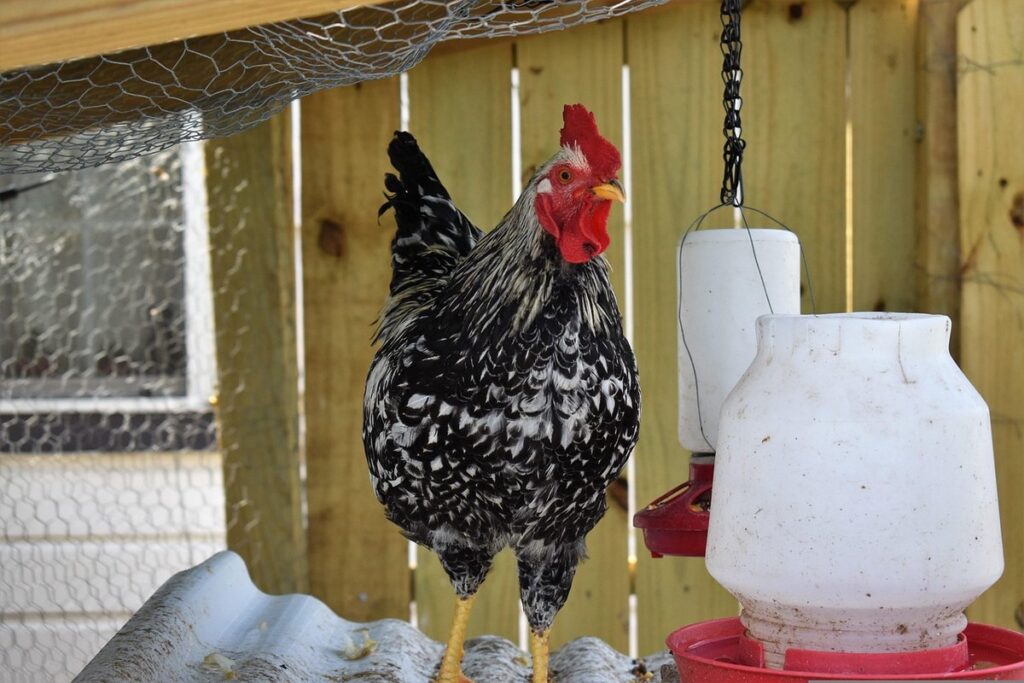
What are Turkey Bird Eggs?
Let’s dive into what exactly turkey bird eggs are and why they’re a popular choice for cooking, whether you’re a seasoned chef or just starting out.
Definition and Classification
Turkey bird eggs are a popular and nutritious food source for many people around the world. At their core, they are a simple yet complex structure consisting of two main parts: the shell and the contents inside.
From an anatomical standpoint, turkey bird eggs can be classified into several categories based on factors such as size, weight, shape, color, and number of yolks. For instance, large eggs are typically defined as those that weigh between 2 ounces and 3 ounces, while extra-large eggs are those that weigh more than 3 ounces but less than 4 ounces.
In terms of content, turkey bird eggs can be classified into three main types: white, brown, and omelet (also known as “omelette”). White eggs come from hens with white feathers and produce eggs with a pale yellow or blue tint to the shell. Brown eggs, on the other hand, are produced by hens with red or golden-brown feathers and feature a more substantial, darker-colored egg yolk.
In contrast to chicken eggs, turkey bird eggs tend to have thicker shells, larger yolks, and more pronounced ridges around the air cell. This difference is due in part to the unique reproductive biology of turkeys, which involves mating rituals that involve complex displays and aggressive behavior between males.
Characteristics of Turkey Bird Eggs
Turkey bird eggs are known for their unique characteristics, setting them apart from other bird eggs. One of the most notable physical attributes is size. On average, a turkey egg measures around 2.5 to 3 inches in length and weighs approximately 2 ounces. This makes them slightly larger than chicken eggs.
The shape of a turkey egg is also distinctive, with a more elongated oval shape compared to the spherical or teardrop shape found in other bird eggs. The color of the shell can vary from white to brown, often featuring speckles or patches that help identify the breed.
In terms of shell thickness, turkey bird eggs tend to have thicker shells than chicken eggs due to their larger size and weight. This thickness provides extra protection against environmental factors such as extreme temperatures and humidity levels. When handling turkey bird eggs, it’s essential to be gentle to avoid cracking the delicate shell.
Nutritional Value of Turkey Bird Eggs
When it comes to turkey bird eggs, their nutritional value is one of the most significant benefits for health-conscious consumers like you. Let’s dive into what makes these eggs a superfood.
Protein Content and Amino Acids
Turkey bird eggs are an excellent source of protein for human consumption. In fact, they contain approximately 6-7 grams of protein per large egg, making them one of the richest sources of protein among all animal products.
The protein content in turkey bird eggs is comprised of essential amino acids that play a crucial role in various bodily functions such as muscle growth and repair. The two most essential amino acids found in these eggs are lysine and methionine. Lysine, for instance, helps in the production of collagen, a protein that gives structure to skin, bones, and connective tissue.
In comparison to other egg-laying birds like chickens, turkey bird eggs have a higher concentration of essential amino acids. According to research, turkey eggs contain 50% more lysine than chicken eggs. Moreover, they are also an excellent source of branched-chain amino acids (BCAAs), which are vital for muscle growth and recovery.
Consuming turkey bird eggs can provide numerous health benefits due to their high protein content and essential amino acid profile. For example, incorporating these eggs into your diet can help in building lean body mass and reducing muscle soreness after intense workouts.
Fatty Acid Profile and Cholesterol Levels
Turkey bird eggs are often misunderstood when it comes to their nutritional value. One of the most common concerns is their high cholesterol content and fatty acid profile. But let’s dive deeper into this topic.
Compared to chicken eggs, turkey bird eggs have a slightly higher fat content and a more complex fatty acid profile. The main difference lies in the levels of omega-6 and omega-3 fatty acids. Turkey bird eggs typically contain higher amounts of arachidonic acid (AA), a pro-inflammatory omega-6 fatty acid, while having lower levels of docosahexaenoic acid (DHA) and eicosapentaenoic acid (EPA), essential omega-3 fatty acids.
However, it’s essential to note that the cholesterol content in turkey bird eggs is not as alarming as it seems. While they do contain around 200mg of cholesterol per large egg, this level can be easily managed within a balanced diet. The American Heart Association recommends limiting dietary cholesterol intake to 300mg per day, making one or two turkey bird eggs a safe addition to your meals.
To put things into perspective, you’d need to consume around 10-12 turkey bird eggs in one sitting to reach the daily recommended limit of cholesterol intake. This is an unlikely scenario for most people, and in moderation, turkey bird eggs can be a nutritious and healthy choice.
How Turkey Bird Eggs are Produced and Harvested
When it comes to turkey bird eggs, understanding how they’re produced and harvested is crucial for ensuring their quality and nutritional value. Let’s dive into the fascinating process of collecting these delicious eggs.
Breeding and Rearing Practices
Turkey breeding and rearing practices play a vital role in producing high-quality eggs. Farmers typically select breeds that excel in egg production, such as Broad-Breasted White and Narragansett. These birds are bred for desirable traits like size, fertility, and egg-laying capacity.
In terms of feed, turkey birds require a balanced diet rich in nutrients to support healthy growth and reproduction. They’re usually fed a combination of grains like corn and soybeans, supplemented with vitamins and minerals. Farmers may also provide access to calcium-rich grits to strengthen the birds’ bones.
Living conditions are also crucial for optimal egg production. Turkey farms often house their birds in large aviaries or barns, equipped with adequate ventilation, lighting, and hygiene facilities. The ideal temperature range is between 40°F and 80°F (4°C and 27°C), while humidity levels should be maintained between 30% and 60%. Proper lighting also plays a significant role in regulating the birds’ circadian rhythms and stimulating egg production.
When rearing turkey chicks, farmers typically follow a gradual transition from starter feed to grower feed. This process ensures that the birds receive the necessary nutrients for optimal growth and development.
Egg Collection and Handling Procedures
When it comes to turkey bird eggs, their journey from farm to table is just as important as their nutritional value. Proper egg collection and handling procedures are crucial to ensure the quality and safety of the eggs for consumers.
Firstly, eggs are collected from the laying hens at regular intervals, typically twice a day, depending on the farm’s schedule. The eggs are then transported to a grading or packing station where they undergo rigorous inspection. Any damaged or cracked eggs are removed from the batch to prevent contamination and maintain quality.
To prevent breakage and ensure cleanliness, egg collectors use specialized equipment such as egg flats or cartons with dividers to cradle each egg individually. This method minimizes movement and stress on the eggs during transport, reducing the risk of damage.
At the packing station, eggs are washed and sanitized to remove any dirt or bacteria. They are then graded according to size, shape, and quality before being packed into cases for distribution to stores. Throughout this process, temperatures must be maintained at a consistent level to prevent bacterial growth.
For consumers, proper handling and storage of turkey bird eggs is equally important. Store them in their original cartons, pointed end down, and refrigerate them at 40°F (4°C) or below to maintain quality and prevent contamination.
Health Benefits of Turkey Bird Eggs
Turkey bird eggs are not only delicious, but they’re also packed with nutrients that can have a significant impact on our health. Let’s dive into the amazing health benefits they offer!
Antioxidant Properties and Anti-Inflammatory Effects
Turkey bird eggs are not only a nutritious addition to your diet but also possess potent antioxidant properties and anti-inflammatory effects that can help reduce chronic disease risk. Rich in vitamins A, D, E, K, and B12, as well as minerals like zinc and iron, turkey bird eggs contain a high amount of antioxidants such as lutein and zeaxanthin.
These antioxidants play a crucial role in protecting cells from damage caused by free radicals, which can lead to chronic diseases such as heart disease, cancer, and neurodegenerative disorders. Studies have shown that consuming foods rich in antioxidants like turkey bird eggs can help reduce the risk of these diseases.
The anti-inflammatory effects of turkey bird eggs are also noteworthy. The omega-3 fatty acids present in egg yolks can help reduce inflammation in the body, which is a known contributor to chronic diseases. Additionally, the protein and other nutrients in turkey bird eggs can help regulate inflammation-causing enzymes.
To reap the benefits of antioxidant properties and anti-inflammatory effects of turkey bird eggs, consider incorporating them into your diet as a regular source of protein and essential nutrients. Aim to eat one or two turkey bird eggs per day, either scrambled, boiled, or made into an omelette.
Role in Supporting Eye Health and Brain Function
Turkey bird eggs are an excellent source of nutrients that support eye health and brain function. The high levels of omega-3 fatty acids, particularly DHA, in turkey eggs play a crucial role in maintaining healthy vision and reducing the risk of age-related macular degeneration. A study published in the Journal of Nutrition found that consuming DHA-rich foods like turkey eggs can improve visual acuity and reduce eye fatigue.
The antioxidants lutein and zeaxanthin, present in turkey eggs, also contribute to eye health by protecting the eyes from blue light damage and reducing the risk of cataracts. In fact, research suggests that women who consume high amounts of lutein and zeaxanthin have a 35% lower risk of developing age-related macular degeneration.
To reap the benefits of turkey eggs for eye health, aim to include two eggs in your diet per day. You can also try adding other nutrient-dense foods like leafy greens, nuts, and seeds to support overall eye health. By making these simple dietary changes, you can help protect your vision and maintain healthy eyes throughout your life.
Turkey Bird Eggs vs. Other Egg Sources
Let’s pit turkey bird eggs against their competitors: chicken, duck, and quail eggs – which one comes out on top in terms of nutrition and taste?
Comparison with Chicken Eggs
When it comes to choosing between turkey bird eggs and chicken eggs, many of us are curious about the nutritional differences and production methods. Let’s dive into a comparison of these two popular egg sources.
In terms of nutritional content, turkey bird eggs generally have a higher fat and protein content than chicken eggs. A large turkey bird egg contains around 140 calories, 12 grams of fat, and 10 grams of protein, compared to the 90 calories, 5 grams of fat, and 6 grams of protein found in a large chicken egg. This makes them an excellent choice for athletes or individuals looking to increase their energy intake.
However, it’s essential to note that turkey bird eggs also tend to have higher levels of cholesterol than chicken eggs, with around 240 milligrams per large egg compared to the 186 milligrams found in a large chicken egg. If you’re concerned about your dietary cholesterol intake, it’s crucial to consult with a healthcare professional or registered dietitian for personalized advice.
From an environmental perspective, turkey bird farming tends to be more resource-intensive than chicken egg production due to the larger space and feed requirements needed for these birds. Nevertheless, many farmers are adopting sustainable practices, such as free-range and pasture-raised systems, which can significantly reduce the environmental impact of turkey bird egg production.
Comparison with Quail and Duck Eggs
When it comes to choosing between turkey bird eggs and other types of eggs like quail and duck eggs, there are several factors to consider. In terms of size, turkey bird eggs are generally larger than quail eggs but smaller than duck eggs. A large turkey egg can weigh up to 2 ounces, while a duck egg can reach up to 3 ounces. Quail eggs, on the other hand, are tiny, weighing in at around 0.15 ounces.
In terms of taste, turkey bird eggs have a richer, more complex flavor profile than quail eggs but may be milder than duck eggs. This is due to the difference in diet and living conditions between the three types of birds. Turkey birds are omnivores and tend to eat a variety of foods, including grains and insects, which contributes to their unique taste.
Nutritionally, turkey bird eggs are also distinct from quail and duck eggs. They have higher levels of vitamin A and E, but lower levels of omega-3 fatty acids compared to duck eggs. Quail eggs, meanwhile, have a more balanced nutrient profile but are often higher in cholesterol. If you’re considering switching between types of eggs, it’s worth thinking about your individual nutritional needs and the flavor profile you prefer.
Cooking and Preparation Methods for Turkey Bird Eggs
When it comes to cooking with turkey bird eggs, understanding the right methods can make all the difference in achieving perfectly cooked dishes. This section will walk you through various cooking and preparation techniques to try at home.
Boiling, Scrambling, and Frying Options
When it comes to cooking turkey bird eggs, you’ve got several options for preparing them just right. Let’s dive into three popular methods: boiling, scrambling, and frying.
Boiling is a great way to cook turkey bird eggs if you want to retain their nutrients. To boil turkey bird eggs, place them in a single layer at the bottom of a saucepan or pot, then cover them with cold water. Bring the water to a boil, reduce the heat to a simmer, and let cook for 10-12 minutes for large eggs.
For scrambling, crack the egg into a bowl, whisk it lightly, and season with salt and pepper as desired. Heat a non-stick pan over medium heat, add butter or oil if needed, then pour in the egg mixture. Use a spatula to gently scramble the eggs until they’re cooked through.
Frying is another popular method for cooking turkey bird eggs. Heat about 1/2 inch (1 cm) of oil in a skillet over medium-high heat. Crack an egg into the pan and cook for 3-4 minutes or until the whites are set, then flip it over and cook for another minute.
Tips for Storing and Handling Raw and Cooked Turkey Bird Eggs
When it comes to storing and handling turkey bird eggs, proper food safety is crucial to prevent contamination and foodborne illnesses. Raw turkey bird eggs should be stored in the coldest part of your refrigerator at a temperature of 40°F (4°C) or below. It’s essential to keep them in their original carton or container, as the cartons are designed to prevent moisture from entering.
Cooked turkey bird eggs, on the other hand, can be refrigerated for up to three days or frozen for later use. Always cool cooked eggs to room temperature before refrigerating to prevent bacterial growth. When freezing, place them in an airtight container or freezer bag, making sure to press out as much air as possible before sealing.
When handling turkey bird eggs, wash your hands thoroughly with soap and water before and after touching the eggs. Clean any utensils or surfaces that come into contact with the eggs, using a mild detergent and warm water. These simple precautions will help ensure the safe storage and handling of your turkey bird eggs, minimizing the risk of foodborne illnesses.
Frequently Asked Questions
What are the key differences between turkey bird eggs and chicken eggs?
Turkey bird eggs have a thicker, harder shell than chicken eggs and are generally larger. They also tend to be richer in protein and lower in cholesterol.
How do I store raw and cooked turkey bird eggs safely?
Store uncooked turkey bird eggs in their original carton in the coldest part of your refrigerator at 40°F (4°C) or below. Cooked turkey bird eggs can be stored in an airtight container in the refrigerator for up to 3-5 days.
Can I use turkey bird eggs as a substitute for chicken eggs in all recipes?
While you can use turkey bird eggs as a direct substitute in many recipes, their larger size may affect baking and cooking times. You may need to adjust liquid content or cooking time accordingly.
What are some common allergens associated with turkey bird eggs?
Like any egg source, turkey bird eggs contain proteins that can cause allergic reactions in some people. If you’re introducing turkey bird eggs into your diet or serving them to others, be aware of potential allergen risks and take necessary precautions.
How do I choose high-quality, healthy turkey bird eggs for consumption?
When selecting turkey bird eggs, look for those from farms with good welfare practices and those that are certified by third-party organizations. This can help ensure the eggs you consume are fresh, clean, and produced under safe conditions.