
As a turkey hunter, you know that being in the field can be just as unforgiving as it is rewarding. Cold weather conditions can quickly turn a thrilling hunt into a hazardous situation. Frostbite is a serious concern for anyone venturing out into freezing temperatures, and turkey hunters are no exception. But with some essential knowledge and preparation, you can enjoy a successful and safe hunt. In this article, we’ll explore the crucial tips and tricks for preventing frostbite while turkey hunting, including expert advice on clothing, gear, and safety precautions that will help keep you warm and toasty even in the chilliest of conditions. From choosing the right layers to knowing when it’s time to head back to camp, we’ve got you covered.
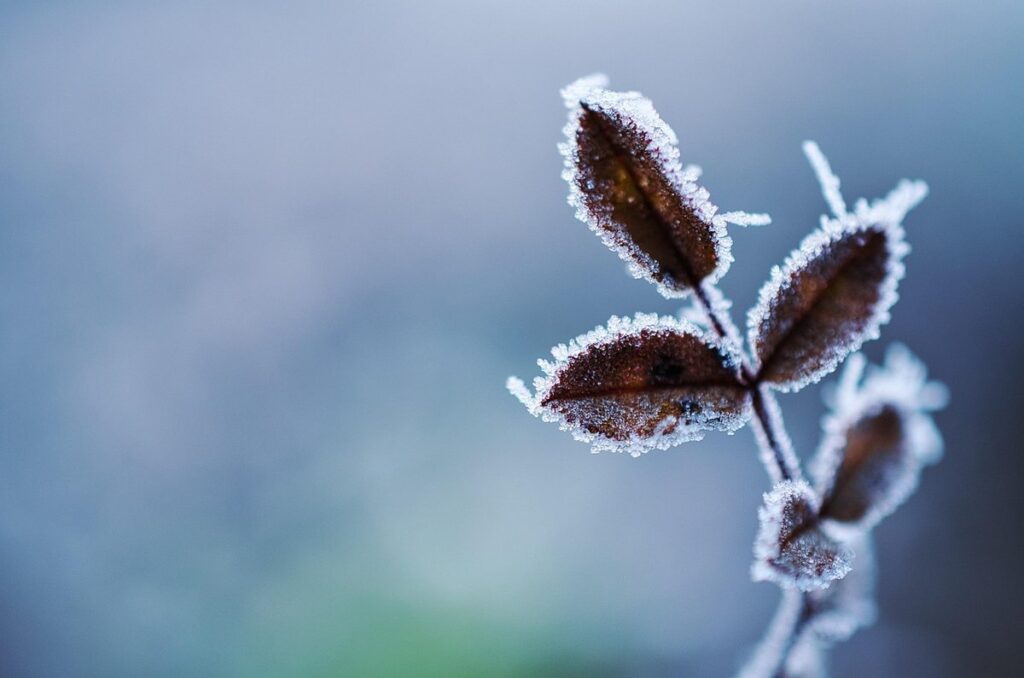
Understanding Frostbite Risks for Turkey Hunters
When venturing into the great outdoors for turkey hunting, it’s essential to be aware of the risks of frostbite, especially in cold weather conditions. This section will help you identify potential hazards and prevent frostbite-related issues.
Cold Weather Hazards for Turkey Hunting
When venturing into the wild for turkey hunting, it’s essential to be aware of the unique cold weather hazards that can put you at risk of frostbite. One of the primary concerns is the temperature itself. While it may not seem extreme at first glance, prolonged exposure to temperatures in the 20s or even low 30s (°F) can quickly lead to frostbite.
Wind chill also plays a significant role in frostbite risks for turkey hunters. Even if the air temperature isn’t extremely cold, wind speeds above 15 mph can significantly increase the risk of frostbite. Imagine hunting on a typical spring morning with a gentle breeze – it may not feel too bad at first, but within minutes, your skin will start to chill.
Another often-overlooked hazard is wet conditions. If you’re hunting in a wet or snowy environment and your clothing gets damp, your risk of frostbite increases exponentially. This is because moisture can accelerate heat loss from your body, making it harder for your skin to retain warmth.
To mitigate these risks, prioritize proper gear, including layers, waterproof outerwear, and warm, breathable base layers. Additionally, be mindful of your environment – seek shelter in a protected area if possible, or at least find some natural protection like a tree line to shield you from the wind.
Identifying High-Risk Areas and Times for Frostbite
When venturing out into the woods to hunt turkeys, it’s essential to be aware of high-risk areas and times for frostbite. Understanding these factors will help you take necessary precautions to stay safe and comfortable during your hunt.
High altitudes are a significant risk factor for frostbite. As elevation increases, the air pressure decreases, causing the body to lose heat more quickly. At higher elevations, the temperature may feel warmer than it actually is, making it easy to underestimate the cold’s effects. Be particularly cautious in areas above 5,000 feet, where frostbite can occur in as little as 30 minutes.
Exposed terrain also increases your risk of frostbite. Areas with little tree cover or near water sources are more prone to cold winds and moisture, which can rapidly lower body temperature. Avoid hunting in these areas during prolonged periods of time without taking regular breaks to warm up.
Prolonged exposure to cold weather is another critical factor to consider. Even if you’re dressed warmly, staying outside for extended periods can lead to frostbite. Pay attention to the wind chill and take regular breaks to rewarm yourself.
Importance of Proper Gear and Equipment in Preventing Frostbite
When it comes to preventing frostbite while turkey hunting, having the right gear and equipment is just as crucial as knowing how to identify the signs of frostbite. Proper clothing can make all the difference in keeping you warm and dry. For example, a good base layer such as merino wool or synthetic fabrics will help regulate your body temperature and keep moisture away from your skin.
A mid-layer such as fleece or down-filled insulated jacket will provide additional warmth without making you feel too bulky. And finally, a waterproof and breathable outer layer like Gore-Tex will shield you from wind and precipitation. Don’t forget to wear warm socks made of materials that wick moisture away from your feet, and consider wearing gaiters to prevent snow from getting into your boots.
In addition to clothing, gear such as gloves or mittens with a waterproof and breathable membrane can help keep your hands dry and toasty. A hat or headband is also essential in preventing heat loss from the top of your head. And if you plan on being out for an extended period, consider investing in hand and foot warmers that can provide extra heat when needed.
Prevention Methods for Turkey Hunters: Clothing and Gear
When venturing out into cold turkey hunting conditions, proper clothing and gear can be a game-changer in preventing frostbite. Let’s take a closer look at essential items to include in your arsenal.
Layering Systems for Cold Weather Protection
When it comes to venturing out into the cold for turkey hunting, dressing properly is crucial to prevent frostbite. A well-designed layering system can make all the difference between a comfortable and successful hunt versus a miserable one. The key is to create a layered system that allows you to control your body temperature, wicking away moisture from your skin while keeping the chill out.
Start with base layers made of moisture-wicking materials such as merino wool or synthetic fabrics. These will sit next to your skin, drawing sweat away and helping regulate your body temperature. Next, add insulating layers such as fleece or down-filled jackets and pants to trap warm air close to your body. Finally, top it all off with outerwear that’s windproof and waterproof, such as a shell jacket and pants.
When layering, remember the 3-2-1 rule: three base layers (top, middle, bottom), two insulating layers, and one outer layer. This allows you to adjust your clothing system on the fly to suit changing conditions.
Choosing the Right Footwear for Frosty Conditions
When it comes to turkey hunting in frosty conditions, having the right footwear is crucial for preventing frostbite and ensuring a safe and successful hunt. In addition to keeping your feet warm, you’ll also want footwear that provides traction to prevent slipping on icy surfaces.
Look for boots with insulation made from materials like Thinsulate or similar technology, which will help retain body heat even in extremely cold temperatures. Waterproofing is also essential, as it will protect your feet from moisture and prevent blisters. A waterproof membrane like Gore-Tex or eVent is a great option to consider.
In terms of traction, opt for boots with deep lugs and aggressive tread patterns that can grip icy surfaces. This will give you confidence when walking on uneven terrain or navigating slopes. Additionally, consider boots with a good grip on the sole, such as Vibram soles, which provide excellent traction even in wet conditions.
Head, Hand, and Face Protection from the Cold
As a turkey hunter, you’re likely no stranger to spending hours outdoors in cold weather. But when it comes to protecting yourself from frostbite, some areas of your body are more vulnerable than others. Your head, hands, and face are especially susceptible to the elements, and neglecting to protect them can lead to painful and potentially serious consequences.
When it comes to your head, a good hat or beanie is essential. Look for one made from a breathable, moisture-wicking material that will help keep you dry in wet conditions. Consider a hat with a brim to shield your eyes and forehead from the sun, wind, and snow. Don’t forget to wear gloves or mittens that are specifically designed for cold weather activities – they should be insulated, waterproof, and have a good grip to prevent them from slipping off your hands.
Your face is also at risk, especially if you’re hunting in areas with high winds or extreme cold. Wear a scarf or neck gaiter to protect your skin from the elements, and consider using lip balm with SPF to prevent chapped lips. Remember, prevention is key – take the necessary precautions to protect these vulnerable areas, and you’ll be better equipped to handle whatever Mother Nature throws your way.
Recognizing and Treating Turkey Hunting-Related Frostbite
Frostbite can sneak up on you, even in warmer climates. In this section, we’ll cover how to identify and treat frostbite that occurs during turkey hunting excursions.
Early Warning Signs of Frostbite to Watch Out For
Frostbite can creep up on you when hunting turkeys in cold weather. As you venture into the winter woods, it’s essential to recognize the early warning signs of frostbite to avoid more severe damage.
At first, you might not even notice anything out of the ordinary. But trust me, numbness and tingling sensations are two of the most common indicators that your skin is losing its heat quickly. If you feel a creeping numbness in your toes or fingers while handling your shotgun or bow, take a break to warm up. It’s better to err on the side of caution than risk permanent damage.
Changes in skin color can also signal frostbite. Watch for pale blue-ish discoloration or even white patches on exposed skin. If you notice these changes, seek shelter and apply heat immediately. You might not think it’ll happen to you, but frostbite is a real concern when hunting turkeys in the cold. Stay vigilant and keep an eye out for these early warning signs.
If you experience any of these symptoms, don’t delay – get warm quickly by removing wet clothing and using body heat to thaw frozen areas.
Steps to Take When Frostbite Occurs During a Hunt
If you experience minor frostbite during a hunt, it’s essential to act quickly and properly to prevent further damage. Begin by warming up the affected area as soon as possible using body heat. This can be achieved by submerging the frozen extremity in warm water (around 104°F) for about 20-30 minutes or by placing the area between your armpits, chest, or underarm.
However, avoid direct heat sources like radiators, heaters, or open flames as they can cause burns. If you don’t have access to warm water, use a chemical hand warmer or a hot pack wrapped in a cloth to provide warmth without burning your skin. Remove any constricting clothing and jewelry from the affected area.
If symptoms worsen or if you experience numbness, tingling, or discoloration of the skin beyond 30 minutes after rewarming, seek medical attention immediately. In extreme cases where frostbite has caused permanent damage, amputation may be necessary. If you’re hunting in a group, have one person stay with the affected individual while others go for help to ensure prompt treatment.
Serious Cases of Frostbite: When to Seek Medical Help Immediately
When you’re out hunting turkeys on a cold winter day, it’s essential to be aware of the warning signs of frostbite. While some cases may not seem severe at first, others can quickly escalate into serious conditions that require immediate medical attention.
One common mistake hunters make is thinking they’ve only suffered minor frostbite if their skin turns pale or develops numbness. However, in reality, these symptoms often indicate a more advanced stage of frostbite known as “frostnip.” If left untreated, frostnip can progress to “frostbite” proper, where tissue damage and permanent scarring become a risk.
Recognize the telltale signs of serious frostbite: ice crystals forming in your skin (a sign of freezing), or when you notice white, grayish, or blue-gray discoloration on your skin. If you experience these symptoms, seek medical help right away. Your doctor may recommend rewarming the affected area with warm water or a heating pad, but this should be done under medical supervision to avoid further damage.
The sooner you get proper treatment for frostbite, the better the chances of preventing long-term damage.
Staying Safe in the Field: Strategies for Avoiding Frostbite
When hunting turkeys, it’s essential to take precautions against frostbite, which can occur quickly in cold weather. In this section, we’ll share proven strategies for staying safe and warm in the field.
Hunting with a Partner or Group: Benefits and Risks
Hunting with a partner or group can provide numerous benefits when it comes to staying safe in the field. For one, having multiple people on hand means there’s always someone available to help if an emergency arises, which is particularly important in cold weather conditions like those that can lead to turkey frostbite. Additionally, hunting in numbers allows for more effective communication, as you can share information and keep a watchful eye on each other.
However, there are also risks associated with hunting in groups, including increased noise levels and a greater likelihood of startling game, which could potentially cause you to shoot an animal that’s not what you intended. Moreover, having multiple people in one area can lead to confusion and misunderstandings, particularly if everyone is following different signals or instructions.
To mitigate these risks, it’s essential to establish clear communication protocols before heading out into the field. This might include agreeing on a specific set of hand signals, using radios or two-way communication devices, or setting up designated meeting points in case someone gets separated from the group.
Using Technology to Monitor Weather Conditions and Stay Informed
In today’s digital age, staying informed about weather conditions is easier than ever. By leveraging technology, you can monitor temperature fluctuations, stay up-to-date on cold-weather forecasts, and receive timely alerts to help prevent frostbite.
To start, download a reliable weather app on your smartphone or tablet that provides real-time updates and forecasts for your area. Popular options include Dark Sky, Weather Underground, and the National Weather Service (NWS) app. These apps allow you to set location-specific notifications so you can stay informed about impending cold snaps.
You can also invest in a portable weather station, such as a smart thermometer or a wireless temperature sensor, which can provide hyper-local temperature readings and alerts when conditions become hazardous. For example, the Davis Instruments Weatherlink software allows users to monitor temperature, humidity, and wind speed data, sending alerts when temperatures drop below a certain threshold.
By combining these tools with your own observations, you’ll be well-equipped to identify potential frostbite risks and take proactive steps to protect yourself and your flock from cold-weather-related injuries.
Prioritizing Safety Over Harvest Goals: When to Call Off a Hunt
When the weather takes a turn for the worse, it’s essential to remember that staying safe should always be your top priority. This is especially true when it comes to hunting turkeys, where frostbite can become a serious risk if you’re not prepared.
It’s easy to get caught up in the excitement of the hunt and push on through harsh weather conditions, but this mindset can be deadly. As a hunter, you need to know when to call off a hunt due to unfavorable weather. This means being aware of changing forecasts and being willing to adjust your plans accordingly.
If it’s snowing or freezing rain is falling, or the temperature drops below 25°F (-4°C), it’s time to reconsider your hunting strategy. You can still harvest turkeys during these conditions, but you’ll need to take extra precautions to prevent frostbite. This might mean reducing your time in the field or seeking shelter from the elements. Don’t put yourself at risk for the sake of a trophy – it just isn’t worth it.
Consider this: if you’re out hunting and your extremities begin to feel numb, your judgment will be impaired, increasing the likelihood of accidents. It’s better to err on the side of caution and head back home than to push through and risk serious injury or even death.
Additional Considerations for Turkey Hunters in Frosty Weather
When venturing out in freezing temperatures, it’s not just your turkey call that needs attention – your safety does too. We’ll cover some crucial factors to consider when hunting turkeys in the cold.
Hunting Regulations and Guidelines Regarding Frostbite Prevention
Before heading out on a turkey hunting trip during frosty weather, it’s essential to familiarize yourself with local hunting regulations and guidelines related to frostbite prevention. These regulations often vary by state or region, so be sure to check with the relevant authorities for specific requirements.
Typically, these regulations will outline protocols for reporting injuries or near-misses sustained while hunting in extreme cold conditions. In some cases, hunters may be required to file a report if they experience any signs of frostbite or hypothermia, including numbness, tingling, or loss of sensation in extremities.
If you’re planning to hunt in an area where frostbite is a risk, take the time to review these regulations carefully. This will not only ensure compliance but also help prevent injuries and near-misses. If you do experience any issues while hunting, report them as required and seek medical attention immediately.
Keep in mind that prompt reporting can aid in further prevention measures and help keep other hunters safe in similar conditions.
Personal Preparedness: Developing an Emergency Plan
Developing an emergency plan is crucial for turkey hunters venturing into frosty weather. Before heading out, take time to prepare yourself and others on what to do in case of a frostbite incident. Start by identifying nearby medical facilities, such as hospitals or urgent care centers, and their contact information.
Know the symptoms of frostbite: numbness, tingling, pale skin, and decreased sensation. If you suspect someone has frostbite, call 911 or get them to the nearest hospital immediately. Meanwhile, wrap the affected area in a warm, dry cloth to prevent further damage.
Create a personal emergency plan that includes contact information for nearby medical facilities, as well as phone numbers of fellow hunters who can provide assistance in case of an emergency. Designate a meeting point in case someone gets lost or separated from the group. Make sure your phone is fully charged and easily accessible throughout the hunt. By taking these precautions, you’ll be better equipped to handle frostbite scenarios and prioritize your safety and the safety of others.
Frequently Asked Questions
What if I’m planning a multi-day turkey hunt in extremely cold weather? How can I ensure my gear is prepared for the duration?
To prepare your gear for an extended stay in the field, consider packing extra batteries for any essential devices and investing in a portable power bank to keep your phone and other electronics charged. It’s also crucial to inspect your equipment before heading out to ensure that everything is in good working condition.
Can I still use my existing hunting gear even if it doesn’t have specialized frost protection features?
While having dedicated cold-weather gear can be beneficial, you don’t necessarily need to replace all of your current gear. Focus on adding essential items like hats, gloves, and face masks that provide wind protection and warmth, as these will make a significant difference in preventing frostbite.
How do I handle situations where my hunting partner may not take the risk of frostbite seriously?
If you’re concerned about a fellow hunter’s understanding or preparedness for cold weather risks, it might be helpful to discuss your worries with them before heading out. You can also consider taking on an additional role in ensuring their safety and preparedness during the hunt.
What should I do if I encounter unexpected extreme weather conditions while turkey hunting?
In the event of sudden, severe weather changes, prioritize your immediate safety and well-being above any harvest goals. Take shelter as soon as possible, re-evaluate your gear, and consider adjusting your plans for the day or seeking assistance from fellow hunters or local authorities.
Can I use technology, such as smartphone apps, to monitor frostbite risks during a hunt?
Yes, using weather monitoring apps can be an effective way to stay informed about potential cold-weather hazards. Additionally, some specialized apps provide detailed wind chill and temperature forecasts that can help you anticipate the risk of frostbite in different areas.