
As a turkey farmer or enthusiast, you know how crucial it is to maintain a healthy flock. But did you know that one pesky problem can wreak havoc on your birds’ well-being? We’re talking about turkey lice infestations – a common issue that affects many flocks worldwide. These external parasites not only cause discomfort and stress but also lead to reduced growth rates, poor egg production, and increased susceptibility to diseases. If you’ve ever struggled with turkey lice or want to prevent an infestation from happening in the first place, this article is for you. We’ll delve into the causes of turkey lice, identify common symptoms, explore treatment options, and share effective prevention strategies to protect your flock. Whether you’re a seasoned farmer or just starting out, understanding turkey lice and how to manage them is essential for raising thriving birds.
What are Turkey Lice?
Let’s start by understanding what turkey lice are and how they differ from other types of ectoparasites that can infest humans. These tiny external parasites have been a nuisance for centuries.
Definition and Explanation
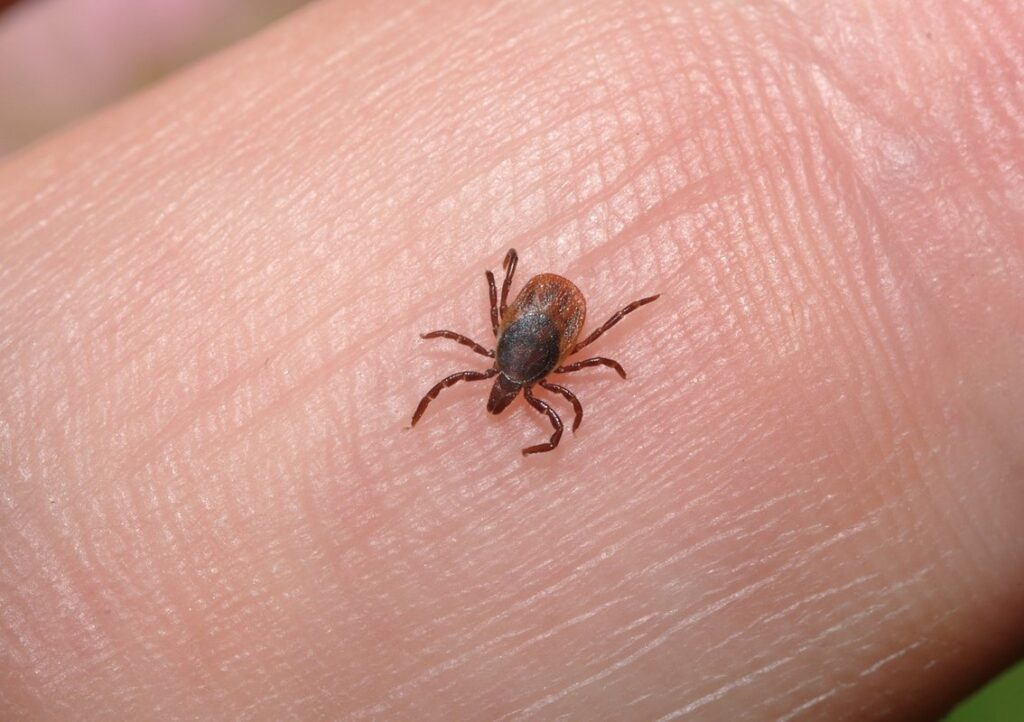
Turkey lice are small, wingless insects that live on birds, particularly turkeys and other domestic fowl. They belong to the scientific genus Megapodinus spp., which is a type of avian ectoparasite. These tiny pests are about 2-3 millimeters in length and have a distinctive oval-shaped body with six legs. One of the main characteristics that distinguish turkey lice from other types of lice, such as head lice or body lice, is their exclusive host specificity – they only infest birds.
Turkey lice feed on the bird’s skin debris, causing discomfort and irritation to the host. They are not known to transmit diseases like some other ectoparasites do, but their presence can still lead to stress and secondary infections in heavily infested birds. It’s essential to note that turkey lice don’t jump or fly, so they rely on physical contact with an infected bird to spread to a new host.
To determine if your flock is infested with turkey lice, look for signs of intense scratching, feather pecking, and general restlessness among the birds. Regular checks can help you catch an infestation early on, reducing the need for harsh chemicals or extreme measures later down the line.
Prevalence in Turkeys
Turkey lice infestations are more common than you might think. In fact, they’re one of the most significant parasitic problems facing commercial and backyard poultry flocks worldwide. According to a study by the United States Department of Agriculture (USDA), turkey lice infestations affect around 70% of commercial turkey farms in the United States alone.
But what’s the economic impact of these infestations? For commercial farmers, the loss can be substantial. A single infestation can result in losses of up to $10,000 per year, depending on the size of the flock and the severity of the infestation. This is due to reduced egg production, decreased feed efficiency, and increased mortality rates among infected birds.
Backyard owners are not immune to these problems either. Even if you only have a few turkeys in your backyard, an infestation can still cause significant distress and financial loss. In fact, studies suggest that turkey lice infestations can reduce egg production by up to 20% and decrease the overall health of infected birds.
If you suspect you have a turkey lice infestation on your hands, it’s essential to take action quickly. Regularly inspecting your flock for signs of lice, such as tiny eggs or actual lice attached to their feathers, can help prevent infestations from getting out of hand.
Causes and Risk Factors
So, you want to know what can make you a target for turkey lice? Let’s dive into the common causes and risk factors that contribute to infestations.
Infestation Routes
Turkey lice can enter your flock through various routes, making it essential to understand these infestation pathways. Direct contact with infected birds is one of the primary ways turkey lice are transmitted. This can occur when you bring new birds onto a farm or when birds from different flocks interact with each other. Even if the new birds appear healthy, they may still harbor turkey lice.
Another route for transmission involves contaminated equipment and facilities. Turkey lice eggs, also known as nits, can adhere to feathers, clothing, and equipment, allowing them to be carried into clean areas. Poor hygiene practices, such as not regularly cleaning and disinfecting coops and feeding areas, can further spread the infestation.
Effective management requires awareness of these risk factors. Regularly inspect new birds for signs of lice before introducing them to your flock. Maintain a strict cleaning schedule, using products labeled for killing turkey lice on surfaces and equipment. Isolate infected birds from others to prevent transmission.
Stress and Nutrition Impact
If you’re dealing with turkey lice, it’s essential to understand that various factors can contribute to their presence or worsen the situation. Stress and nutrition play a significant role in making your poultry more susceptible to infestation.
When animals are under stress due to environmental changes, lack of space, or inadequate care, they may experience an increased heart rate, which can lead to excessive dust production on their feathers. This creates an ideal environment for turkey lice eggs to hatch and thrive.
Additionally, nutritional deficiencies can weaken the immune system of your birds, making them more vulnerable to parasites like turkey lice. A diet lacking essential vitamins and minerals, particularly B-complex, can compromise the health of your poultry.
Moreover, environmental conditions such as high humidity and temperature fluctuations can also contribute to an ideal environment for turkey lice. It’s crucial to maintain a clean and dry coop with adequate ventilation to discourage these pests from inhabiting it.
Symptoms and Diagnosis
When dealing with a turkey lice infestation, it’s essential to be able to identify the signs and symptoms of the problem and get an accurate diagnosis from a healthcare professional. This section will walk you through the common indicators.
Visible Signs
When it comes to identifying a turkey lice infestation, there are several visible signs you should look out for. One of the most noticeable symptoms is excessive preening by the bird. If you notice your turkey spending an inordinate amount of time scratching and grooming itself, it could be a sign that something’s amiss.
Another telltale sign is lethargy. Birds with turkey lice infestations often exhibit decreased energy levels, sluggish behavior, and a general lack of interest in their surroundings. This can be due to the constant itching and discomfort caused by the lice.
Unfortunately, the most straightforward indicator of a turkey lice infestation is actually seeing the lice themselves on the bird’s plumage. These tiny, greyish-white insects are typically found on the neck, shoulders, and wings of the affected bird. If you suspect an infestation, carefully examine your turkey’s feathers for any signs of these pesky parasites.
Keep in mind that turkey lice are not typically transmitted to humans, but they can still cause stress and discomfort for the bird. If you suspect a turkey lice infestation, act quickly to prevent further spread and minimize the bird’s distress.
Diagnostic Methods
When it comes to diagnosing turkey lice infestations, veterinarians use several methods to determine whether an animal is infected. One of the most common diagnostic techniques is a visual inspection. This involves carefully examining the bird’s feathers and skin for signs of lice, such as eggs, eggshells, or live insects. A veterinarian may also take a closer look at areas where the lice are more likely to be found, like around the base of the tail and under the wings.
In some cases, a blood test or skin scraping may be necessary to confirm an infestation. During a skin scraping, a veterinarian will gently scrape off a sample from the bird’s skin using a tool called a Dermal scraper. This sample is then examined under a microscope for signs of lice or their eggs. Blood tests can also be used to detect the presence of antibodies against turkey lice, which can indicate an ongoing infestation.
It’s essential to note that a combination of these diagnostic methods may be needed to confirm a turkey lice infestation, especially in cases where the symptoms are mild or hard to spot. If you suspect your bird has turkey lice, it’s always best to consult with a veterinarian for proper diagnosis and treatment.
Treatment and Removal Options
Now that you know how to identify and prevent turkey lice, let’s talk about what to do if you’re already infested: treatment and removal options are crucial for getting rid of these pesky pests.
Chemical Treatments
Chemical treatments are often used to get rid of turkey lice infestations. Among these options, permethrin-based products have shown promising results, boasting an efficacy rate of around 90-95% when applied correctly and left on the skin for a sufficient amount of time. However, it’s essential to note that permethrin may cause some irritation or allergic reactions in certain individuals.
Another chemical treatment option is ivermectin-based products. Studies have demonstrated their effectiveness against various types of lice, including turkey lice. These products typically require only one application and have been shown to be safe for use on both humans and animals. When using ivermectin, it’s crucial to follow the product instructions carefully to avoid any potential side effects.
Rotenone-based products are another type of chemical treatment that can be used against turkey lice. While they may not be as effective as permethrin or ivermectin in some cases, they have been proven to eliminate infestations with a success rate around 80-85%.
Non-Chemical Methods
When it comes to removing turkey lice from your scalp or skin, you don’t have to rely on harsh chemicals. There are several non-chemical alternatives that can be just as effective. One popular option is diatomaceous earth, a natural powder made from the fossilized remains of tiny aquatic organisms. This powder works by dehydrating the lice and causing them to die, making it easy to wash away. To use diatomaceous earth, simply sprinkle it onto your scalp or skin and massage it in before washing with shampoo.
Another non-chemical option is essential oils, which can be used to repel turkey lice. Certain oils like lavender, tea tree, and eucalyptus have natural insect-repelling properties that can help keep lice at bay. To use essential oils, simply add a few drops to your shampoo or apply it directly to the affected area.
Fine-tooth combs are another effective non-chemical method for removing turkey lice. These combs have tightly spaced teeth that allow you to comb through your hair and scalp, picking out individual lice and eggs. Regularly using a fine-tooth comb can help prevent infestations from getting out of hand.
Prevention Strategies
To avoid infestations altogether, let’s explore some effective prevention strategies that’ll help you and your loved ones stay lice-free for good.
Biosecurity Measures
Maintaining good biosecurity practices is crucial in preventing turkey lice infestations. This includes establishing proper cleaning and disinfection routines to ensure a clean environment for your birds. Start by thoroughly cleaning the coop, removing any bedding material and thoroughly washing it before replacing it. Disinfect all surfaces using a solution of 1 part bleach to 10 parts water.
It’s also essential to implement regular cleaning schedules, ideally every week, to prevent buildup of dirt and debris that can attract lice. Ensure all equipment and tools used in the coop are regularly disinfected as well. Don’t forget to wash your hands thoroughly after handling birds or their living environment.
In addition, maintain a clean and dry environment within the coop by ensuring adequate ventilation and temperature control. This will help reduce stress on the birds, which can lead to weakened immune systems and increased susceptibility to lice infestations. By incorporating these biosecurity measures into your daily routine, you’ll significantly reduce the risk of turkey lice outbreaks in your flock.
Management Practices
When it comes to preventing turkey lice infestations, managing stress is just as crucial as maintaining cleanliness and hygiene. Turkeys, like humans, can experience stress due to various factors such as overcrowding, poor ventilation, and changes in their environment. High-stress levels can weaken a turkey’s immune system, making them more susceptible to parasites.
To manage stress through nutrition, ensure your turkeys have access to fresh water and a balanced diet rich in essential vitamins and minerals. Adding supplements like probiotics or prebiotics to their feed can also help maintain their gut health. Environmental adjustments are equally important; provide ample space for your birds to roam and exercise freely, and ensure good ventilation in the coop.
Additionally, consider implementing enrichment activities such as providing toys or rotating feeding locations to keep turkeys engaged and stimulated. By adopting these stress-reducing measures, you can help strengthen your flock’s immune system and reduce their risk of contracting turkey lice.
Economic Impact and Considerations
When treating turkey lice, it’s essential to consider the economic impact on your household, including costs for medical care, treatment methods, and potential lost productivity. This includes weighing expenses against DIY removal options.
Direct Costs
Calculating direct costs is crucial when it comes to treating turkey lice infestations. Direct costs encompass labor, chemicals, and lost productivity associated with the removal process. Labor costs can be significant, particularly if you need to manually remove lice from birds or re-treat entire flocks.
Chemicals are another substantial expense. Treatment protocols often involve the use of medicated powders, sprays, or dips. These products can range in price depending on the brand and quantity required for treatment. On average, a standard flock treatment program could cost between $50 to $200 per application, not including repeat treatments necessary due to persistent infestations.
In addition to these direct expenses, lost productivity is another significant concern. Turkey lice infestations can cause stress and discomfort in birds, potentially leading to decreased egg production or weight gain. In severe cases, the flock’s overall health may be compromised, necessitating costly veterinary interventions.
Indirect Consequences
Dealing with a turkey lice infestation can have far-reaching consequences that go beyond just the immediate health issues of your birds. For poultry farmers and owners, the indirect effects of an infestation can be significant. One of the most pressing concerns is damage to reputation.
A single outbreak of turkey lice can tarnish your reputation as a responsible and sanitary poultry operation. This can lead to lost business and revenue, especially if customers become aware of the issue through social media or word-of-mouth. For example, in 2018, a large-scale turkey farm in the United States had to recall their products after an outbreak of turkey lice was discovered.
Beyond reputation, an infestation can also affect egg or meat quality. Turkey lice feed on the skin and feathers of birds, which can lead to stress and reduced weight gain. This can result in lower-quality eggs and meat, ultimately impacting your bottom line. In some cases, further disease transmission may occur as turkey lice can carry bacteria that cause conditions like salmonella.
To mitigate these risks, it’s essential to establish a robust prevention strategy. Regular monitoring for signs of infestation, thorough cleaning and disinfection procedures, and maintaining good biosecurity practices are all crucial in preventing the spread of turkey lice.
Conclusion
Now that you’ve made it through this comprehensive guide on turkey lice, you’re probably feeling more confident about identifying and treating these pesky parasites. Remember, prevention is key! Regularly washing your clothes, bedding, and gear can help prevent re-infestation. If you do find yourself dealing with a turkey lice infestation, don’t panic – it’s relatively easy to get rid of them with the right treatments. Keep in mind that if the problem persists, consult a professional for guidance.
In conclusion, being aware of the causes, symptoms, and removal methods can make all the difference when it comes to dealing with turkey lice. By taking proactive steps and staying informed, you can minimize your risk of getting infested and ensure a healthier experience at bird hunting or raising poultry. With this knowledge under your belt, you’ll be better equipped to tackle any future encounters with these unwanted critters.
Frequently Asked Questions
How do I confirm a turkey lice infestation?
Confirming an infestation requires close inspection of affected birds under good lighting conditions, looking for signs like excessive scratching, feather pecking, or the presence of adult lice or eggs on their bodies. A magnifying glass can be helpful. If you suspect an infestation, it’s crucial to inspect multiple birds and consider consulting a veterinarian for a definitive diagnosis.
Can I use home remedies to treat turkey lice?
While some home remedies like diatomaceous earth or permethrin sprays may show promise in treating turkey lice, their effectiveness can vary. Permethrin-based products are generally considered effective but must be used carefully following the label instructions and with caution around humans and other animals. It’s essential to choose treatments that are safe for your flock.
How long does it take to get rid of a turkey lice infestation?
The time required to completely eliminate turkey lice depends on several factors, including the severity of the infestation, the effectiveness of treatment, and adherence to preventive measures. Generally, with proper management and treatment, you can expect significant reductions in lice populations within 2-4 weeks.
Can healthy birds still be carriers of turkey lice?
Yes. Healthy birds can serve as carriers of turkey lice, which can then infest other members of the flock. This highlights the importance of implementing comprehensive biosecurity measures to prevent re-infestation and maintaining a clean and hygienic environment for your birds.
What are some key factors I should consider when selecting treatment options?
When choosing a treatment for turkey lice, it’s crucial to consider the safety of your birds, the potential risks to human health, and environmental impact. Always follow label instructions carefully, choose treatments specifically labeled for avian use, and monitor your birds closely during treatment and post-treatment periods.