
When it comes to choosing a protein source for your diet, you may think you know all about chicken or beef. But have you given turkey a second thought? Not only is it an affordable and versatile option, but it’s also packed with nutrients that can boost your health in surprising ways.
From its high-quality protein content to its rich store of antioxidants and anti-inflammatory properties, lean turkey is a superfood waiting to be tapped into. Whether you’re looking for ways to add more plant-based meals to your diet or simply want to know how to incorporate more protein-rich foods, this article will give you the lowdown on the benefits of turkey nutrition.
In this post, we’ll dive into the surprising health benefits of turkey as a protein source and provide practical tips on how to include lean turkey in your meals safely and effectively.
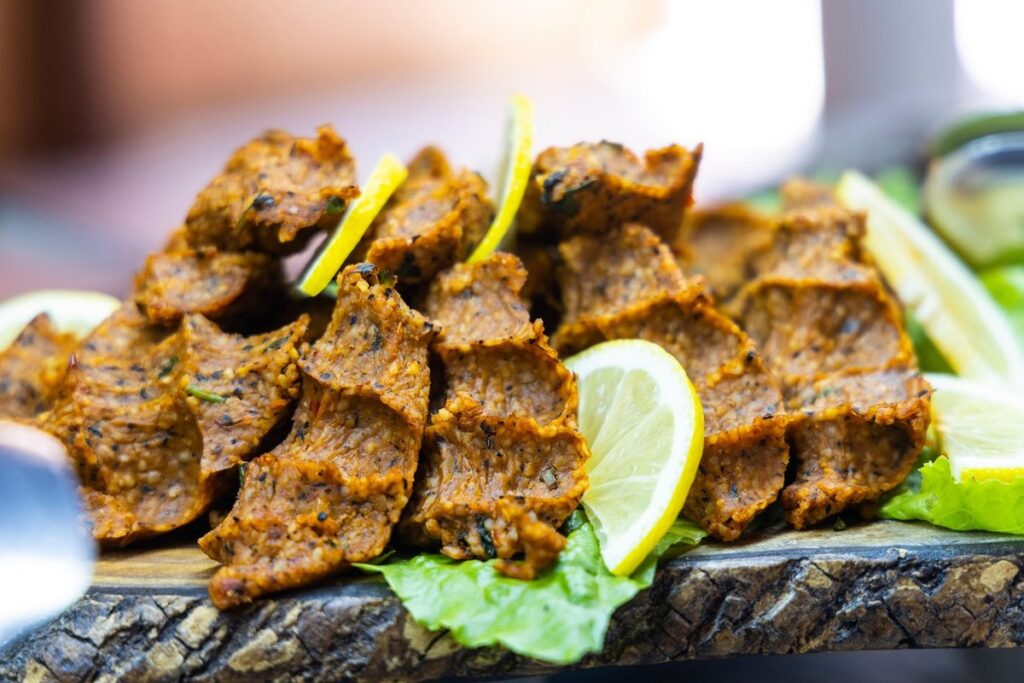
Understanding Turkey Nutrition Basics
To get started with turkey nutrition, let’s cover the basics: learning what makes up a healthy serving of turkey and understanding its essential nutrients.
What Are the Essential Nutrients Found in Turkey?
Turkey is an excellent source of essential nutrients that make it an ideal protein option. One of the most significant advantages of turkey is its high protein content. A 3-ounce serving of cooked turkey breast contains about 24 grams of protein, making it an excellent choice for those looking to boost their protein intake.
In addition to protein, turkey is also a good source of various vitamins and minerals. It’s rich in niacin, vitamin B6, and phosphorus. These nutrients play crucial roles in maintaining healthy skin, hair, and digestive systems. Moreover, turkey contains essential amino acids like tryptophan and histidine that help with tissue repair and growth.
When it comes to lean cuts of turkey, the nutrient-dense nature becomes even more apparent. A 3-ounce serving of cooked white meat turkey breast contains only 3 grams of fat, making it an excellent option for those monitoring their calorie intake. This makes turkey a versatile choice that can be incorporated into various diets, from low-carb to high-protein.
The Glycemic Index and Net Carbs in Turkey
When it comes to making informed choices about turkey products, understanding the glycemic index (GI) and net carbs is crucial. The GI measures how quickly a food raises blood sugar levels, with higher values indicating a greater impact on blood sugar.
For example, whole turkey breast has a relatively low GI of 27, while ground turkey tends to have a slightly higher value of around 32-34. On the other hand, processed turkey products like deli slices and sausage can range from 38-45, making them less ideal for those monitoring their blood sugar.
Net carbs are calculated by subtracting fiber content from total carb count. For instance, if a serving of turkey breast contains 3g of carbs with 0g of fiber, the net carb value would be 3g. However, if that same serving has 2g of carbs and 1g of fiber, the net carb value drops to 1g.
To put this into practice, simply check nutrition labels for both GI values and net carb calculations to make informed choices when selecting turkey products. This will help you balance your protein intake with a focus on healthy blood sugar management.
Health Benefits of Eating Turkey Regularly
Regular consumption of turkey has been linked to several impressive health benefits, making it an excellent addition to a balanced diet. From weight management to improved heart health, let’s dive into these advantages.
High-Quality Protein for Muscle Mass and Maintenance
When it comes to building and maintaining muscle mass, high-quality protein is essential. Turkey, being an excellent source of lean protein, plays a crucial role in supporting muscle growth and strength. Consuming enough protein from turkey helps to stimulate muscle protein synthesis, which is vital for repairing and building new muscle tissue.
To put this into perspective, studies have shown that consuming 1.6-2.2 grams of protein per kilogram of body weight daily can support muscle growth and maintenance (1). Turkey’s high protein content, approximately 3-4 ounces of cooked turkey breast providing around 26-30 grams of protein, makes it an ideal food choice for individuals looking to meet their daily protein needs.
Incorporating turkey into your diet also aids in muscle recovery post-workout or after injury. Adequate protein intake helps to reduce muscle soreness and inflammation, allowing you to recover faster and more efficiently (2). For example, a study found that consuming a protein-rich meal after exercise reduced muscle damage by 20% compared to a carbohydrate-only meal (3). By incorporating turkey into your post-workout or recovery meals, you can support muscle growth and repair while minimizing downtime.
Antioxidants and Anti-Inflammatory Properties
Eating turkey regularly can provide numerous health benefits, and one of its most significant advantages is its high antioxidant content. Antioxidants are essential for combating oxidative stress and inflammation in the body, which can lead to chronic diseases like cancer, heart disease, and neurodegenerative disorders.
Turkey contains a wealth of antioxidants, including vitamins C and E, selenium, and polyphenols. These compounds work together to neutralize free radicals, which damage cells and contribute to aging and disease. For example, one study found that turkey breast contained significantly higher levels of vitamin E than chicken or beef.
Incorporating antioxidant-rich turkey into your diet can be as simple as adding sliced turkey to salads or sandwiches, or using it in place of red meat for a leaner protein source. A 3-ounce serving of cooked turkey contains about 20% of the daily recommended intake of vitamin E, making it an excellent choice for those looking to boost their antioxidant levels.
When selecting turkey products, look for ones that are high in omega-6 fatty acids, which have anti-inflammatory properties and can help reduce inflammation. Some examples include smoked turkey breast or roasted turkey thighs. By incorporating these into your diet, you’ll be taking a significant step towards maintaining overall health and well-being.
Turkey Nutrition for Specific Diets and Needs
If you’re following a specific diet or have dietary needs, don’t worry – turkey can be a nutritious fit, whether you’re gluten-free, keto, or vegan. We’ll break down how to make it work for your lifestyle.
Low-Carb and Keto-Friendly Options
When it comes to low-carb and keto-friendly options from turkey, there are several choices that can fit into a healthy diet. One of the most obvious options is breast meat, which is extremely lean with virtually no carbs or fat. A 3-ounce serving of cooked turkey breast contains just 0.4 grams of carbs and 3.6 grams of protein.
Another option is ground turkey, which can be seasoned with herbs and spices to add flavor without adding carbs. Look for ground turkey that is at least 90% lean to minimize added fat. You can also try using turkey wings or drumsticks, which are often higher in fat but still relatively low in carbs.
To make the most of these options, be mindful of added ingredients such as breadcrumbs or sauces that can quickly add carbs and sugar. Opt for fresh herbs like thyme and rosemary to add flavor instead. With a little creativity, you can enjoy turkey on a low-carb diet while still getting all the nutritional benefits it has to offer.
Tips for Incorporating Turkey into a Vegetarian Diet
If you’re a vegetarian who occasionally consumes animal products, incorporating turkey into your diet can be a great way to boost protein intake while still aligning with your lifestyle choices. One of the most effective ways to do this is by substituting turkey for traditional meat in recipes.
For example, try swapping ground beef or pork for ground turkey in pasta sauces, tacos, or meatballs. This simple substitution can not only reduce saturated fat and cholesterol but also add lean protein to your meals. When choosing a cut of turkey, opt for breast or tenderloin as these are lower in fat compared to other cuts.
Another way to incorporate turkey is by adding it to vegetarian dishes like stir-fries, salads, or casseroles. Even a small amount can significantly increase the overall protein content of the meal. Experiment with different seasonings and marinades to add flavor without added salt or sugar.
Cooking Methods and Food Safety Considerations
When working with turkey, it’s essential to consider safe cooking methods that preserve its nutritional benefits while minimizing foodborne illness risks. Let’s explore some best practices for handling and preparing turkey in this next section.
Healthy Cooking Techniques for Retaining Nutrients
When cooking turkey, it’s essential to use techniques that help retain its nutritional value. Grilling, roasting, and pan-frying are excellent methods for preserving the nutrients found in turkey.
Grilling is a great way to cook turkey without losing its nutrient-rich properties. To do this effectively, marinate your turkey in herbs and spices before grilling, as marinades can enhance the bioavailability of certain nutrients. A study published in the Journal of Food Science found that marinating meat can increase the absorption of antioxidants by up to 40%.
Roasting is another healthy cooking method for turkey. This technique involves cooking the bird in its own juices, which helps retain moisture and prevents nutrient loss. When roasting a whole turkey, use a lower oven temperature (around 325°F) to prevent overcooking and ensure even cooking.
When pan-frying, make sure not to overcook your turkey. Cook it for shorter periods of time at higher temperatures to achieve the perfect sear. This method is ideal for smaller cuts of turkey, such as breast or thighs.
To avoid nutrient loss when cooking turkey, remember to cook it in a way that minimizes moisture loss and promotes even cooking. This will help retain the essential vitamins and minerals found in this nutritious protein source.
Safe Handling and Storage Guidelines
When handling raw turkey, it’s essential to prioritize food safety guidelines to minimize the risk of foodborne illness. This is especially crucial when considering turkey as a protein source, given its high nutritional value. Always wash your hands thoroughly with soap and warm water before and after handling raw poultry.
Raw turkey should be stored at the bottom shelf of the refrigerator to prevent juices from dripping onto other foods. Cover it securely in a sealed container or zip-top bag to prevent cross-contamination. When thawing, use the refrigerator or cold water method, never leaving the turkey at room temperature for more than two hours.
When storing cooked turkey, make sure it reaches an internal temperature of 165°F (74°C) before refrigerating. Use shallow containers and cover the food to allow for even cooling. Refrigerate or freeze leftovers promptly, labeling them with the date they were stored. Freeze at 0°F (-18°C) or below for up to four months.
Always check the expiration dates on raw turkey and discard any packaging materials that have been compromised. When in doubt, err on the side of caution and cook the turkey a bit longer to ensure food safety. Proper handling and storage are key to enjoying the nutritional benefits of turkey without compromising your health.
Common Misconceptions About Turkey Nutrition
You may be surprised to learn that there are several misconceptions surrounding turkey nutrition, which can impact your decision on incorporating it into a healthy diet. Let’s debunk these myths together!
Debunking the Myth: ‘Turkey Is High in Fat’
When it comes to protein sources, turkey is often misunderstood. One of the most common misconceptions about turkey nutrition is that it’s high in fat, particularly saturated fats. This notion may have originated from the idea that dark meat contains a higher percentage of fat compared to other meats.
However, the truth is quite different. A 3-ounce serving of cooked turkey breast contains only about 3 grams of total fat, which accounts for less than 5% of its calories. Moreover, this amount of fat comes primarily from unsaturated sources like omega-6 fatty acids and polyunsaturated fats, rather than saturated fats.
In comparison to other meats, turkey is actually one of the leanest options available. For example, a similar serving size of cooked chicken breast contains about 3 grams of total fat as well. In contrast, beef can contain up to 20 grams of total fat per 3-ounce serving, depending on the cut and level of doneness.
So why does dark meat seem higher in fat? While it’s true that some cuts of turkey, such as thighs or legs, do contain more fat than others, this extra fat comes primarily from a different type: unsaturated fats. These types of fats are still relatively low in calories and can even be beneficial for heart health when consumed in moderation.
To put this into perspective, the American Heart Association recommends limiting daily intake of saturated fats to no more than 5-6% of total calories. Given that turkey contains very little saturated fat to begin with, it’s clear that even dark meat cuts are still a relatively healthy choice compared to other meats high in saturated fat.
Conclusion
In conclusion, turkey is an excellent protein source that offers numerous nutritional benefits. By incorporating turkey into your diet, you can reap the rewards of its high-quality protein, low saturated fat content, and rich supply of essential vitamins and minerals. Whether you’re a health-conscious individual or simply looking to mix up your meal routine, adding turkey to your plate is an easy way to boost your nutrient intake. To make the most of turkey’s nutritional value, try pairing it with a variety of colorful vegetables for a balanced meal that will leave you feeling satisfied and energized. By making informed choices about your protein sources, you can take a significant step towards maintaining optimal health and wellbeing.
Frequently Asked Questions
How Can I Ensure I’m Choosing Lean Turkey for Optimal Nutrition?
When selecting turkey, look for the words “boneless,” “skinless,” or “white meat” to ensure you’re getting leaner cuts. Check the nutrition label for high protein content and low fat percentage. You can also opt for organic or free-range turkey for better nutritional profiles.
Can I Eat Turkey If I’m on a Low-Carb Diet?
Yes, lean turkey is an excellent option for low-carb diets due to its minimal carb content and high protein levels. A 3-ounce serving of cooked turkey breast contains about 0 grams of carbs, making it a great fit for keto-friendly meals.
How Do I Cook Turkey Safely to Retain Its Nutrients?
To cook turkey safely while preserving its nutrients, use moist heat methods like braising or stewing instead of grilling or frying. Always cook turkey to an internal temperature of 165°F (74°C) to prevent foodborne illnesses. Additionally, store cooked turkey in airtight containers and refrigerate promptly.
Can I Use Turkey as a Meat Substitute for Vegetarians?
Yes, lean turkey can be used as a plant-based protein source for vegetarians who still want to incorporate animal-derived nutrients into their diet. Choose low-sodium or herb-seasoned options to add variety without added salt.
How Much Turkey Should I Consume Per Day for Optimal Nutrition?
The recommended daily intake of turkey varies depending on individual caloric needs and health goals. Aim for 3-4 ounces (85-115g) of cooked turkey per meal, which is equivalent to a standard serving size. Adjust your portion sizes based on your specific nutritional requirements and activity level.