
If you’re considering buying free-range turkey for your holiday dinner, you might be wondering about the safety implications. Free-range systems can provide many benefits for turkeys, including more space to roam and forage, but they also come with some risks. One of the biggest concerns is predator risk – wild animals like coyotes and foxes can easily get into these open spaces and attack turkeys. Additionally, free-range systems can increase the risk of disease transmission between birds. However, many farmers take safety measures to minimize these threats, such as using fencing and monitoring systems. In this article, we’ll delve into the benefits and risks of free-range systems for turkeys and explore the safety measures that farmers take to keep their flocks safe. By understanding the pros and cons, you can make a more informed decision about your turkey purchases.
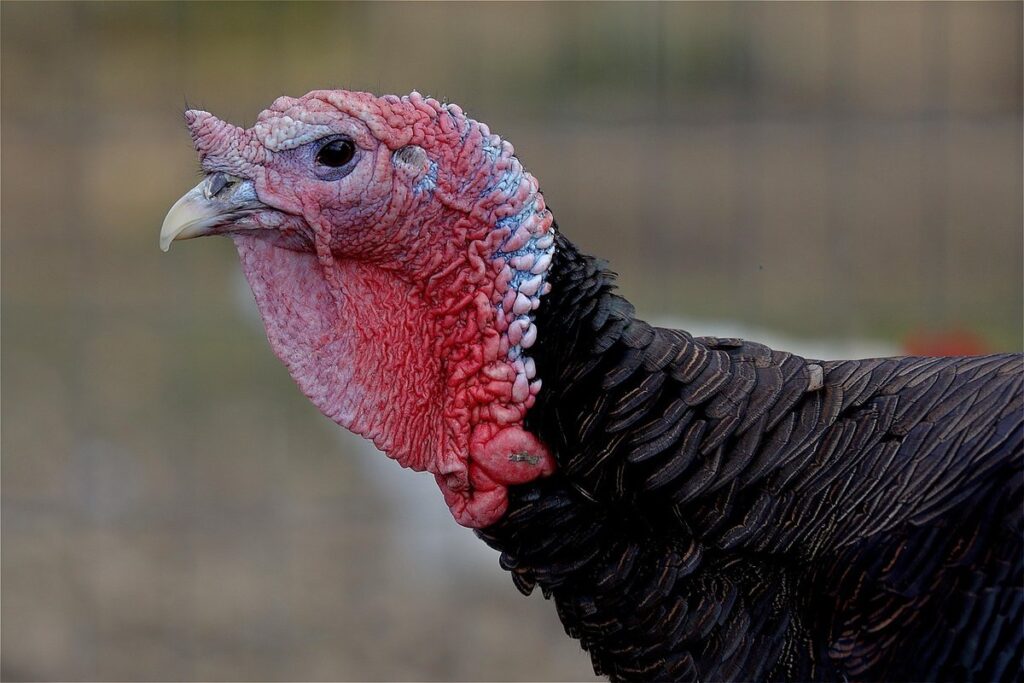
The Importance of Free Range for Turkeys
When it comes to turkeys, free range is often touted as a healthier option, but is it really worth the risks? Let’s weigh the pros and cons.
What is Free Range?
When it comes to free-range turkey farming, many people assume that their meat is sourced from birds that are able to roam freely outdoors. However, the truth is more complex. In the context of turkey farming, “free-range” refers to a system where turkeys have some access to the outdoors, but not necessarily 24/7. Government regulations, such as those in place in the United States, require farms to provide birds with some outdoor space, but the specifics can vary depending on the farm and the region.
Industry standards for free-range farming dictate that birds must have access to an enclosed outdoor area, which is often referred to as a “range.” This range can be anything from a small fenced yard to a large pasture. The key point to remember is that true free-range farms provide turkeys with regular and sustained access to the outdoors, not just a few hours of supervised time outside.
In reality, most commercial turkey farms do not meet these standards. Many birds are confined to indoor facilities for nearly their entire lives, with only brief periods of outdoor time. If you’re looking to purchase free-range turkey products, be sure to research the farm and ask questions about their policies and practices. Look for certifications like “Certified Humane” or “Animal Welfare Approved,” which can provide some assurance that the birds have been treated humanely and given adequate access to the outdoors.
Benefits of Free Range for Turkeys
Free-range systems have been shown to significantly improve turkey welfare, leading to a range of benefits for their overall health and well-being. One of the most notable advantages is reduced stress levels. Turkeys raised in free-range environments tend to exhibit lower cortisol levels, indicating that they experience less anxiety and stress compared to those kept in confinement.
In addition to decreased stress, free-range systems also provide turkeys with ample opportunities for exercise, which is essential for maintaining a healthy lifestyle. By allowing them to roam freely outdoors, you can ensure that your birds are able to engage in natural behaviors such as foraging, scratching, and flying. This type of physical activity not only helps to burn off excess energy but also contributes to stronger bones and muscles.
Moreover, free-range systems promote enhanced mental health by providing turkeys with a stimulating environment that encourages exploration and social interaction. By incorporating features like perches, dust baths, and visual barriers into your enclosure design, you can create a welcoming space that supports the turkeys’ emotional and psychological needs. This not only leads to happier, healthier birds but also makes it easier to manage their behavior and reduce stress levels within the flock.
Risks Associated with Free Range
While free range may sound appealing, it also comes with some hidden risks for turkeys and their human handlers. We’ll explore these potential dangers in more detail below.
Predator Risk and Turkey Safety
When it comes to free-range turkeys, there’s an inherent risk of predators lurking nearby. Birds of prey like hawks and eagles are a major concern for farmers, as they can swoop down and snatch unsuspecting turkeys right from their feet. Other aerial threats include owls and falcons, all of which are attracted to the ease of hunting that free-range environments provide.
On the ground, mammals like coyotes, foxes, and stray dogs pose a significant threat to turkey safety. These predators are opportunistic feeders, always on the lookout for an easy meal. To mitigate these risks, farmers employ various measures, including using netting or fencing around enclosures to keep birds of prey at bay. They also invest in guard animals, such as donkeys or geese, that can alert them to potential threats. Additionally, many farms implement rotation grazing practices, moving their turkey flock to different areas regularly to reduce the likelihood of predators becoming accustomed to a particular location.
Farmers often take additional precautions like removing attractants like food waste and debris from around enclosures, as these can draw predators in. Regular patrols by farm staff also help detect potential threats early on.
Disease Transmission in Free-Range Systems
When turkeys are raised in free-range environments, they have increased opportunities to interact with other animals, such as wild birds and rodents. These interactions can lead to the transmission of diseases, which can be devastating for the flock.
For example, avian influenza (AI) is a major concern in free-range systems. Wild birds can carry the virus and introduce it to turkeys, leading to outbreaks. Similarly, rodents can spread diseases like E. coli and Salmonella, which can cause serious illness in turkeys.
To control disease transmission in free-range environments, farmers should implement robust biosecurity measures. This includes:
• Ensuring all visitors, including staff and contractors, follow proper hygiene protocols
• Providing regular vaccinations for the flock
• Implementing rodent control measures to prevent infestations
• Conducting regular monitoring of the environment for signs of disease
Additionally, farmers can take steps to reduce interactions between turkeys and wild animals. This may include providing secure enclosures, using fencing to prevent escape or entry, and removing attractants like food and water sources that might draw wildlife into the area.
Ensuring Safety on Free-Range Farms
When it comes to free-range farms, ensuring the safety of turkeys is a top priority for both farmers and consumers. Let’s dive into some key considerations that can make all the difference.
Biosecurity Measures for Turkey Farms
Implementing effective biosecurity measures is crucial on free-range turkey farms to minimize disease transmission and maintain animal health. A well-structured vaccination program is a vital component of biosecurity, ensuring that turkeys are protected against common diseases such as Newcastle disease and infectious bronchitis. Farmers should work closely with veterinarians to develop a comprehensive vaccination schedule tailored to the farm’s specific needs.
Sanitation protocols also play a significant role in maintaining a clean and healthy environment for turkeys. Regular cleaning of coops, feeders, and waterers is essential, along with proper disposal of waste and manure. Implementing strict visitor controls can help prevent disease introduction onto the farm. This includes requiring visitors to wear personal protective equipment (PPE) such as gloves and masks, and limiting access to specific areas of the farm.
Adequate record-keeping is also vital in monitoring biosecurity measures. Farmers should maintain detailed records of vaccinations, cleaning schedules, and visitor logs to quickly identify potential issues and take corrective action.
Monitoring and Managing Predators
When it comes to free-range turkey farming, predators can be a significant threat to flock safety. To minimize this risk, farmers need to take proactive steps to monitor and manage predator activity on their properties. One effective way to do this is by conducting regular patrols of the farm perimeter, both during the day and at night. This allows farmers to identify potential entry points for predators, such as holes in fences or gaps under gates.
Farmers can also use a variety of deterrents, such as guard animals, alarm systems, and repellents, to discourage predators from approaching the flock. For example, some farmers use llamas or donkeys as guard animals to protect their turkeys from coyotes and foxes. Others install motion-sensitive lights and cameras to alert them to potential threats.
In addition to these measures, farmers can also take steps to reduce attractants that might draw predators to the farm in the first place. This can include removing food sources, such as pet food or compost piles, and keeping the farm clean and free of debris. By taking a proactive approach to predator management, farmers can help ensure the safety and security of their free-range turkeys.
Challenges Faced by Free-Range Turkey Farmers
Free-range turkey farming comes with its own set of challenges, from predators to harsh weather conditions that can impact bird health and well-being directly. As a free-range turkey farmer, you’re likely aware of these risks firsthand.
High Labor Costs and Increased Management
Free-range turkey farming is often associated with a more natural and humane approach to raising turkeys. However, this method also comes with its own set of challenges. One significant concern for free-range turkey farmers is the increased labor costs and management requirements.
Monitoring weather conditions is crucial in free-range systems as turkeys are exposed to the elements. Extreme temperatures, rain, or intense sunlight can be detrimental to their health. Farmers must invest time and resources into ensuring that their birds have access to adequate shelter from the elements. This not only includes providing buildings for extreme weather but also creating areas with shade and windbreaks.
In addition to weather monitoring, farmers must also manage the land to prevent overgrazing, which can lead to soil erosion and decreased pasture quality. This requires regular checks on the health of the pastures and implementing rotational grazing practices to maintain the fertility and biodiversity of the land. By investing time and resources into these management strategies, free-range turkey farmers can mitigate some of the risks associated with this method and provide a safe and healthy environment for their birds.
Consumer Demand and Market Pressure
The increasing demand for free-range products from consumers is having a significant impact on turkey farmers. Many are being forced to adopt these systems, despite higher production costs, due to market pressure. According to a recent survey, 70% of consumers consider animal welfare and environmental sustainability when making food choices.
This shift in consumer behavior has led to a surge in demand for free-range turkeys, with sales increasing by 15% in the past year alone. As a result, farmers are being pushed to meet this demand, often at their own financial expense. The average cost of producing one pound of free-range turkey is around $2.50 more than its conventional counterpart.
To adapt to this changing market landscape, farmers can consider implementing gradual changes, such as introducing outdoor access or improving living conditions within barns. This will not only help meet consumer expectations but also improve the overall welfare of their birds. It’s essential for consumers to support these efforts by being mindful of their purchasing decisions and choosing products that align with their values.
Addressing Consumer Concerns about Free-Range Safety
As a consumer, you may have concerns about the safety of free-range turkeys, and we’ll address these worries directly in this next part of our discussion. We’ll delve into specific risks and their mitigations.
Setting Realistic Expectations for Consumers
When considering free-range turkeys, it’s essential to set realistic expectations about what “free-range” truly means. While many consumers assume that free-range farms provide 24/7 access to the outdoors for their birds, this isn’t always the case. True free-range farming involves giving turkeys unrestricted access to outdoor areas where they can roam and engage in natural behaviors like foraging, scratching, and flying.
However, it’s not uncommon for free-range farms to have some level of confinement, such as a coop or enclosure, to protect the birds from predators and harsh weather conditions. These enclosures might be equipped with doors that allow turkeys to enter and exit freely, but they may not provide constant outdoor access.
To understand what “free-range” means in practice, look for farms that prioritize transparency and disclose their exact systems. Be wary of farms that claim to be 100% free-range without providing clear explanations of their practices. By setting realistic expectations, you’ll be better equipped to make informed choices about the turkey products you choose to support.
The Role of Certification Programs in Ensuring Safety
When it comes to ensuring the safety of turkeys on free-range farms, certification programs play a crucial role. Organizations such as Certified Humane and Animal Welfare Approved provide an added layer of assurance for consumers by setting rigorous standards for animal welfare and safety.
Certified humane farms are required to meet strict guidelines, including access to fresh water, adequate shelter, and protection from predators. This not only ensures the turkeys’ physical well-being but also reduces the risk of disease transmission. For instance, a study found that Certified Humane farms had lower rates of Salmonella and Campylobacter contamination compared to non-certified farms.
When shopping for free-range turkey products, look for the Certified Humane or Animal Welfare Approved label. These certifications indicate that the farm has met rigorous standards for animal welfare and safety. By choosing certified humane products, consumers can have greater confidence in the safety of their free-range turkeys.
Regulatory Frameworks and Enforcement
Let’s take a closer look at how regulatory frameworks and enforcement bodies are working to protect both turkeys and consumers in the UK. This includes key legislation and regulations that impact free range farming practices.
Government Regulations for Free-Range Farms
Government regulations play a crucial role in ensuring that free-range farms prioritize animal welfare and safety. These regulations vary across countries and regions, reflecting different cultural, economic, and environmental contexts.
In the European Union (EU), for instance, the Animal Welfare Act sets standards for minimum space requirements, nutrition, and health monitoring. Member states must also establish their own national laws to enforce these EU directives. Penalties for non-compliance can be severe, including fines and even imprisonment in some cases. For example, a 2020 survey by the European Commission found that over 70% of EU citizens support stricter animal welfare regulations.
In contrast, the US Department of Agriculture (USDA) has guidelines rather than strict laws governing free-range farming practices. The USDA’s Animal and Plant Health Inspection Service (APHIS) enforces these guidelines through on-site inspections and random sampling. Non-compliance can result in fines or even suspension of farm operations.
Farmers must familiarize themselves with local regulations to ensure compliance and minimize risks to their animals, customers, and the environment. This involves staying updated on changing laws, implementing robust record-keeping systems, and conducting regular self-audits to identify areas for improvement.
Industry Initiatives to Promote Safe Practices
Industry-led initiatives are playing a crucial role in promoting safe and humane treatment of turkeys on free-range farms. One notable example is the Certified Humane program, which sets voluntary standards for animal welfare. Participating farms must adhere to strict guidelines, including adequate shelter, access to clean water, and proper handling practices.
Another initiative is the Global Animal Partnership (GAP), a leading certification body that evaluates farm operations based on their commitment to animal welfare. GAP’s 5-Step Animal Welfare Certification program assesses factors such as living conditions, health programs, and management practices. By achieving higher levels of certification, farms can demonstrate their dedication to raising turkeys in a safe and humane environment.
Farms can also adopt best practice guidelines from organizations like the National Turkey Federation (NTF), which provides recommendations for free-range turkey production. The NTF’s guidelines emphasize the importance of providing adequate space, ensuring proper ventilation, and implementing humane slaughter practices. By adopting these initiatives, farmers can reduce the risks associated with free-range production while promoting a more sustainable and responsible industry.
Conclusion: Balancing Welfare and Safety in Free-Range Turkey Farming
In conclusion, free-range turkey farming is a complex issue that requires careful consideration of both welfare and safety. While these birds benefit from greater freedom and movement, they are also more susceptible to predators, disease, and injury. To balance these competing interests, farmers can implement measures such as providing secure enclosures, monitoring for potential threats, and promoting good hygiene practices. By doing so, they can minimize the risks associated with free-range farming while still allowing their birds to thrive in a natural environment. Ultimately, it’s essential for consumers to educate themselves about the farming practices used by their chosen suppliers and to support those that prioritize both welfare and safety.
Frequently Asked Questions
How can I ensure the free-range turkey farm I buy from follows proper biosecurity measures?
When purchasing from a free-range turkey farm, ask about their biosecurity protocols, such as regular cleaning and disinfection of coops, monitoring for signs of disease, and implementing measures to prevent predator access. Look for farms that have third-party certifications like Organic or Certified Humane, which often require adherence to strict biosecurity standards.
What are the potential consequences if a free-range farm doesn’t take adequate safety measures?
If a free-range farm neglects to implement proper safety measures, it can lead to increased risk of disease transmission among birds, as well as attacks by predators. This not only affects the health and welfare of the turkeys but also poses a risk to consumers who may be exposed to contaminated meat.
Can I trust labels like “free-range” or “organic” when shopping for turkey?
While these labels can provide some assurance about farming practices, they are no guarantee of safety. Always look beyond the label and research the farm’s specific practices and certifications. Some farms may use misleading labeling to make their products appear more humane or sustainable than they actually are.
How do free-range farms manage predator risk, especially in areas with high coyote or fox populations?
Free-range farms often employ various strategies to minimize predator risk, such as using fencing or netting to enclose coops, installing motion-activated cameras for monitoring, and working with local wildlife services to humanely deter predators. Effective management of predator risk is crucial for maintaining the safety and health of both turkeys and humans.
Are there any government regulations in place to ensure free-range farms prioritize turkey safety?
While government regulations can provide a framework for safe practices, they may not always be strictly enforced. In some countries or states, free-range farms may be subject to specific regulations regarding access to outdoors, predator control measures, or disease monitoring protocols. It’s essential for consumers to stay informed about local regulations and farm-specific practices when making purchasing decisions.