
Are you ready to take your egg incubation skills to the next level? Choosing the right incubator is just the first step in successfully hatching eggs. A crucial aspect that often gets overlooked is setting up a proper turning schedule, which can make all the difference in achieving higher hatchability rates.
In this article, we’ll dive into the world of egg turning schedules and explore how to optimize your incubation cycles for maximum success. We’ll cover everything from selecting the ideal incubator for your needs to implementing a customized turning schedule that ensures your eggs receive the perfect amount of movement. By following our expert guide, you’ll be well on your way to becoming an egg-incubation pro and increasing your chances of hatching healthy, happy chicks. Let’s get started!
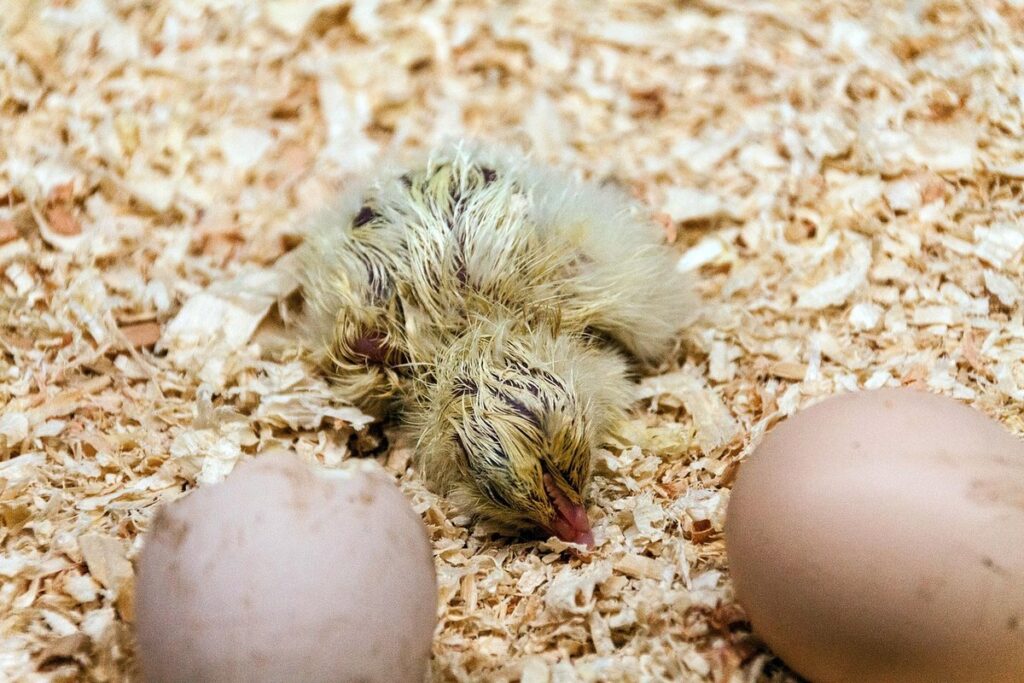
Understanding the Basics of Egg Incubation
Let’s start from scratch and get familiar with the fundamental process of egg incubation, which forms the foundation of successful hatching. This is where it all begins!
What is an Egg Incubator?
An egg incubator is a critical piece of equipment in poultry farming that plays a vital role in hatching eggs successfully. Its primary purpose is to provide a controlled environment for the developing chick inside the egg, mimicking natural conditions as closely as possible. By maintaining a consistent temperature, humidity level, and turning mechanism, an incubator ensures that the embryo receives the necessary conditions to grow and develop.
Proper incubation is crucial for hatching eggs successfully. If not done correctly, it can lead to poor hatch rates, weak chicks, or even failed hatches. For instance, a slight deviation in temperature can cause the chick’s development to be disrupted, leading to complications during hatching. An egg incubator helps to eliminate these risks by providing precise control over the environmental conditions.
When choosing an egg incubator, it’s essential to consider factors such as its size, capacity, and features like automatic turning and temperature control. Selecting a high-quality incubator can significantly improve hatch rates and ensure healthy chicks.
Choosing the Right Incubator Type
When it comes to choosing an incubator for your egg schedule, you’ll have several options to consider. The type of incubator that’s right for you will depend on factors such as budget, expertise level, and the number of eggs you plan to incubate.
Digital incubators are a popular choice among beginners due to their ease of use and accuracy. They often come with built-in temperature control and humidity monitoring systems, making it easy to maintain optimal conditions. However, they can be more expensive than analog options.
Analog incubators, on the other hand, offer a more manual approach. They require you to set the temperature and humidity levels manually using dials or knobs. While they’re often cheaper upfront, they may not provide the same level of accuracy as digital models.
Consider your personal needs: if you’re new to incubation, a digital model might be a better choice due to its ease of use. However, if you’re on a tight budget or want more control over the process, an analog model could be a better fit. Additionally, think about the space and resources available for your incubator – automatic models are great for those with limited time, but manual options require more attention and care.
Preparing Your Eggs for Incubation
Before you can successfully incubate your eggs, it’s essential to carefully prepare them for the process by selecting and storing them correctly. Let’s walk through these crucial steps together.
Selecting Healthy Eggs
When selecting healthy eggs for incubation, it’s essential to choose from a reputable breeder or supplier. A good breeder will be able to provide you with fertile eggs that have been handled and stored properly. Look for signs of fertility such as a clean, dry egg white and a small air sac at the large end of the egg.
Proper handling is crucial before incubation begins. Make sure the eggs are stored in a cool, dry place, away from direct sunlight and drafts. A temperature range of around 50-60°F (10-15°C) is ideal for storage. Avoid storing eggs near fruits or vegetables, as these can give off ethylene gas that can cause the eggs to spoil.
Before bringing your eggs home, inspect them carefully for any visible cracks or damage. If you notice any imperfections, it’s best to discard the egg immediately. A healthy egg will have a clean, smooth shell and a firm white. By choosing fertile eggs from a reputable source and handling them properly, you’ll be well on your way to a successful incubation cycle.
Setting Up the Egg Schedule
Setting up an egg schedule is crucial to ensure that your eggs develop and hatch successfully. This schedule involves carefully planning out the temperature, humidity, and turning cycles for your incubator, taking into account the type of eggs being hatched. Different species have unique requirements, so it’s essential to research specific guidelines for your breed.
For example, chicken eggs typically require a consistent 99-100°F (37.2-37.8°C) temperature, with humidity levels around 50-60%. Duck eggs, on the other hand, need a slightly higher temperature of 100-101°F (37.8-38.3°C), and humidity levels should be around 55-65%. Turkey eggs require an even warmer environment at 102-103°F (39.4-39.6°C).
To create a successful egg schedule, start by calculating the total number of days until hatching for your specific breed. Then, divide this number into manageable segments, such as 24-hour blocks or turning cycles. Set reminders and alarms to ensure you don’t miss a turn or temperature adjustment, and keep a close eye on incubator readings throughout the process. With careful planning and attention to detail, you’ll be well on your way to hatching healthy chicks!
Incubator Setup and Calibration
To set up and calibrate your incubator successfully, you’ll need to follow specific steps to ensure accurate temperature control and optimal egg development conditions. This section will guide you through that process.
Basic Incubator Components
An incubator is only as effective as its components, and understanding these essential parts is crucial for optimal performance. At the heart of every good incubator lies a reliable temperature control unit, responsible for maintaining a precise temperature range between 37°C and 39°C. This can be achieved through electric heating elements or advanced systems like Peltier plates.
The humidistat ensures the perfect balance of moisture within the incubator, typically set between 45% to 55%. Proper humidity levels are vital as they influence both egg development and embryo growth. Connect these two components by linking the temperature control unit to a thermostat which in turn controls the heating element, creating an efficient feedback loop.
Turning mechanisms also play a significant role in the incubation process. A reliable turning mechanism should gently rotate eggs 3-5 times per hour to prevent adhesion to the shell and promote even development. Ensure that these components are properly connected and calibrated before starting the incubation cycle for optimal results.
Calibrating the Temperature and Humidity Controls
Calibrating temperature and humidity controls is a crucial step in ensuring that your incubator provides a stable environment for your eggs. The process may vary depending on the specific model of your incubator, but most will have a calibration procedure outlined in their user manual.
Begin by setting the temperature to the recommended level (usually around 99-100°F) and allowing it to stabilize for at least 30 minutes before taking readings with an external thermometer. Compare these readings to the internal temperature display on the incubator – if they differ by more than 1-2 degrees, adjust the calibration accordingly.
Next, move on to calibrating the humidity controls. This typically involves setting a specific percentage of relative humidity and allowing it to stabilize for at least an hour before taking readings with a hygrometer. Compare these readings to the internal humidity display on the incubator – if they differ by more than 5%, adjust the calibration accordingly.
Remember to monitor your incubator’s temperature and humidity levels regularly during the incubation period, making adjustments as necessary to ensure that they remain within the optimal range (usually between 99-100°F for temperature and 45-55% for relative humidity).
Turning Your Eggs: A Critical Incubation Factor
When it comes to hatching a healthy chick, turning eggs is an often-overlooked yet crucial aspect of incubation. Proper egg rotation can make all the difference in ensuring successful development inside your incubator.
The Importance of Regular Turning
Regular turning of eggs is an essential factor to consider when it comes to incubation. When eggs are turned regularly, it ensures even development and growth of the embryo inside. This is crucial because uneven development can lead to complications during hatching, which may result in failed hatch rates or deformed chicks.
In modern egg incubators, manual or automatic turning mechanisms play a vital role in simulating natural conditions. These mechanisms gently rotate the eggs to maintain proper alignment with the gravity, ensuring that the embryo grows evenly. Without this feature, eggs can become stuck to the turner or even get cracked due to uneven pressure.
It’s recommended to adjust your incubator settings according to the specific needs of your birds. For example, if you’re hatching large breed eggs, you may need to set a slower turning speed to accommodate their larger size. By incorporating regular egg turning into your incubation routine, you can minimize risks and promote healthier chicks. Aim for 5-10 degree turns every hour or as specified by the manufacturer’s guidelines.
Optimizing Turning Cycles and Speeds
Optimizing turning cycles and speeds is crucial for successful embryonic development, fertility rates, and ultimately hatchability. The ideal turning cycle involves rotating the eggs between 45 to 180 degrees every hour or every other hour, depending on the incubator model and egg type.
Research suggests that optimal turning speed ranges from 0.3 to 1.5 inches per minute (IPM), with most incubators operating within this range. For example, a study comparing different turning speeds found that eggs turned at 0.6 IPM had higher fertility rates compared to those turned at 0.2 or 1.0 IPM.
However, not all egg types require the same turning parameters. Larger eggs, such as ostrich and emu, may benefit from slower turns (around 45-90 degrees every 3 hours), while smaller eggs can be turned more frequently (every hour). It’s essential to consult your incubator manual for specific guidelines on adjusting these parameters based on egg type.
To optimize turning cycles, consider the following practical tips:
* Monitor your eggs’ temperature and humidity levels closely
* Use a consistent turning schedule, even during power outages or interruptions
* Make adjustments as needed based on observed hatching rates and embryo development
Troubleshooting Common Incubation Issues
We all hit roadblocks when incubating eggs – temperature fluctuations, humidity woes, and stuck-on fertilization can be a recipe for disaster. Let’s tackle these common issues head-on together.
Recognizing Potential Problems Early On
Recognizing potential problems early on is crucial to preventing losses and ensuring a healthy hatch rate. Let’s take a closer look at some common issues that may arise during incubation.
Temperature fluctuations can be devastating, causing embryos to stop developing or even leading to mortality. A temperature deviation of just 1-2°C from the ideal 37.5-38°C can have significant consequences. To recognize this issue early on, check your thermometer regularly and ensure it’s placed correctly within the incubator. You can also set up an alarm system to notify you if the temperature exceeds the safe range.
Humidity control problems are another common issue, with dry air causing eggs to dry out or become dehydrated. Conversely, excessive humidity can lead to fungal growth and bacterial contamination. Monitor your hygrometer closely and adjust the humidity settings as needed. It’s also essential to maintain a consistent humidity level throughout the incubation period.
A malfunctioning turning mechanism is another problem that can arise during incubator usage. If eggs aren’t being turned regularly, it can cause uneven development, leading to weak or deformed chicks. Regularly check the turning mechanism and ensure it’s functioning correctly. By recognizing these potential problems early on, you can take corrective action and prevent losses before they become severe issues.
Strategies for Overcoming Incubation Challenges
When unexpected challenges arise during incubation, it’s essential to have strategies in place to overcome them. One of the first steps is to carefully review and adjust settings as needed. This may involve recalibrating temperature, humidity, or ventilation levels to create a more stable environment for the developing eggs.
In extreme cases, emergency measures may be required to prevent catastrophic losses. For instance, if a sudden power outage occurs, a backup generator or battery-powered incubator can provide a temporary solution. Additionally, having a plan in place for quickly relocating eggs to a safe location can help mitigate damage.
Lastly, don’t hesitate to seek expert advice when necessary. Incubation experts and online forums can offer valuable guidance on troubleshooting common issues and developing contingency plans. By being proactive and prepared, you’ll be better equipped to handle unexpected challenges and keep your incubator running smoothly. Regularly reviewing incubation protocols and staying up-to-date with best practices will also help minimize the risk of incubation-related setbacks.
Optimizing Your Hatching Success Rate
To increase your chances of successful hatches, let’s discuss some critical factors that can impact the outcome and provide you with expert tips to optimize your results.
Monitoring and Recording Incubation Data
Tracking temperature and humidity levels is crucial throughout the incubation period to ensure optimal conditions for hatching. These factors can significantly impact the development of embryos, making it essential to monitor them closely. Most incubators come with built-in thermometers and hygrometers, allowing you to track these vital parameters.
In addition to temperature and humidity, monitoring turning cycles is equally important. Incubators usually have a set schedule for egg turning, but it’s crucial to understand that this may not be sufficient for your specific situation. You may need to adjust the frequency or direction of turns based on your egg batch or incubator model. For instance, some breeds require more frequent turning than others.
Record all data points in a dedicated logbook or use an incubation management app to track temperature fluctuations, humidity levels, and turning cycles. Regularly reviewing this information will help you identify patterns or trends that can inform future improvements. Analyze your data to determine if any adjustments need to be made to the incubator’s settings or egg handling practices. By doing so, you’ll increase your chances of achieving a high hatching success rate.
Analyzing Factors Affecting Hatchability Rates
When it comes to achieving high hatchability rates, understanding the various factors that influence them is crucial. One of the most significant contributors to successful hatching is egg quality. Fresh eggs with clean, dry shells and a healthy embryo are essential for optimal development.
Breed selection also plays a critical role in determining hatchability. Some breeds are more suitable for incubation than others due to their genetic makeup. For example, Leghorns are known for their high fertility rates, while Orpingtons tend to have lower success rates. Research the breed you’re working with and choose those that align best with your goals.
Temperature fluctuations within the incubator can also impact hatchability. Even small variations in temperature can cause eggs to develop irregularly or even fail to hatch altogether. To mitigate this risk, invest in a high-quality incubator that maintains precise temperature control.
During incubation, proper handling practices are vital. Excessive movement or jarring can disrupt embryo development and lead to poor hatch rates. Regular monitoring of temperature, humidity, and egg position will help you maintain an optimal environment for your eggs to thrive.
Advanced Incubator Techniques and Considerations
As you become more comfortable with incubation, it’s time to explore advanced techniques that can take your hatch rates to the next level. This includes subtle adjustments to temperature, humidity, and turning schedules.
Implementing Automated Egg Turning Mechanisms
Automated egg turning mechanisms are revolutionizing the incubation process, offering numerous benefits that can take your hatch rates to the next level. By automating this crucial step, you can significantly reduce labor time and increase efficiency. No longer will you need to manually turn eggs multiple times a day, freeing up more time for other essential tasks.
In addition to increased productivity, automated egg turning mechanisms have been shown to improve hatchability rates by ensuring that eggs are turned with precision and consistency. According to a study published in the Journal of Applied Poultry Research, automated incubation systems resulted in a 12% increase in hatch rate compared to manual methods.
When choosing an automated egg turning mechanism, consider your specific needs and resources. Consider factors such as the number of eggs you’re hatching, the size of your operation, and your budget. Look for models that offer customizable settings, remote monitoring capabilities, and easy maintenance.
Exploring Alternative Energy Sources for Incubators
As you work towards mastering the incubator, it’s essential to consider alternative energy sources that can power these critical systems. In off-grid or environmentally conscious settings, relying on conventional electricity may not be feasible. Fortunately, there are innovative options available.
Solar panels, for instance, are a popular choice for powering incubators. They harness renewable energy from the sun and can be especially effective in areas with abundant sunlight. However, it’s crucial to ensure that the solar panel system is designed specifically for your incubator’s energy requirements. Consider using a charge controller to regulate the flow of energy and prevent overcharging.
Wind power is another viable option, particularly in areas with consistent wind patterns. However, you’ll need to assess whether the wind speeds are sufficient to generate a reliable energy supply. Additionally, you may want to consider battery backup systems to store excess energy for use during periods of low wind or solar irradiance.
Frequently Asked Questions
How can I adjust the turning schedule for my incubator if I have a large number of eggs?
To optimize your turning schedule, divide the total number of eggs by the recommended turns per hour (usually around 10-15). This will give you the correct frequency. For example, if you have 20 eggs and the recommended turns are every 45 minutes, adjust the setting to turn them every 22-30 minutes for optimal results.
What’s the best way to troubleshoot issues with my incubator’s temperature and humidity controls?
When experiencing issues with your incubator’s temperature and humidity controls, start by checking the calibration. Make sure you’ve followed the manufacturer’s guidelines for proper setup and adjustment. Also, regularly clean and maintain the equipment to prevent malfunctions.
Can I use a different type of turning mechanism if I have a large incubator or specific egg requirements?
While most incubators come with a standard turning mechanism, some models offer adjustable options or custom settings for larger incubators or specific breeds. If you’re unsure about your incubator’s capabilities, consult the user manual or contact the manufacturer for guidance.
How often should I record and monitor my incubation data to ensure optimal results?
To maximize hatchability rates, it’s essential to regularly monitor and record your incubation data. Set aside time each day (e.g., before turning) to note temperature fluctuations, humidity levels, and any issues that arise. This will help you identify potential problems early on and make informed adjustments.
Can I use a different type of energy source for my incubator if it’s not gas-powered?
Yes, many modern incubators come with alternative energy sources such as electric or solar power. When selecting an alternative, ensure it meets your incubation needs (e.g., consistent temperature) and is compatible with the manufacturer’s recommendations.