
Have you ever stopped to think about the humble chicken egg? It’s a staple in many of our diets, but have you ever wondered what makes one type of egg different from another? From the size and color to the health benefits and nutritional content, there are numerous types of eggs out there. You might be surprised by just how varied they can be. In this article, we’ll take a closer look at some of the most common types of chicken eggs, including large, jumbo, white, brown, blue, and green eggs. We’ll explore their unique characteristics, from physical traits to health benefits, so you can make informed choices about what’s best for you. Whether you’re an egg enthusiast or just looking for a healthier option, keep reading to discover the fascinating world of chicken eggs.
Characteristics and Classification
Now that we’ve explored the different breeds of chickens, let’s dive into the characteristics and classification of their eggs. You’ll learn how to identify each type based on its appearance and features.
Physical Characteristics
When it comes to physical characteristics, different types of chicken eggs can be quite distinct from one another. One of the most noticeable differences is egg shape. For instance, quail eggs are oval-shaped and significantly smaller than standard chicken eggs, which are typically round or slightly elongated. Duck eggs, on the other hand, tend to be longer and narrower in comparison.
Egg size also varies depending on the breed of chicken. Bantam eggs, for example, are roughly half the size of large chicken eggs, while ostrich eggs can weigh up to 3 pounds each.
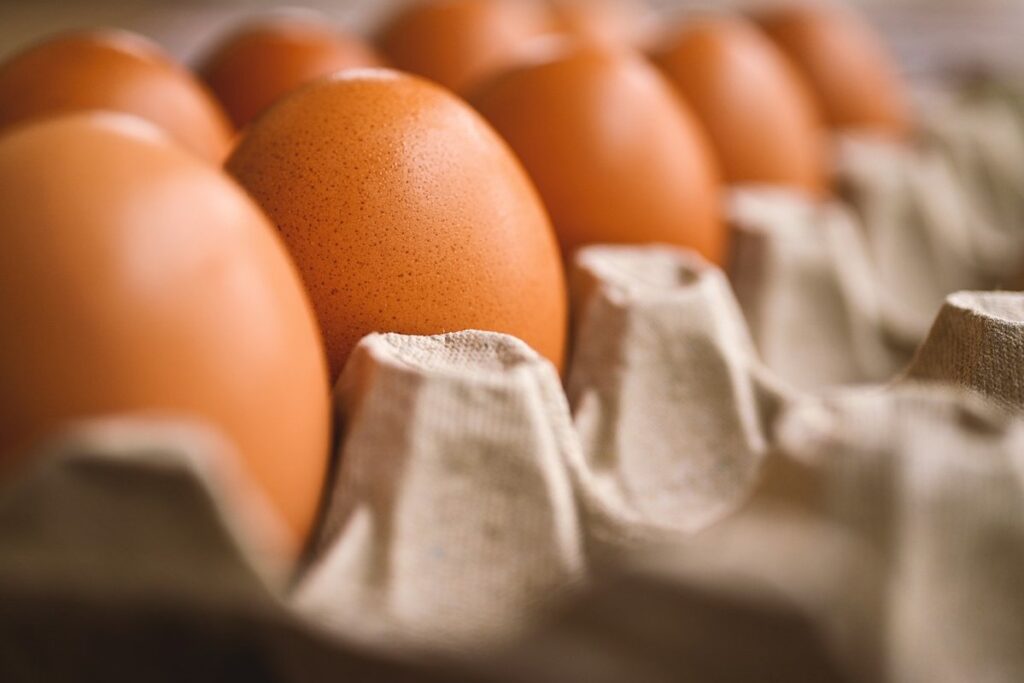
The color of an eggshell is another key physical characteristic that can help identify different types of chicken eggs. Many breeds lay white or brown eggs, but some, like Araucana chickens, produce blue or green eggs due to a genetic trait that causes their shells to have this unique coloration.
Finally, the texture of an eggshell can be quite different depending on the breed and age of the hen. Some eggshells are smooth and thin, while others may be thicker and more rugged in appearance.
Genetic Factors
When it comes to determining an egg’s characteristics, genetics play a significant role. Different breeds of chickens produce eggs with distinct traits, such as size, shape, color, and even shell thickness. For instance, the Araucana breed is known for its blue eggs due to a genetic trait that causes the production of more blue pigment in their shells.
Choosing the right hatchery can greatly impact the characteristics of your eggs. Not all hatcheries are created equal, and some may specialize in certain breeds or egg types. Researching reputable hatcheries and selecting one that aligns with your desired egg characteristics is crucial for achieving the type of eggs you want.
Consider the following factors when selecting a hatchery:
• Breed selection: Look for hatcheries that specialize in breeds known for producing specific traits, such as shell color or size.
• Genetic testing: Some hatcheries may conduct genetic testing on their birds to ensure they have the desired characteristics.
• Flock management: A well-managed flock can lead to healthier birds and higher-quality eggs.
Egg Classification Systems
There are several egg classification systems used globally to categorize chicken eggs based on their characteristics and breed. One widely recognized system is the American Poultry Association’s (APA) classification, which groups eggs into 12 different categories, including large, extra-large, jumbo, and others, based on weight.
The European Union’s (EU) classification system, on the other hand, categorizes eggs into three main types: J (62.5-69 grams), M (70-75 grams), and L (76-77 grams). This system takes into account the egg’s mass rather than its size or shape.
While these systems differ in their approach to classifying chicken eggs, both are widely used in various parts of the world. If you’re interested in raising heritage breeds, the APA classification might be more relevant, as it emphasizes breed-specific characteristics. In contrast, if you’re purchasing eggs from Europe, the EU system is likely applicable.
To make sense of these different systems, consider the purpose for which you’re categorizing chicken eggs – whether it’s for market sales, show purposes, or personal consumption. This understanding will help you choose the most suitable classification system for your needs.
Size and Weight
When it comes to chicken eggs, size and weight can vary significantly depending on several factors. Let’s take a look at what affects an egg’s size and how you can tell if one is particularly large or small.
Large Eggs
Large eggs are a popular choice among consumers due to their balance of size, weight, and nutritional content. On average, large eggs weigh around 50 grams each, making them significantly larger than extra-large and jumbo eggs. Their larger size also means they have more egg whites and yolks, which can be beneficial for baking and cooking.
In terms of nutrition, large eggs are a good source of protein, vitamins, and minerals. According to the United States Department of Agriculture (USDA), one large egg contains about 6 grams of protein, making them an excellent option for those looking to boost their protein intake. Additionally, large eggs contain various B vitamins, including vitamin B12, which is essential for brain function and blood formation.
When choosing large eggs, look for those that are fresh and have a clean, dry appearance. Always check the expiration date or “Sell By” date on the carton to ensure you’re purchasing eggs within their optimal freshness range.
Jumbo Eggs
Jumbo eggs are significantly larger than regular large eggs, with an average weight of about 2.5 ounces (70 grams) compared to 1.75 ounces (50 grams). This increased size provides more volume for baking and cooking, making them ideal for recipes that require extra moisture or richness.
When it comes to using jumbo eggs in baking, you can substitute two large eggs with one jumbo egg, but be aware that the leavening properties may vary due to the larger size. Jumbo eggs also have a higher yolk-to-white ratio, which makes them perfect for recipes where a richer, more intense flavor is desired.
For example, if you’re making a cheesecake or creme brulee, jumbo eggs would be an excellent choice. However, when baking delicate items like meringues or souffles, it’s best to stick with regular large eggs due to their lighter and fluffier texture. Remember that jumbo eggs are not just for baking; they can also add a boost of protein to omelets, frittatas, or any other egg-based dish. Experiment with jumbo eggs in your kitchen to unlock new possibilities in the world of chicken eggs!
Extra-Large and Extra-Jumbo Eggs
If you’re looking for larger eggs to elevate your cooking game, you might have come across “Extra-Large” and “Extra-Jumbo” options. While these sizes may seem similar, they offer distinct advantages and disadvantages.
One key difference between Extra-Large (XL) and Extra-Jumbo (XJ) eggs is their weight: XJ eggs typically weigh about 2 ounces more than XL eggs. This increased size translates to a richer yolk flavor and a slightly firmer texture. However, this also means that larger eggs are often pricier and may not be suitable for every recipe.
For bakers, the extra size of Extra-Jumbo eggs can be beneficial for recipes like angel food cake or meringues, where the extra liquid content is desirable. On the other hand, home cooks might find that the increased size makes it harder to cook eggs evenly. If you do choose to use larger eggs, make sure to adjust your cooking time and technique accordingly.
It’s also worth noting that some farms may label their Extra-Jumbo eggs as “large” or “extra-large”, so be sure to check the packaging or ask the seller for clarification.
Color and Interior
When it comes to choosing the perfect eggs, color can play a big role. We’ll take a look at how different eggshell colors are related to the chicken breeds that lay them.
White Eggs
White eggs are one of the most common types of chicken eggs available in the market. They have a clean and minimalist appearance, with a smooth and shiny white shell that’s often considered the most appealing to many consumers. When it comes to their texture, white eggs tend to be slightly firmer than brown eggs due to the lower water content in the egg white.
From a nutritional standpoint, white eggs are nearly identical to brown eggs. Both types of eggs contain about 6-7 grams of protein per large egg and have similar amounts of fat, vitamins, and minerals like vitamin D, B12, and iron. However, it’s worth noting that the nutritional content can vary slightly depending on the breed of chicken and their diet.
In terms of taste and cooking performance, white eggs are often preferred by bakers due to their higher ratio of egg white to egg yolk, which makes them ideal for meringues and souffles. If you’re looking to try out a new recipe or want to upgrade your baking skills, consider using white eggs as the base ingredient.
Brown Eggs
Brown eggs have become increasingly popular in recent years due to their unique characteristics and potential health benefits. One of the most noticeable differences between brown eggs and white eggs is their coloration. Brown eggs owe their color to a pigment called protoporphyrin, which is produced by certain breeds of chicken.
In terms of shell thickness, brown eggs tend to have thicker shells than white eggs. This can make them more durable and less prone to cracking during handling or storage. However, the difference in shell thickness may also contribute to a higher risk of salmonella contamination. It’s essential for consumers to purchase eggs from reputable sources that follow proper sanitation and handling procedures.
From a nutritional standpoint, there is no significant difference between brown eggs and white eggs. Both types contain similar amounts of protein, fat, and other essential vitamins and minerals. However, some producers claim that brown eggs are higher in omega-3 fatty acids due to the hens’ diet. While this may be true for some farms, it’s not a universal characteristic of all brown eggs.
Blue and Green Eggs
Blue and green eggs are a unique and sought-after feature for many backyard chicken enthusiasts. However, it’s essential to note that egg-laying hens with these colors are relatively rare due to the genetics involved.
To produce blue or green eggs, hens need a specific genetic combination that affects the production of pigment in their shells. This is often linked to the breed’s ancestry and geographical origins. For instance, some breeds like Araucana and Ameraucana have been known to lay blue eggs due to their Andean heritage.
When it comes to acquiring blue or green egg-laying hens, breeders often prioritize genetics over other characteristics. If you’re interested in getting your hands on these birds, be prepared for a potentially longer waitlist due to demand. Consider cross-breeding with breeds that already exhibit the desired trait to increase chances of success.
Some popular breeds known for their blue or green eggs include:
• Araucana
• Ameraucana
• Easter Egger
Laying Ability
When it comes to laying ability, some breeds are natural prolific layers, while others require a bit more encouragement to produce eggs regularly. Let’s explore what you can expect from different types of egg-laying hens.
Dual-Season Layers
Dual-season layers are an excellent choice for backyard chicken keepers who want consistent egg production throughout the year. These birds thrive in temperate climates with moderate temperatures and humidity levels, making them ideal for spring and fall seasons.
One of the primary advantages of dual-season layers is their ability to regulate their internal temperature. Unlike heat-tolerant breeds that produce eggs primarily during warm months, or cold-hardy breeds that lay mainly during winter, dual-season layers adapt to changing temperatures by adjusting their egg production accordingly.
In temperate climates with mild winters and cool summers, dual-season layers can produce eggs consistently throughout both spring (April-June) and fall (September-November). For example, the Rhode Island Red breed is known for its exceptional egg-laying abilities during these seasons. With proper care and management, you can expect around 200-220 eggs per year from a single bird.
When choosing a dual-season layer, consider factors such as egg size, shell quality, and temperament. Research local breeds that excel in your climate, and don’t hesitate to ask fellow chicken enthusiasts for advice on caring for these remarkable birds.
Single-Summer Layers
Single-summer layers are a type of chicken that produces eggs at an incredible rate during their first summer. These birds can lay up to 300 eggs per year, making them one of the most productive breeds for backyard flocks or small-scale farms. However, this high egg production comes with a trade-off – single-summer layers typically only produce eggs for about six months before slowing down.
The benefits of single-summer layers are undeniable. Their rapid growth and intense laying period make them ideal for farmers who want to maximize their egg output quickly. For example, if you’re looking to start an egg business or need a reliable source of fresh eggs for your family, a single-summer layer flock can provide the necessary quantity in a short amount of time.
Despite these advantages, there are some limitations to consider. Single-summer layers often require more resources and attention from their owners due to their high laying rates. This means providing extra feed, water, and care to maintain their health and productivity. Additionally, these birds may be more prone to health issues due to the intense pressure on their reproductive systems.
If you’re considering adding single-summer layers to your flock, make sure to research their specific needs and ensure you can provide the necessary support during their laying period. With proper care and management, a single-summer layer flock can be a highly rewarding and profitable addition to any backyard or small-scale farm operation.
Other Breeds and Varieties
While Leghorns and Australorps get most of the attention when it comes to prolific egg-laying, there are many other breeds and varieties that deserve recognition for their exceptional laying abilities. One such breed is the Barred Plymouth Rock, known for producing large brown eggs with a moderate to high rate of production.
In fact, studies have shown that Barred Plymouth Rocks can lay up to 300-320 eggs per year, making them a great choice for backyard flocks and small farms. Another notable variety is the Buff Orpington, which produces large brown eggs at a rate of around 200-220 per year. These birds are known for their gentle nature and easy-going personalities, making them a popular choice for families and beginners.
When selecting breeds or varieties for your flock, consider factors such as climate, feed availability, and space requirements. Research different breeds and varieties to determine which ones will thrive in your specific environment and meet your egg-laying needs.
Health Benefits and Allergens
Let’s take a closer look at the potential health benefits of different types of chicken eggs, as well as common allergens to be aware of.
Nutritional Content
When it comes to the nutritional content of different types of chicken eggs, there are some surprising variations. One of the most notable differences is in protein levels. For example, ostrich eggs contain a whopping 12-15 grams of protein per large egg, compared to around 6-7 grams in a standard chicken egg.
In contrast, the fat content can vary significantly depending on the breed and diet of the chicken. Some heritage breeds like Marans or Araucana lay eggs with higher fat content due to their slower growth rate and more diverse diets. On average, an egg from a commercial farm will have about 4-5 grams of fat, while those from free-range or pasture-raised farms might contain up to 6-7 grams.
In terms of vitamin and mineral richness, duck eggs are often prized for their high levels of iron, zinc, and B vitamins. While chicken eggs also contain these essential nutrients, the amounts can vary depending on the feed and living conditions of the birds. For instance, a pasture-raised chicken egg might have higher levels of omega-3 fatty acids due to its diet rich in grasses and insects.
It’s worth noting that choosing eggs from hens that are fed organic or non-GMO feeds will result in more nutritious eggs overall.
Cholesterol and Saturated Fat
Cholesterol and saturated fat are two nutrients that often get a bad rap when it comes to egg consumption. Many people believe that eggs are high in these “bad” fats, which can lead to increased risk of heart disease and other health problems. However, the truth is more nuanced.
Research has shown that dietary cholesterol has a relatively small impact on blood cholesterol levels for most people. In fact, a 2019 study published in the Journal of Nutrition found that eating an egg per day had no significant effect on cardiovascular disease risk in healthy adults. Similarly, saturated fat is often vilified, but it’s essential for various bodily functions, including brain function and hormone production.
When it comes to egg cholesterol and saturated fat, it’s also worth noting that the difference between grass-fed and conventionally raised eggs can be significant. Grass-fed eggs tend to have lower levels of these nutrients due to their diet and living conditions. However, even with this in mind, eggs remain a relatively lean protein source compared to many other foods. So go ahead and enjoy your eggs – they’re a nutritious addition to a balanced diet!
Allergens and Intolerances
If you’re considering adding eggs to your diet, it’s essential to understand the difference between common food allergies and intolerances. Allergies occur when your immune system mistakenly identifies a harmless substance as a threat, triggering an overreaction that leads to symptoms such as hives, itching, swelling, stomach cramps, diarrhea, and even anaphylaxis in severe cases.
On the other hand, food intolerance is often a result of difficulty digesting specific components within a particular food. For instance, individuals with lactose intolerance struggle to break down lactose due to low levels of lactase enzyme. In contrast, those with egg allergy react to proteins like ovomucoid and ovotransferrin present in the egg white or yolk.
Some people may experience symptoms similar to an allergic reaction but without the involvement of the immune system, which is the case with lactose intolerance. Recognizing whether you have a food allergy or intolerance will help you manage your diet accordingly. If you’re unsure about your body’s response to eggs, consult a healthcare professional for personalized guidance and advice.
Sources and Sourcing
Now that you know a bit more about the types of chicken eggs, it’s time to explore where they come from. Let’s take a look at some reliable sources for fresh eggs and beyond.
Farming Practices
When it comes to egg production, many consumers are unaware of the importance of responsible farming practices. As an informed shopper, you have the power to make a difference by choosing eggs from farms that prioritize humane treatment of hens and adhere to environmental regulations.
Look for farms that provide hens with ample space to roam, exercise, and engage in natural behaviors like pecking and scratching. This not only ensures their physical health but also contributes to their mental well-being. Some farms even offer enrichment activities, such as puzzle toys or foraging areas, to stimulate their minds and prevent boredom.
Additionally, seek out farms that implement sustainable practices, such as using renewable energy sources, reducing water waste, and minimizing waste output. These efforts not only benefit the environment but also reflect a commitment to long-term sustainability. When you choose eggs from responsible farms, you’re supporting a more equitable and environmentally conscious food system. As a consumer, your purchasing power can drive positive change in the egg industry.
Sourcing and Label Claims
When it comes to sourcing and labeling chicken eggs, certification plays a crucial role in ensuring transparency for consumers. Look for certifications like “Free-Range,” “Organic,” or “Pasture-Raised” on egg cartons. These labels indicate that hens have access to the outdoors, eat organic feed, or are raised on pasture.
But what do these terms really mean? “Free-Range” typically means hens have access to the outdoors for a certain period each day, but this can vary greatly between farms. On the other hand, “Pasture-Raised” implies that hens spend most of their time outdoors foraging for food and insects.
To make informed choices, read labels carefully. Check if the eggs are certified by third-party organizations like the USDA or the Global Organic Alliance. These certifications ensure that producers meet strict standards for animal welfare, environmental sustainability, and feed quality.
When shopping for eggs, consider your own values and priorities. Do you want to support local farmers? Look for “Certified Humane” or “Animal Welfare Approved” labels. As a consumer, it’s essential to understand what these claims mean and how they impact the lives of the hens producing the eggs.
Frequently Asked Questions
What are some key differences between large, jumbo, extra-large, and extra-jumbo eggs?
These egg sizes mainly vary in their weight and volume, not nutritional content. When choosing between these options, consider your personal preference for cooking techniques and recipes that call for larger or smaller eggs.
Can I assume all blue or green eggs come from Araucana chickens?
While the Araucana breed is known for its blue eggs, other breeds like Ameraucanas can also produce blue or green eggs. If you’re interested in trying these egg types, research the specific breed and characteristics of the eggs being sold.
How do I store eggs to maintain their quality and shelf life?
Proper storage involves keeping them in a cool, dry place away from direct sunlight. Store eggs with the pointed end facing down to prevent moisture from entering through the small opening at the large end.
What’s the main difference between dual-season layers and single-summer layers in terms of egg production?
Dual-season layers produce eggs consistently throughout the year, while single-summer layers are more seasonal and may only lay during a certain time frame. If you’re looking for consistent egg production, consider choosing dual-season layers.
Can I get blue or green eggs from a local farm that claims to raise Araucanas?
If the farm raises true-to-type Araucanas, their eggs should be blue or green. However, it’s essential to verify the authenticity of their breeding stock and ensure they’re not crossbreeding with other chicken varieties, which could affect egg color.